

Mehr als nur Dekoration: Budgetplanung für Kunstwerke im Badezimmer
Eine realistische Budgetplanung erfordert die Berechnung der jährlichen Kosten für das Überleben von Kunstwerken unter Feuchtigkeitsbedingungen, nicht nur des Anschaffungspreises. Eine handelsübliche Lithografie aus 300 g/m² Baumwolle, die in der Nähe einer Dusche von Kohler hängt, entwickelt innerhalb von zwei Jahren Stachybotrys-Schimmel. Hält man den verzogenen Karton an die Carrara-Fliesen, wird deutlich, dass der Maßstab nicht ausreicht. Sie haben den Druck online bestellt und den wichtigsten ersten Schritt übersprungen. Um Schimmelbildung an Gipskartonwänden zu vermeiden, sind Materialschutzmaßnahmen erforderlich, wie z. B. die Montage von Kunstwerken mit einem 1,9 cm breiten Belüftungsspalt aus portugiesischem Kork. Die richtige Lösung zu finden, ist entscheidend. Glaswandkunst für Badezimmer Erfordert praktische Weitsicht statt unmittelbarer ästhetischer Befriedigung.
Die wahren Kosten feuchter Umgebungen
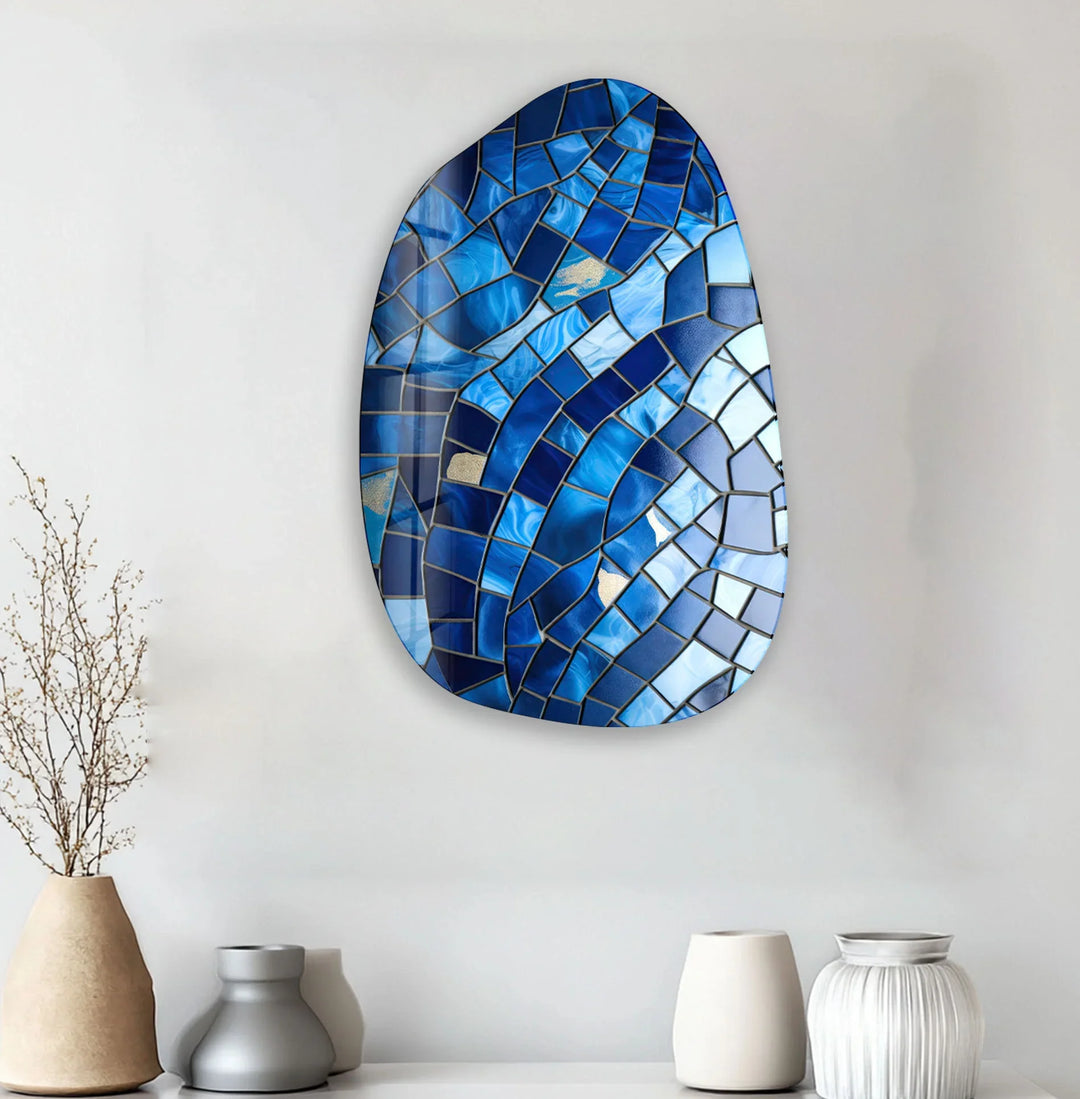
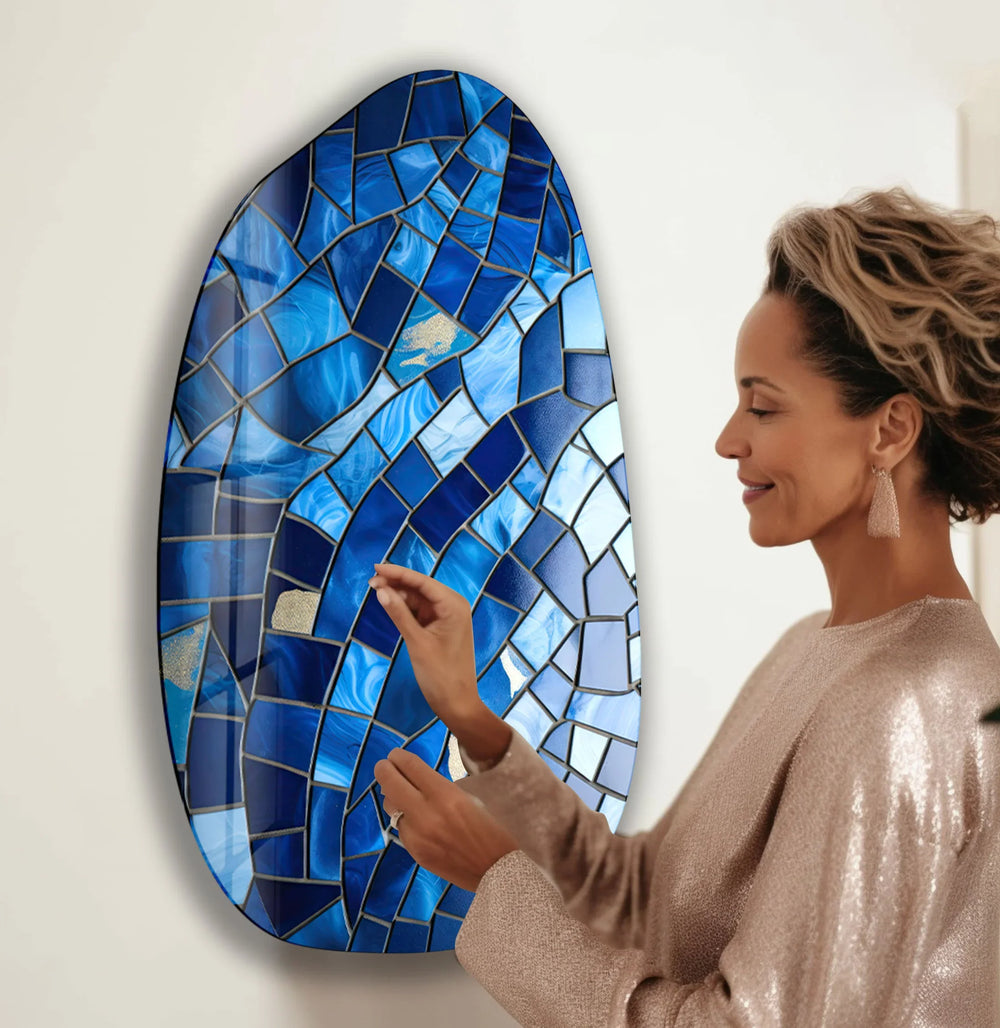
Die tatsächlichen Druckkosten ermitteln Sie, indem Sie die Anschaffungskosten durch die Nutzungsdauer in feuchten Umgebungen teilen. Standard-Polymethylmethacrylat (PMMA)-Acrylglas weist eine Wasseraufnahmerate von 0,2 bis 2,0 Prozent auf. Dieser thermoplastische Kunststoff absorbiert kontinuierlich Feuchtigkeit, was zu Verformungen führt. PMMA-Acrylglas hält in feuchter Umgebung genau acht Jahre, was Kosten von 33,75 US-Dollar pro Jahr entspricht. Die Wahl von 4 mm starkem Starphire-Sicherheitsglas beseitigt dieses Problem vollständig. Es kostet 40 Prozent mehr, hat aber eine Lebensdauer von 30 Jahren, wodurch die langfristigen Kosten auf genau 13,00 US-Dollar pro Jahr sinken. Ästhetisches Mosaikmuster unregelmäßig Glasbilder Dieses Prinzip wird angewendet. Das gehärtete Glas ist verzugsfrei und behält seine byzantinische Mosaikgeometrie auch unter 4000K-LEDs bei. Bei schwerem Glas, das die anfänglichen Grenzwerte überschreitet, sollte gegossenes Acrylglas mit Aluminium-Dibond-Oberfläche verwendet werden.

Warum Kondensation die Wahl des Rahmens bestimmt
Ein 1,9 cm breiter Luftspalt zwischen Wand und Rahmen verhindert die Bildung von Aspergillus-Schimmel auf feuchten Gipskartonplatten. Rahmen aus Roteiche und MDF reißen innerhalb von 24 Monaten nach Dampfeinwirkung auf. Diese Zellulosematerialien quellen schnell auf. Gehrungsverbindungen versagen, sodass Dampf hinter UV-beständigem Museumsglas das 300 g/m² Papier zerstört. Restauratoren raten von traditionellen Materialien ab, da das Einschließen feuchter Bilder unter Glas Schimmelbildung direkt auf dem Kunstwerk begünstigt. Schneiden Sie 1,9 cm breite Stücke portugiesischen Korks zu und kleben Sie diese mit Titebond III-Kleber auf die Rückwand des Drucks. Wird dieser Schritt ausgelassen, sind die Drucke unbrauchbar. Wählen Sie eloxierte Aluminiumrahmen von Nielsen, um ein geschlossenes Mikroklima zu erhalten.
Sicherheitszonen und Sicherheitsabstände
Für die korrekte Platzierung ist ein Mindestabstand von 91 cm (36 Zoll) zu Kohler-Badewannen oder Hansgrohe-Duschköpfen erforderlich. Das Aufhängen von Drucken im Spritzwasserbereich führt zu schneller Alterung. Die Suche nach feuchtigkeitsbeständiger Dekoration kann teuer werden, da herkömmliche Papierdrucke in der Regel nicht dampfenden Duschen standhalten. Architectural Digest empfiehlt, empfindliche Aquarelle auf Arches-Papier von feuchten Bereichen fernzuhalten. Hängen Sie das Kunstwerk genau 152 cm über dem Boden auf, was der Augenhöhe eines Erwachsenen entspricht. Eisennägel bilden Eisenoxidrost, der Gipskartonplatten verfärbt. Verwenden Sie stattdessen Hangman-Aluminium-Klammern oder CR Laurence-Edelstahl-Abstandshalter. Wandbild mit Meeresschildkröten: Unterwasserwelt-Glasdruck-DekorAzurblaue Farbtöne profitieren von metallischen Abstandshaltern, die die maritime Ästhetik unterstreichen, ohne dass die Porzellanfliesen rosten. Messen Sie die Abstände vor dem Bohren zweimal nach.

Automatisierte Abluftführung
Die automatische Abluftführung verhindert, dass die relative Luftfeuchtigkeit den schädlichen Schwellenwert von 60 Prozent überschreitet. Ein Überschreiten dieses Wertes führt sofort zu hygroskopischer Ausdehnung. PMMA-Acrylglas benötigt exakt 70 Tage kontinuierlicher Belichtung, um seine endgültige Form zu erreichen. Für kostengünstige Ausdrucke wird Epson Luster-Papier mit 3-lagiger Rückseite verwendet.M Super 77 Klebstoff. Dieses Papier absorbiert Wasserdampf, bis es sich von der Acrylplatte ablöst. Delamination zerstört das Bauteil. Installieren Sie einen Leviton IPHS5 Hygrostaten zur automatischen Absaugung. Stellen Sie den Panasonic WhisperWarm Abluftventilator so ein, dass er während des Badens und genau 20 Minuten danach läuft. Der schnelle Luftaustausch schützt industrielle Konstruktionen wie die Waschküche Metall Wandbilder mit UV-Druck: Design für eine Waschwanne im Vintage-StilUV-gehärtete CMYK-Tinte auf Aluminium verhindert vollständig das Ablösen der Farbschichten. Schließen Sie einen intelligenten Schalter an Ihren 120-V-Stromkreis an.

Argumente für Einwegdekoration
Die Wahl von Einweg-Giclée-Drucken in Styroporrahmen ermöglicht häufige Raumveränderungen ohne finanzielle Belastung. Innenarchitekten lehnen dauerhafte Glasinvestitionen für Badezimmer im Hauptschlafzimmer ab. Designhandbücher preisen 4 mm starkes Starphire-Glas als dauerhafte Lösung an. Allerdings benötigen Badezimmer alle fünf Jahre eine komplette Überarbeitung der Farbpalette von Farrow & Ball. 400 Dollar für unzerstörbares Glas auszugeben, legt einen auf starre Stile fest. Die Entscheidung für günstige Giclée-Drucke auf Archivpapier in PVC-Rahmen bietet hingegen maximale Flexibilität. Dieser unkonventionelle Stil ermöglicht häufige ästhetische Veränderungen. Mondbeschienener Baum und surrealer Horizont: Abstrakt Ölgemälde Das veranschaulicht es perfekt. Abstrakte Texturen in Ultramarintönen ziehen die Blicke auf sich, doch preiswerte Kunststoffrahmen ermöglichen es, diesen Blickfang in der nächsten Saison auszutauschen. Planen Sie bei saisonalen Dekorationswechseln Budgets für PVC-Rahmen ein.

Eine Budgetplanung, die die Materialbeständigkeit berücksichtigt, beugt vorzeitigen Schäden durch Feuchtigkeit vor und stellt sicher, dass die gewählten Elemente dauerhaft erhalten bleiben. Letztendlich entscheidet die Berechnung der jährlichen Kosten für die Feuchtigkeitsbeständigkeit eines Kunstwerks darüber, ob es sich um eine saisonale Modeerscheinung oder eine dauerhafte Bereicherung handelt. Achten Sie auf stabile Trägermaterialien, wasserdichte Verbindungen und Belüftungsspalten, wie beispielsweise die 1,9 cm (0,75 Zoll) breite portugiesische Kork-Abstandstechnik. Berücksichtigen Sie Ihren Renovierungszeitraum von fünf Jahren. Wählen Sie Kunstwerke, die Ihrer erwarteten Lebensdauer entsprechen. Überprüfen Sie vor der Installation stets die technischen Spezifikationen, um sicherzustellen, dass Ihre Auswahl Glasstücke für Ihr Badezimmer Überstehen die Luftfeuchtigkeit.