

Die Nachtansicht: Rahmenauswahl für Glasbilder
Das wichtigste Element bei der Rahmung von Kunstwerken aus 4 mm starkem, eisenarmem Starphire-Sicherheitsglas ist nicht das massive Material, das es umschließt, sondern der entstehende Hohlraum. Ein breiterer, 12,7 mm (ein halber Zoll) breiter Schattenspalt innerhalb eines Aluminiumprofils von Nielsen Bainbridge lenkt die Lichtbrechung weitaus besser als der klinisch enge Viertelzoll-Standard und verwandelt so das Umgebungslicht der Abenddämmerung in einen selbstleuchtenden, eingefangenen Lichtrahmen. Der Hohlraum spricht Bände, nicht das Metall. Obwohl Tageslichtbedingungen die Beurteilungen dominieren, GlaswandkunstEin solches Stück verdient seinen Platz wahrlich durch seine visuelle Wirkung unter dem indirekten 2700K Philips Hue LED-Licht eines ruhigen Abends.
Bei der Auswahl großformatiger architektonischer Glaswandobjekte konzentrieren sich unerfahrene Sammler zunächst auf die UV-gehärtete, fotografische Schicht. Erfahrene Kuratoren hingegen analysieren die Spiegelreflexion der Befestigungselemente. Materialuntersuchungen von mattschwarz eloxiertem Aluminium, insbesondere der in hochwertigen Galerierahmen verwendeten stranggepressten Aluminiumlegierung 6063-T5, zeigen eine Spiegelreflexion von unter 3 %. Diese außergewöhnlich niedrige Reflexion ermöglicht es den Rahmenwänden in einem tiefen Hohlraum, nahezu das gesamte einfallende Raumlicht zu absorbieren. Der so entstehende tiefschwarze Hintergrund verhindert, dass Sekundärreflexionen vom Metall auf die polierte Glaskante treffen. Der Bezug hochwertiger 6 mm starker Optiwhite-Glaswandkunst aus Londoner Mayfair-Galerien erfordert diese besondere Aufmerksamkeit für das Befestigungsmaterial.
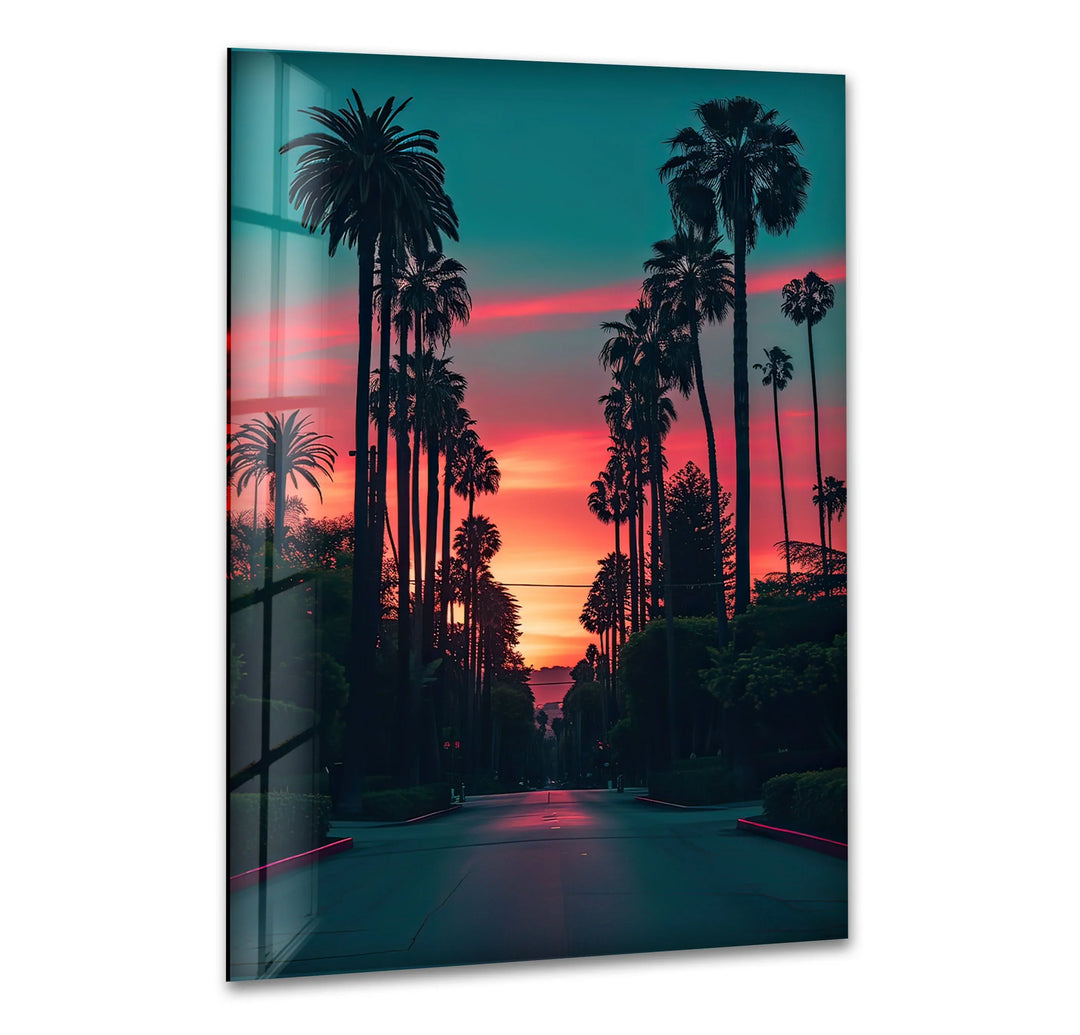
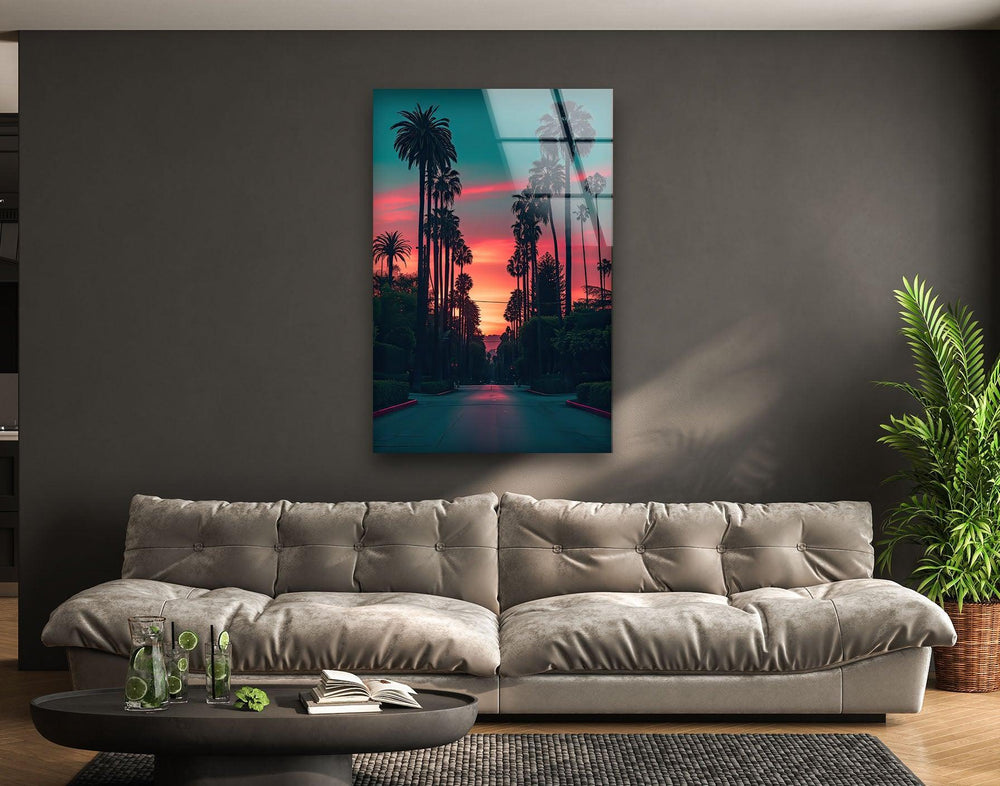
Betrachten Sie die visuellen Mechanismen des Atlantis Glasbilder Unter dem gedämpften Licht eines Lutron Caséta Abendbeleuchtungssystems wirken die entsättigten blaugrünen Töne, die dem Munsell-Farbton 10BG sehr nahekommen, durch den psychologischen Mechanismus der Farbtherapie aktiv auf die Ruheherzfrequenz. Ein herkömmlicher, geschlossener Rahmen aus mitteldichter Faserplatte (MDF) verdeckt diese ozeanische Optik. Durch die Einbettung des 4 mm starken, eisenarmen Starphire-Sicherheitsglases in einen dunklen Raum scheint das Kunstwerk auf einem Luftkissen zu schweben. CNC-polierte Kanten fangen die Umgebungsschatten ein und erzeugen einen sanften Farbverlauf. Dieses sanfte Leuchten an den Kanten bildet einen dezenten Rahmen aus eingefangenem Licht.

Die Nutzung des halbzolligen Spalts für überlegene Brechung
Ein breiterer Schattenspalt von 12,7 mm fängt bewusst das Umgebungslicht ein und erzeugt so einen weichen, verschwommenen Schattenverlauf, die sogenannte Halbschattenzone. Der vom Bauhaus inspirierte westliche Minimalismus preist fälschlicherweise den schmalen Spalt von nur 6,35 mm als Inbegriff klaren Designs. Dieser schmale Spalt erzeugt jedoch eine harte, kontrastreiche schwarze Grenze, die die Augen ermüdet. Ein breiterer Spalt hingegen entspricht der japanischen Architekturphilosophie des In'ei Raisan, der Verehrung des Schattens. Die traditionelle Wabi-Sabi-Ästhetik feiert keine klinische Präzision, sondern den organischen Übergang des Lichts. Durch die Erweiterung des Spalts auf exakt 12,7 mm fängt die flachpolierte Optiwhite-Glaskante das 2700 K warme Umgebungslicht ein und bildet so einen selbstleuchtenden Rahmen aus eingefangenem Licht. Das Kunstwerk atmet.
Bei der Montage von Glaskunst in modernen Trockenbauwänden von Wohnhäusern bestimmt die chemische Zusammensetzung der Scheibe die Farbe des eingefangenen Lichts. Standardmäßiges Pilkington-Natronkalk-Floatglas enthält 0,1 % Eisenoxid. Dieses Spurenelement reduziert die Lichtdurchlässigkeit auf 89 % und erzeugt einen unnatürlichen, leuchtend smaragdgrünen Ring am Rand. Eisenarme Alternativen reduzieren diese Verunreinigung auf 0,01 % und sorgen so für eine klare, eisige Lichtbrechung. Die Vermeidung dieses Grünstichs ist unerlässlich, wenn Kunst mit warmen, neutralen Farbpaletten im Japandi-Stil kombiniert werden soll.
Die CNC-polierte Kante des eisenarmen Starphire-Glases, das in einem matten 6063-T5-Aluminiumhohlraum eingefasst ist, reflektiert nicht einfach nur den Raum; sie fängt das abendliche Umgebungslicht ein und hält es fest, wobei sie schwach leuchtet wie ein Block gefrorenen Wassers in einem dunklen Raum.
Diese reine Lichtübertragung dient der Zen-Steine & Lotus Glasbilder Mit höchster Präzision. Die warmen Hafer- und Rohholztöne der japanischen Innenarchitektur verlieren sich im unnatürlichen grünen Licht. Klare Kanten lassen die Texturen aus roher Eiche und belgischem Leinen die visuelle Schwere des Raumes auf natürliche Weise erden.

Wie die Positionierung des Untergrunds durch die Deckenbeleuchtung vorgegeben wird
Durch das Einlassen der gehärteten Glasscheibe exakt drei Millimeter unterhalb der Vorderkante des extrudierten 6063-T5-Aluminiumprofils wird verhindert, dass direktes, senkrechtes Licht die Oberfläche überstrahlt. Moderne Architekturbeleuchtung verwendet oft grelle 50-Watt-MR16-Halogen- oder CREE-LED-Richtstrahler. Würde die polierte Oberkante diesen konzentrierten Lichtstrahlen ausgesetzt, entstünden blendende Spiegelungen. Durch das Versetzen des Glassubstrats um drei Millimeter nach unten während der Trockenbaumontage wird ein architektonischer Schutz geschaffen. Das Auge kann sich so auf natürliche Weise entspannen. Diese geometrische Präzision sorgt für die gewünschte Atmosphäre bei abendlichen Lichtverhältnissen.
Nimm die Fushimi Inari Taisha Japan Glasbilder Als operative Grundlage dient die kontrollierte, gerichtete Beleuchtung der markanten, zinnoberroten Architekturlinien, um deren dreidimensionale Tiefe zu erhalten. Streulicht von oben, insbesondere von CREE-LEDs, stört die visuelle Verankerung des Weges im Kyotoer Schrein. Tiefe Einbauten sorgen für scharfe architektonische Schatten.

Strategischer Schutz vor direkter Sonneneinstrahlung
Die Positionierung von Glasoberflächen senkrecht zu ungefilterten, doppelt verglasten, nach Süden ausgerichteten Fenstern bewahrt das feine Lichtspiel im Schattenspalt. Direktes Sonnenlicht, das im rechten Winkel auf ebene Flächen trifft, zerstört die subtile Lichtbrechung an den Kanten. Selbst eine stark absorbierende, mattschwarze Aluminiumlegierung 6063-T5 kann die schiere Menge an Photonen, die auf den Rahmen treffen, nicht vollständig abschirmen. Platzieren Sie Ihre Objekte daher nicht in direkter Südlage. Alternativ können Sie das einfallende Licht mit halbtransparenten Vorhängen aus belgischem Leinen oder Shoji-Washi-Papier-Jalousien streuen. Sanftes Licht füllt den Zwischenraum. Die gekonnte Gestaltung des Leerraums um das Glas herum ist das wahre Kennzeichen sorgfältiger Auswahl.
Der Mosaikwellen Glasbilder Dies zeigt, wie eine gut geschützte Oberfläche die Lichtbrechung steuert. Die rhythmischen Muster der azurblauen Mosaikfliesen entfalten ihre visuelle Textur erst im sanften, indirekten Licht. Ungefilterte UV-A- und UV-B-Strahlung hingegen lässt die rhythmische Komplexität verschwimmen und reduziert sie auf ein statisches Bild. Auch für die Gestaltung von Glaswandkunst in hellen Häusern an der Küste von Queensland ist eine sorgfältige Kontrolle der Umgebungsbedingungen unerlässlich. Schützen Sie das Glas. Kontrollieren Sie die Schatten. Indem Sie das Verhalten des Lichts nach Einbruch der Dunkelheit berücksichtigen, schaffen Sie Räume mit einer ganz besonderen Atmosphäre. Diese Prinzipien wenden wir auf unsere sorgfältig ausgewählte Kollektion an. Glaswandkunst sorgt dafür, dass Ihre Schmuckstücke auch lange nach Sonnenuntergang einwandfrei funktionieren, indem sie das Umgebungslicht des Abends innerhalb des halbzolligen Schattenspalts einfangen und so einen permanenten, leuchtenden Rahmen aus eingeschlossenem Licht erzeugen.