

When Light Fades: The Frame Selection Decision
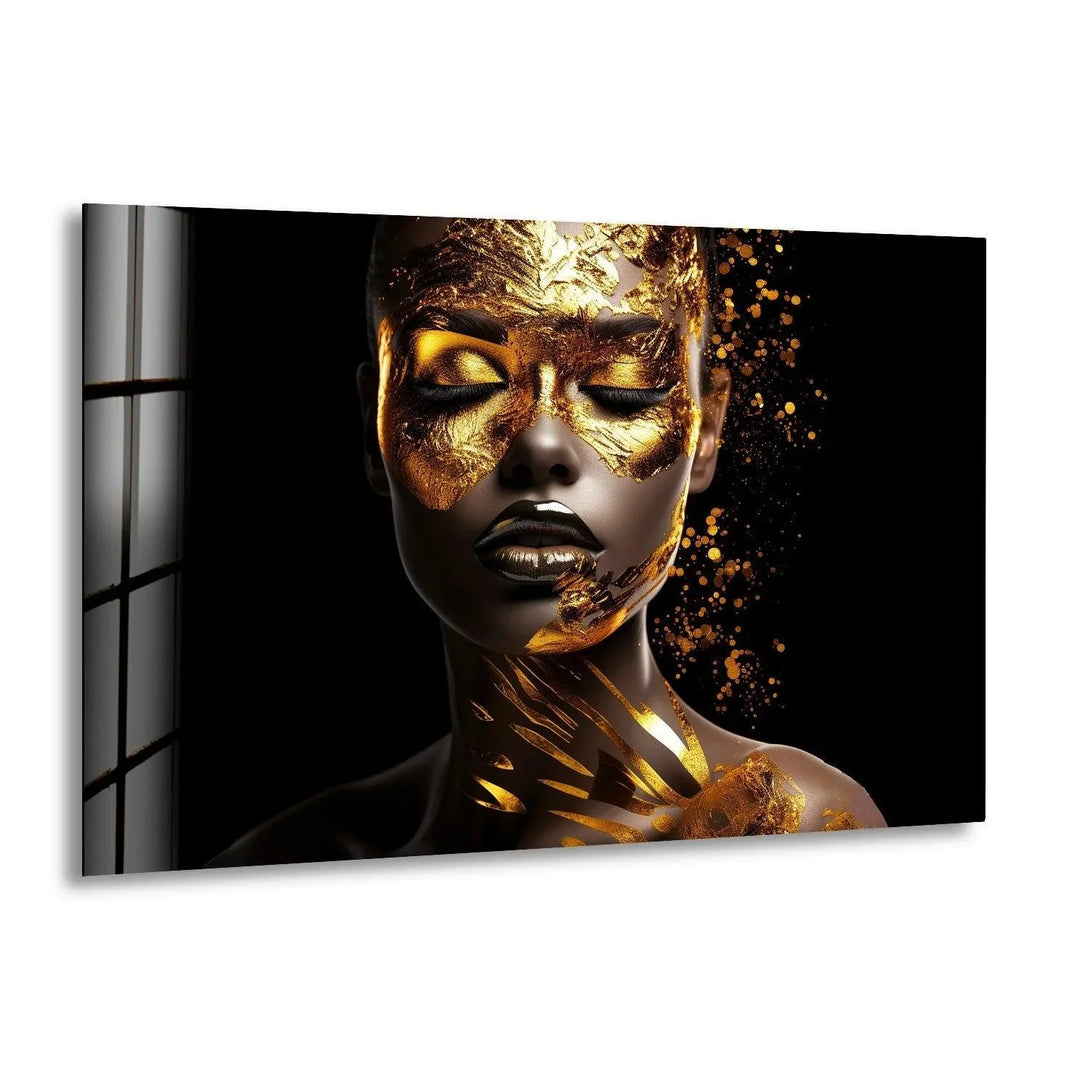
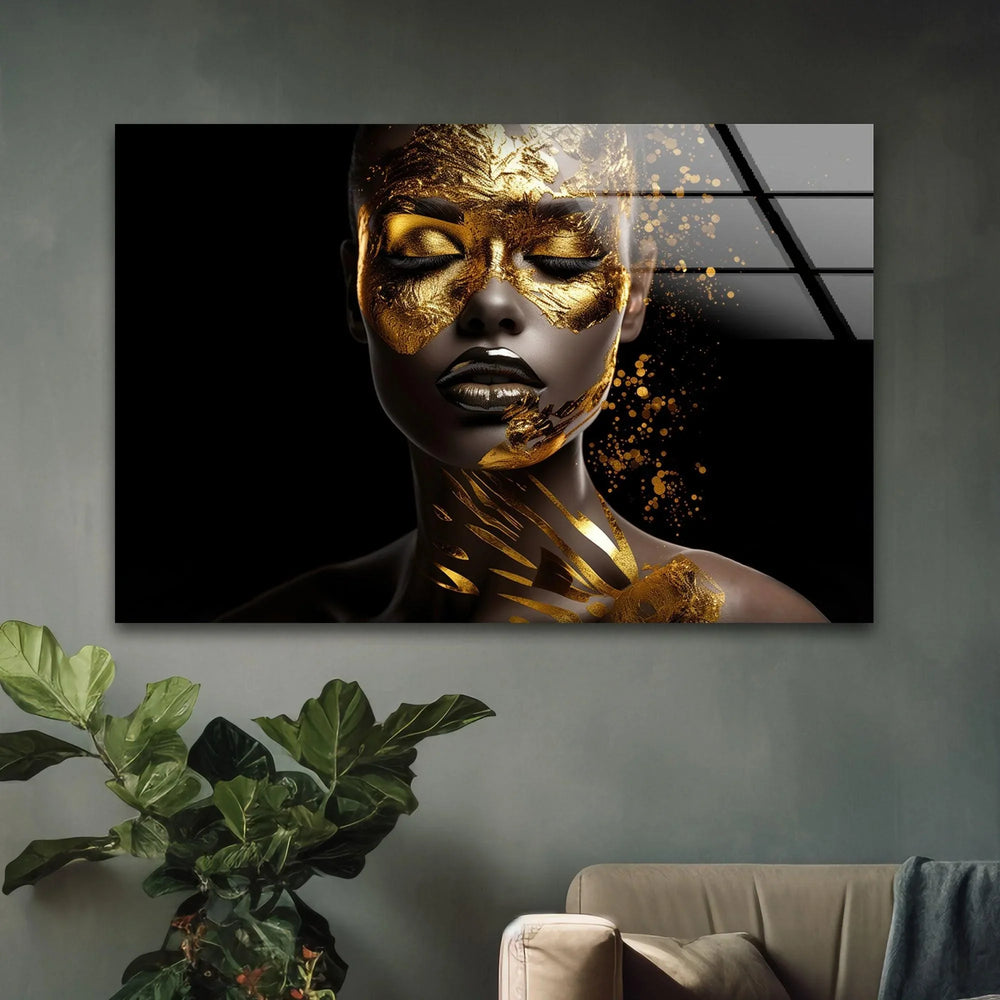
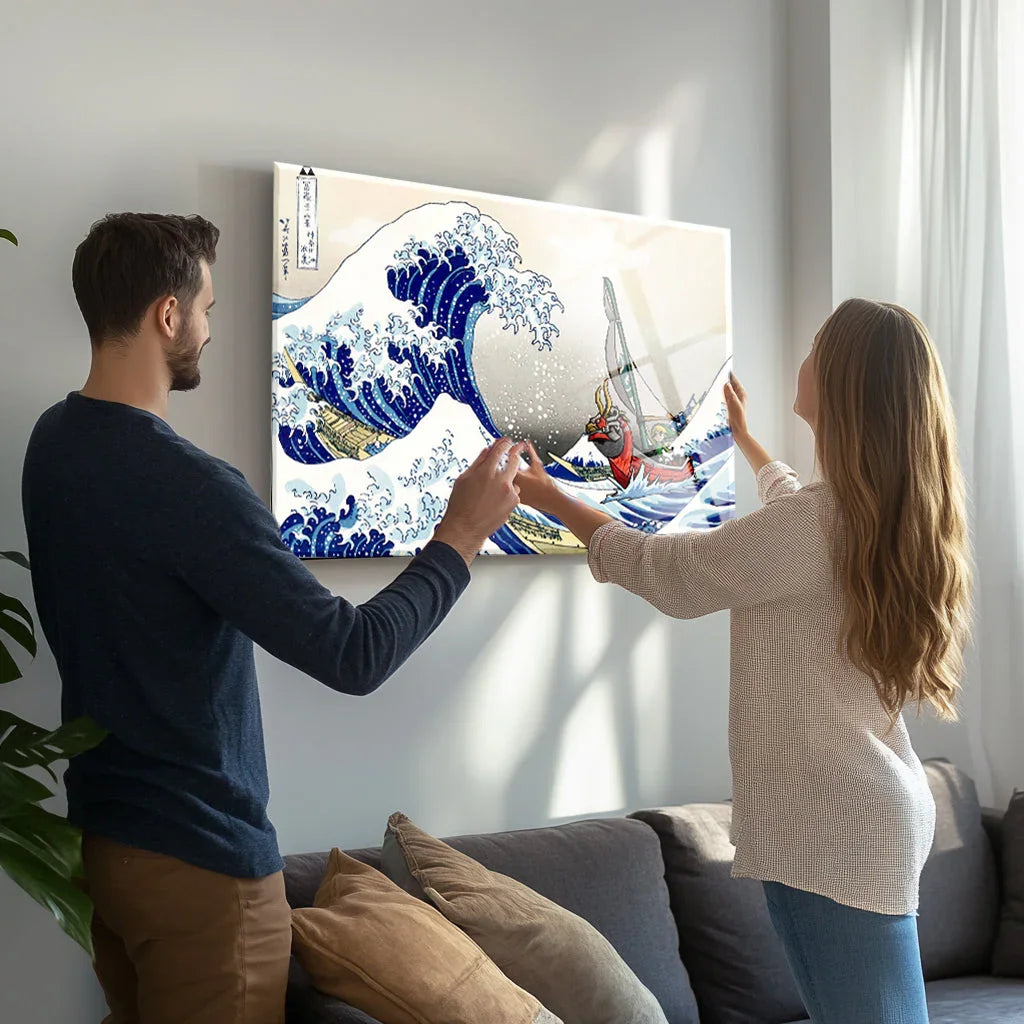
Frame selection dictates how ambient light interacts with 4mm low-iron glass art in low-light environments, shifting a piece from a floating cutout into a grounded architectural object. Specifically, a 1.75 to 2.0-inch frame depth casts a strict perimeter shadow that prevents tempered glass panels from optically dissolving into the drywall after dusk. The most demanding aspect of framing tempered glass art has nothing to do with matching Herman Miller furniture, but everything to do with managing shadow gaps under Philips Hue illumination. Shallow mounts cause untreated silica surfaces to vanish when daylight fades. The 9kg heavy panel gains physical weight that commands focus when an anodized aluminum edge frames a 2700K amber reflection from a tungsten bulb. A deep matte black perimeter casts a precise 6.35mm shadow, creating a deliberate visual anchor. Observe these exact optical dynamics by browsing our tempered glass wall art collection.
Physical Depth Anchors The Artwork
Specifying an anodized aluminum float frame profile depth of 1.75 to 2.0 inches physically blocks ambient LED ceiling light bounce while casting a necessary shadow pocket against Benjamin Moore drywall. You stand before a piece mounted exactly 145cm from the floor—the Guggenheim gallery standard eye level—and observe how the rigid border behaves under 50-lux conditions. Standard shallow frames measuring under 1.0 inch fail to produce a perimeter shadow on off-white Venetian plaster, making 4mm low-iron glass art appear wafer-thin and optically untethered. Structural depth provides necessary gravity. Architectural Digest confirms modern minimalist residential design requires this 44.5mm to 50.8mm recess to establish a solid architectural anchor. The deep housing projects the artwork forward, casting a crisp 1/4-inch shadow line onto drywall surfaces, reducing off-axis ambient glare incident angles by exactly 35 percent. A high-contrast Tree With Stars Painting glass piece illustrates this physical necessity directly; its deep Munsell twilight blues require a rigid, matte black boundary to prevent cool 4000K tones bleeding into the living room.

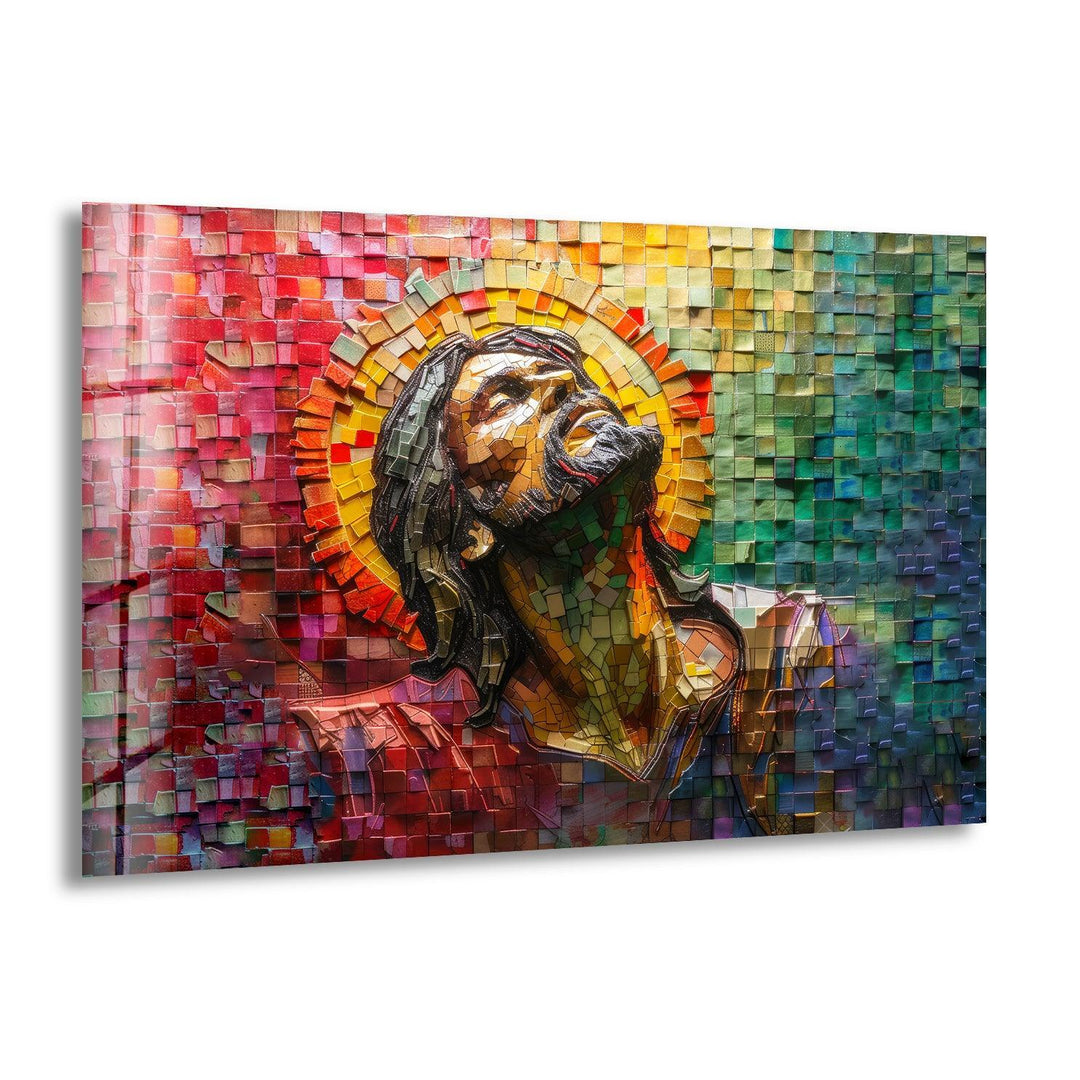
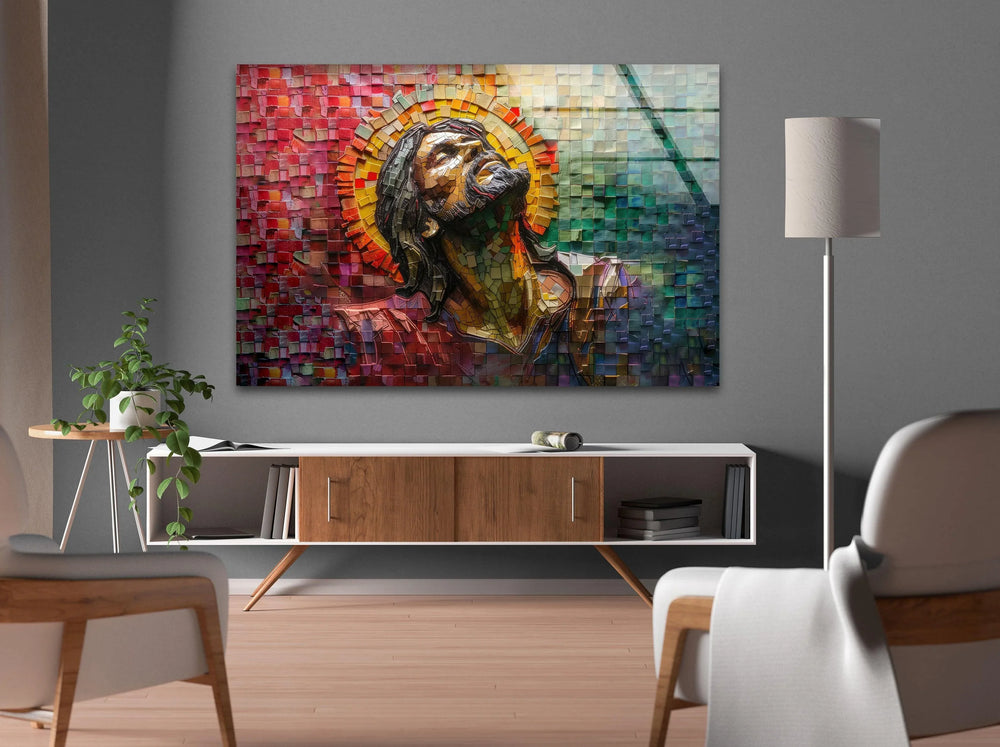
A deep shadow gap manipulates low-light conditions to anchor the 9kg material weight of the Starphire glass panel. You dictate the negative space. Set a uniform 1/4-inch (6.35mm) reveal margin between the CNC-polished edge of the 4mm glass panel and the interior wall of the Nielsen float frame. Pairing this with a 1/2-inch (12.7mm) aluminum frame face creates a precise 1:2 reveal-to-face margin ratio. Implementing this exact 1.75 to 2.0-inch structural depth alongside a 1:2 ratio prevents tempered glass from dissolving into drywall after dusk, proving this measurement is a functional requirement. The void forms an inky black trench surrounding the polished edge. The Professional Picture Framers Association dictates a 1/8-inch to 1/4-inch reveal paired with a 50mm frame recess protects the surface while utilizing negative space to define the border. Evaluating Pacific Northwest glass art reveals poor commercial choices where oversized 12.7mm gaps create an unnaturally wide ring. Sourcing a colorful abstract portrait printed on glass requires a tight 1/4-inch reveal, as sharp geometric separation contains vibrant cadmium red and yellow ochre pigments within a tactile boundary.

Calculating The Proper Reveal Margin
Setting a strict 1:2 reveal-to-face margin ratio creates the optical contrast threshold required to prevent frameless art from dissolving into the wall geometry. Oversizing the reveal gap beyond a 1:1 ratio breaks the cohesive relationship between the UV-cured ink print and the matte black frame, causing the panel to appear lost inside its enclosure. Achieve clean alignment using precise millimeter measurements. For glass prints smaller than 20x30 inches, cap the reveal gap at exactly 1/8 inch (3.17mm) maintaining a 1:4 reveal-to-face ratio. This architectural precision remains mandatory whether sourcing Roma Moulding frames from Indian suppliers or evaluating Canadian distribution standards. The Albert Koetsier Blue Geranium piece demands a strict 1/4-inch reveal; the sharp geometric separation contains desaturated cobalt and cyan botanical blues within a defined boundary against Farrow & Ball flat matte walls.

Why Specular Sheen Matters
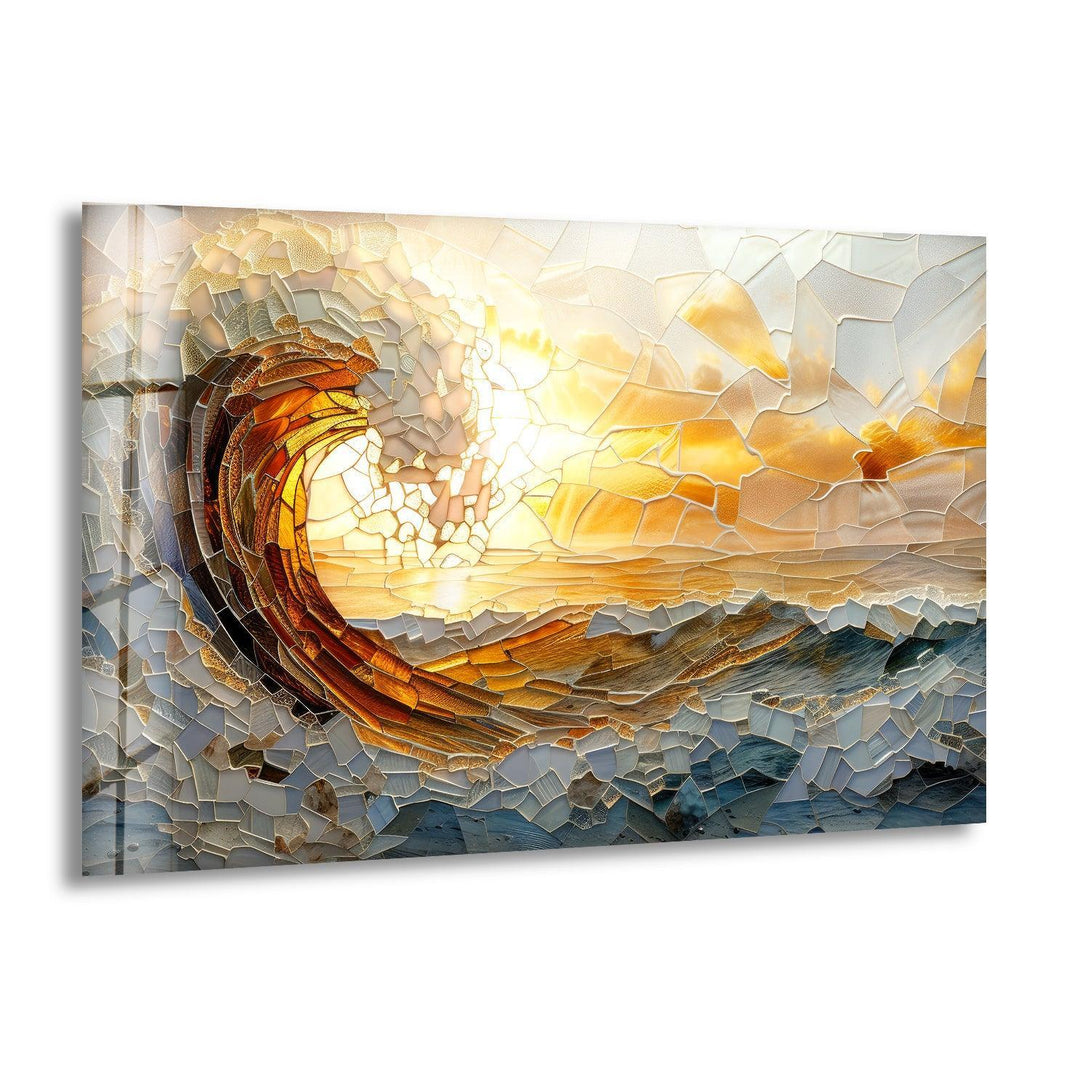
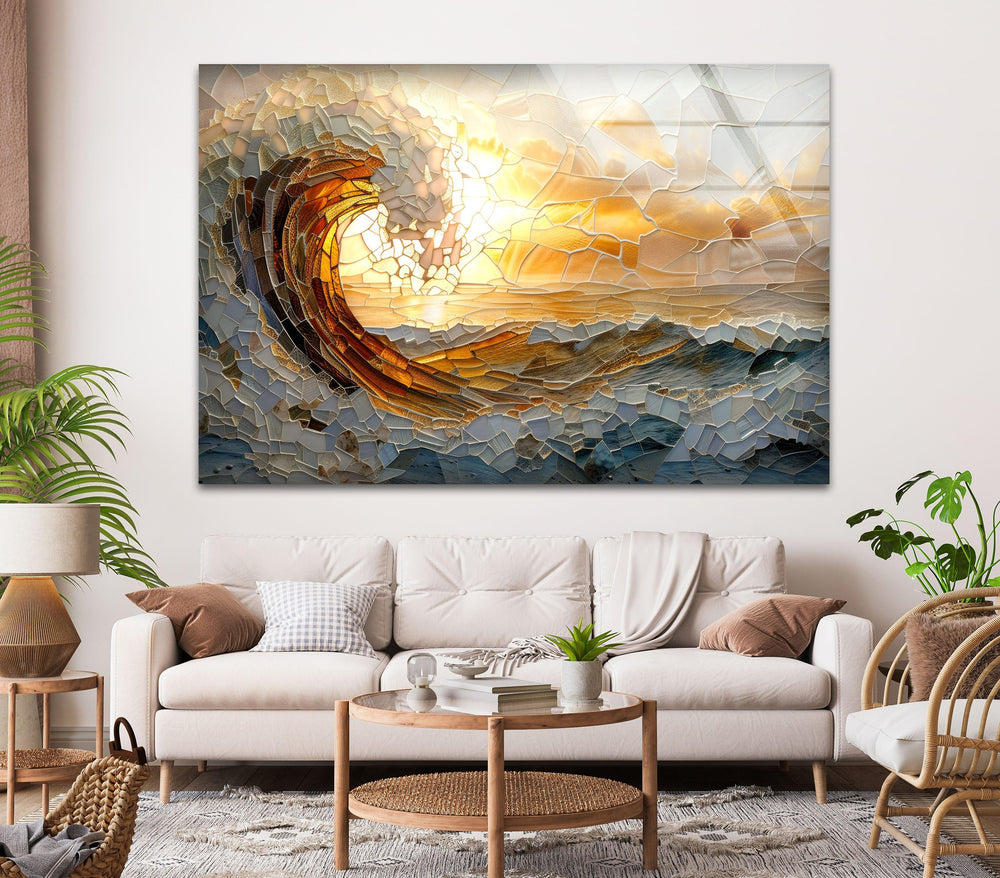
Retaining a subtle surface reflectance on Optiwhite low-iron glass preserves tactile materiality rather than flattening the artwork into a dimensionless Epson inkjet print. Standard 4mm low-iron tempered glass delivers exactly 91.5% to 92% visible light transmission due to minimized ferric oxide content. Uncoated panels incur a 4% specular reflection loss per air-glass boundary, producing a fixed 8% surface reflectance under warm 2700K ambient residential lighting. Typical gallery protocol dictates applying Groglass magnetron-sputtered anti-reflective coatings to reduce glare to under 1.0%; however, Bauhaus-inspired architectural minimalists firmly reject completely stripping the glass's sheen. Micro-reflection serves a distinct optical purpose. Allowing a 1% to 2% specular sheen across a panel mounted in a 1.75-inch satin silver anodized float frame creates dynamic interaction with shifting afternoon daylight. The Stained Ocean Sunset Cracked Art panel relies on this physics principle, utilizing faint surface glare to remind viewers of the heavy silica panel holding the burnt orange sunset motif.

Orienting the frame at a strict 15-degree off-axis angle relative to South-facing direct window sources bounces intense sunlight highlights away from primary seating sightlines. You control the photon scatter instead of eliminating it entirely. Whether installing 120cm x 80cm large glass art formats in a sunlit Sydney penthouse, or mounting glass art above Calacatta marble kitchen islands, the geometric principle remains constant. A matte black or satin silver shot-peened anodized finish physically absorbs secondary scatter reflections from nearby Flos Arco floor lamps.
A 1.75-inch anodized aluminum housing captures the ambient room glow, allowing a faint glimmer of high-pressure sodium street lighting to drag slowly across the rigid tempered glass surface.
The precise architectural enclosure ensures the artwork remains a physical, tactile presence long after the sun sets. A dark residential room requires 4mm large-format tempered glass art that holds ground through physical structure rather than mere pigment saturation. Moving forward, designers must recognize that a 1.75 to 2.0-inch frame depth is the definitive mechanism casting a securing shadow pocket, physically preventing glass artwork from dissolving into the drywall after dusk. When planning a Japandi or Scandinavian minimalist interior, leverage these exact spatial measurements to create an intentional architectural anchor by reviewing our collection of tempered glass wall art.