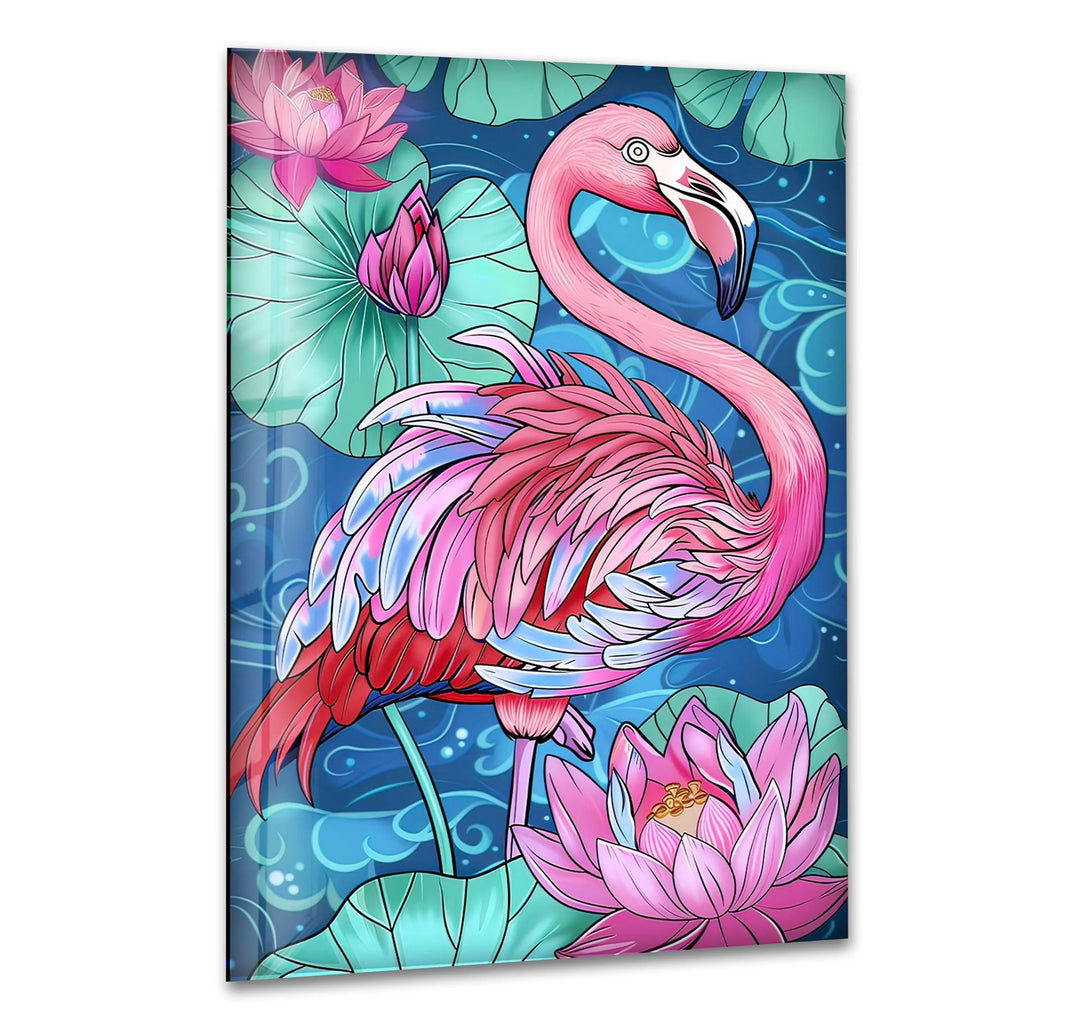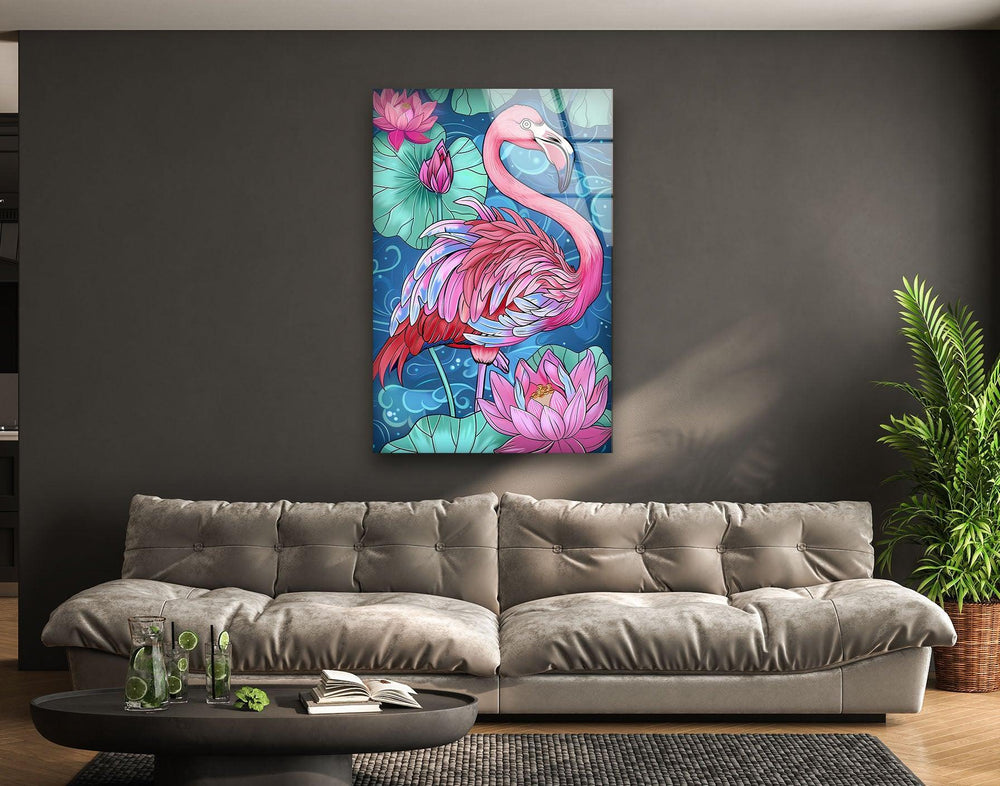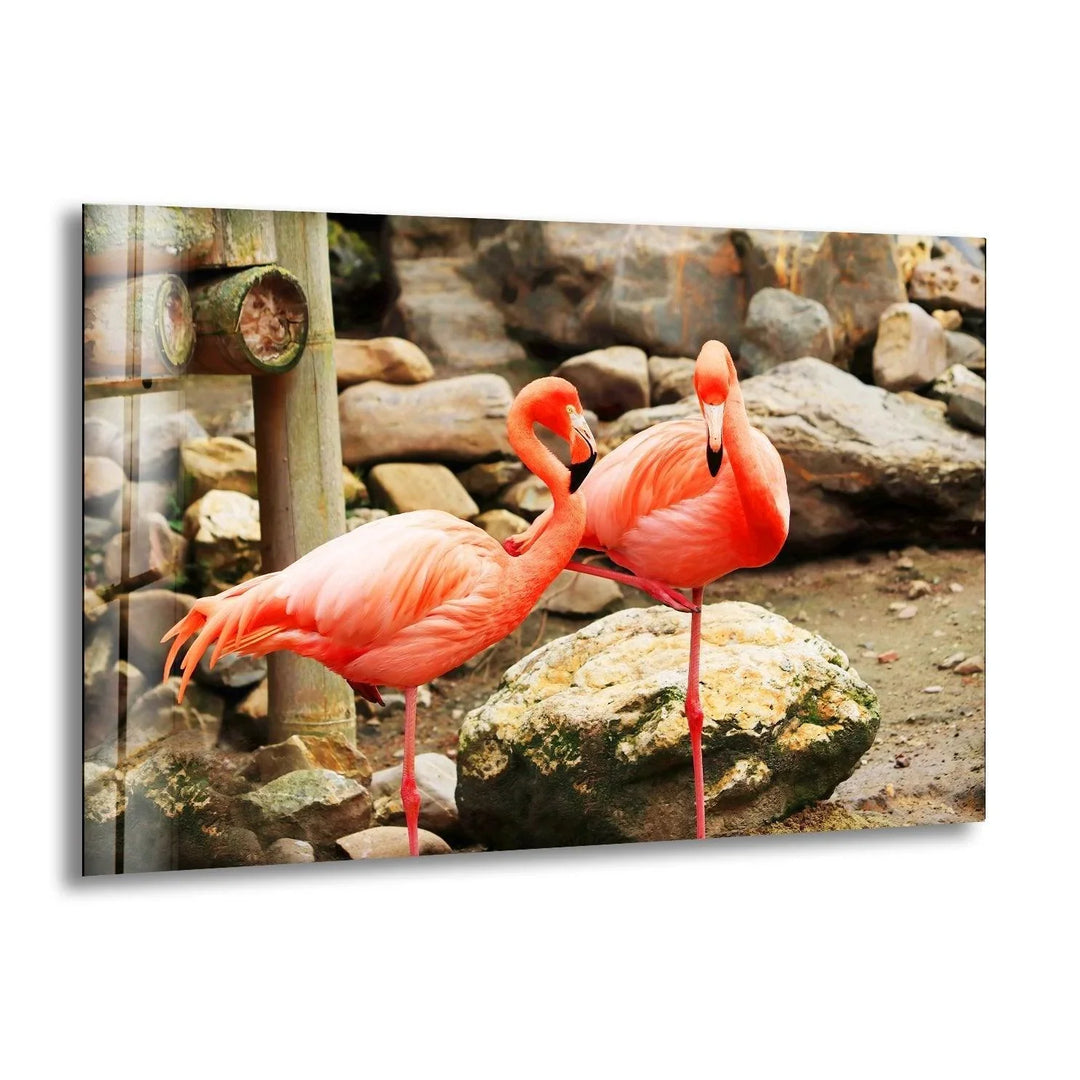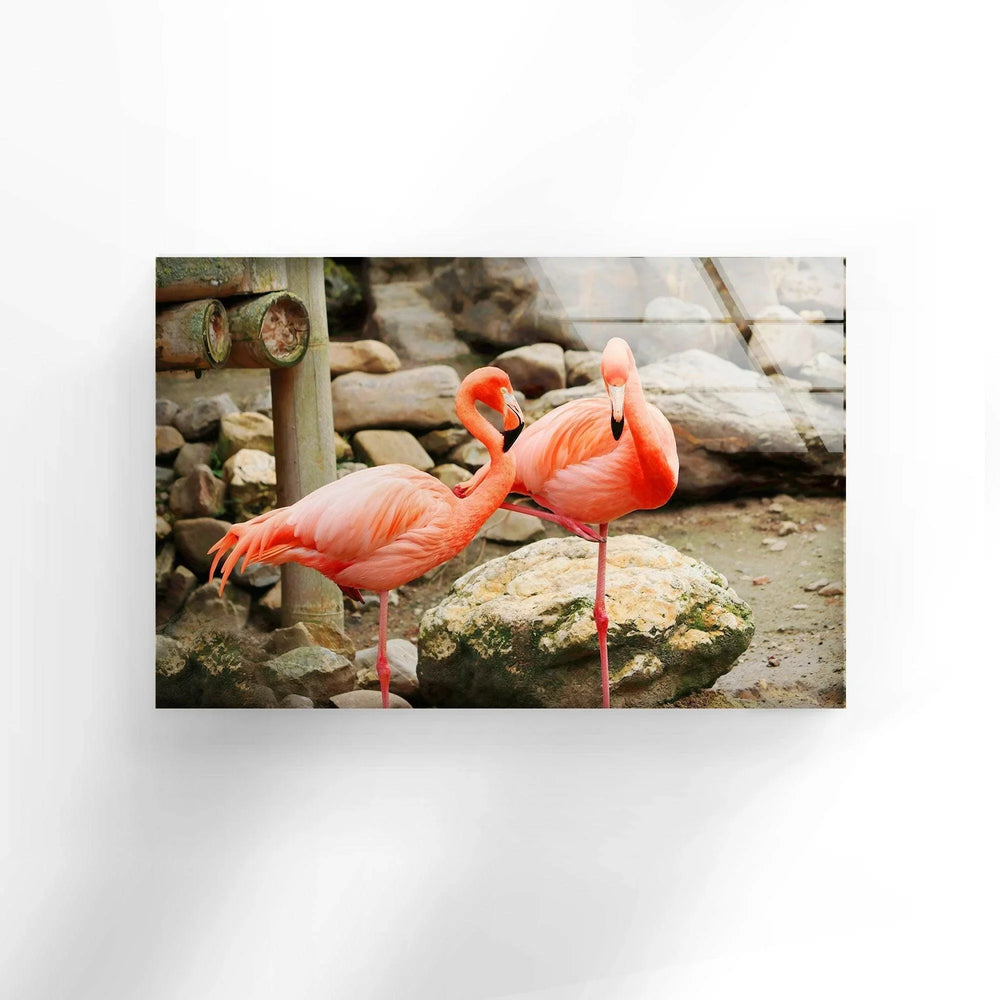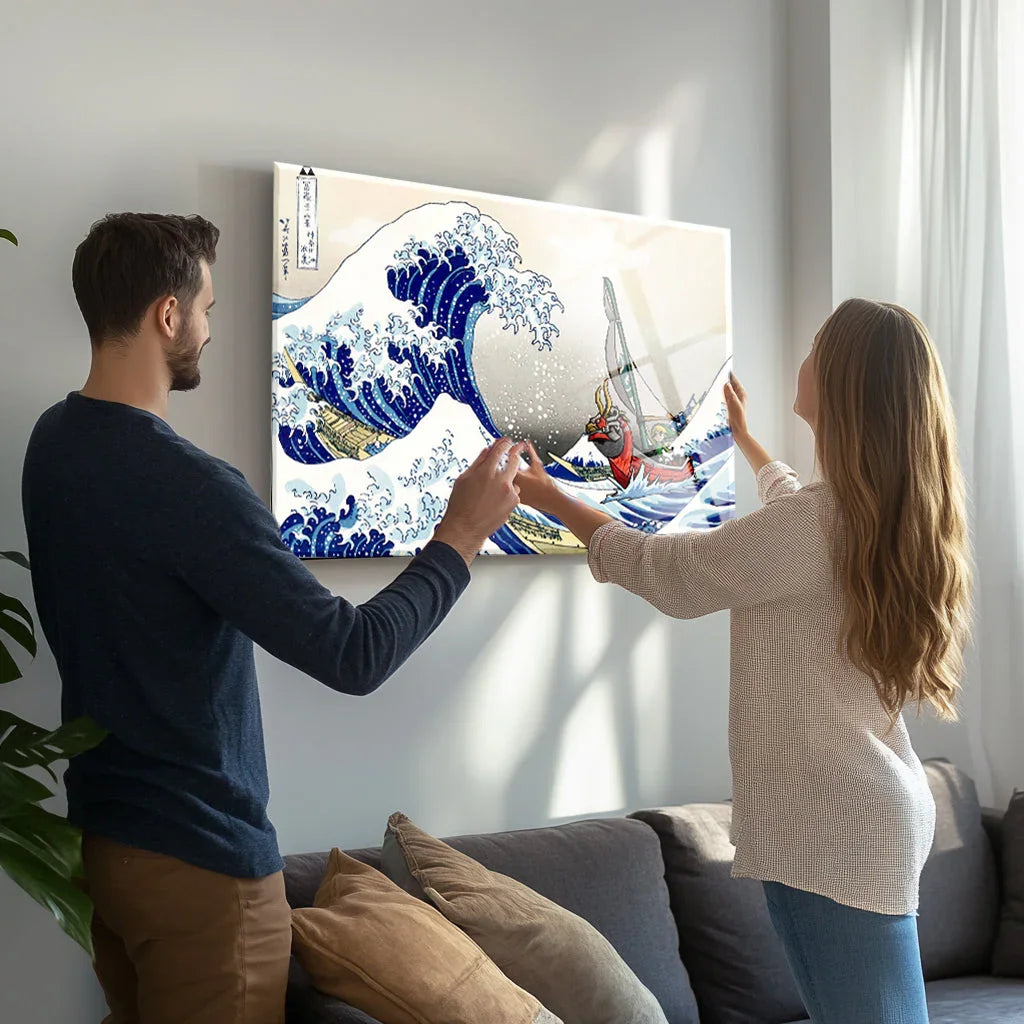


Rahmenauswahl: Das fehlende Element bei Flamingo-Wandbildern
Sie müssen den Rahmen festlegen, bevor Sie das rosa Pigment beurteilen. Die Rahmenkonstruktion, die das Glas hält, bestimmt die räumliche Präsenz, noch bevor das Vogelmotiv des Kunstwerks vom menschlichen Auge wahrgenommen wird. Eine 80 x 120 cm große Acrylglasplatte, die auf einem 16-Zoll-MacBook Pro Liquid Retina-Display überwältigend groß wirkt, verschwindet vor der vertikalen Fläche einer Wohnzimmerwand in Sherwin-Williams Alabaster völlig. Der Fehler liegt in einer fehlerhaften Abfolge von Entscheidungen. Wer zuerst das Bild kauft und erst dann den Rahmen berücksichtigt, riskiert einen visuellen Zusammenbruch. Käufer behandeln die Rahmenwahl oft als nebensächliche Überlegung nach dem emotionalen Erwerb eines Kunstwerks. Flamingo-Wandkunst Ob Sie nun lokal bedruckte Epson SureColor-Leinwandbilder beziehen oder spezielle Galeriebestände der Art Basel importieren, die Logik der Ränder bleibt dieselbe.
Das Verständnis dieser Hierarchie verändert den gesamten Beschaffungsprozess. Man beginnt mit der Analyse der visuellen Entropie der Zielwand, anstatt nach dem auffälligsten Muster zu suchen. Eine minimalistische, von Tadao Ando inspirierte polierte Betonwand erfordert einen völlig anderen strukturellen Ansatz als eine stark tapezierte Akzentwand im Stil von Cole & Son Miami Tropical. Das Aluminium-Rahmensystem von Nielsen Bainbridge löst das architektonische Problem. Die Bildsprache erfüllt die emotionale Anforderung. Beides ist notwendig, um ein Gleichgewicht zu schaffen.
Verwenden Sie einen Mat-Puffer, um negativen Raum zu erzeugen.
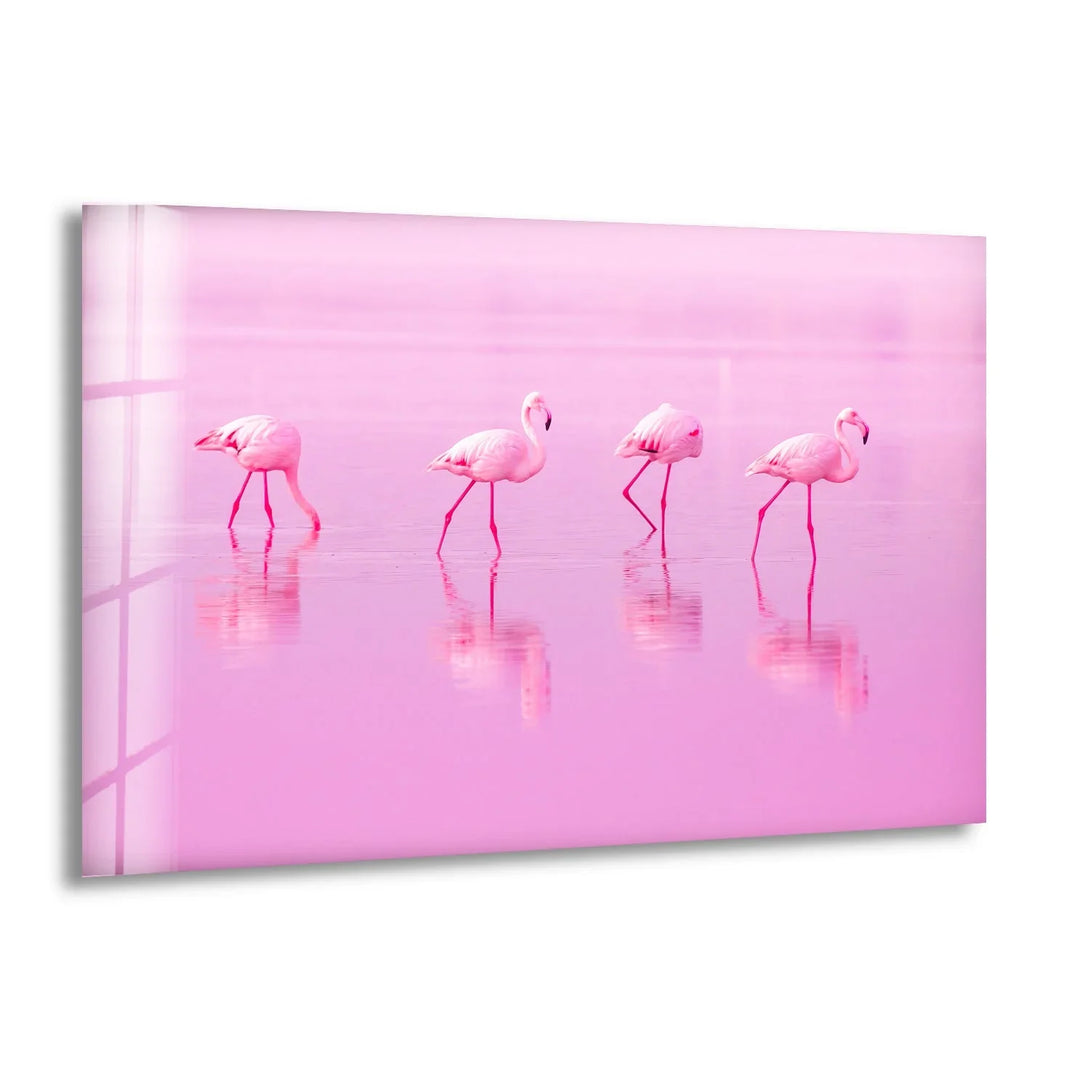
Das Hinzufügen einer 7,6 cm breiten, vierlagigen Baumwollmatte von Crescent Select dient als sofortige visuelle Barriere. Ein deutlicher physischer Rand erzeugt eine kognitive Pause, die das menschliche Auge zwingt, das Motiv zu erfassen, bevor der Hintergrund verarbeitet wird. Blickbewegungsstudien zeigen, dass Betrachter 20 Prozent mehr Zeit benötigen, um ein zentrales Motiv in einem visuellen Feld mit hoher Entropie, wie beispielsweise der Tapete „Tropical Maximalist“ von Cole & Son, zu identifizieren. Diese architektonische Intervention beweist, dass die strukturelle Begrenzung die räumliche Präsenz bestimmt, bevor das Vogelmotiv des Kunstwerks wahrgenommen wird; biometrische Messungen bestätigen, dass ein breiter Rand die Aufmerksamkeit auf das Motiv erhöht. Führende Innenarchitekten betrachten den Rahmen nach dem Nielsen-Profil 117 als räumliches Gestaltungsmittel und betonen, dass ein breiter Rand den notwendigen Freiraum bietet, um zu verhindern, dass lebendige botanische Darstellungen von umgebenden Monstera-Deliciosa-Blattmotiven verschluckt werden. Solche Isolationsmaßnahmen sind erfolgreich, wenn ein gerahmter Glasdruck in stark strukturierten Umgebungen aufgehängt wird. Für gemusterte Räume empfiehlt sich zunächst eine mindestens drei Zoll breite Matte. Zartrosa Flamingo Glasbilder Diese große Puffergröße ist erforderlich, da das subtile Munsell 5R-Farbprofil auf Isolation beruht, um Wärme zu erzeugen.

Zarte Rosatöne verlieren schnell an Sättigung, wenn nicht ein 75 mm breiter Streifen säurefreies Archivpapier von Peterboro Conservation das Tru Vue Museumsglas von der Wand trennt. Strenge Richtlinien der Farbtherapie besagen, dass die Trennung von rosafarbenen Wellenlängen von konkurrierenden grünen Bereichen die visuelle Ermüdung verhindert. Farbverfälschungen treten auf, wenn Kunden Flamingo-Kunstwerke in Badezimmern vor einem lebhaften Mosaik aus Carrara-Marmor in Wabenform anbringen. Das visuelle Rauschen überlagert den feinen Farbverlauf der Federn. Diese Beeinträchtigung lässt sich durch klare visuelle Grenzen vermeiden. Wählen Sie stets einen matten Leinenton in der Farbe „White Dove“ von Benjamin Moore, der genau zwei Nuancen heller ist als der Haupthintergrund des dominanten Wandmusters.
Wie vertiefte Schattenlinien Kunstwerke verankern
Ein zurückgesetzter Rahmen schafft eine klare psychologische Grenze, die das Kunstwerk durch wahrgenommene Tiefe statt durch Oberfläche verankert. Professionelle Einrahmer empfehlen, dass der 0,635 mm breite Rand eines 3,81 cm breiten Roma Moulding-Schattenrahmens eine durchgehende Schattenlinie erzeugt. Diese dunkle Vertiefung ahmt den natürlichen Lichtmangel in dichtem Dschungellaub nach. Sie verankert das Kunstwerk wirkungsvoll, ohne viel Platz an der Wand zu beanspruchen. Der Schatten erzeugt optisch Volumen. Studien zum Konsumverhalten belegen, dass Teilnehmer gerahmte Kunstwerke, die mit dieser Schattentechnik gestaltet sind, als 12 Prozent größer wahrnehmen als gleich große Drucke in Standard-Rahmen. Um diese Schattentechnik anzuwenden, wählen Sie für den Rand eine mattschwarze Stuart Semple Black 3.0-Einlage. Der schwarze Raum schafft eine klare Trennung in belebten Wohnräumen. Rosa Flamingos Glasbilder nutzt diese kontrastreiche Trennung effizient. Tiefe Schattenlinien lassen die gesättigten Magenta-Pigmente des Pantone 219 C als eine deutlich ausgeprägte architektonische Schicht hervortreten.

Spezielle Industriematerialien profitieren enorm von dieser Tiefenwirkungstechnik. Die Integration eines auf mattem ChromaLuxe-Aluminium-Dibond gedruckten Metallic-Flamingo-Kunstwerks in ein Industrie-Loft in Tribeca nutzt den schwarzen Schattenwurf, um die starre Metallkante vom freiliegenden Backsteinmauerwerk abzugrenzen. Der Spalt sorgt für die notwendige optische Entlastung. Die strukturelle Trennung verhindert, dass das Kunstwerk als flaches Wandbild wahrgenommen wird. Bei der Rahmung von farbintensiven Plexiglas-TruLife-Acrylglasdrucken sollte ein 6,35 mm (0,25 Zoll) breiter, mit Krylon Mattschwarz gestrichener Innenspalt vorgesehen werden.
Die 147-cm-Mittellinienregel
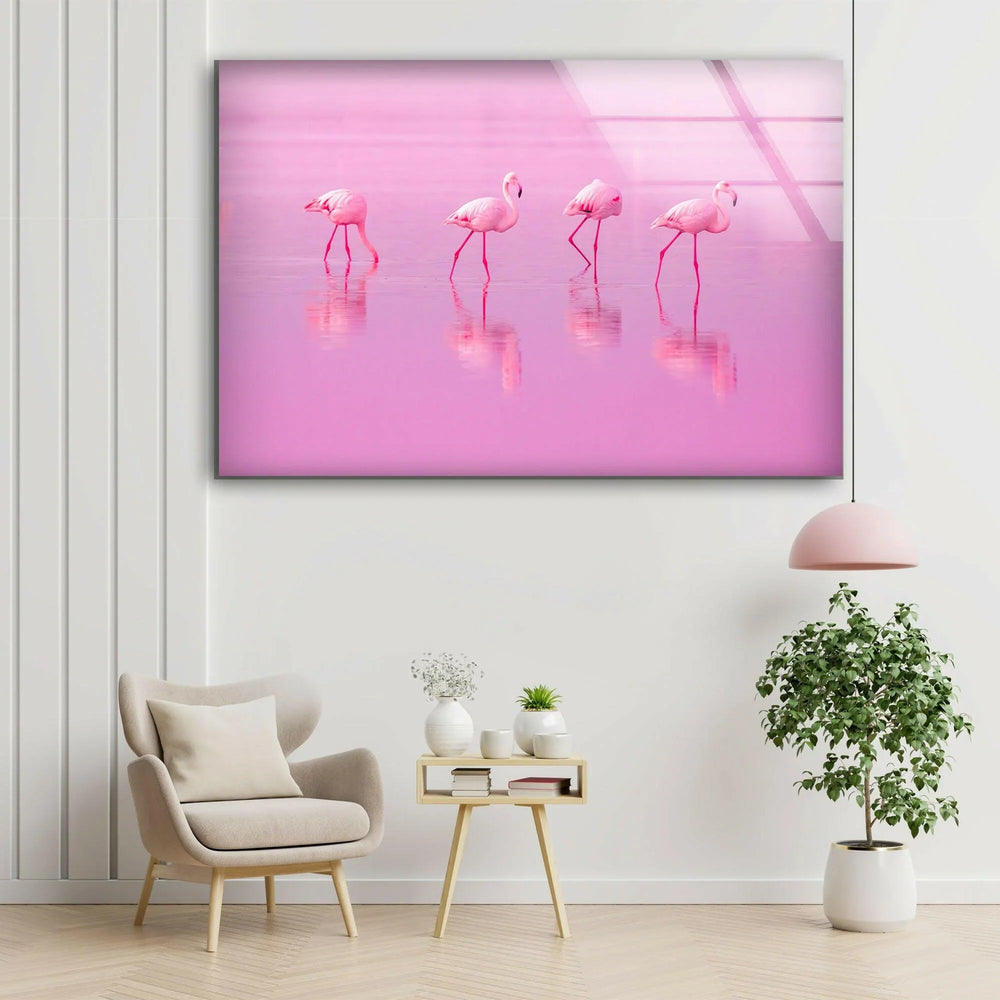
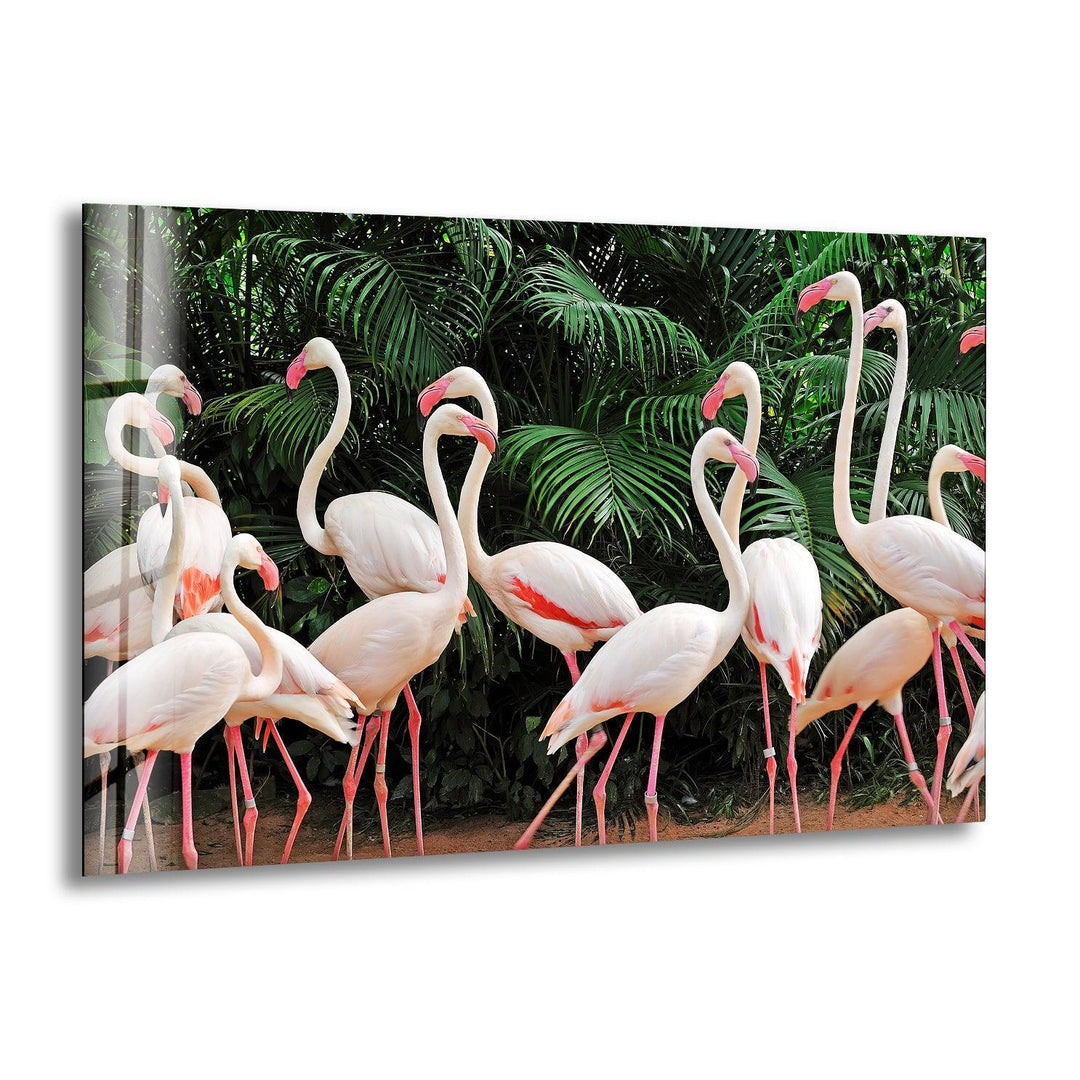
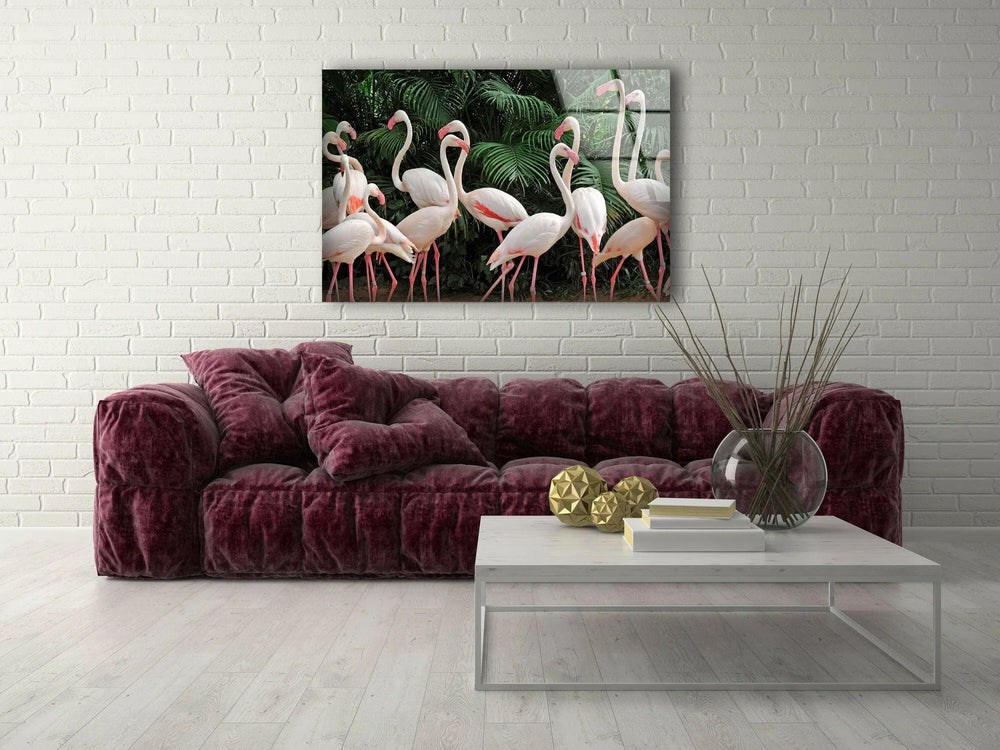
Hängen Sie die Mitte Ihres Kunstwerks exakt 147 cm über dem Boden auf, um die wahrgenommene Größe im Kontrast zu anderen vertikalen Mustern im Raum auszubalancieren. Dieser Wert entspricht der Standardhöhe für die Augenhöhe von Erwachsenen in der Tate Modern. Um das visuelle Gewicht großformatiger botanischer Drucke von Schumacher mit 61 cm (24 Zoll) vertikaler Rapportierung zu verankern, ist dieses exakte Maß erforderlich. Eine durchgängige Horizontlinie verhindert, dass der Blick des Betrachters nach oben zu den umgebenden Blattmotiven schweift. Sie schaffen klare Ordnung. Eine präzise horizontale Ausrichtung ist statisch unerlässlich, wenn ein Flamingo-Druck in viktorianischen britischen Häusern mit asymmetrischen Stuckleisten von Lincrusta angebracht wird. Die starre 147-cm-Mittellinie zwingt den Raum, das Kunstwerk als primären Blickfang wahrzunehmen. Werke wie der/die/das Flamingoschar Glasbilder Verlassen Sie sich auf diese exakte Höhenpositionierung. Das horizontale Panoramaformat im 16:9-Format erfordert eine exakte Schnittlinie auf Augenhöhe, um die weitläufige Bewegung der Watvögel angemessen wiederzugeben.

Abweichungen von der vorgegebenen Höhe von 147 cm führen sofort zu optischen Verzerrungen. Hängen Bilder zu hoch, sodass sie nicht über die Sideboards aus recycelter Eiche von Restoration Hardware passen, wirkt das Kunstwerk vom Mittelpunkt des Raumes getrennt. Dieser Fehler ist in der Montessori-Kinderzimmergestaltung weit verbreitet. Flamingobilder in 170 cm Höhe aufzuhängen, um sie vor den Händen von Kleinkindern zu schützen, erzeugt eine optische Lücke, die die Gemütlichkeit des Raumes beeinträchtigt. Messen und markieren Sie den Mittelpunkt von 147 cm mit einem digitalen Laser-Nivelliergerät von Bosch Quigo, bevor Sie Toggler Snaptoggle Stahldübel für Trockenbauwände verwenden.
Warum Maximalisten weiße Grenzen ablehnen
Durch den Verzicht auf die herkömmliche Schutzmatte kann das Kunstwerk als integraler Bestandteil der Raumarchitektur und nicht als isoliertes Objekt wirken. Von Kelly Wearstler inspirierte hypermaximistische Designer lehnen traditionelle Raumtrennungsmethoden gänzlich ab. Sie argumentieren, dass ein schlanker, 3,8 cm (1,5 Zoll) breiter, schwebender Rahmen von Larson-Juhl die überlegene Gestaltungslösung darstellt, gerade weil er die Isolation aufhebt. Durch die Verwendung einer klar definierten Begrenzung wird das Motiv zu einer direkten Erweiterung der umgebenden tropischen Umgebung. Diese unkonventionelle Perspektive setzt moderne biophile Designprinzipien perfekt um. Sie beweist, dass die wahre visuelle Verankerung vom leuchtenden Pantone-178-C-Farbkontrast des Flamingos selbst und nicht von einem künstlichen weißen Kasten herrührt. Das Kunstwerk nimmt direkt am visuellen Treiben des Raumes teil. Dieser Ansatz ermöglicht eine eindrucksvolle Flamingo-Installation in einem Wohnzimmer, in dem die vollständige thematische Immersion im Vordergrund steht. Designs wie die Flamingo auf dem Wasser Glasbilder Unter dieser spezifischen maximalistischen Ideologie gedeihen sie prächtig. Die raumgreifenden Wasserspiegelungen verschmelzen optisch mit den umgebenden Wandfarben von Farrow & Ball Inchyra Blue und erzeugen so einen kontinuierlichen räumlichen Fluss.

Diese Methodik erfordert sorgfältige geografische Berücksichtigung. Die Gestaltung eines offenen Übergangsraums für ein Kunstprojekt mit australischen Flamingos in Queensland, bei dem das hochgesättigte Glas direkt an die Verkleidung aus Boral-Eukalyptusholz ohne weißes Passepartout angefügt wird, erhält die organische Ästhetik. Galeriehafte Prätentionen werden vollständig vermieden. Das Kunstwerk fügt sich nahtlos in die Umgebung ein. Verwenden Sie einen 3,8 cm breiten Framerica-Schattenfugenrahmen aus amerikanischem Walnussholz, wenn das Gestaltungsziel eher die Einbettung in die Umgebung als die strikte Abgrenzung des Motivs erfordert.
Vermeidung häufiger Installationsfehler
Eine farbliche Anpassung des Rahmens an das Hauptmotiv lässt das Bild flach wirken und zerstört die notwendige räumliche Tiefe. Unerfahrene Dekorateure ruinieren oft die natürliche Farbgebung des Vogels, indem sie beispielsweise ein korallen- oder lachsfarbenes Passepartout von Bainbridge wählen. Dadurch verläuft das Bild direkt in das Rahmenmaterial. Die klare Trennlinie, die das Glas optisch in den Raum hineinragen lässt, geht verloren. Verwenden Sie daher immer ein neutrales, säurefreies Baumwollpassepartout von Strathmore, um eine klare Trennung vom Vordergrund zu gewährleisten. Ein weiterer häufiger Fehler ist die Montage eines flächenbündigen Rahmens auf einer strukturierten Grastapete von Thibaut ohne Einhaltung des vorgeschriebenen Abstands. Ohne diese präzise 6,35 mm (0,25 Zoll) große Vertiefung wirkt das schwere Glas wie ein flacher Vinylaufkleber, der willkürlich auf den Putz geklebt wurde.
Beleuchtungsaspekte verstärken diese grundlegenden Gestaltungsfehler. Direkt auf einen flächenbündig montierten Rahmen treffende Philips Master LEDspot MR16-Lampen werfen ungleichmäßige, zackige Schatten auf die strukturierte botanische Tapete von Osborne & Little. Diese sich kreuzenden Lichtstrahlen irritieren das Auge und beeinträchtigen die klaren geometrischen Linien, die für eine anspruchsvolle Präsentation erforderlich sind. Die Einhaltung des exakten 6,35 mm (0,25 Zoll) großen Einbauabstands gewährleistet eine gleichmäßige Schattenlinie unabhängig von der darüber liegenden Lichtquelle. Für eine präzise Installation befolgen Sie bitte diese bewährte Vorgehensweise:
- Messen Sie den vertikalen Rapport des Tapetenmusters mit einem starren Stahllineal von Starrett.
- Berechnen Sie die Gesamtbreite des gewünschten Rahmenprofils, um sicherzustellen, dass es sich über mindestens zwei vollständige Musteriterationen erstreckt.
- Markieren Sie den exakten Mittelpunkt bei 147 cm auf der Gipswand in der Standardhöhe der Tate Modern Galerie.
- Sichern Sie die Hilti Schwerlast-Kippdübel, um das beträchtliche Gewicht von Glas- und Metallkomponenten zu tragen.
Ob Sie Pilkington Optiwhite-Innenglas oder eine Alupanel-Flamingo-Installation im Außenbereich installieren – die Gesetze der Schattenwirkung und der Proportionen bleiben gleich. Die bauliche Begrenzung des Glases bestimmt die räumliche Präsenz, noch bevor das Vogelmotiv wahrgenommen wird. Dies beweist, dass die präzise Gestaltung des physischen Rahmens das Kunstwerk dauerhaft vor einem visuellen Verlust in komplexen architektonischen Umgebungen schützt. Die anfängliche Wahl des Rahmens entscheidet darüber, ob eine Epson SureColor-Leinwand den Raum dominiert oder sich vollständig dem umgebenden Wandmuster unterordnet. Die genauen Abmessungen finden Sie in der umfassenden Dokumentation. Flamingo-Wandkunst Sammlung zur Finalisierung der Strukturstrategie.