

Warum Ihr Flur ohne Meereswandbilder Stress verursacht
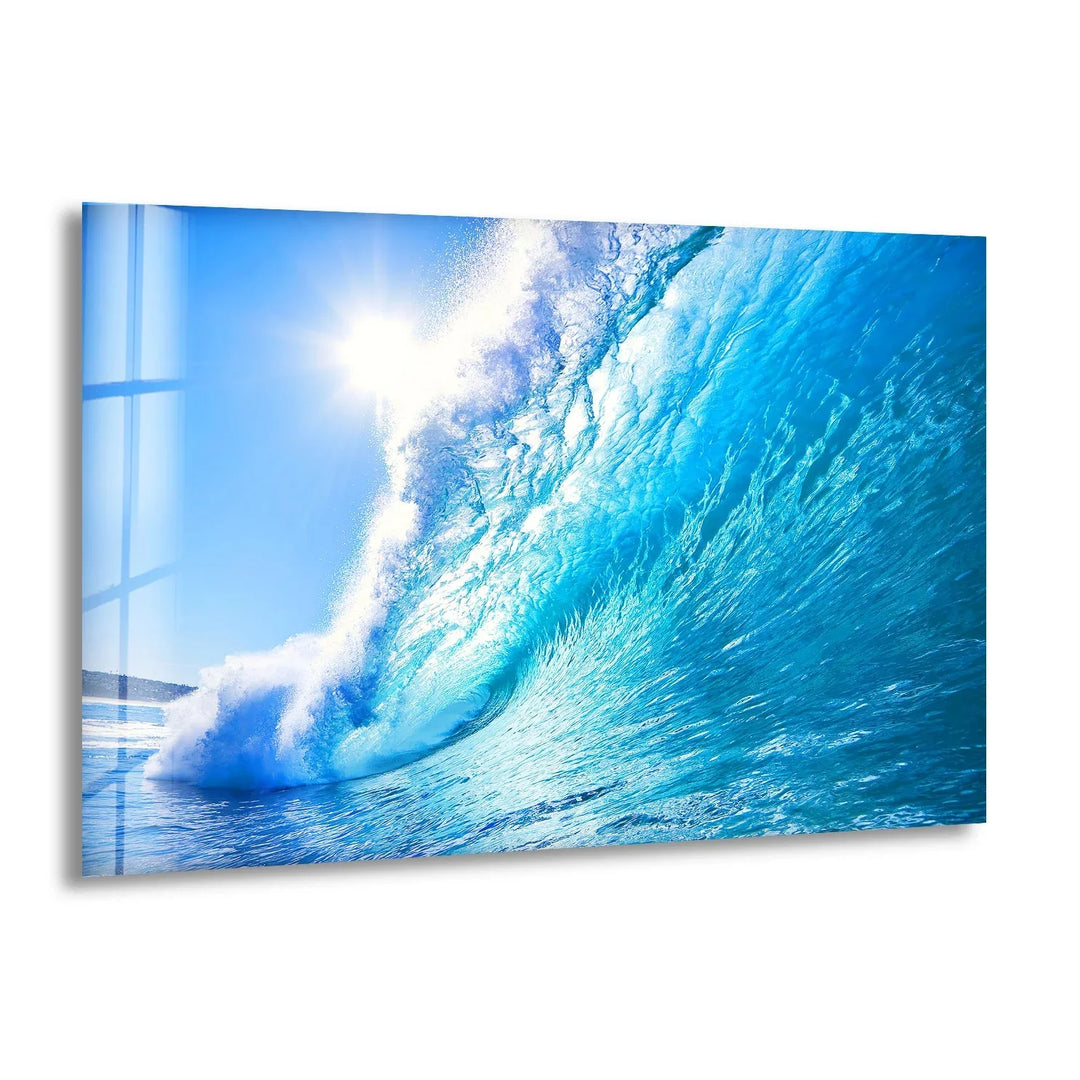
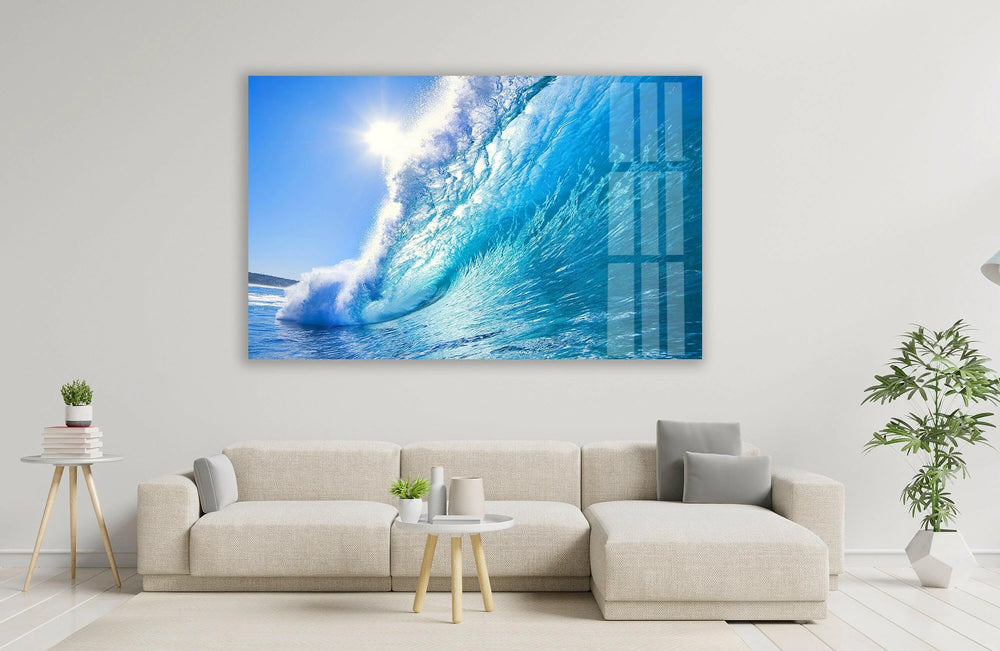
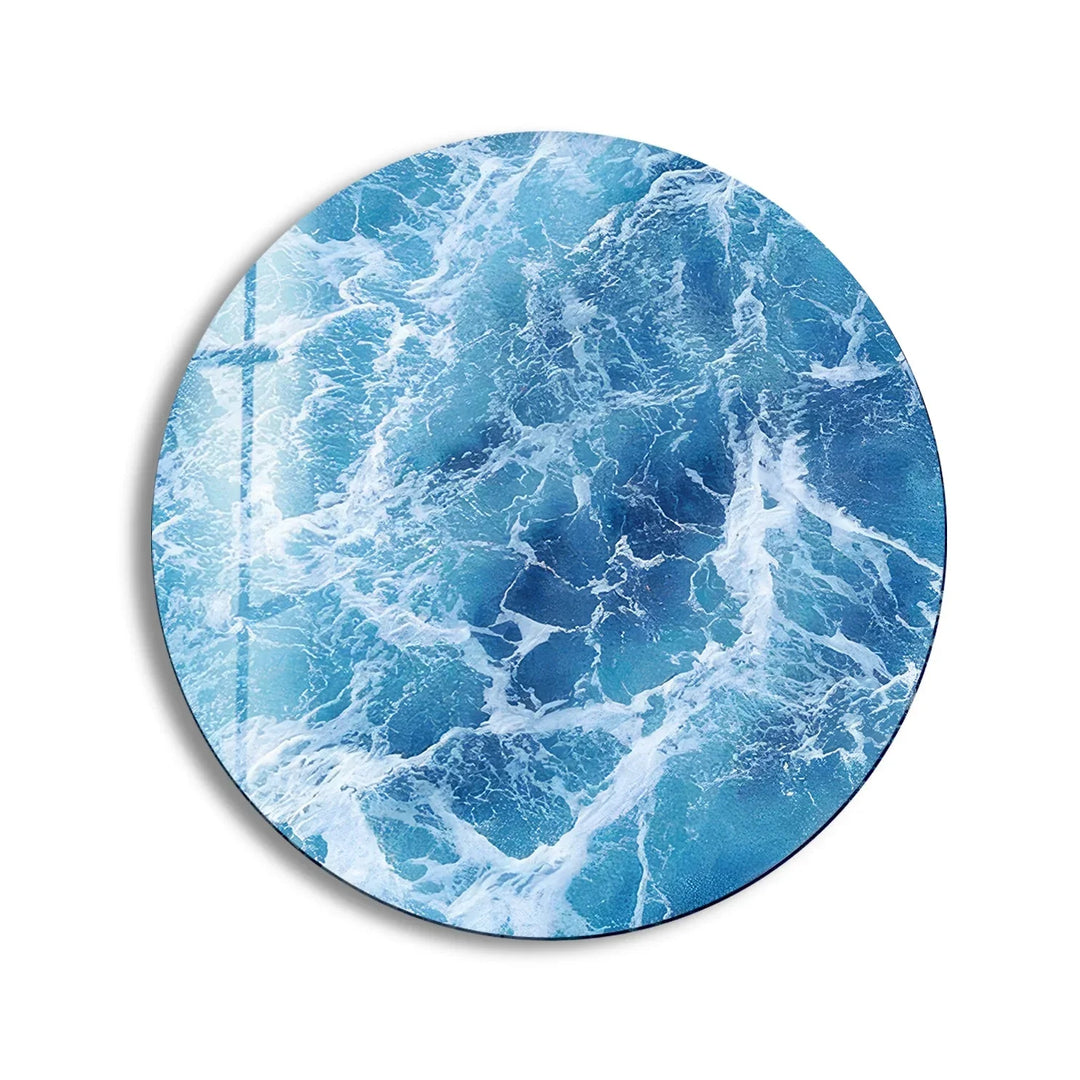
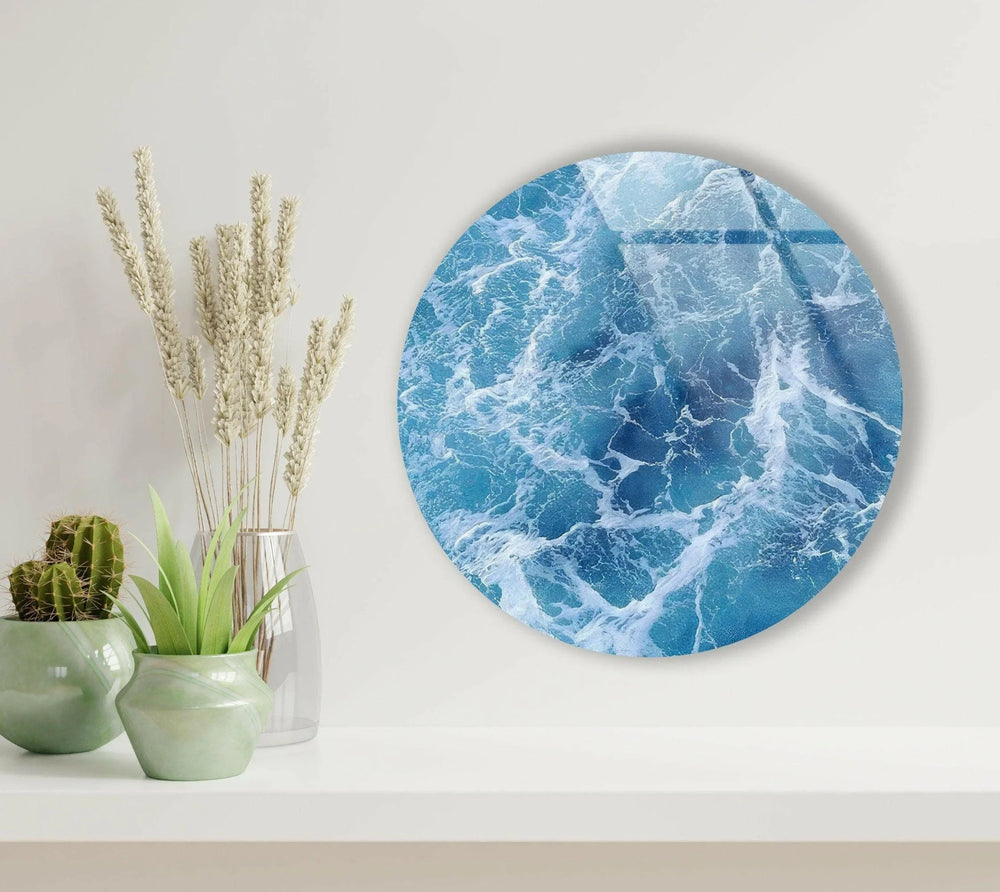
Der Hausflur fungiert als psychologische Schleuse und benötigt daher ein reizarmes, ozeanisches Bildrauschen, um das autonome Nervensystem passiv zu beruhigen und Übergangsängste zu neutralisieren. Wenn Sie diese schmalen Gänge als kognitive Ruhezonen betrachten, verändert sich Ihr gesamtes Betreten des Hauses. Der Übergang von einer energiegeladenen Außenwelt in die Privatsphäre des Wohnraums erfordert echte kognitive Entspannung. Setzen Sie daher auf kontrastarme, ozeanische Bilder, wie beispielsweise eine gedämpfte blaugraue Meereslandschaft im Munsell-10BG-Bereich, gedruckt auf 300 g/m² schwerem Hahnemühle-Baumwollpapier, die die aktive Wahrnehmung vollständig umgehen. Diese Gestaltungswahl dient der biologischen Regulation und nicht nur der Inneneinrichtung. Beginnen Sie, diese neuroästhetischen Prinzipien auf Ihren eigenen Eingangsbereich anzuwenden, indem Sie unser Archiv durchstöbern. Wandkunst mit OzeanmotivDie
Kognitive Erschöpfung erfordert visuelles weißes Rauschen
Kunst in Übergangszonen muss stark entsättigt und für das Bewusstsein nahezu uninteressant sein, um die neurologische Erholung anzuregen. Das Betreten eines Wohnflurs erfordert einen Wechsel von aktiver, analytischer Verarbeitung hin zu passiver Ruhe. Konventionelle Innenarchitektur schreibt vor, dass fensterlose Übergangszonen, wie etwa viktorianische Terrasseneingänge oder moderne Wohnungsvorräume, markante visuelle Blickfänge benötigen. Die Umweltpsychologie behauptet jedoch genau das Gegenteil. Das Betreten einer Wohnung nach einer stressigen Arbeitswoche führt zu kognitiver Ermüdung des präfrontalen Cortex. Kräftige, kontrastreiche Bilder zwingen das Gehirn, komplexe geometrische Daten zu verarbeiten, wie beispielsweise scharfe städtische Architekturraster. Eine minimalistische Ostseelandschaft mit flachem Horizont wirkt hingegen wie visuelles Rauschen. Dieser reizarme Ansatz versetzt das Gehirn sanft in seinen Ruhezustand (Default Mode Network, DMN). Der Geist braucht Ruhe. Ein ozeanisches Gemälde im Format 100 cm x 150 cm entfaltet seine Wirkung, wenn man achtlos daran vorbeigeht. Seine therapeutische Wirkung geschieht völlig unbewusst. Ein Werk wie dieses Mond über dem Ozean Glasbilder verkörpert dieses Prinzip, indem es entsättigtes Mondlicht und weitläufigen Negativraum nutzt, um die aktive geistige Auseinandersetzung zu dämpfen.

Wie die Schwellenwertverlangsamung die Cortisolproduktion senkt
Der Anblick einer Pazifiklandschaft führt zu einer Reduktion zirkulierender Stresshormone wie Cortisol und Adrenalin um 20 bis 30 Prozent. Der Durchgang durch eine häusliche Übergangszone, die von weiten Wasserlandschaften umrahmt wird, dämpft aktiv das autonome Nervensystem. Studien der Umweltpsychologie isolieren wiederholt die präzisen physiologischen Auswirkungen der Bewegung durch einen individuell definierten Eingangsbereich. Das Betreten dieser psychologischen Schleuse – durch visuelles Rauschen des Ozeans als Ausblendung äußerer Reize – löst eine messbare Verringerung der Aktivität der Amygdala bei der Verarbeitung von Bedrohungen aus. Diese neurologische Veränderung deckt sich mit der etablierten Theorie des Meeresbiologen Dr. Wallace J. Nichols, dem sogenannten „Blue Mind“. Nichols stellte fest, dass die Wahrnehmung großer Wasserflächen eine autonome Reaktion auslöst, die ein Gefühl der Sicherheit in der Umgebung signalisiert. Die physiologische Veränderung tritt unmittelbar nach Überschreiten dieser Schwelle ein. Klinische Designstudien bestätigen, dass die Gestaltung des Eingangsbereichs direkt darüber entscheidet, ob der Übergangsstress gemildert oder verstärkt wird. Hängende großformatige Meeresbilder des Great Barrier Reef Leinwanddrucke In diesen Gängen verankert sich der Körper in einem Zustand sanfter Meditation.
Was Horizontlinien dem ängstlichen Gehirn sagen
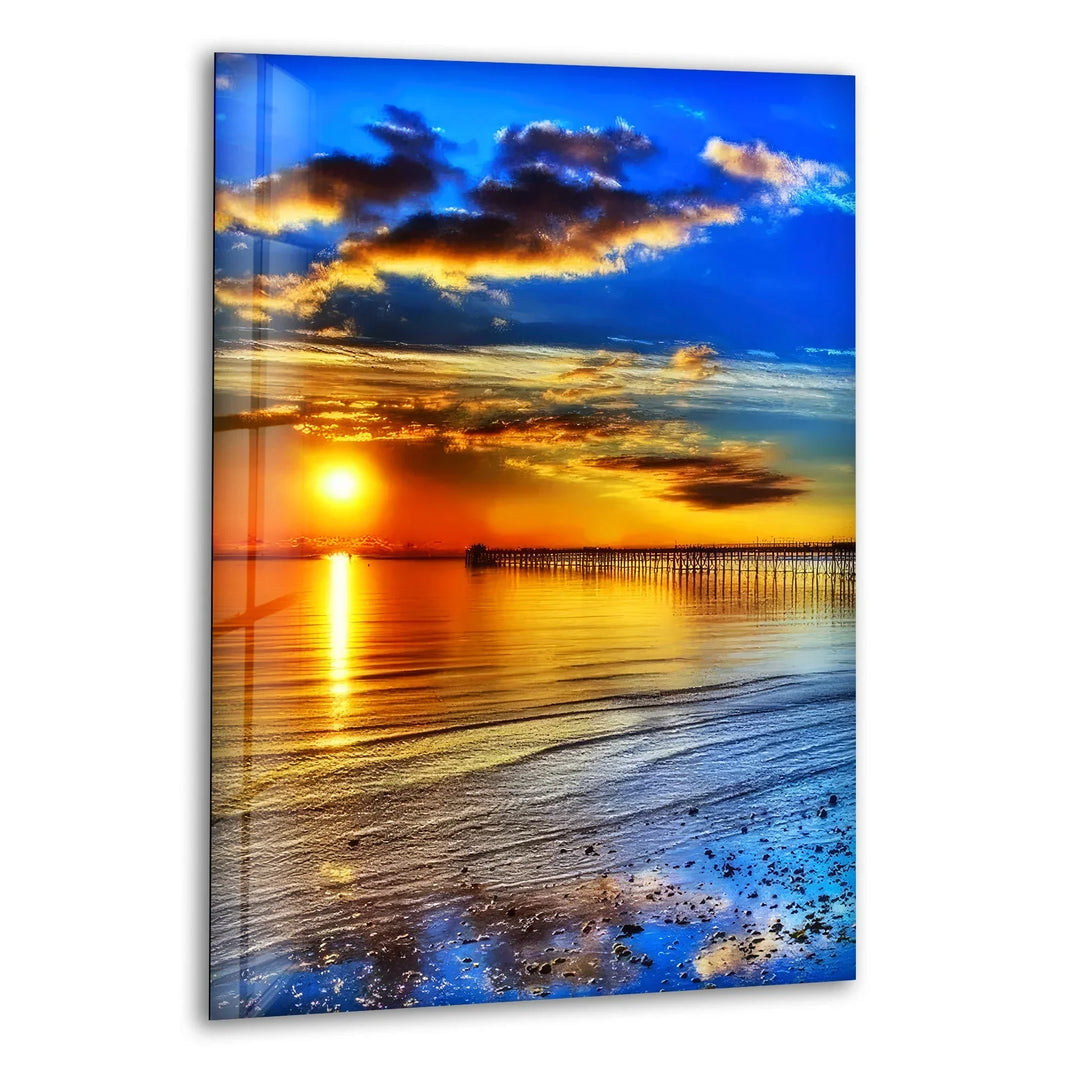
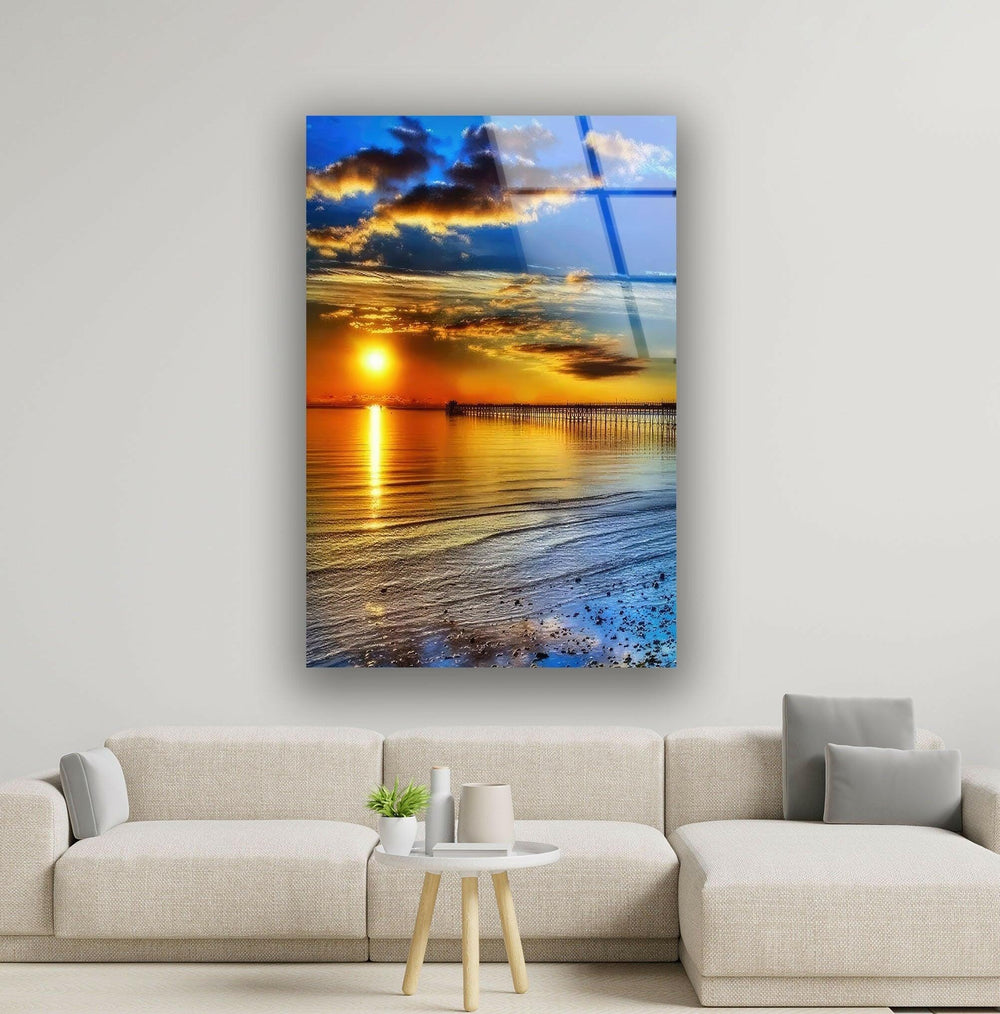
Die Wahl eines Horizont-Himmel-Verhältnisses von 1:2 reduziert die visuelle Reizüberflutung durch die brechende Brandung. Eine niedrige Horizontlinie im unteren Drittel des Bildausschnitts minimiert die kognitive Belastung, indem sie den Blick auf den weiten Himmel lenkt. Hausbesitzer begehen häufig den Fehler, dramatische, kontrastreiche Fotos von Surfern am Bondi Beach in engen Wohnräumen zu platzieren. Bilder mit turbulenten Wellenmustern oder reflektierendem Sand im Vordergrund üben eine starke Faszination aus und regen die analytische Verarbeitung genau dann an, wenn das parasympathische Nervensystem Entspannung sucht. Die Landschaftsmalerin und Kompositionstheoretikerin Louise Balaam bemerkt, dass ein niedriger Horizont den Blick auf den weiten Himmel freigibt und so Offenheit und Transzendenz vermittelt. Diese Kompositionsstruktur erzeugt eine sanfte Faszination und erweitert den schmalen Grundriss eines Flurs durch psychologische Tiefe. Tropisches Meereshorizont-Wandbild: Lebendiger Sonnenuntergang am Meer (Glasdruck) für moderne Interieurs demonstriert diesen Mechanismus genau. Der niedrige Horizont verankert den Betrachter in einer stabilen horizontalen Ebene und lenkt die gewaltigen atmosphärischen Gradienten in den oberen Bildbereich, um räumliche Enge zu vermeiden. Horizontale Meereslandschaften passen ideal in jeden architektonischen Korridor mit einer Breite von weniger als 120 Zentimetern, um ein Gefühl der Beklemmung zu verhindern.

Galeriestandards verhindern physiologische Belastung
Die exakte Anbringung von Kunstwerken im 145-Zentimeter-Standard der Tate Modern Galerie gewährleistet, dass der Horizont stets im zentralen Sichtfeld liegt. Beim Durchqueren eines Flurs ist der Betrachter ständig in Bewegung. Innenarchitekten verkennen häufig die räumliche Dynamik, indem sie Rahmen an den hohen, 210 cm hohen Türrahmen oder an der darüberliegenden, gerichteten Schienenbeleuchtung ausrichten. Eine solche strukturelle Ausrichtung erzwingt eine leichte Neigung des Kopfes nach oben und führt zu Mikroverspannungen in der Halswirbelsäule und den Augenmuskeln. Der internationale Ausstellungsstandard schreibt vor, den vertikalen Mittelpunkt einer gerahmten Leinwand exakt 145 Zentimeter über dem Eichenparkett zu verankern. Dieses Maß entspricht der durchschnittlichen Augenhöhe eines erwachsenen Menschen im Stehen. Die Fixierung der Horizontlinie auf dieser Höhe bietet einen durchgängigen visuellen Ankerpunkt während des Durchgangs. Fließende Sichtlinien gewährleisten eine passive Auseinandersetzung mit dem Bild und verhindern die Unterbrechung des natürlichen Bewegungsflusses. Stücke wie die Stand-Up-Paddler in Clear Waters – Luftaufnahme Glasbilder Verlassen Sie sich auf diese präzise Positionierung. Eine Vogelperspektive erfordert den direkten Blick in die azurblaue Tiefe – eine Illusion, die völlig zerstört wird, wenn das Teleskop höher als die übliche Sichtlinie eines Erwachsenen angebracht ist.

Blendungsermüdung durch Materialwissenschaft beheben
Die Verwendung einer matten Archivierungsoberfläche verhindert, dass grelles Deckenlicht kognitiv anstrengende Reflexionen erzeugt. In Wohnfluren sind aufgrund fehlender Fensterflächen häufig GU10-Deckenleuchten oder Halogenstrahler zum Einsatz. Hochglänzendes Fotopapier oder Standard-Silikatglas, das unter diesen intensiven Lichtkegeln angebracht wird, erzeugen scharfe Blendflecken. Streulichtbrechung führt zu sofortiger visueller Ermüdung und reißt den Betrachter abrupt aus dem meditativen Zustand. Abhilfe schaffen Epson-Giclée-Drucke auf 300 g/m² Hahnemühle-Baumwollpapier oder Tru Vue Optium Museum Acrylglas. Diese Materialien absorbieren Fremdlicht, anstatt es auf die Hornhaut zu reflektieren. Die Vermeidung von Blendung gewährleistet den ungestörten Sehfluss, der für tiefe Entspannung notwendig ist. Schwarz-Weiß-Fotografien von Küstenmotiven auf mattem Aluminium-Dibond eliminieren die Ablenkung durch chromatische Aberration vollständig. Der Meerjungfrau Tropisch Glasbilder Durch den Einsatz spezieller optischer Diffusionsmaterialien werden starke Oberflächenreflexionen vermieden, sodass die sanften aquatischen Blautöne auch bei direkter Scheinwerferbeleuchtung ihre Integrität behalten.

Die Architektur der Dekompression überdenken
Indem man den Wohnflur als funktionale psychologische Schleuse und nicht als leere Galerie betrachtet, priorisiert man die Regulierung des autonomen Nervensystems gegenüber ästhetischer Ablenkung. Die Nutzung von Fluren als kognitive Ruhezonen erfordert die Priorisierung von reizarmen, dezenten Meeresmotiven, die sanft in den Hintergrund treten. Luxushotels wie Aman Resorts haben das Konzept der Übergangszone bereits vor Jahrzehnten perfektioniert und nutzen in ihren Eingangshallen zurückhaltende maritime Bilder, um einen sofortigen Wechsel des limbischen Systems von öffentlichem Chaos zu privater Ruhe zu signalisieren. Um diesen spezifischen psychologischen Mechanismus in ein privates Zuhause zu übertragen, muss man dem Drang widerstehen, jeden Quadratmeter mit anspruchsvollen Motiven zu dekorieren. Während großflächige Meeresdrucke traditionell in repräsentativen Wohnräumen zu finden sind, erfüllen sie in der Übergangszone eine höhere biologische Funktion. Die Anwendung dieser Prinzipien des visuellen Rauschens zur Gestaltung zukünftiger Entspannungszonen garantiert, dass Ihr Flur Übergangsängste neutralisiert, noch bevor Sie das Wohnzimmer erreichen. Die Anwendung dieser Prinzipien in Montessori-Kindergärten führt zu identischen beruhigenden Ergebnissen, doch der Eingangsbereich bleibt die wichtigste Durchgangszone für Erwachsene. Ob Sie nun tasmanische Fotografien oder australische Küstenkollektionen betrachten – das Erfolgskriterium ist dasselbe. Die unterschwellige Wirkung des ozeanischen visuellen Rauschens neutralisiert Übergangsstress gerade deshalb, weil es dem Betrachter nichts abverlangt. Beginnen Sie mit der Gestaltung Ihrer eigenen Entspannungszonen, indem Sie unsere dezente, umfangreiche Sammlung entdecken. Wandkunst mit OzeanmotivDie