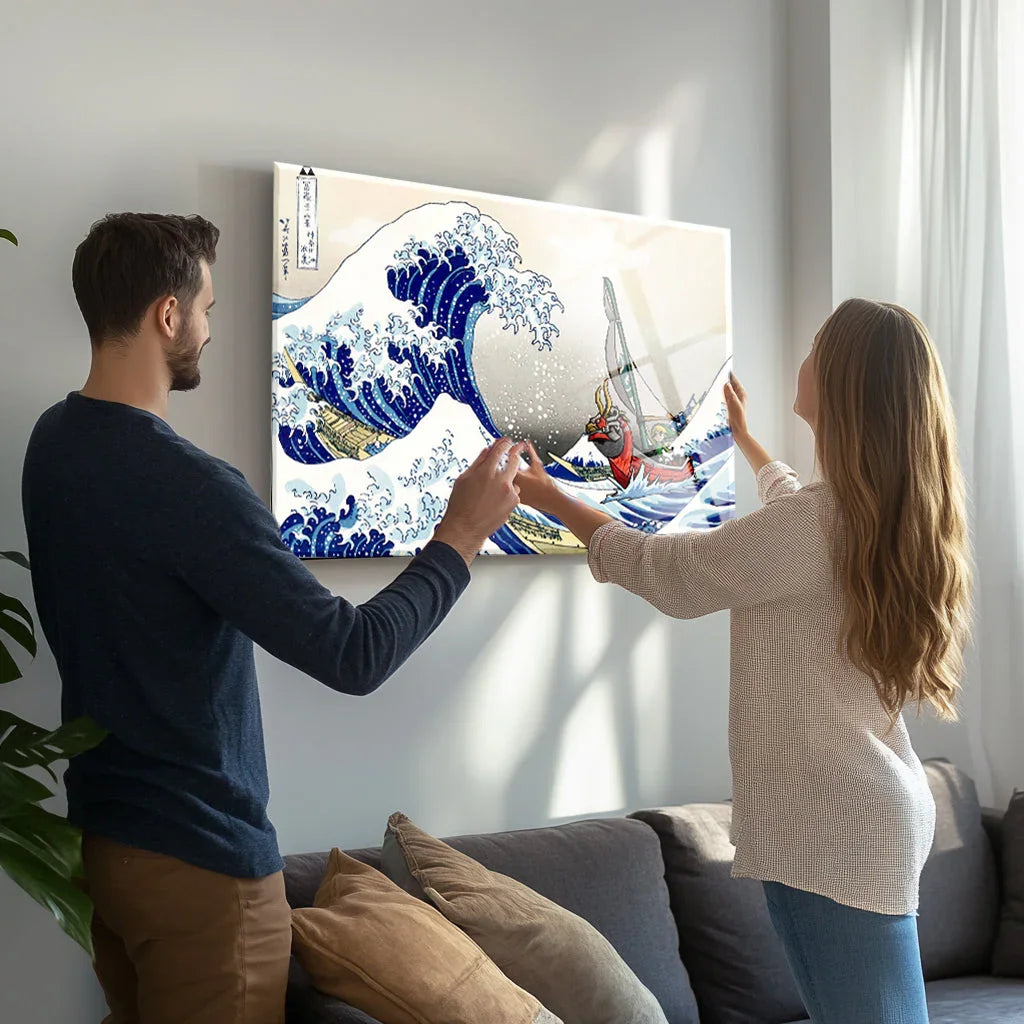


Frame Selection for Albert Koetsier Glass Wall Art
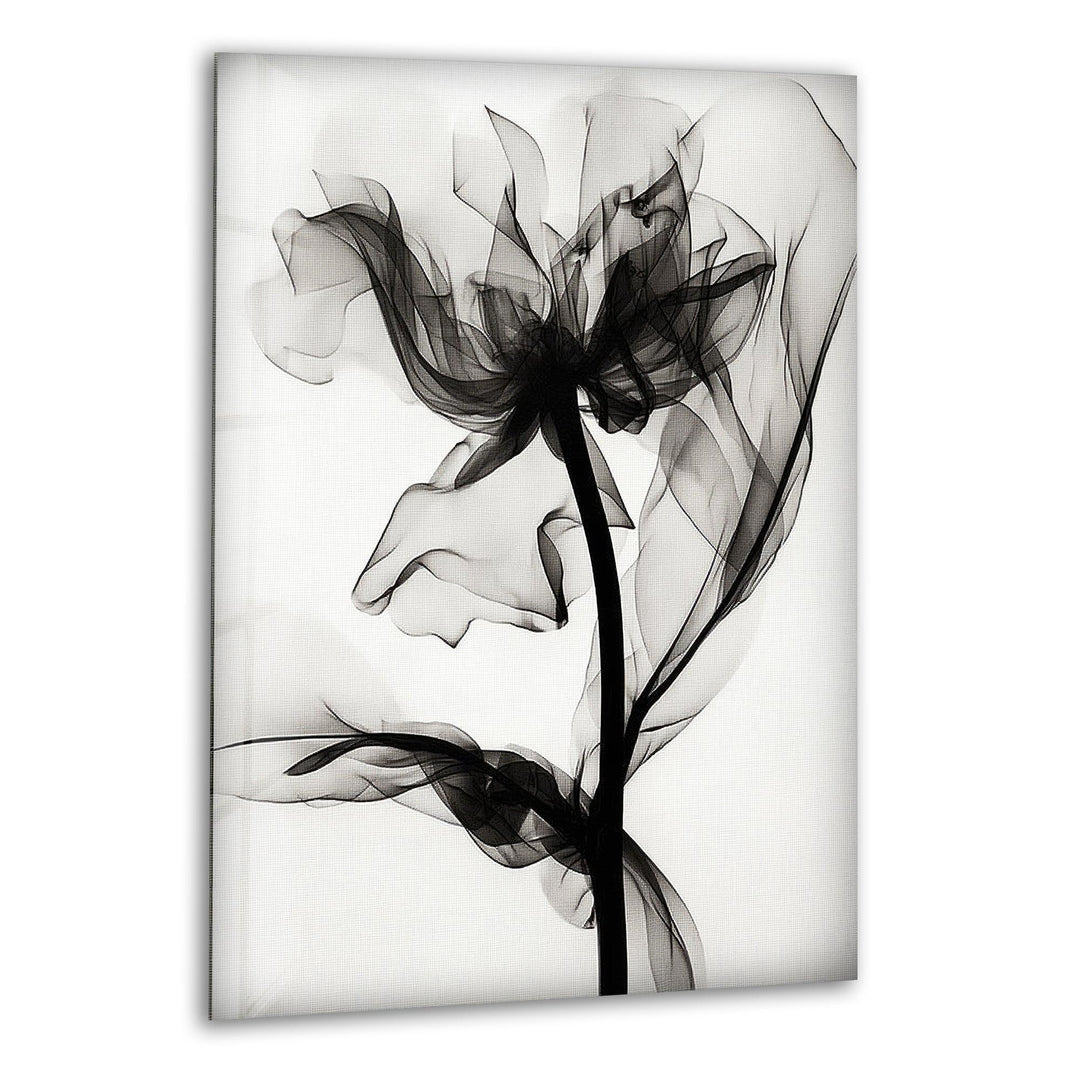
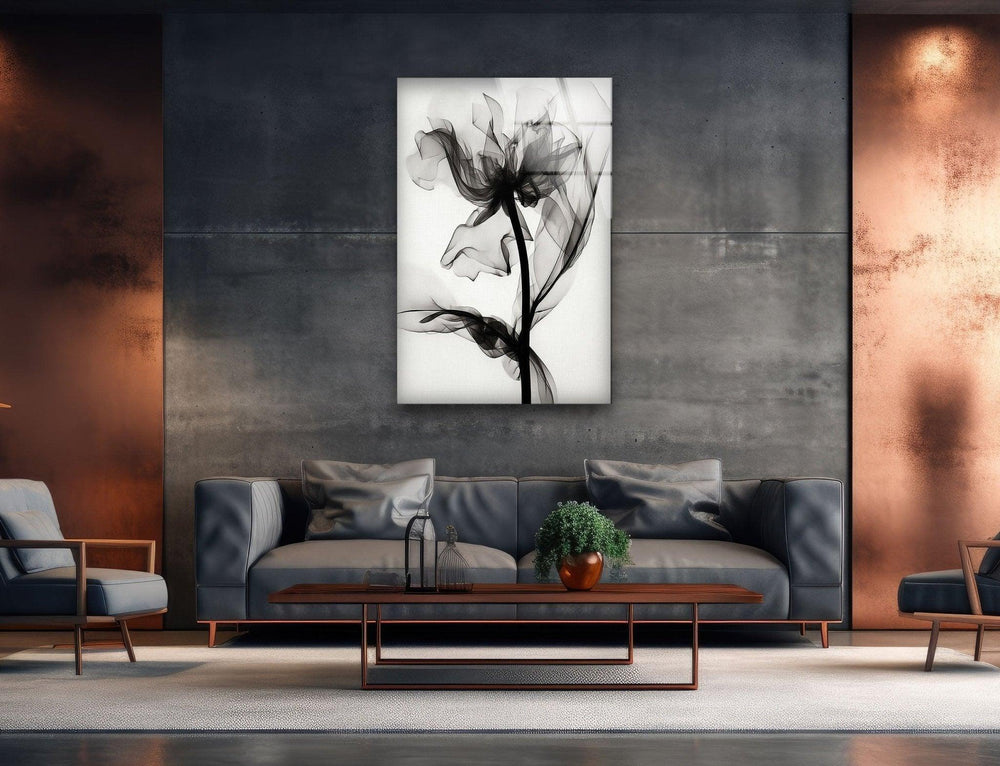
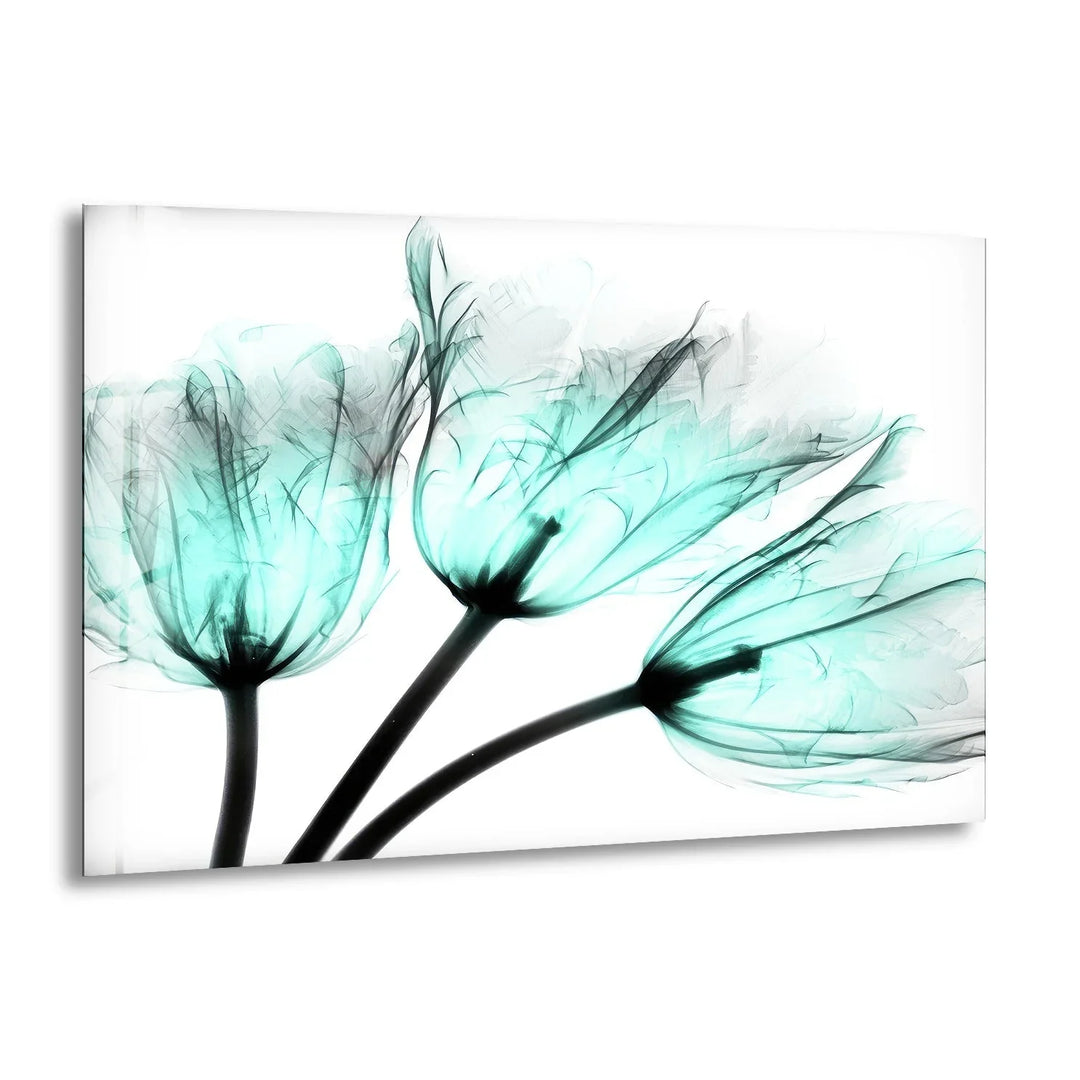
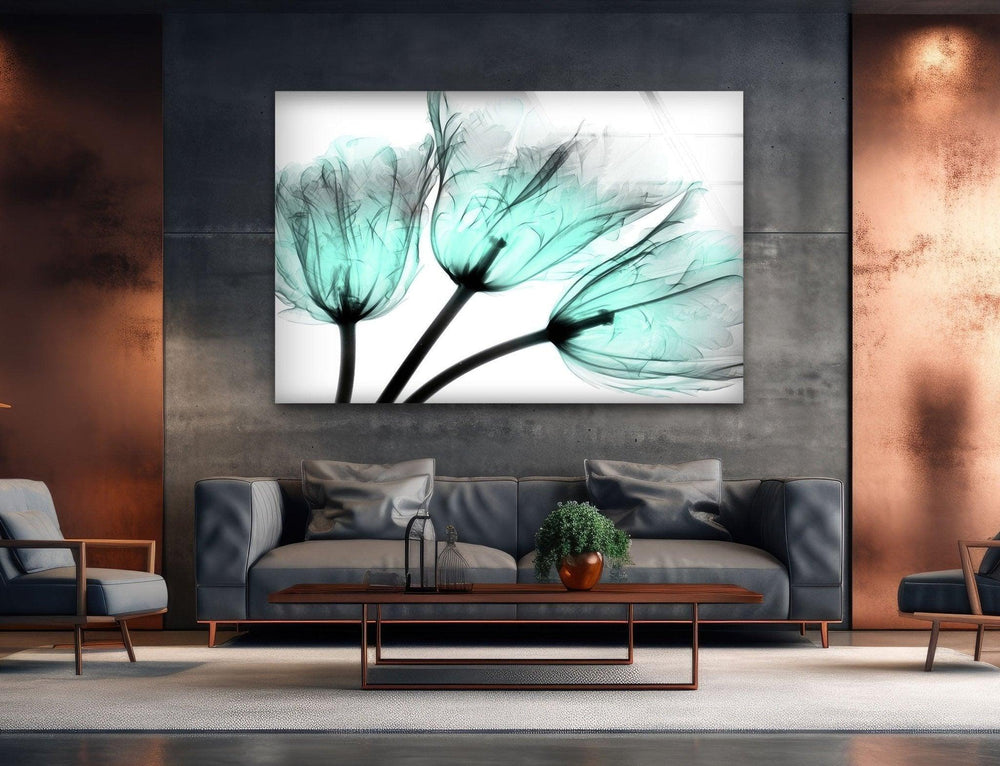
Proper presentation of pieces from the Albert Koetsier tempered glass wall art collection requires abandoning the frameless trend to maintain structural clarity after dark. Conventional gallery wisdom insists that frameless mounting provides the purest display for minimalist works, but this approach actively destroys the legibility of translucent botanical prints when ambient daylight fades. A 5mm matte black metal float frame prevents this peripheral light bleed. It acts as an optical boundary that intensifies internal luminosity as evening shadows lengthen. Frameless standoff mounts without an edge enclosure suffer a 14 percent loss in visual contrast along print boundaries because stray light escapes. In dim conditions, high-grade PMMA cast acrylic retains a 92 percent light transmittance rate. You stand in a quiet gallery corner near closing time, capturing photographs of high-key botanical pieces on your Apple iPhone 15 Pro. Capturing the way fading light interacts with exposed polished acrylic edges becomes your only goal. The faint hum of ERCO 3000K gallery track lighting dies down as dusk settles.
Controlling Aperture Replaces Standoff Hardware
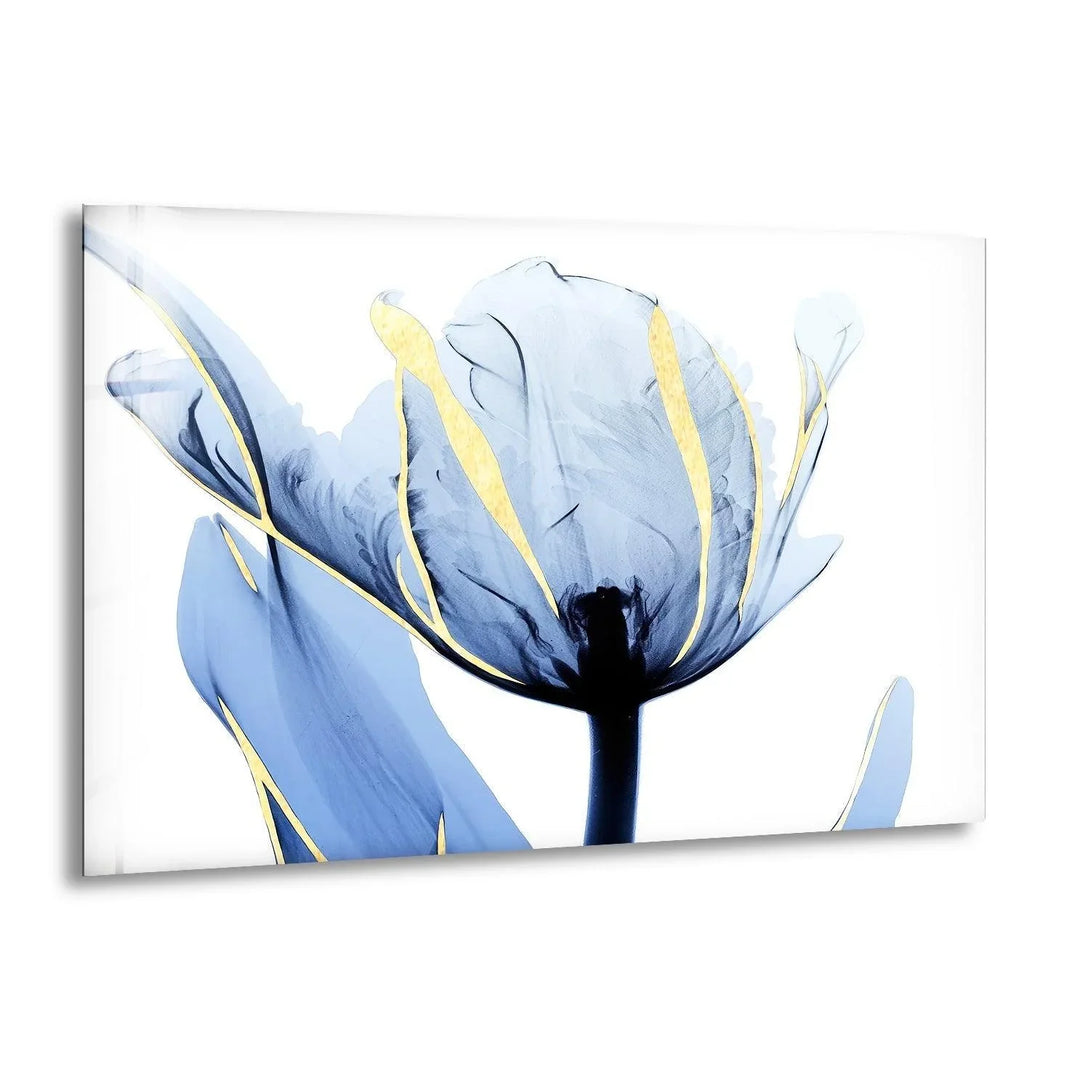
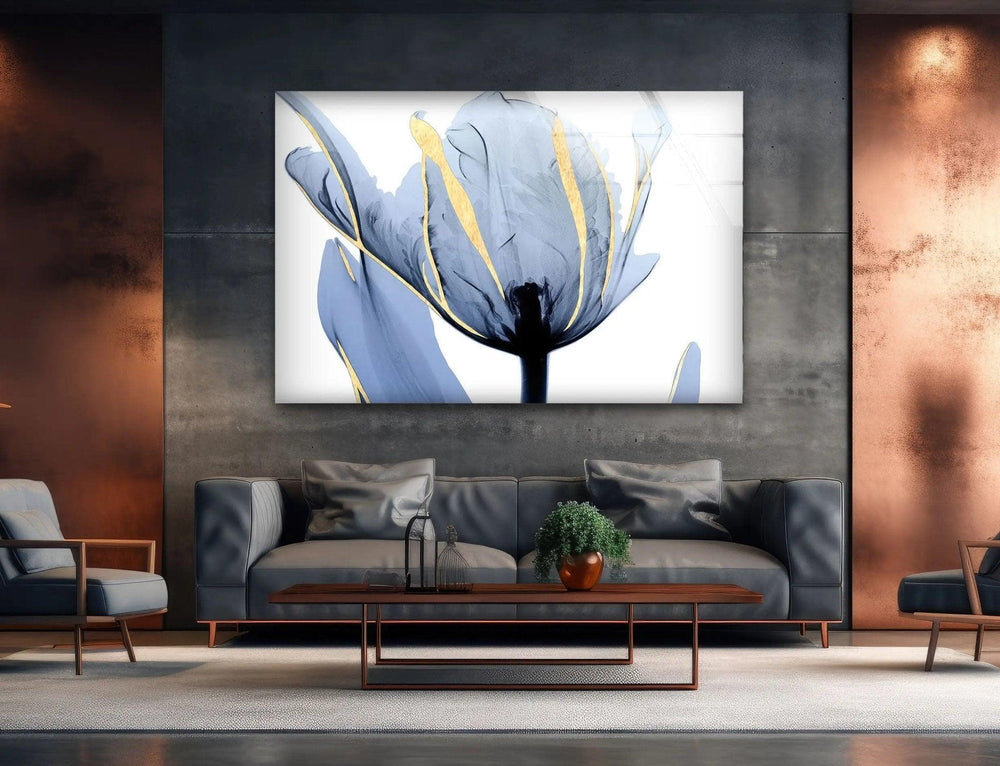
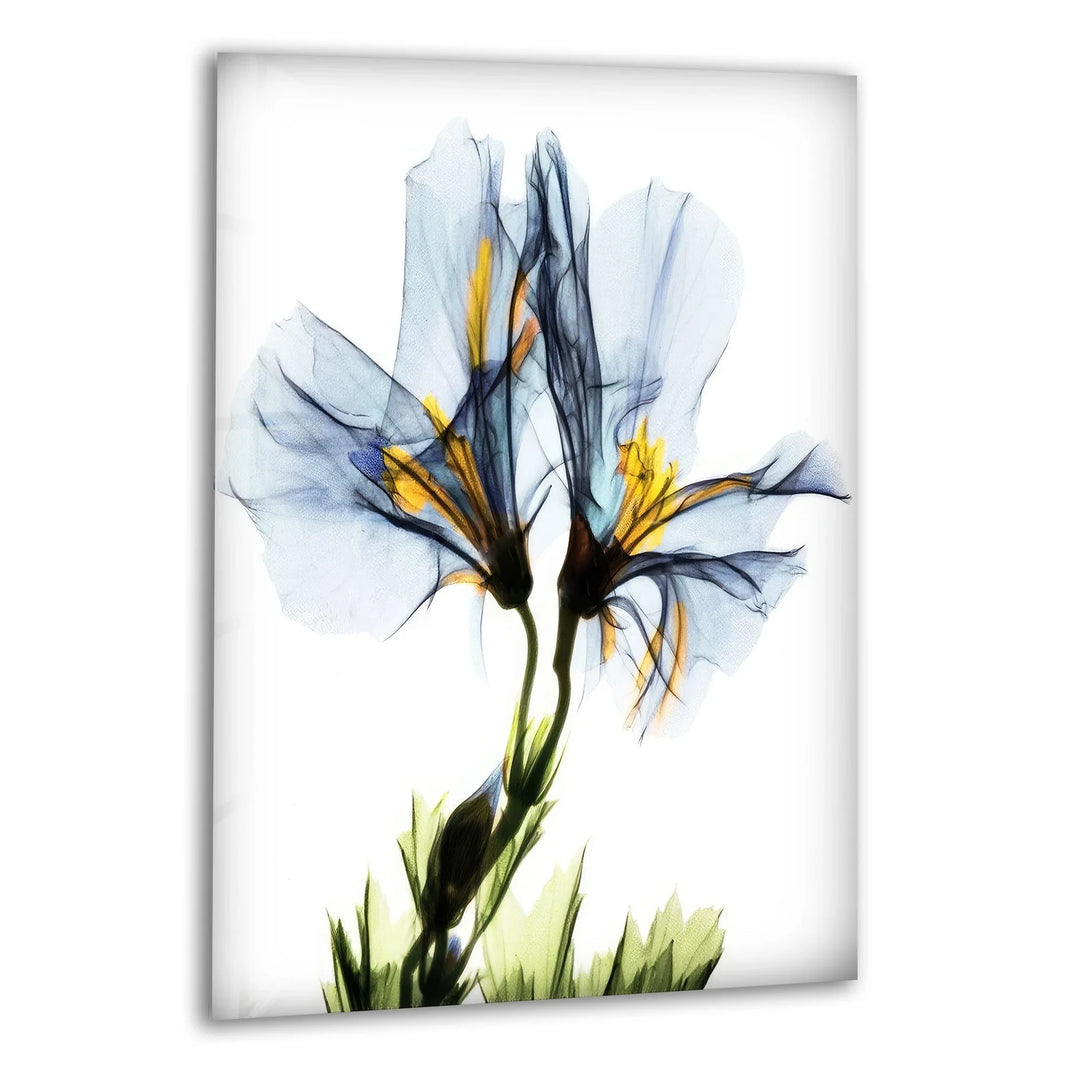
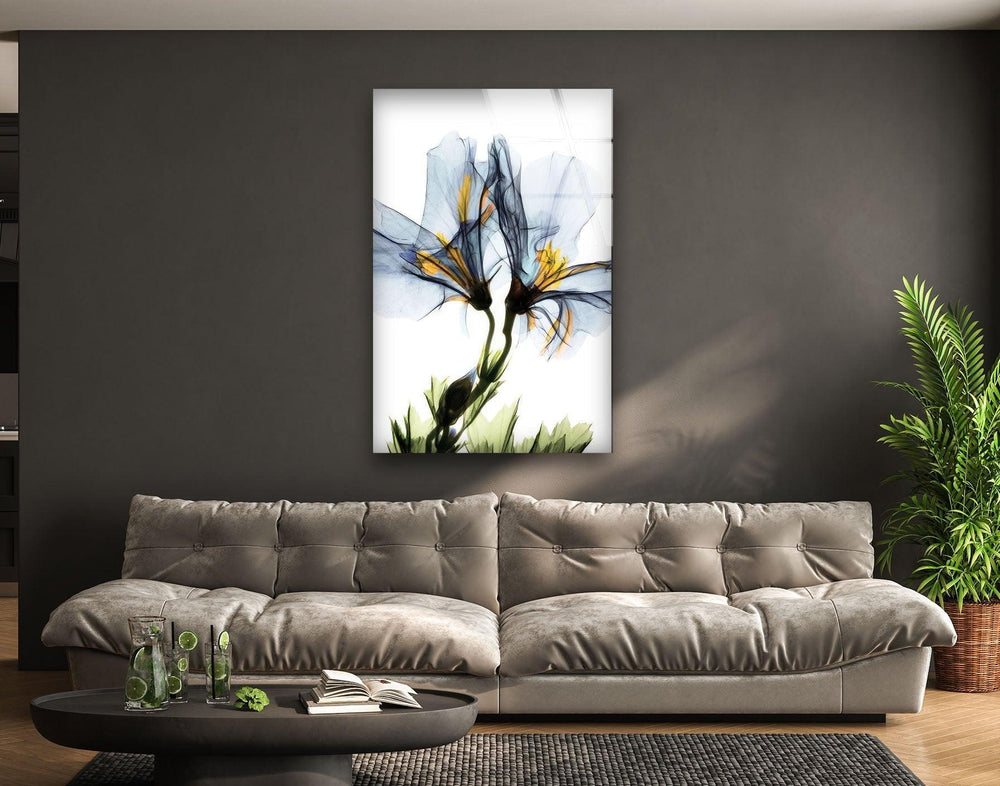
An anodized aluminum float profile functions as a mechanical aperture that directs your focus inward while eliminating distracting wall glare. You order a custom 6.35mm face-width matte black metal float frame with a 3.175mm internal shadow channel between the frame wall and the PMMA acrylic print edge. This precise spacing creates a clean shadow line. It optically anchors translucent prints against organic biophilic textures like Venetian lime plaster or untreated light white oak panelling without clipping the image. The cold touch of matte black metal contrasts sharply against the delicate veins of a photographed leaf. Visual perception studies consistently show that frameless stainless steel standoff displays cause viewers to spend a significant portion of initial fixation time focused on the shiny corner mounting barrels. Adding the dark metal float frame prevents the 14 percent peripheral light bleed seen in frameless designs, redirecting visual focus directly onto the vascular structures of translucent botanical X-rays within the first 2.5 seconds of viewing. The Albert Koetsier Blue Geranium Glass Wall Art benefits immensely from this boundary isolation. Cool cyan pigments of the geranium petals command attention precisely because desaturated blue-green tones in the Munsell 10BG range are psychologically associated with parasympathetic nervous system activation, lowering your resting heart rate to 60 beats per minute in a shadowed room.

The Role of Recessed Depth in Substrate Luminescence
Mounting translucent PMMA cast acrylic prints with a recessed air gap preserves their ethereal glow by allowing trapped room light to bounce through the back of the substrate. Placing these pieces directly flush against USG Sheetrock drywall blocks light from entering the back. Without space for ambient room light to penetrate, radiographic botanical X-rays render flat and heavy. Utilizing a T-bar inset French cleat sub-frame behind a 3mm non-glare PMMA sheet creates a precise 20mm clearance gap between the translucent sheet and the wall surface. You hang the center of the framed artwork at exactly 145 cm from the finished floor level, matching the standard adult visual ergonomic height. The faint amber glow of a WAC Lighting ceiling track fixture catches the frosted texture of TruVue Museum Acrylic. Setting ceiling track lights at a 30-degree beam angle offset 90 cm back from the wall surface preserves internal light transmittance through delicate floral structures. It pushes specular reflectance below 1.5 percent.
High-key photographic prints featuring extensive white and translucent mid-tones depend heavily on perimeter isolation via a 5mm matte black metal float frame to stop subtle tonal shifts from dissolving into neutral Benjamin Moore Chantilly Lace wall plaster as evening approaches.
Consider the skeletal structure within the Albert Koetsier Dry Embrace 1 Glass Wall Art for this specific T-bar mounting application. The stark white geometry of dried stems relies on this spatial 20mm air gap to cast faint, overlapping shadows against the wall cavity behind it. This creates a layered three-dimensional effect that a flush mount flattens entirely.

Why Minimalist Mounting Creates Clutter
Frameless standoff caps generate chaotic focal points that disrupt the visual calm required for successful biophilic interior architecture. Conventional interior design magazines claim grade-304 stainless steel standoff mounts provide weightless aesthetics for modern residential spaces. The opposite holds true for radiographic botanical prints. Standoff hardware introduces four intrusive metallic anchor points, visible screw caps, and cast shadows along the wall gap. These elements draw the human eye away from organic subjects. An ultra-thin 5mm black metal float frame delivers greater perceived transparency and spatial calm. The sharp metallic glint of a steel standoff cap catching an errant streetlamp beam ruins the viewing experience. By bounding the print edge cleanly, the custom float profile exploits the human eye visual contrast threshold. It isolates delicate silver-halide tones from wall texture noise. Buyers seeking local glass wall art installations overlook how mounting hardware choices dictate visual processing speed. The true cost of art glass goes beyond retail pricing to include the cognitive load of viewing poorly mounted PMMA acrylic pieces. Investing in premium art glass requires the proper aluminum float frame to justify the acquisition cost. The structural legibility falls apart at night if peripheral edges are left exposed. Examining the Albert Koetsier Purple Tulips Glass Wall Art proves this concept. Deep violet saturation (Munsell 5P 3/10) in the tulip heads requires a dark perimeter line to anchor their visual weight against Sherwin-Williams Pure White drywall. This anodized aluminum barrier prevents the rich purple dyes from bleeding into the shadows of the surrounding living room.

Thoughtful frame selection represents a deliberate tool for light capture rather than just a decorative border. The dark matte metal boundary actively blocks the 14 percent peripheral light bleed that degrades unframed prints, preventing optical dissolution as dusk settles and shadows stretch across polished Brazilian cherry hardwood floors. This guarantees your translucent botanical art maintains its structural clarity and ethereal luminescence during crucial evening viewing hours. You must rely on precise 3.175mm shadow gaps and mechanical anodized aluminum isolation to maintain the delicate vascular tension of radiographic prints long after the ERCO gallery lights power down. Designing with these biophilic visuals requires absolute control over ambient edge bleed to preserve the structural integrity of the botanical form. Understanding the specific 5mm float framing requirements for these nocturnal visual mechanics ensures lasting architectural impact when incorporating pieces from the Albert Koetsier wall art collection into a modern residential lighting plan.