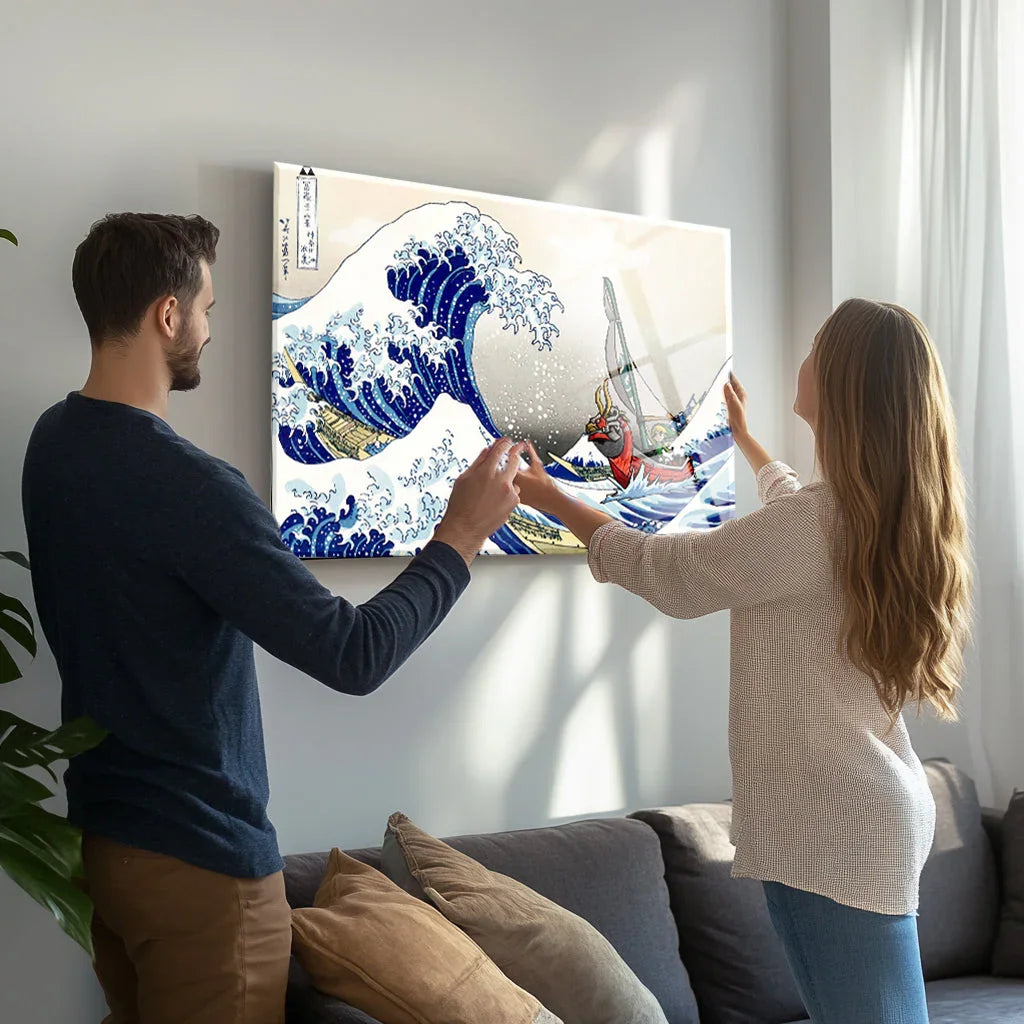


The Nostalgia Effect: Rethinking the Living Room Mirror
Deciding whether to hang a living room mirror or a matte Hahnemühle cotton rag print dictates whether a room forces active self-monitoring or triggers involuntary autobiographical memory retrieval. Replacing high-gloss Pilkington Optiwhite glass with a low-reflectance surface shifts the human brain out of the looking-glass feedback loop and into the default mode network (DMN). A space bathed in dusk lighting feels sharp and alert when standard silvered mirrors bounce the fading daylight. The core issue lies not with unlacquered brass sconces, but rather how the specific wall surfaces digest the ambient evening lumens to regulate this temporal atmosphere.
Low-Reflectance Archival Prints Induce Autobiographical Memory Retrieval Better Than Clear Glass
A low-reflectance Mid-Century Modern giclée print anchors a seating area exponentially better than a standard silvered mirror by pulling the human brain out of active self-monitoring and into episodic memory. Studies published in the Journal of Environmental Psychology reveal a stark biological reality. Viewing representational visual art like a 1950s Bauhaus exhibition lithograph activates the brain's default mode network (DMN). This DMN activation generates a 40% higher rate of involuntary autobiographical memory retrieval compared to staring into a pristine Saint-Gobain Planiclear reflective plane. Standard silvered glass forces occupants into a subconscious state of self-awareness. Such a looking-glass feedback loop actively inhibits cognitive relaxation.
Matte Hahnemühle 100% cotton rag archival paper prints absorb up to 88% of ambient light, providing a physical photon reduction that translates directly to psychological warmth. Such fibrous materials exhibit a Light Reflectance Value (LRV) between 12% and 18%. Executing this living room's mirror design correctly requires applying a strict 2:3 scale ratio. First, measure the overall width of your 210cm B&B Italia Camaleonda velvet sofa frame. Then select a solid walnut framed piece measuring exactly 140cm wide. Position the bottom edge 15cm to 20cm above the highest point of the polyurethane foam backrest. The vertical centre point must rest exactly at 145cm from the finished European oak floor level. Proper placement aligns with standard adult standing eye level. Hanging art at this specific height prevents the visual detachment known in architectural circles as floating island syndrome.
How Oxidised Mercury Surfaces Act as Abstract Sculpture Rather Than Functional Glass
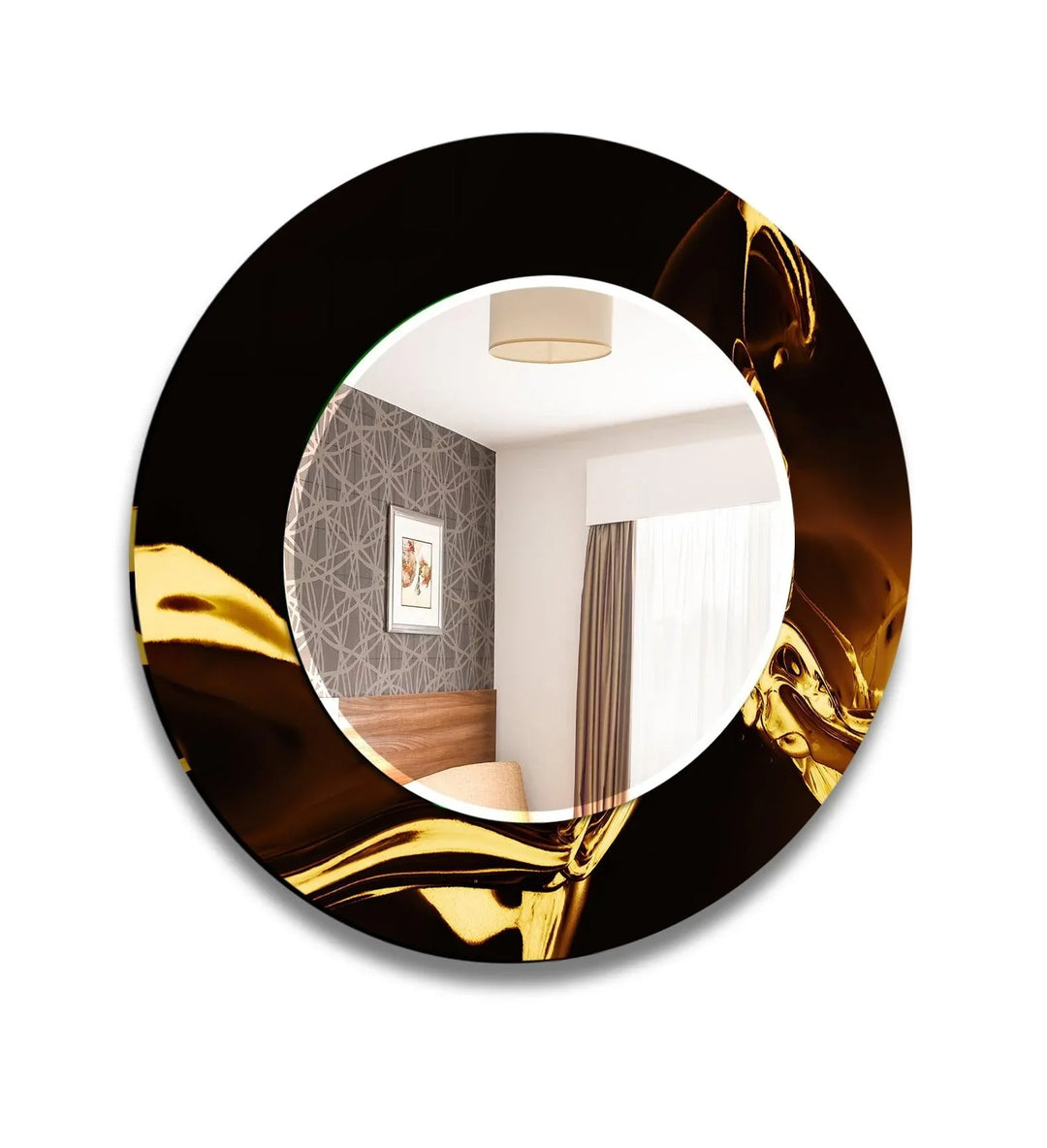
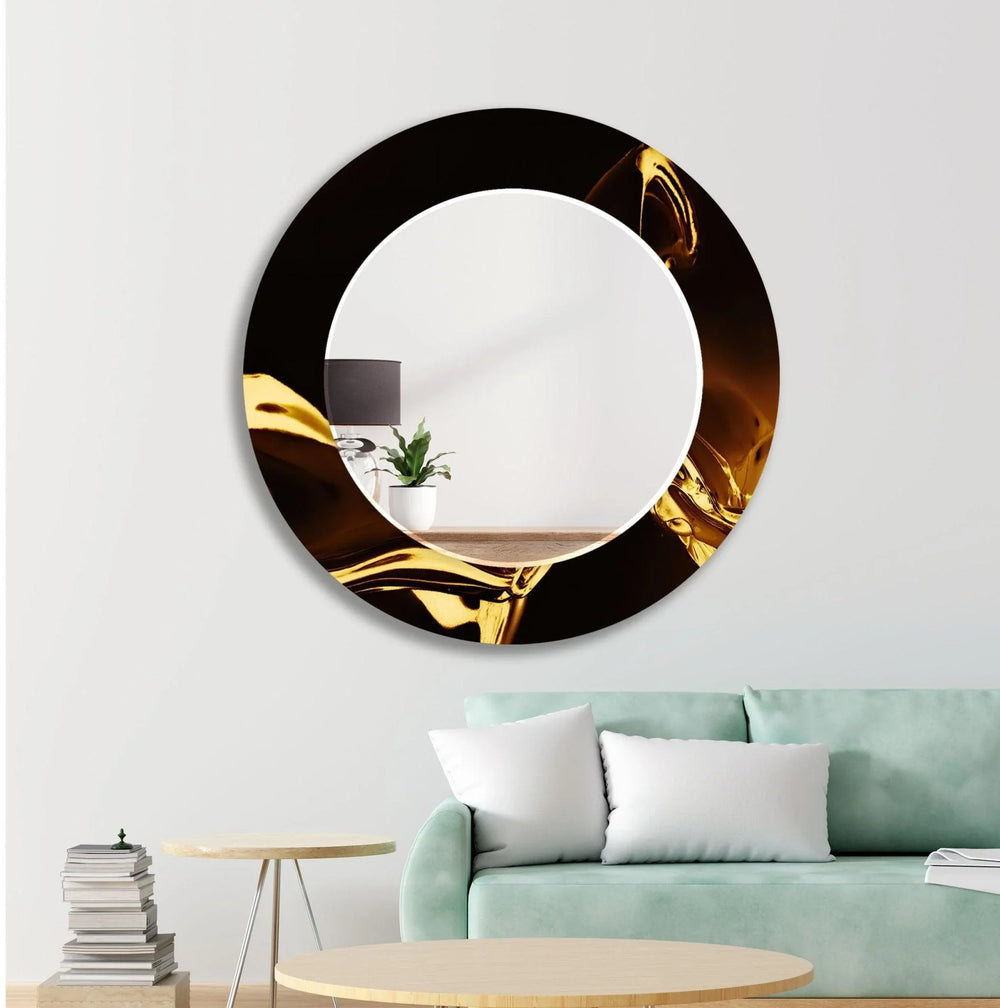
Heavily distressed mercury mirrors provide the structural weight of traditional wall decor like 19th-century Barbizon school oil paintings while lowering the surface reflectance enough to prevent visual glare. Architectural Digest 100 designers utilize distressed mercury glass as tactile art rather than a functional reflection tool. The mottled, oxidised mercury-tin layer catches directional light without forcing the viewer into a self-conscious gaze. While a contemporary silvered mirror boasts an LRV of 85% to 92%, severe tin-mercury amalgam oxidation drops the LRV to a comfortable 15% to 25%.
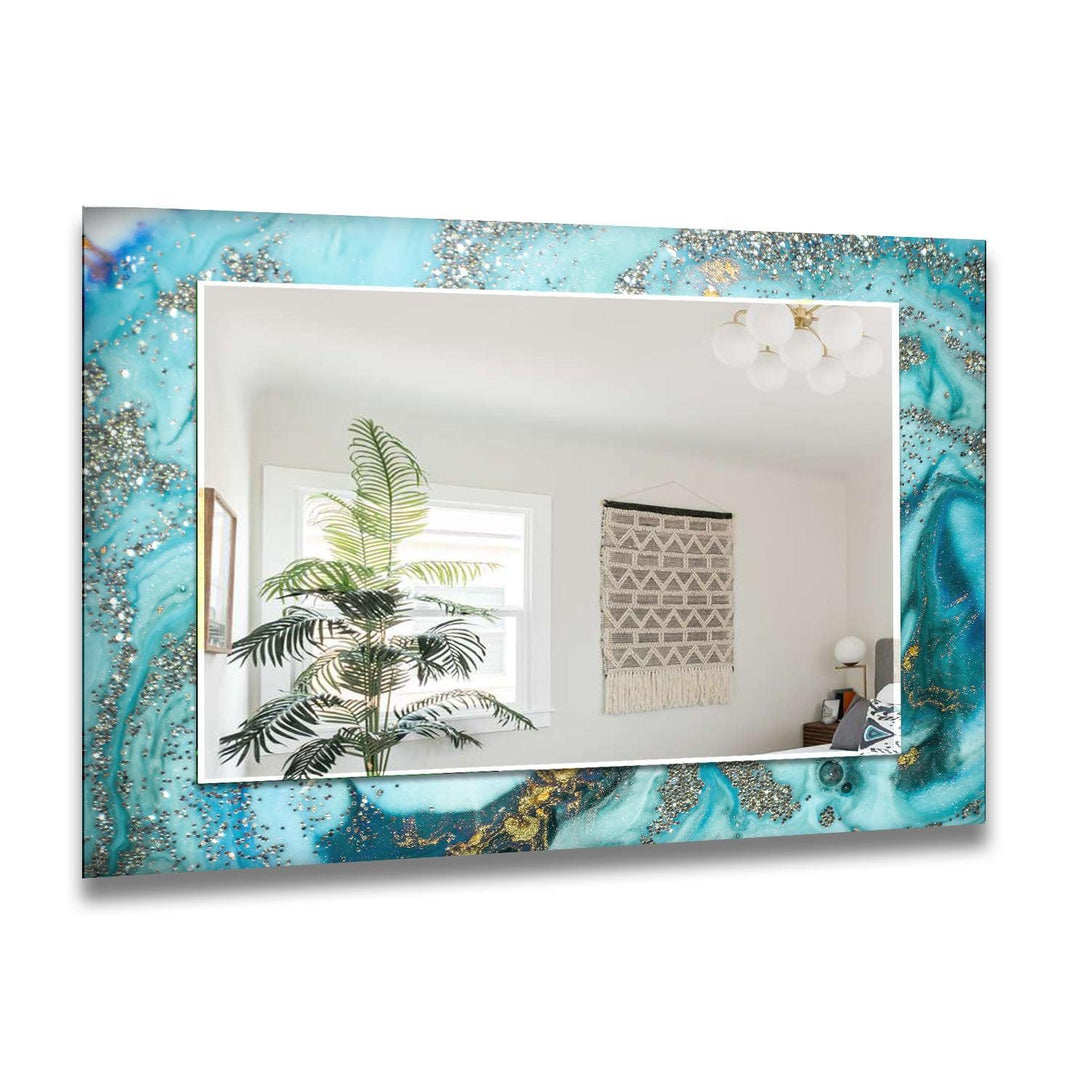
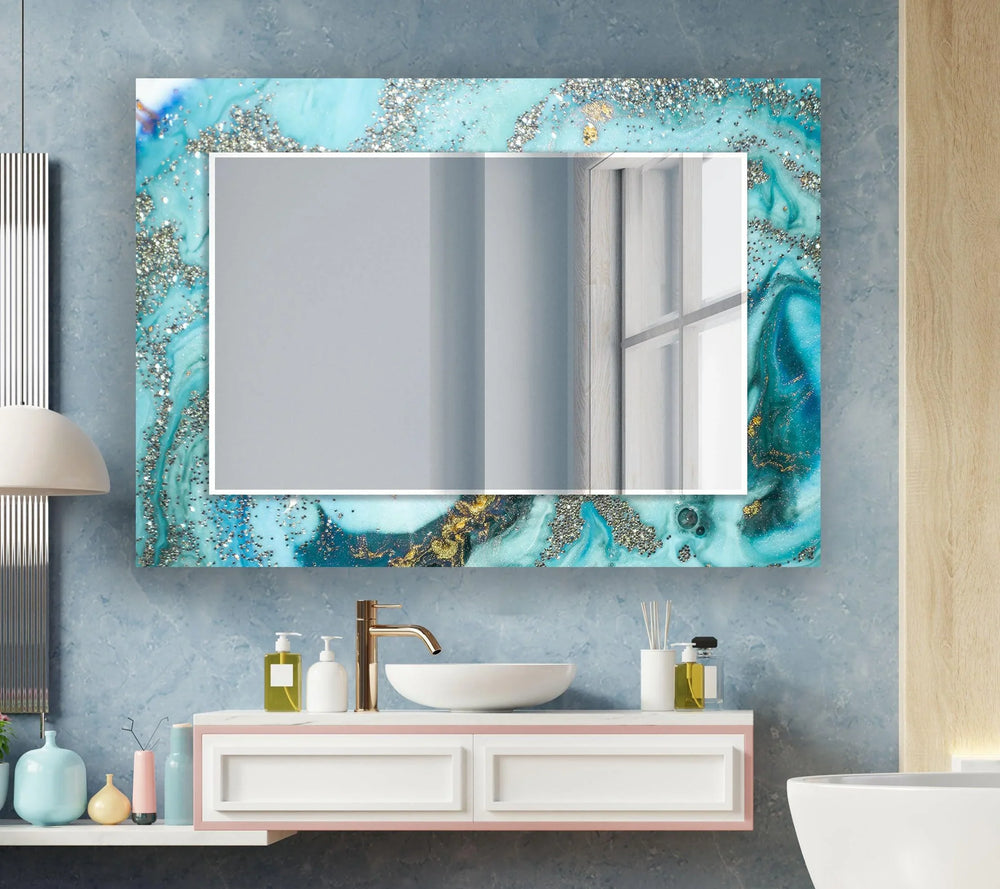
This specific surface degradation makes large format reflective pieces viable for relaxation zones like Eames Lounge Chair reading nooks. By reducing specular glare, these oxidized surfaces lower cardiovascular resting rates, once again shifting the brain away from self-monitoring and into the default mode network's autobiographical memory retrieval. Avoiding the placement of high-reflectance glass directly opposite south-facing floor-to-ceiling windows remains an important structural rule. Direct sunlight pushes surface LRV past 80%. High reflectivity overstimulates the human visual cortex. Mount distressed pieces on walls perpendicular to natural daylight sources instead. Illuminate these surfaces using directional Philips Hue GU10 2700K warm LED ceiling spotlights angled at 30 degrees. The angled light grazes the oxidised face to highlight the metallic foxing. A piece like the Dark Green and Blue Wall Mirrors works precisely because the deep Farrow & Ball-style chromatic tinting absorbs light rather than bouncing it. It behaves as a deliberate focal anchor.

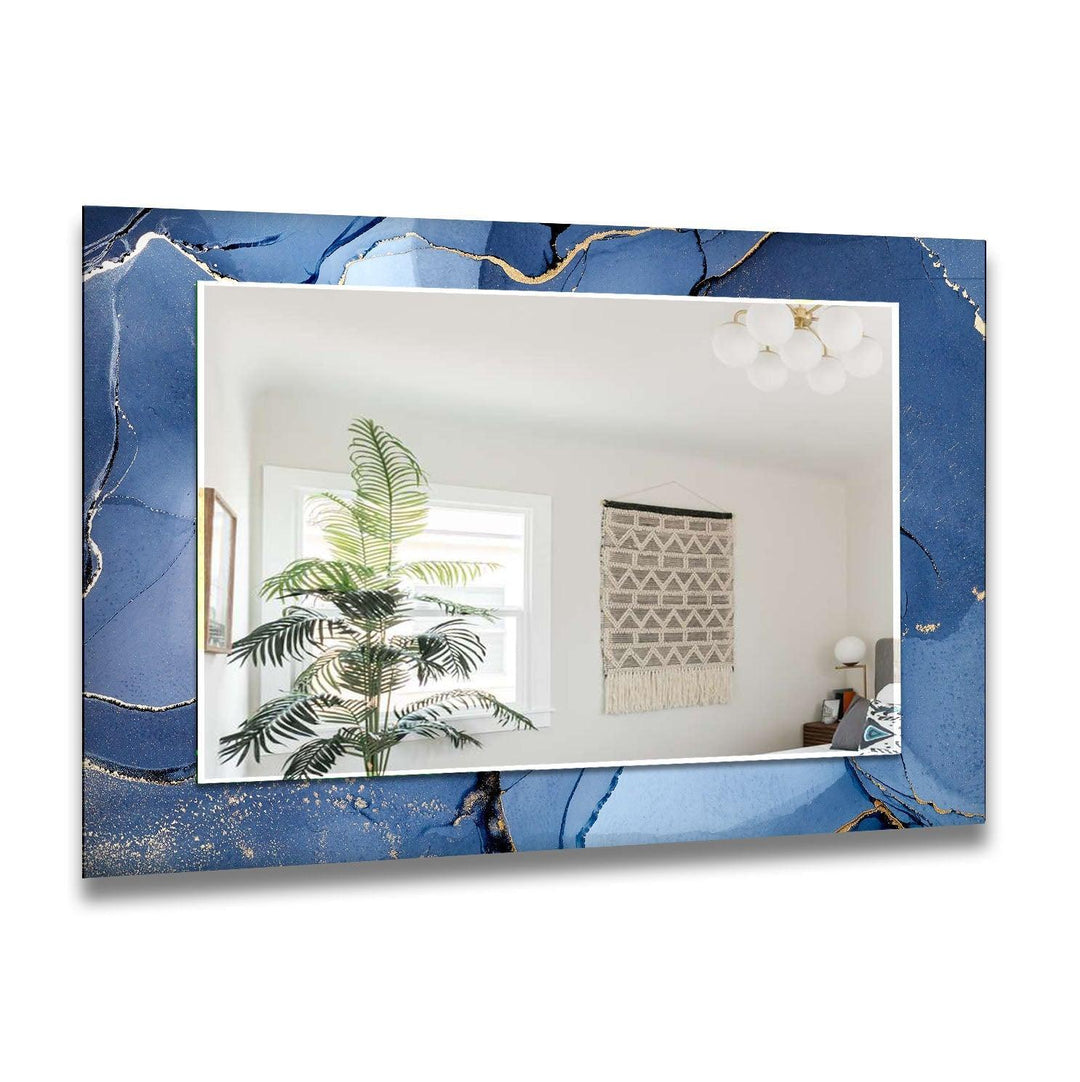
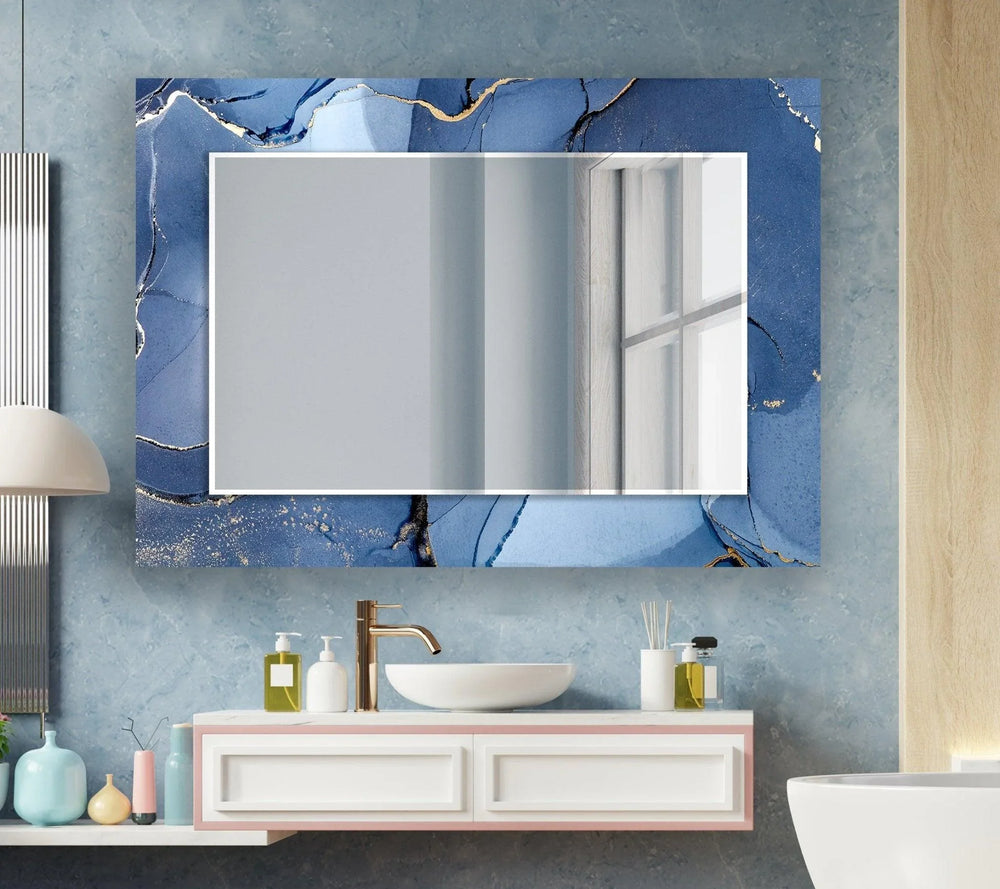
Consider mirrors for the open-plan living room large enough to dictate the entire spatial hierarchy to push this architectural integration further. The Blue & Beige Abstract Wall Mirror mimics twilight hues of Pantone Indigo Bunting and slate grey through muted surface tones. Such deliberate tinting provides necessary visual weight without the sharp specular highlights of standard silica glass. This exact Venetian glass material choice regulates the room's temporal feel.

| Evaluation Metric | Archival Giclée Print | Distressed Mercury Glass |
|---|---|---|
| Surface Light Reflectance Value (LRV) | 12% to 18% (Maximum ambient absorption) | 15% to 25% (Controlled specular reflection) |
| Cognitive Default Mode Network (DMN) Impact | Significantly increases involuntary memory retrieval | Inhibits nostalgic recall via active self-monitoring |
| Directional Illumination Requirement | Non-reflective Tru Vue Museum Glass overlay | 2700K warm LED grazing at a 30-degree angle |
| Optimal Wall Placement Axis | Directly above primary seating (145cm centre) | Perpendicular to natural window light sources |
Finalising the Installation Depends on Your Tolerance for Visual Self-Monitoring
Select heavily distressed French antiqued mirrors to bounce directional ambient light along perpendicular walls, but choose Epson Ultrachrome archival giclée prints to lower cardiovascular resting heart rates and induce involuntary nostalgia. The final installation decision rests on one single factor: deciding whether the living space functions as an observed stage or an episodic memory trigger. Err on the side of nostalgia. To anchor the room in the warm, enclosing comfort of late afternoon, the low-reflectance matte surface wins every time.
When sourcing large pieces for a mirrored wall in the Victorian terraced living room, heavily patterned glass like seeded antique or fluted Pilkington texture glass bridges the gap between reflection and absorption. The Blue Abstract Bubbles Wall Mirror disrupts direct reflection through dense surface geometry. Complex textures force the human macula to process fractal patterns rather than personal reflection. The piece functions perfectly as highly practical wall decor for the modern living room.

Similarly, the Blue Ocean Wave Wall Mirrors operates as a structural chromotherapy tool. Desaturated Munsell 10BG blue-green tones directly stimulate episodic memory without requiring direct Kodak Kodachrome personal photo representation. Such abstraction bypasses the looking-glass feedback loop entirely.

A reflective plane shows a room its present, while textured Winsor & Newton impasto oil pigment gives the space a past. Position your chosen piece carefully. Calibrate your Lutron Caséta-controlled 2700K LED lighting to graze rather than flood the surface. Leave roughly 15% to 20% of negative wall space on either side of the frame. Adequate breathing room grounds the seating arrangement as the foundational base. For those mapping out a precise 2:3 ratio for their seating area, choosing a well-calibrated piece from a curated living room mirror collection provides the exact structural starting point for your next architectural adjustment. Ultimately, opting for these low-reflectance, light-absorbing textures guarantees that your environment prioritizes the brain's default mode network, ensuring the room remains a sanctuary for autobiographical memory rather than an exhausting theater for self-monitoring.