

El efecto de enfoque: Optimización de la ubicación del arte botánico para la concentración en el espacio de trabajo.
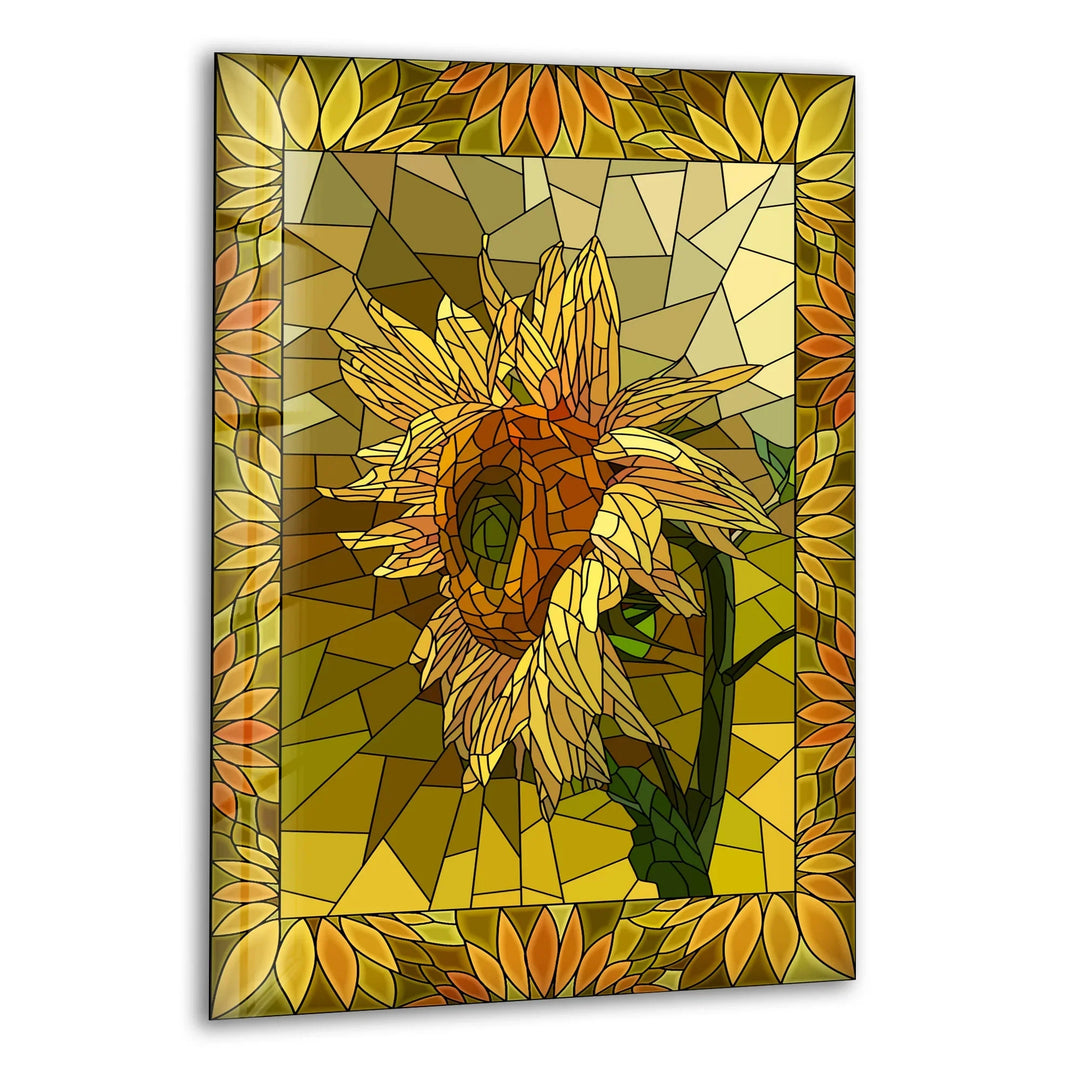
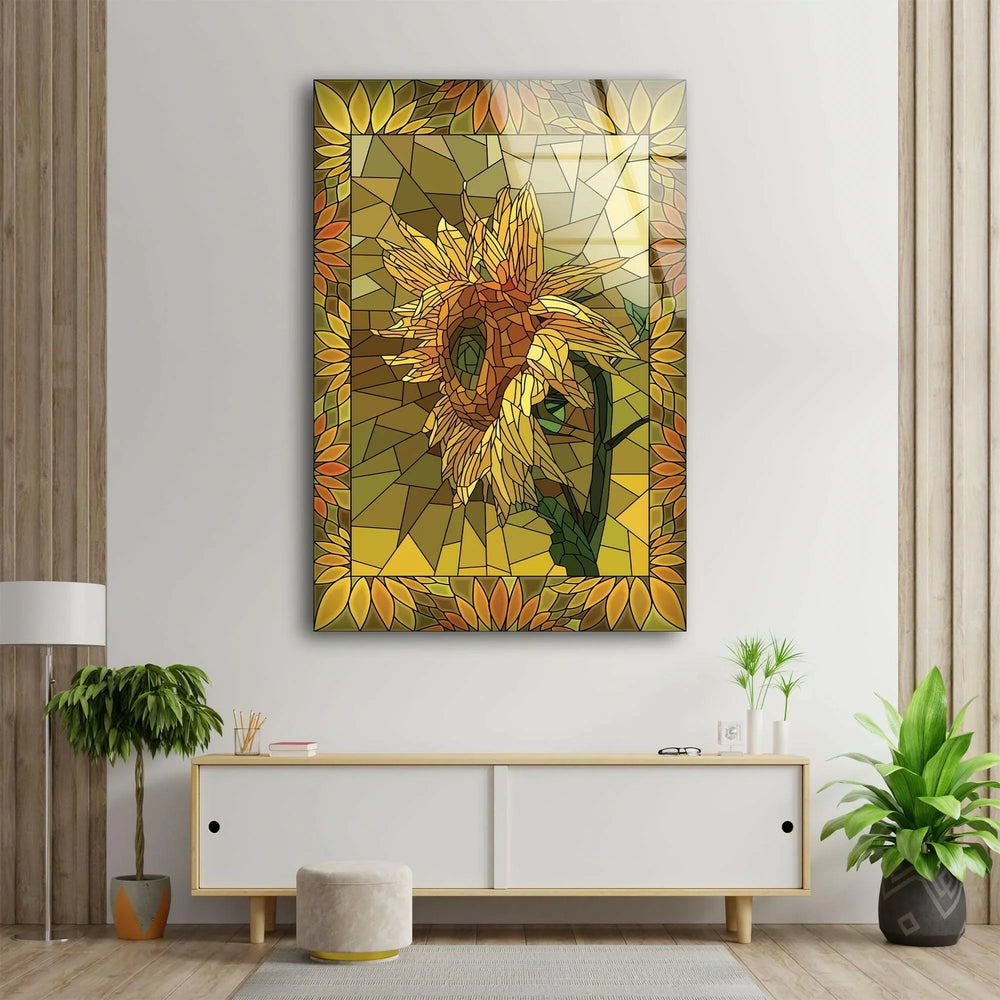
La verdadera recuperación exige colocar los motivos botánicos estrictamente fuera de su campo de visión foveal inmediato para proteger la concentración cognitiva. Colgar un lienzo de algodón enmarcado de 300 g/m² directamente detrás de su monitor Dell UltraSharp degrada la resistencia mental. Una oficina en casa optimizada para Pinterest prioriza la lente de la cámara sobre la psicología humana, lo que resulta en un espacio de trabajo fotogénico que lo deja mentalmente agotado en 60 minutos. Este error destruye su productividad diaria. Establecer un límite espacial definido convierte la observación reparadora en una acción física deliberada. Al seleccionar piezas específicas como piezas de pared inspiradas en girasolesDe esta forma, introduces geometría natural de alta fidelidad en una habitación sin sobrecargar tu corteza prefrontal.
La biofísica del posicionamiento periférico
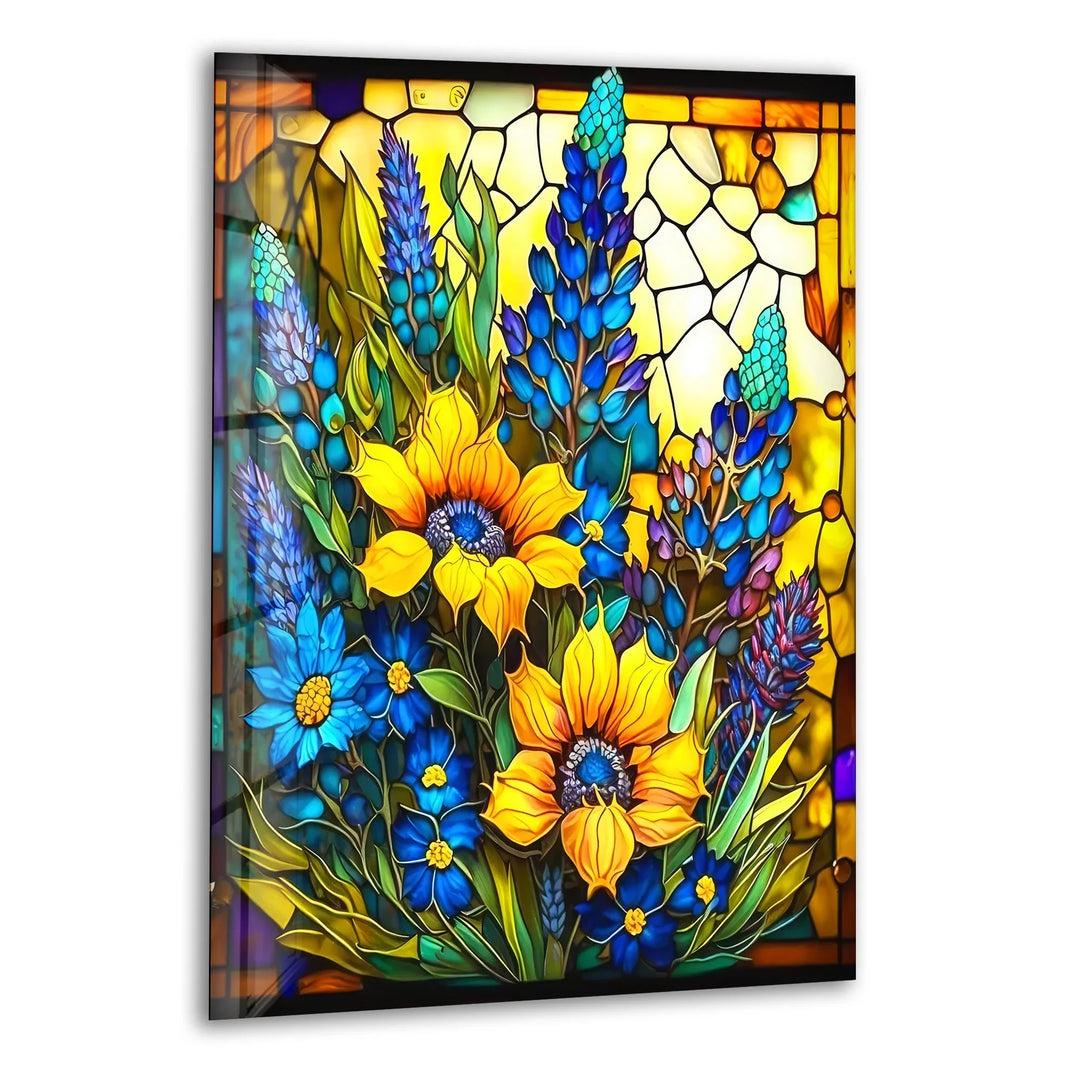
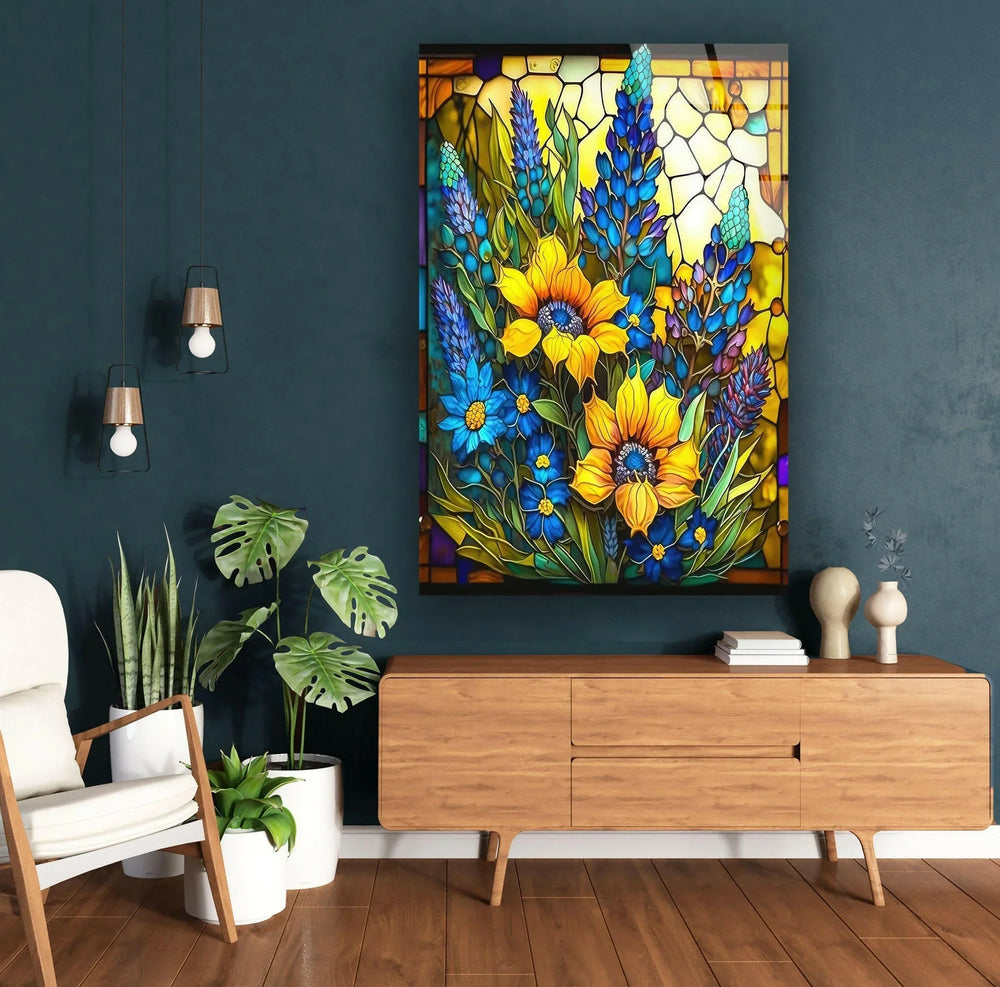
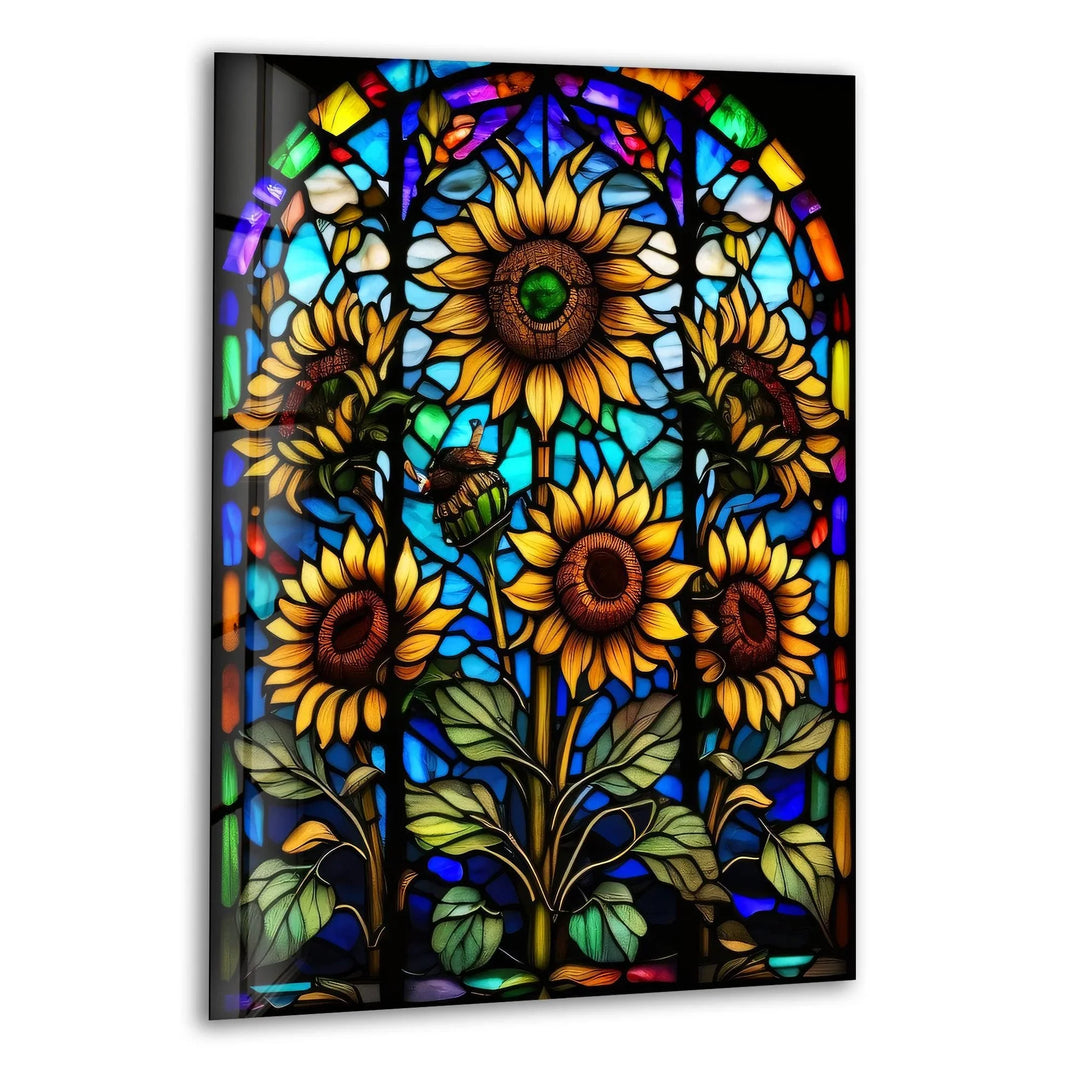
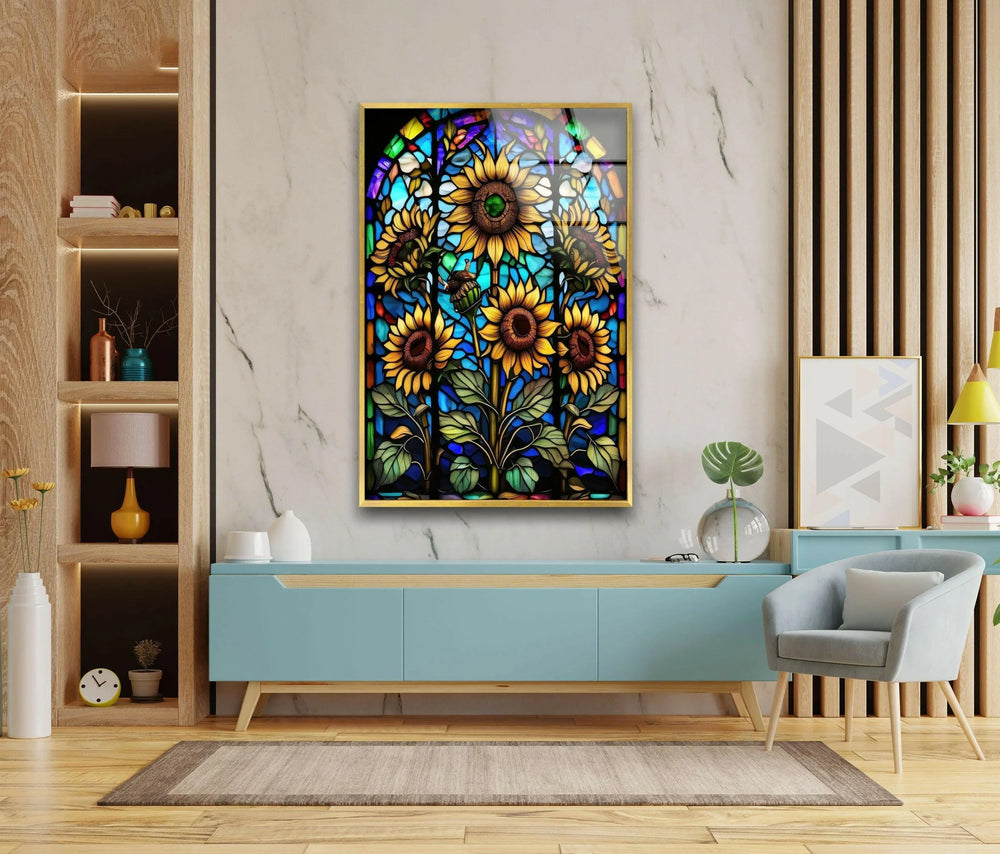
La colocación periférica de patrones orgánicos complejos dentro de un arco estrictamente medido de 60 grados reduce el estrés fisiológico sin interrumpir el flujo de trabajo principal. Los estudios biofísicos muestran consistentemente que la visualización de dimensiones fractales de rango medio, específicamente los valores D entre 1,3 y 1,5 que se encuentran en las espirales de las cabezas de semillas de Helianthus, desencadena la actividad de ondas cerebrales alfa. Esto reduce directamente los niveles de cortisol. Cuando colocas una pieza como la Girasoles teñidos Arte En Vidrio Para Pared Exactamente a 30 grados a la izquierda o a la derecha de su silla de oficina Herman Miller Aeron, los pigmentos amarillo cadmio permanecen en su visión periférica. El vitral interactúa con la luz natural ambiental de 5000 K, creando un estímulo visual pasivo conocido en psicología ambiental como la suave fascinación de Kaplan. Mantenga una distancia de visualización estricta de 120 cm a 180 cm desde su asiento para garantizar que la obra de arte funcione como una herramienta reparadora pasiva en lugar de una distracción activa.

¿Por qué la colocación mirando hacia adelante perjudica la concentración?
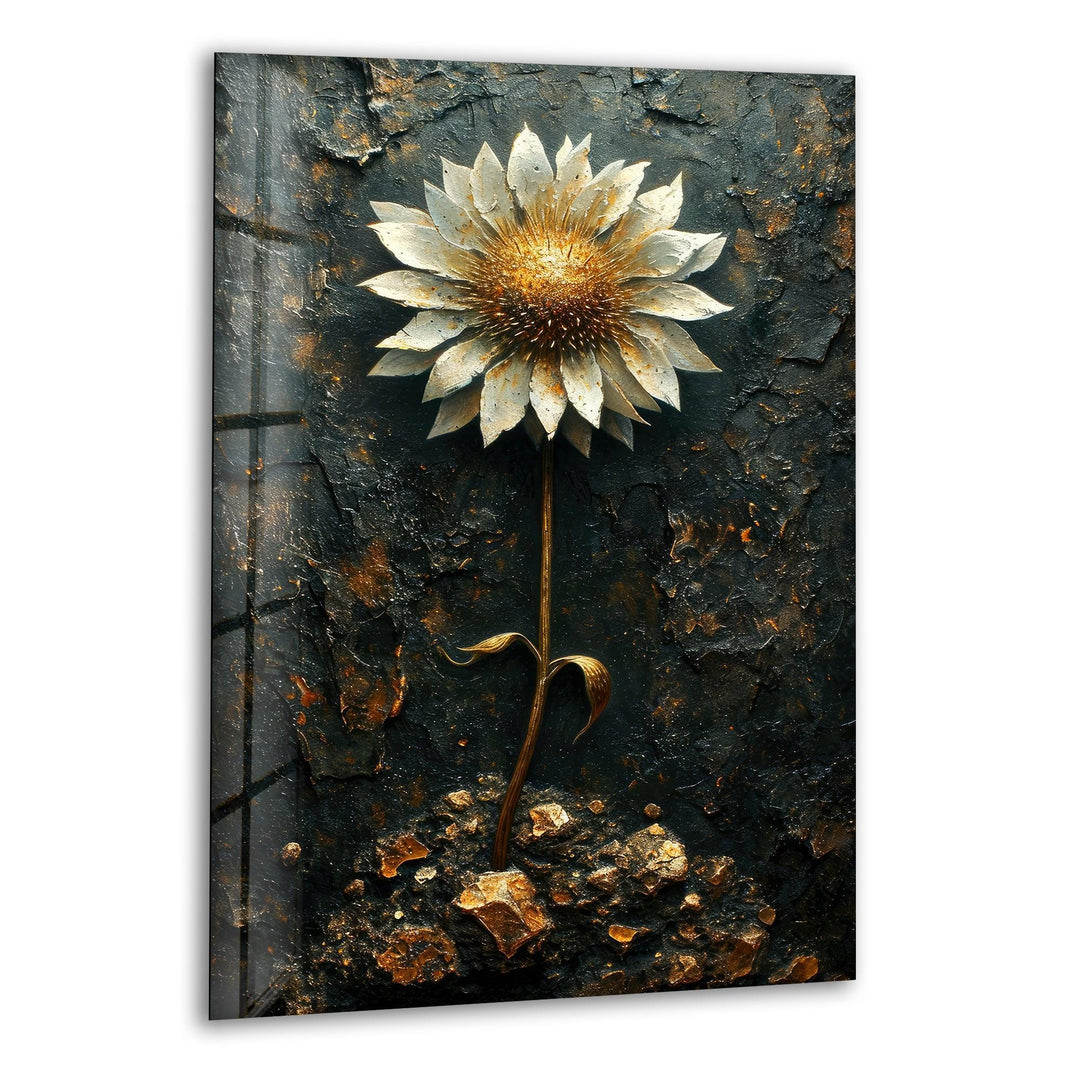
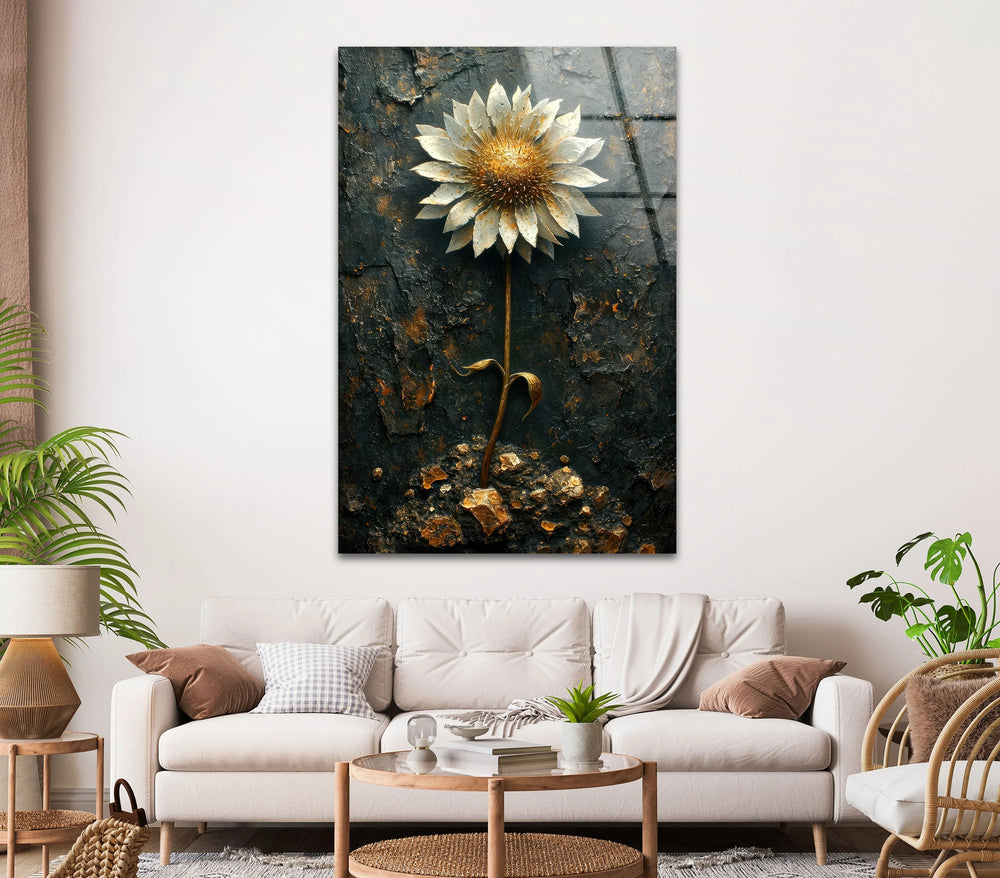
El arte restaurador eficaz requiere su ubicación como un destino discreto. Colocar litografías florales Munsell 10Y de alto contraste directamente en la línea de visión principal fuerza un procesamiento visual activo que agota rápidamente los recursos cognitivos. Las guías de diseño biofílico convencionales suelen recomendar centrar las obras de arte inspiradas en la naturaleza justo encima del escritorio de pie para maximizar la exposición visual. Este consejo es fundamentalmente erróneo. Los pigmentos amarillos altamente saturados y las complejas espirales de Fibonacci, ubicados en el campo de visión foveal de 1 a 5 grados, pasan inmediatamente de una fascinación suave y restauradora a una fascinación dura y exigente. El cerebro gasta energía metabólica continua suprimiendo activamente esta imagen de fondo estimulante. Al seleccionar una obra botánica, Cuadro al óleo, debes colocar piezas como la Resplandor dorado: Girasol botánico redondo Cuadro al óleo en una pared adyacente. La técnica de empaste grueso con óleo Winsor & Newton exige un giro físico deliberado de la silla de oficina o de la cabeza para ver la obra, lo que fuerza un cambio mecánico que reinicia activamente la corteza prefrontal durante microdescansos de 90 segundos.

Cálculo de la línea media vertical de precisión
Las evaluaciones ergonómicas en el lugar de trabajo demuestran que las imágenes botánicas calibradas con precisión reducen la fatiga mental en un 30 % cuando se colocan en esta orientación matemática específica. Anclar el centro vertical de su impresión botánica giclée enmarcada en roble exactamente a 145 centímetros del suelo alinea los motivos florales con precisión con el área de visualización cómoda de un trabajador sentado. Estandarizar la altura de colgado utilizando la regla estándar de galería de 57 pulgadas entre centros previene la tensión en la columna cervical C4-C7 causada por mirar excesivamente hacia arriba o hacia abajo. No adivine.
- Mida exactamente 145 centímetros verticalmente desde el suelo hasta la pared de pladur de su oficina y marque la línea central con un lápiz de grafito 2B.
- Calcula la ubicación de los herrajes sumando 145 centímetros a la mitad de la altura total del lienzo y restando la distancia desde el borde superior del marco hasta el gancho de la anilla en forma de D.
- Instale el anclaje para pared hueca con capacidad de carga de 10 kg en esta coordenada cartesiana precisa.
Instalar un lienzo botánico a esta altura específica sitúa el centro focal exactamente entre 10 y 15 grados por encima de la línea de visión horizontal al estar sentado. Confirme esta medida con un lápiz de grafito antes de clavar los anclajes estructurales cincados en la pared de yeso.
Selección de materiales para eliminar los reflejos
El marco de vidrio de silicato estándar crea ruido visual reflectante que acelera la fatiga del músculo ciliar. Un entorno de oficina en casa moderno contiene múltiples fuentes de luz, desde lámparas de escritorio LED dirigidas de 4000K hasta ventanas exteriores de UPVC. El vidrio plano actúa como un espejo involuntario, reflejando los diseños de teclado QWERTY y los monitores Apple Retina brillantes de vuelta a su campo visual. Combatir el deslumbramiento ambiental de la pantalla durante las llamadas de Microsoft Teams supone un desgaste medible de la resistencia visual. El ojo humano microajusta continuamente entre el plano del reflejo y el plano de la obra de arte. Los principios de la psicología ambiental dictan que la textura física del lienzo de algodón tejido de 300 g/m² o el lino belga crudo previene la fatiga visual plana asociada con las pantallas brillantes. Incorporar una pieza con mucha textura como la Girasol teñido Arte En Vidrio Para ParedDecoración floral vibrante, diseño inspirado en la naturaleza. requiere una gestión cuidadosa del lumen. Coloca las lámparas ambientales Philips Hue en un ángulo estricto de 45 grados con respecto a la obra de arte. Ajusta la iluminación direccional hasta que las zonas de sombra mantengan una apariencia profunda y texturizada, sin reflejos especulares que opaquen la luz.

Generando profundidad con formatos fragmentados
Los diseños de trípticos de paneles múltiples introducen profundidad artificial en entornos planos de paneles de yeso Knauf, lo que permite que la corteza visual primaria procese el espacio con mayor fluidez. La investigación cognitiva indica que la corteza visual humana procesa patrones orgánicos de Voronoi con alta eficiencia, requiriendo menos energía metabólica para codificar detalles específicos. La textura de la superficie reduce matemáticamente la energía de codificación. Integrando el Girasol mosaico Arte En Vidrio Para Pared Proporciona la interacción táctil necesaria y luz refractada en lugar de depender de una impresión plana en papel de 200 g/m². Las teselas de mosaico de sílice fragmentadas rompen la iluminación fluorescente direccional intensa de las luminarias de techo. Esto previene la fatiga visual, principal causa del agotamiento cognitivo de las 3:00 p. m. Ya sea para equipar una sala de juntas corporativa o para buscar diseños de galería estándar del Reino Unido para composiciones de girasoles en un estudio doméstico, la superficie de vidrio dispersa específicamente los fotones incidentes, generando una textura de gran legibilidad. Instale esta pieza estrictamente en paredes perpendiculares que carezcan de ventanas exteriores de PVC directas para controlar la interacción de los fotones ambientales.

Los límites visuales definidos protegen tu resistencia mental al convertir la observación en un acto físico intencional. Para proteger permanentemente tu corteza prefrontal, debes alejar las obras de arte botánicas de tu visión foveal directa y adoptar estrictamente el posicionamiento periférico como límite espacial. Rodear una pantalla de monitor 4K con la compleja geometría fractal de Helianthus obliga a la corteza cerebral a realizar múltiples tareas a nivel subconsciente, agotando las reservas de energía metabólica necesarias para el concepto de trabajo profundo de Cal Newport. Implementar la línea media vertical de 145 centímetros y aplicar la regla de visión periférica de 60 grados garantiza que las obras de arte biofílicas basadas en la naturaleza apoyen tu flujo de trabajo en lugar de competir con él. Estos principios biofísicos específicos aseguran que tu espacio de trabajo Herman Miller funcione como una herramienta de precisión para la concentración. Auditar su distribución espacial actual para incluir una pieza posicionada matemáticamente de esta colección de girasoles seleccionada Protege directamente tu capacidad mental para tareas analíticas complejas.