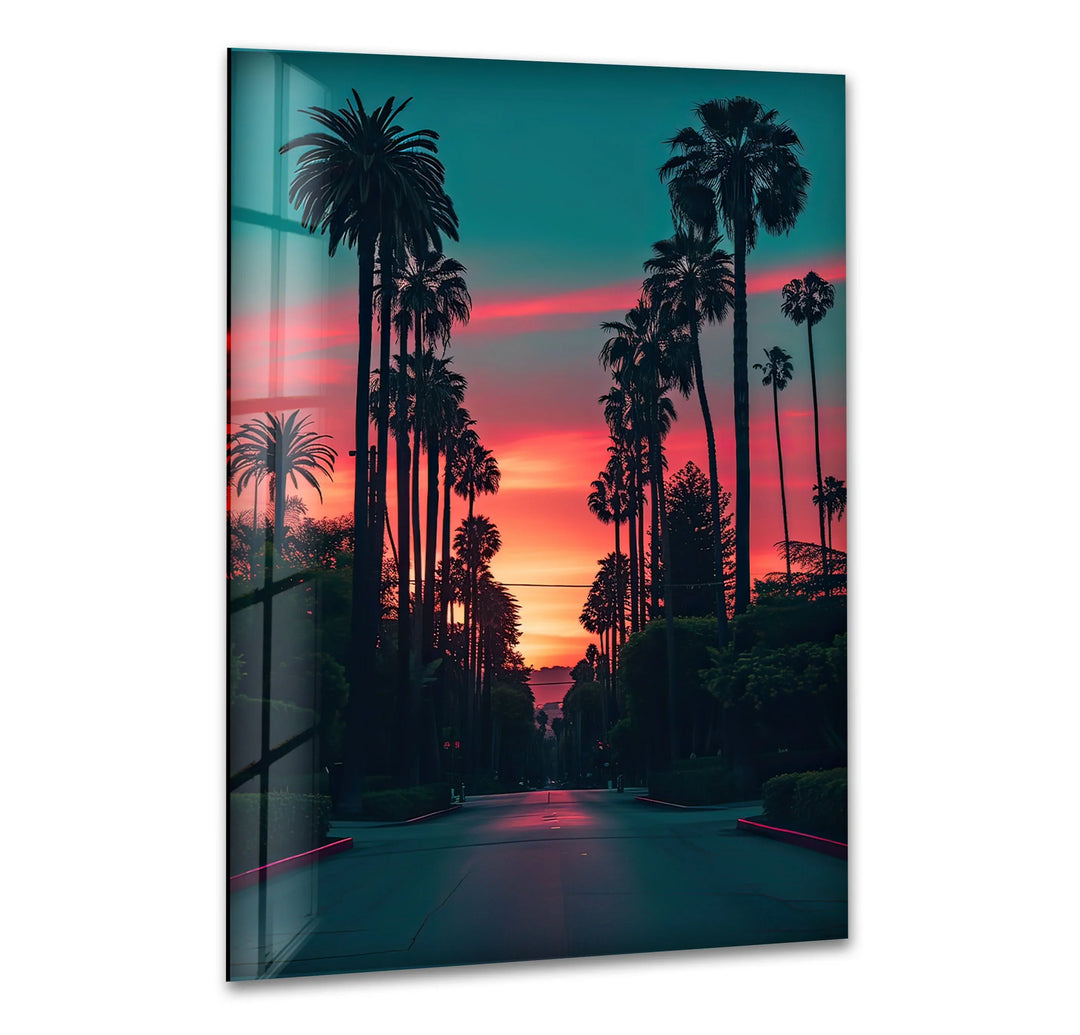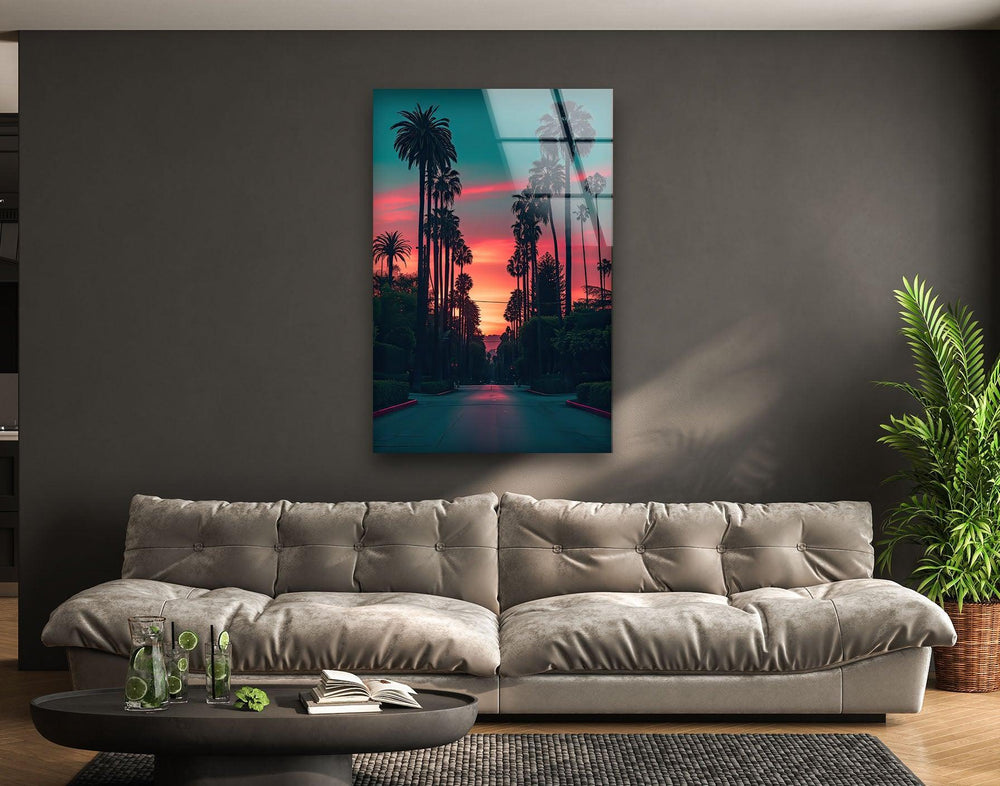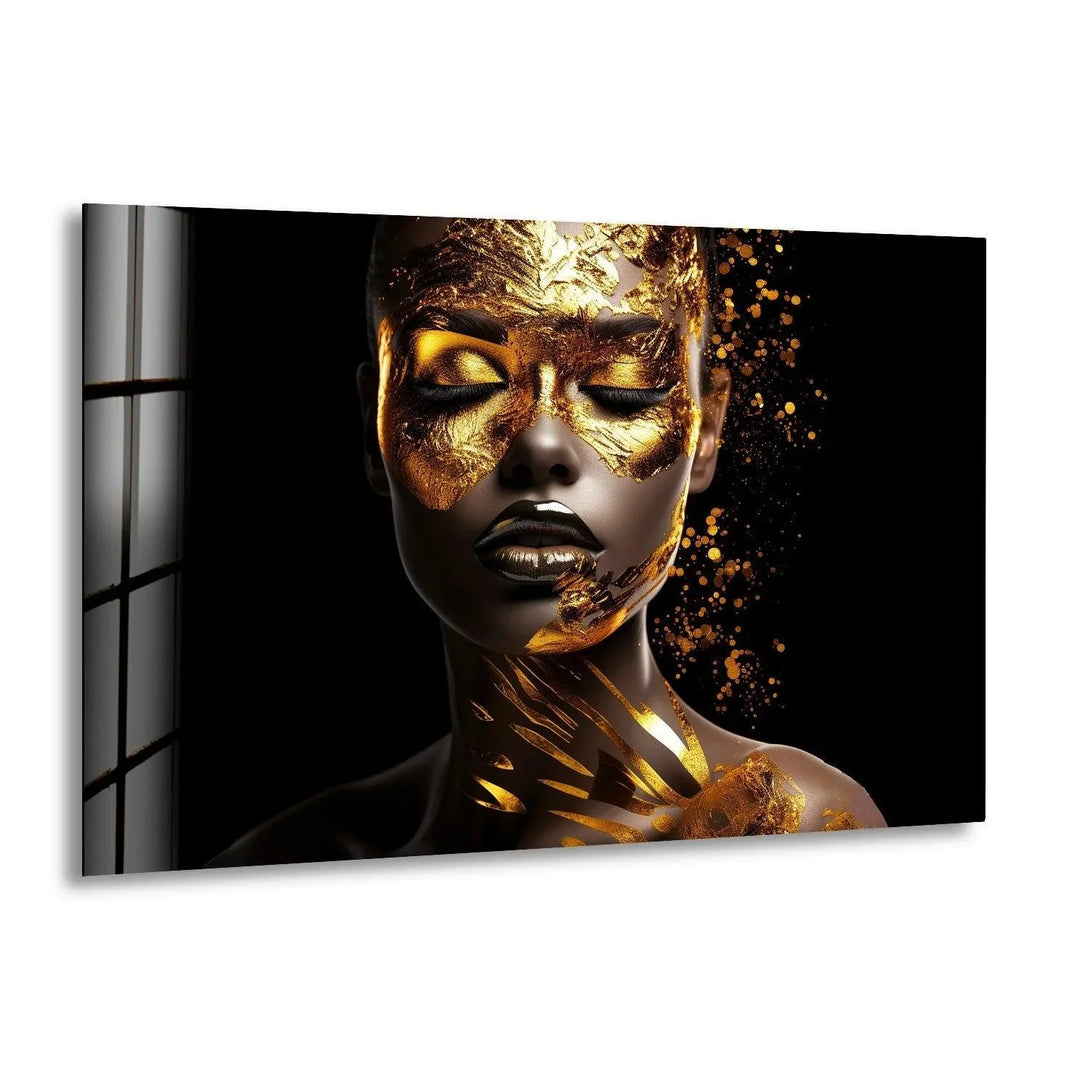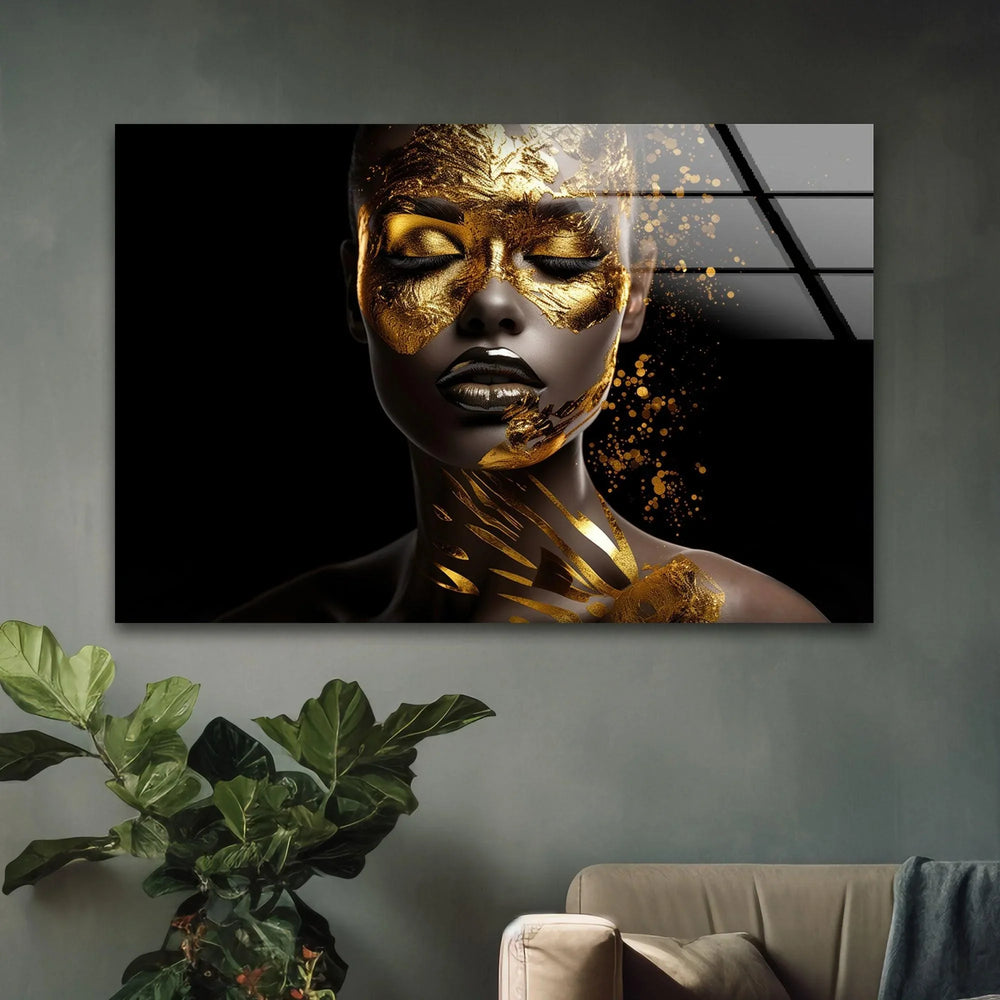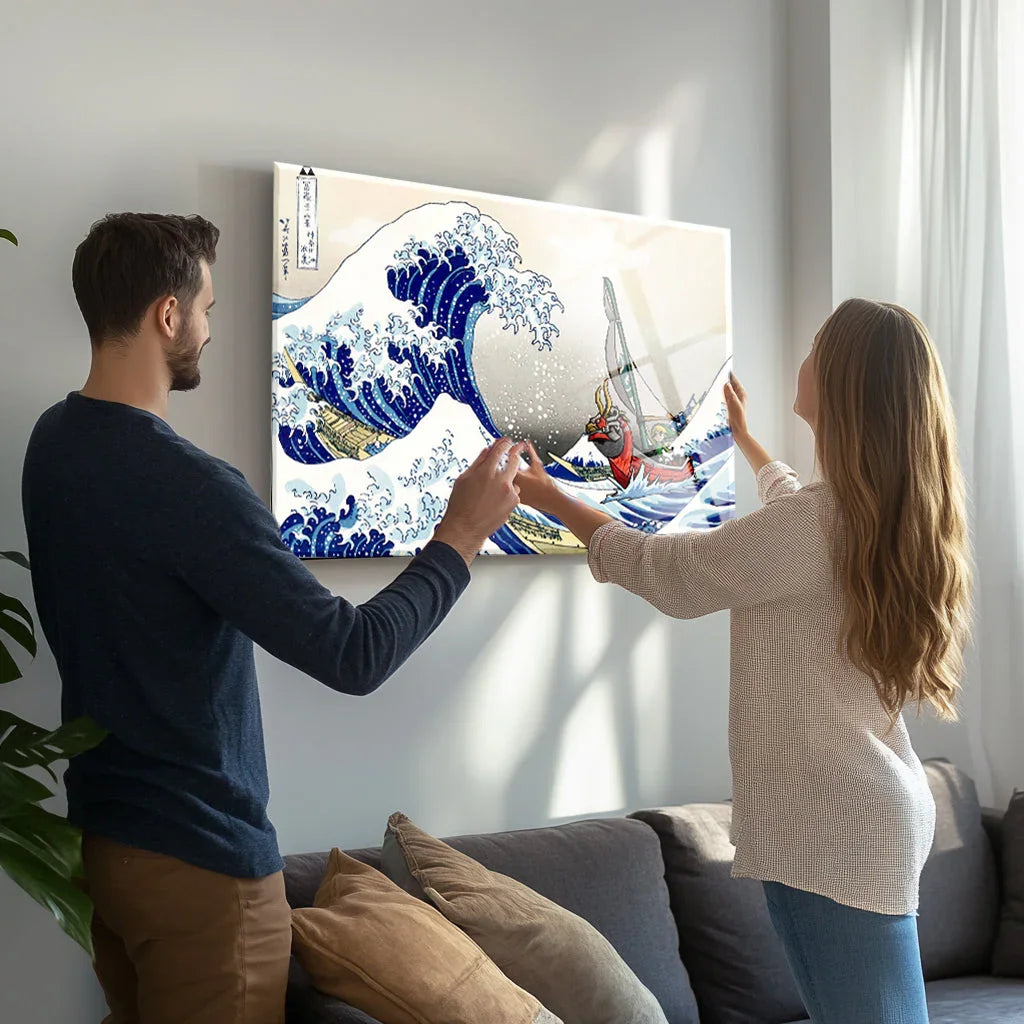


La vista nocturna: Selección de fotogramas para Arte En Vidrio Para Pared
El elemento más importante del enmarcado de arte en vidrio templado Starphire de bajo contenido en hierro de 4 mm no es el material sólido que lo recubre, sino el vacío que queda. Un espacio de sombra más amplio, de 12,7 mm (media pulgada) dentro de un perfil de aluminio Nielsen Bainbridge, orquesta la refracción de la luz mucho mejor que el estándar clínicamente ajustado de un cuarto de pulgada, transformando la luz ambiental vespertina en un marco autoiluminado de luz atrapada. El vacío habla más alto que el metal. Si bien las condiciones de luz diurna dominan las evaluaciones de Arte En Vidrio Para ParedUna pieza se gana su lugar verdaderamente gracias a su rendimiento visual bajo el resplandor indirecto de los LED Philips Hue de 2700K en una tarde tranquila.
Al seleccionar piezas de vidrio arquitectónico de gran formato para paredes, los coleccionistas novatos se obsesionan inicialmente con la capa fotográfica de bellas artes curada con UV. Los curadores experimentados, en cambio, analizan la reflectancia especular de los herrajes de montaje. Las evaluaciones de materiales del aluminio anodizado negro mate, específicamente la aleación de aluminio extruido 6063-T5 utilizada en marcos de galerías de alta gama, muestran una reflectancia especular inferior al 3 %. Esta reflectancia excepcionalmente baja permite que las paredes del marco dentro de una cavidad profunda absorban casi toda la luz incidente de la sala. El fondo negro resultante evita que los reflejos secundarios reboten en el metal y alcancen el borde pulido del vidrio. Se busca vidrio Optiwhite de 6 mm de primera calidad. Arte En Vidrio Para Pared Las galerías de Mayfair, con sede en Londres, exigen esta misma atención al soporte de montaje.
Consideremos la mecánica visual de la Atlántida Arte En Vidrio Para Pared Bajo la tenue iluminación nocturna de un sistema Lutron Caséta, sus tonos azul verdosos desaturados, muy similares al color Munsell 10BG, reducen activamente la frecuencia cardíaca en reposo mediante la cromoterapia. Un marco estándar de tablero de fibra de densidad media (MDF) limita la belleza de esta textura visual oceánica. Al suspender el cristal templado Starphire de 4 mm de bajo contenido en hierro en un espacio oscuro, la obra parece flotar sobre un colchón de aire. Los bordes pulidos con CNC captan las sombras ambientales, creando un suave degradado. Este brillo en los bordes proporciona un marco sutil, compuesto enteramente de luz atrapada.

Aprovechando el espacio de media pulgada para una refracción superior
Una abertura de sombra más ancha de 12,7 mm captura intencionalmente la luz ambiental lateral para generar un suave degradado de sombra difuminado conocido como penumbra. El minimalismo occidental de inspiración Bauhaus defiende erróneamente la estrecha abertura de un cuarto de pulgada como la máxima expresión del diseño limpio. Esta abertura estrecha crea un límite negro duro y de alto contraste que induce fatiga visual. Generar una abertura más ancha se alinea, en cambio, con la filosofía arquitectónica japonesa de In'ei Raisan, o la alabanza de las sombras. La estética tradicional wabi-sabi no celebra la precisión clínica, sino la transición orgánica de la luz. Al ensanchar la cavidad a exactamente media pulgada, el borde de vidrio Optiwhite pulido captura físicamente la iluminación ambiental de la habitación de 2700 K, construyendo un marco autoiluminado hecho completamente de luz atrapada. La obra de arte respira.
Al instalar obras de arte en vidrio en modernas instalaciones residenciales con paredes de yeso, la composición química del vidrio determina el color de la luz que capta. El vidrio flotado de cal sodada estándar de Pilkington contiene un 0,1 % de óxido de hierro. Este pequeño elemento limita la transmisión de luz al 89 % y proyecta un anillo verde esmeralda intenso y poco atractivo alrededor del perímetro. Las alternativas con bajo contenido de hierro reducen esta impureza al 0,01 %, lo que garantiza que la refracción interna se manifieste como un halo nítido. Evitar este tono verdoso es fundamental al combinar arte con las paletas de colores cálidos y neutros del estilo Japandi.
El borde pulido por CNC del cristal Starphire de bajo contenido en hierro, suspendido en una cavidad de aluminio 6063-T5 mate, no se limita a reflejar la habitación; recoge la luz ambiental del atardecer y la retiene, brillando tenuemente como un bloque de agua congelada en un espacio oscuro.
Esta transmisión de luz pura sirve para Piedras Zen y Loto Arte En Vidrio Para Pared Con absoluta precisión. Los cálidos tonos avena y madera natural de la arquitectura interior Japandi se fragmentan al ser iluminados por una luz verde artificial. Un contorno definido permite que las texturas del roble natural y el lino belga aporten solidez visual a la estancia de forma natural.

Cómo la iluminación descendente superior determina el posicionamiento del sustrato
Al empotrar la superficie de vidrio templado exactamente tres milímetros por debajo del borde frontal del canal de aluminio extruido 6063-T5, se bloquea físicamente la luz vertical directa, evitando que la superficie se vea afectada. La iluminación arquitectónica contemporánea utiliza focos direccionales halógenos MR16 o LED CREE de 50 vatios. Al exponer el borde superior pulido a estos haces concentrados, se crean reflejos especulares cegadores. Al desplazar el sustrato de vidrio tres milímetros hacia abajo durante la instalación del panel de yeso, se crea una barrera arquitectónica. La vista descansa de forma natural. Esta disciplina geométrica garantiza la atmósfera sobria necesaria para la visión nocturna.
Toma el Fushimi Inari Taisha Japón Arte En Vidrio Para Pared Como base operativa, las llamativas líneas arquitectónicas de color bermellón requieren una iluminación controlada y direccional para mantener su profundidad tridimensional. El resplandor disperso de los LED CREE superiores destruye el anclaje visual del camino del santuario de Kioto. El profundo retranqueo mantiene nítidas esas sombras arquitectónicas.

Protección estratégica contra la exposición directa al sol.
Colocar los sustratos de vidrio perpendicularmente a las ventanas arquitectónicas orientadas al sur, con doble acristalamiento y sin filtros, preserva el delicado equilibrio lumínico del espacio de sombra. La luz solar directa que incide sobre superficies planas en un ángulo de noventa grados anula la sutil refracción de los bordes. Incluso una aleación de aluminio 6063-T5 negra mate de alta absorción no puede contrarrestar la gran cantidad de fotones que inciden en el marco. Coloque su colección lejos de la exposición directa al sur. Como alternativa, difumine los rayos entrantes con cortinas de lino belga semitranslúcidas o persianas Shoji de papel washi. La luz suavizada alimenta el espacio de sombra. Dominar el espacio vacío alrededor del vidrio sigue siendo la verdadera señal de una cuidada selección.
El Ondas de mosaico Arte En Vidrio Para Pared demuestra cómo una superficie bien protegida gestiona el movimiento refractado. Los patrones rítmicos de los mosaicos azul cerúleo dependen de una luz lateral suave y ambiental para activar su textura visual. La exposición sin filtrar a los rayos UV-A y UV-B aplana la complejidad rítmica convirtiéndola en un póster estático. Arte En Vidrio Para Pared Para las luminosas casas de arquitectura costera de Queensland se requiere este mismo control ambiental riguroso. Proteja el vidrio. Controle las sombras. Al reconocer el comportamiento de la luz después del anochecer, se crean espacios que poseen una atmósfera genuina. Aplicando estos principios a nuestra selección curada de Arte En Vidrio Para Pared Garantiza que sus piezas funcionen a la perfección mucho después de la puesta del sol, capturando la luz ambiental del atardecer dentro del espacio de sombra de media pulgada para generar un marco permanente y brillante de luz atrapada.