

Cuando la nostalgia falla: La decisión sobre el arte de la pared del comedor
La verdadera nostalgia se basa en la ambigüedad visual, no en la replicación literal, lo que obliga al cerebro a realizar una simulación mental activa para un recuerdo más profundo a largo plazo. Una habitación se siente fragmentada cuando la tenue iluminación colgante Nelson Bubble de latón cepillado sugiere la intimidad de la noche, pero las paredes gritan brillantemente el comercio de Madison Avenue al mediodía. El choque de tonos temporales determina si un espacio pertenece a la hora del café de la mañana con cafetera francesa o a la conversación de medianoche sobre un Cabernet Sauvignon. Este es el desafío central al curar Arte para las paredes del comedor Para lograr una conexión emocional. Para quienes buscan ideas para la decoración de comedores residenciales, la decisión va más allá de la mera estética. Deben decidir si pretenden imponer un recuerdo histórico específico a sus invitados o brindarles un espacio en blanco para que expresen sus propias vivencias.
Activación del recuerdo episódico a través de los pigmentos primarios
Los anuncios de sopa Campbell's de la década de 1950, altamente saturados, captan la atención de inmediato al activar recuerdos episódicos precisos. Los principios de la psicología del diseño demuestran que los estímulos visuales altamente codificados por color aumentan el reconocimiento inmediato en comparación con las imágenes monocromáticas. Los espectadores exhiben consistentemente duraciones de mirada iniciales más largas en la marca Pan Am vintage familiar. Esto activa el hipocampo. Desencadena una recuperación autobiográfica altamente específica. Los diseñadores de interiores demuestran que los efímeros vintage auténticos inyectan una narrativa visual inmediata, rompiendo la rígida formalidad de las aparadores de nogal Herman Miller y las mesas de comedor de vidrio Knoll Saarinen. Implementar esta estética requiere una estricta precisión matemática. La regla de los 3/5 del diseño de interiores dicta que un lienzo grande en el área del comedor debe ocupar exactamente el 60 por ciento del ancho del mueble debajo de él. Para una mesa de comedor estándar de 72 pulgadas, busque un ancho de obra de arte de exactamente 43.2 pulgadas. Haciendo esto deja 14.4 pulgadas de espacio negativo a cada lado, lo que requiere un lienzo a medida o un juego de dos pósteres de lino Hahnemühle de 300 g/m² separados por 3 pulgadas.
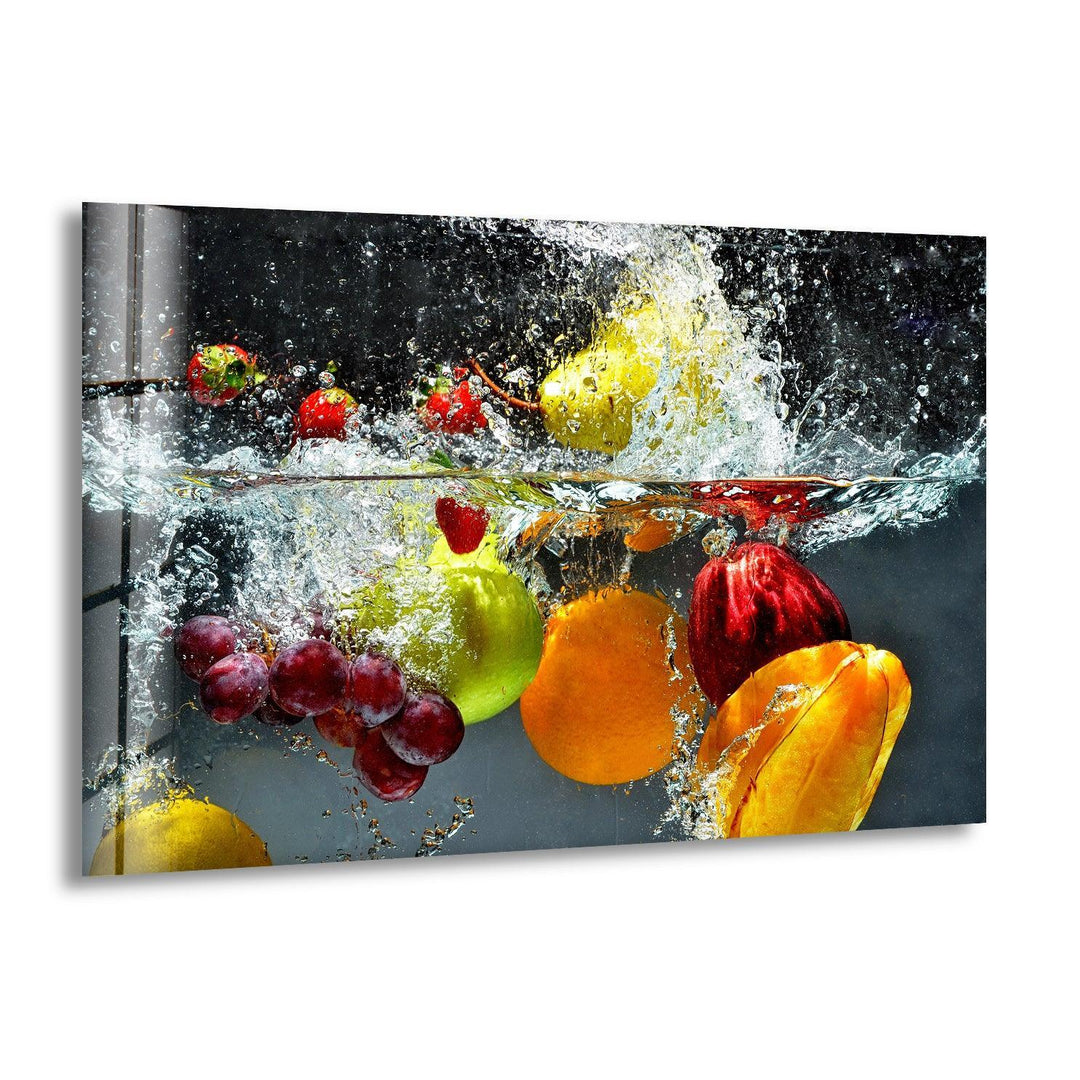
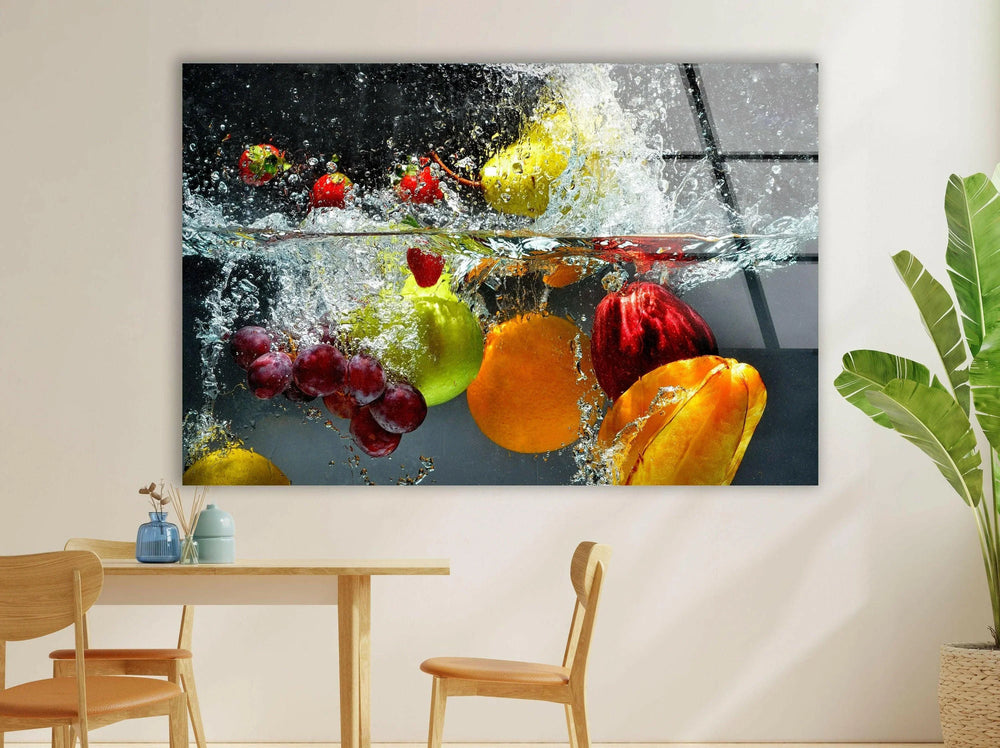
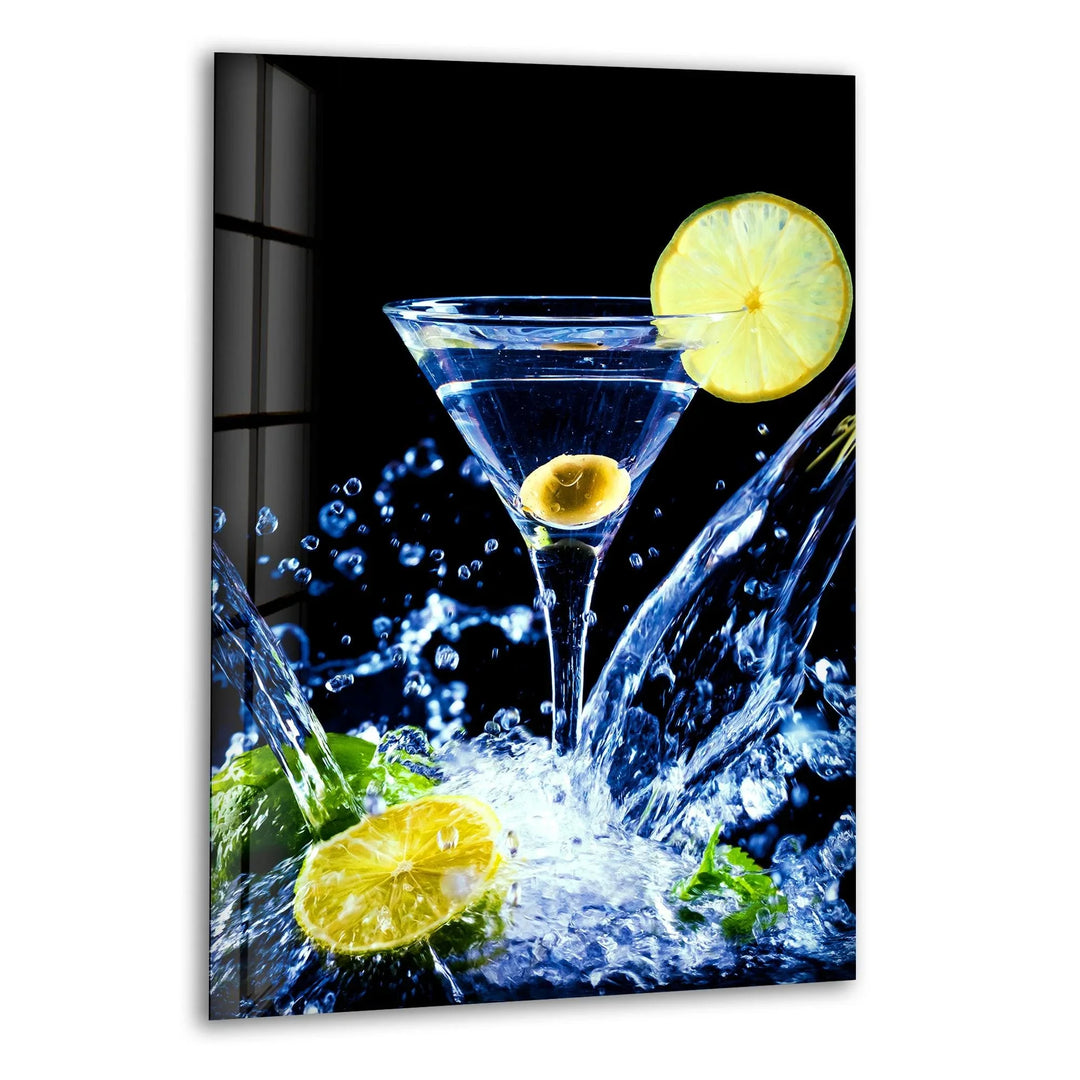
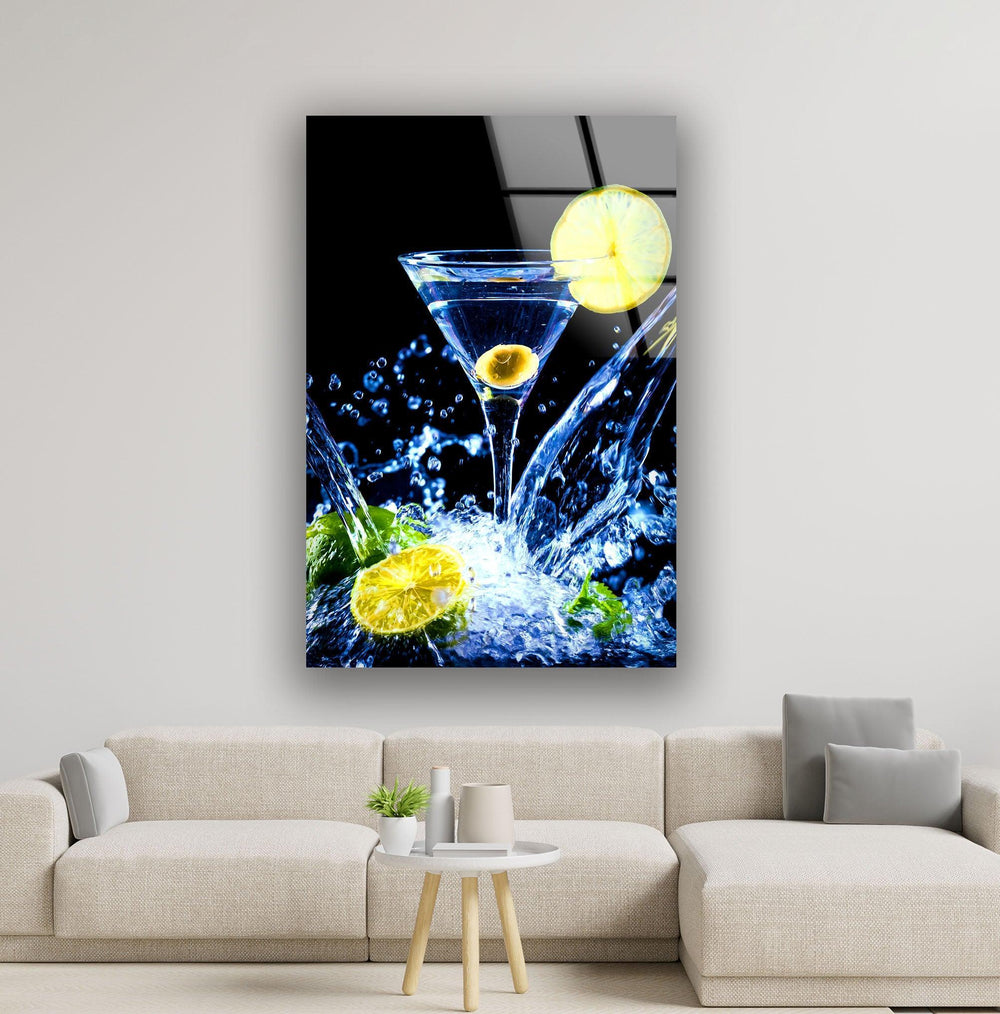
Seleccionar una composición vívida como la Cóctel de naranja Arte En Vidrio Para Pared Utiliza pigmentos de naranja cadmio y azul cobalto para intensificar la excitación emocional. Este enfoque cromático específico actúa como una puerta de entrada neurológica para recordar momentos precisos de la hospitalidad en las cenas de los años sesenta. Desafortunadamente, este método tiene una limitación importante. Los anuncios de litografía offset de mediados de siglo son altamente comercializados y visualmente rígidos. Imponen un recuerdo preprogramado al espectador. En 90 días, se produce la habituación cognitiva. El cerebro deja de procesar la información visual inflexible que coincide con el color Pantone, y el efecto de recuerdo se detiene por completo. En marcado contraste, la ambigüedad visual en el arte desaturado previene esta habituación al forzar al cerebro a una simulación mental activa, generando una intimidad emocional sostenida en lugar de un reconocimiento de marca fugaz.

Por qué la ambigüedad monocromática supera a la replicación literal
Las litografías botánicas contemporáneas de Monstera Deliciosa en tonos sepia fomentan una intimidad emocional duradera porque su ambigüedad visual obliga al cerebro a una simulación mental activa. Mientras que los colores saturados provocan un recuerdo inmediato de la marca, una poderosa teoría de diseño contraria demuestra la superioridad a largo plazo de las paletas apagadas inspiradas en Farrow & Ball en espacios privados para comer. Las teorías visuales del color establecen que reducir la información cromática intensifica la imaginación subjetiva. Estudios psicológicos sobre el envejecimiento demuestran que las impresiones monocromáticas de gelatina de plata provocan nostalgia semántica. Evocan un concepto generalizado del pasado en lugar de un recuerdo de marca codificado. La ambigüedad deja espacio para la reflexión. Se requiere una instalación adecuada para lograr este sutil efecto, ya sea con impresiones giclée de archivo importadas al Reino Unido o con piezas de galerías locales. Cuelgue la parte inferior del marco exactamente de 8 a 10 pulgadas por encima de la mesa. Esto coloca el centro visual a 48 a 52 pulgadas del suelo. Alinear la obra de arte directamente con la línea de visión de los comensales sentados evita la fatiga de tener que levantar la vista durante la comida.
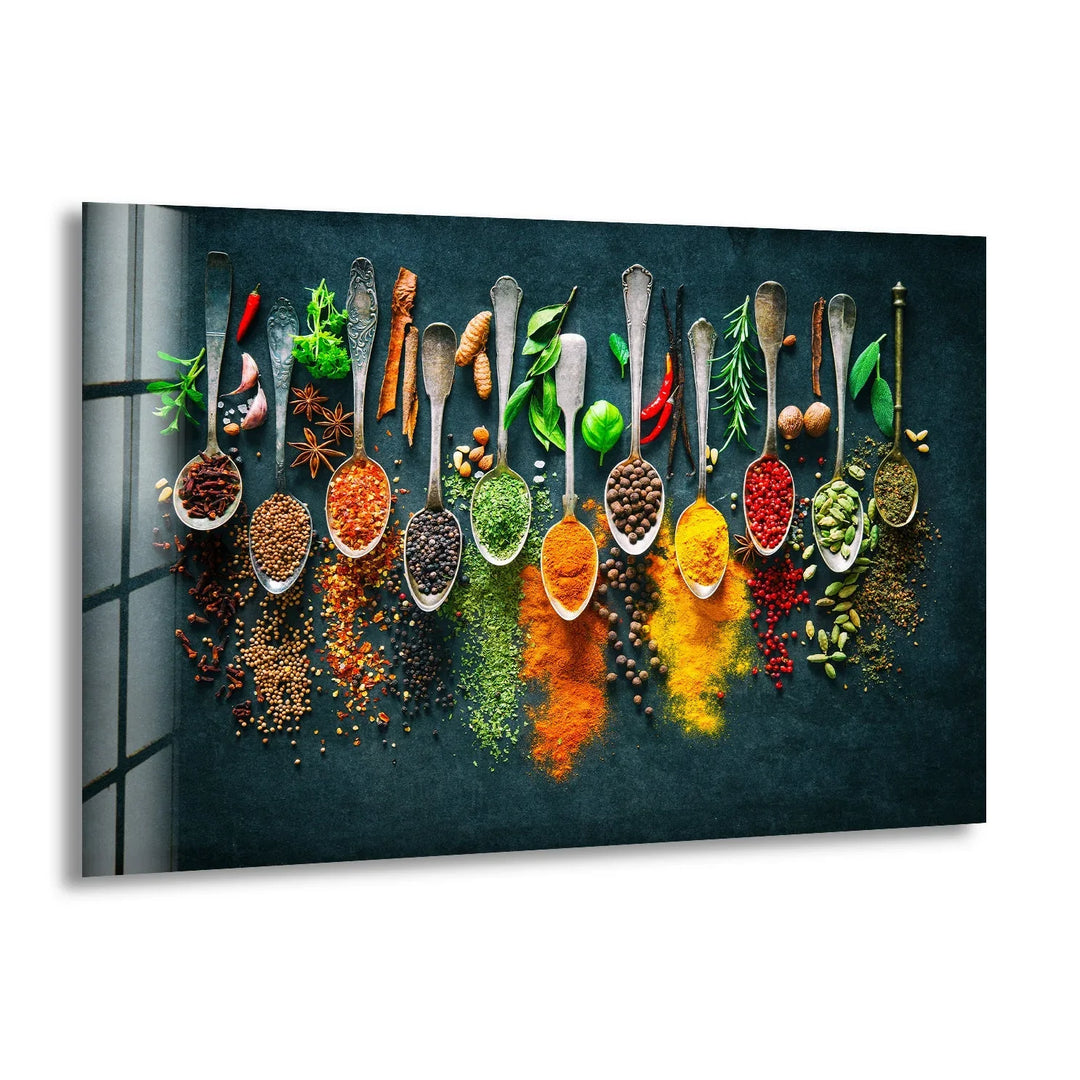
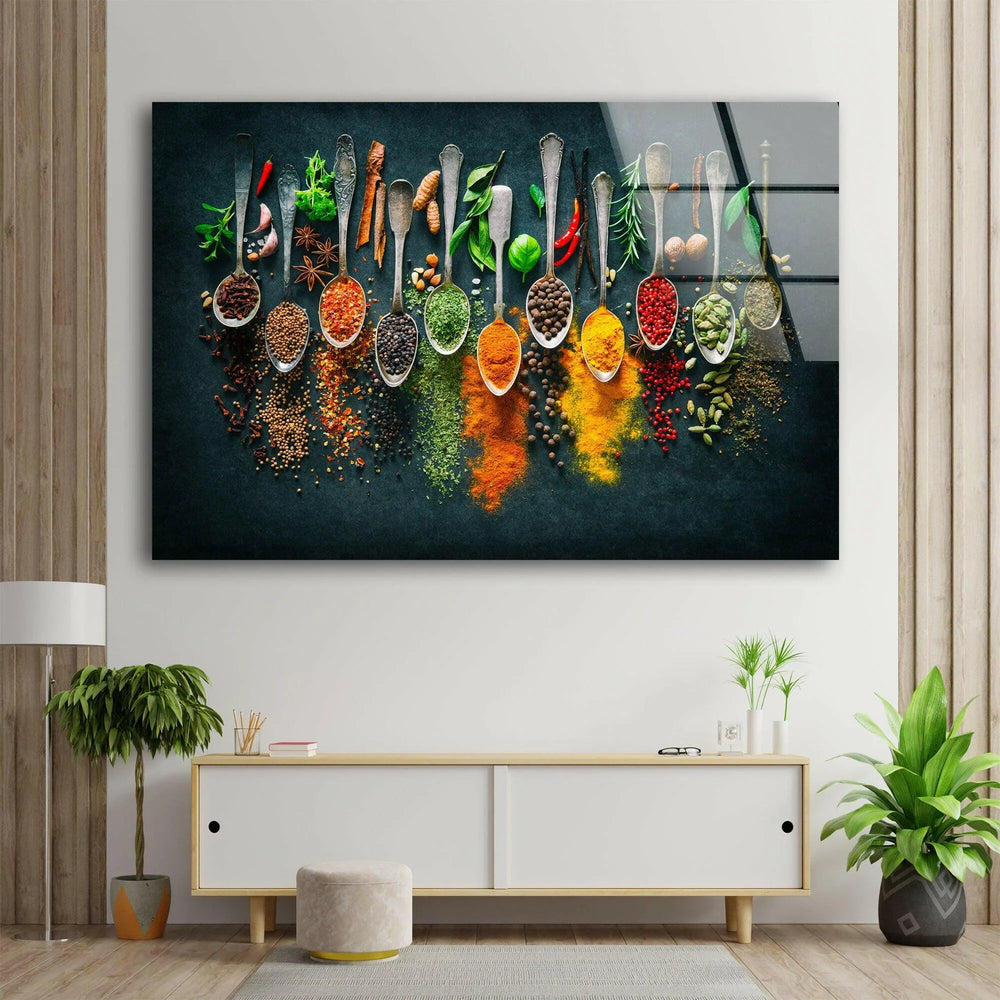
Integrar una composición apagada como la Especias secas Arte En Vidrio Para Pared Presenta una imagen visualmente ambigua, como un lienzo en blanco. Al carecer de la tipografía Helvetica característica de mediados de siglo, el cerebro debe realizar una simulación activa para descifrar la imagen. A lo largo de los años, los comensales proyectan sus recuerdos de infancia, cada vez más evocados, sobre el lienzo de algodón desaturado de 400 g/m². Esta pieza, menos literal que la imagen tradicional, facilita continuamente un ciclo de evocación de recuerdos autobiográficos más profundo que los coloridos anuncios retro de Campari.

Distinciones de datos en el diseño temporal
El literalismo del arte pop de alta saturación y la ambigüedad del wabi-sabi desaturado requieren condiciones de iluminación halógena o LED y formatos espaciales de pared de galería completamente diferentes para funcionar eficazmente.
| Métrico | Alta saturación de mediados de siglo | Sepia apagada contemporánea |
|---|---|---|
| Ciclo vital cognitivo | A corto plazo (propenso a la habituación rápida) | Duradero (Forza la simulación mental activa) |
| Desencadenante neurológico | Memoria autobiográfica episódica | nostalgia vicaria semántica |
| Tolerancia a la iluminación | Requiere rieles magnéticos de roble sin marco para evitar el deslumbramiento. | Prospera con barniz mate bajo luz LED de 3000K. |
| Formato de tamaño (mesa de 72 pulgadas) | Díptico compuesto por dos láminas verticales de 20"x30". | Tríptico de tres paneles de 33 cm o lienzo individual de 109 x 71 cm. |
Elegir entre impacto inmediato y valor duradero
La longevidad de la obra de arte que elijas depende por completo de su capacidad para evolucionar junto con tu imaginación. Si tu objetivo es crear un tema de conversación impactante para ocasiones especiales como reuniones informales, opta por litografías Bauhaus de mediados de siglo con soporte de lino. Los pigmentos de alta saturación lucen espléndidos bajo luces LED blancas cálidas de 3000 K. Evita los marcos con vidrio UV de calidad museística. Utiliza materiales de cartón mate de calidad museística para eliminar los reflejos intensos de las lámparas colgantes de latón Tom Dixon. Sin embargo, si utilizas este comedor a diario para las comidas familiares, la sutil ambigüedad del arte desaturado resulta más atractiva a largo plazo.
Un cuadro para su comedor formal que posea ambigüedad estructural, como el Botella y copa de vino, modernas Decoración De Pared MetalRequiere que los espectadores completen mentalmente la composición. El compromiso cognitivo continuo previene la fatiga visual. Actúa como un marco Gestalt abierto en lugar de una narrativa cerrada. Elija arte que deje espacio para la interpretación, ya que madura junto con su espacio en lugar de luchar contra él. Dado que la verdadera nostalgia se basa en la ambigüedad visual en lugar de la replicación literal, priorizar las obras de arte desaturadas garantiza el recuerdo autogenerado en lugar del reconocimiento comercial efímero. Construir un entorno minimalista sofisticado hace aflorar los recuerdos de forma natural. Para anclar su espacio con piezas que fomenten esta simulación mental duradera, explore nuestra colección de obras de arte adecuadas para espacios de comedor.