

Tendances déco 2026 : ce qui est à la mode et ce qui ne l'est plus
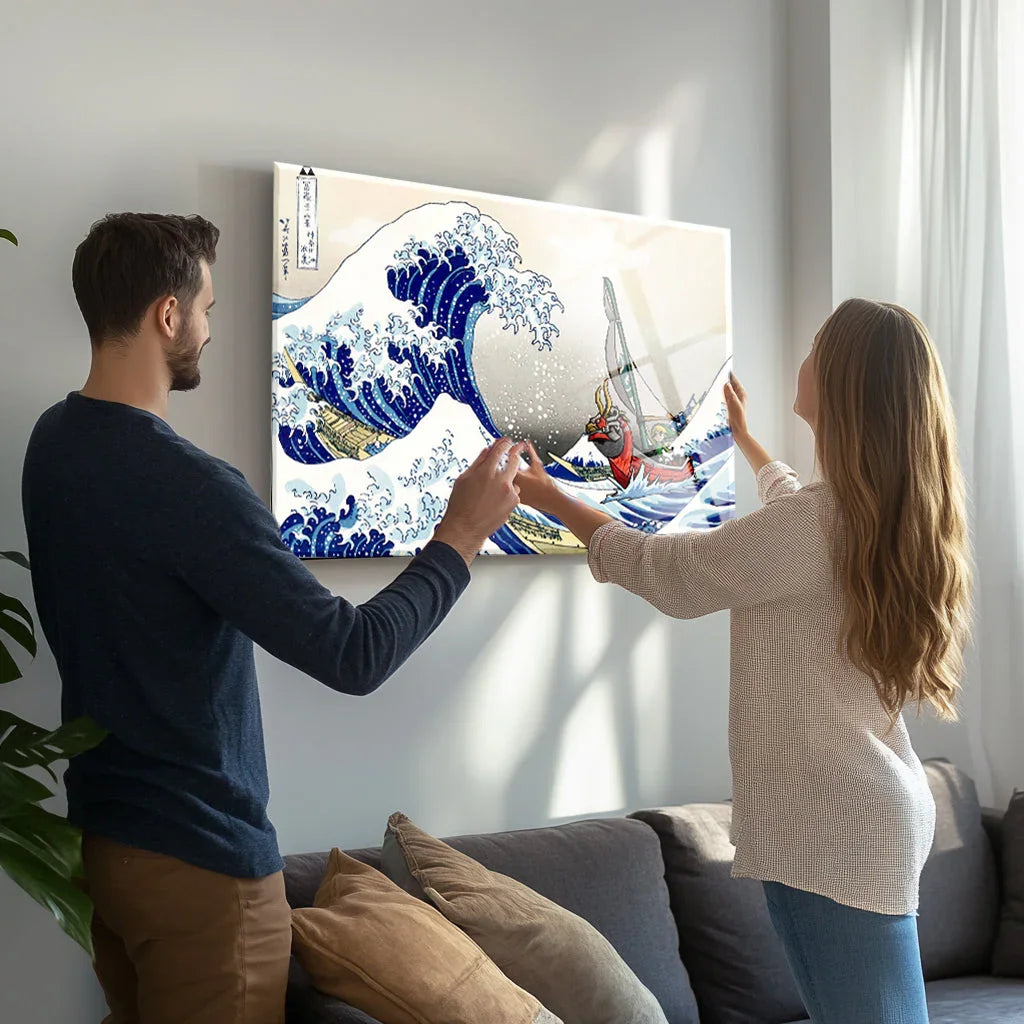
La caractéristique la plus marquante des tendances déco de 2026 est la suivante : au lieu de remplir chaque recoin, on choisit des pièces qui marquent les esprits. Nos maisons deviennent des toiles qui reflètent notre personnalité, et nos murs sont au cœur de cette transformation.
Pendant des années, nous avons cherché à rester « neutres et sans risque » . Murs blancs, petits cadres, décoration sans prise de risque. Mais 2026 est l'année de l'audace. Désormais, nos murs parlent, racontent des histoires et donnent une âme à nos espaces. Surtout le verre et Décoration Murale MétalC'est en combinant lumière, profondeur et couleur qu'elle est à l'origine de cette transformation.
Dans cet article, nous explorerons les tendances de décoration intérieure de 2026 d'un point de vue visuel et découvrirons quels styles sont en plein essor et lesquels sont délaissés.

Pourquoi nous connaissons les tendances déco de 2026
Nous avons expédié plus de 10 000 pièces de verre et Décoration Murale Métal Nous avons travaillé dans des maisons du monde entier. Nous avons constaté ce qui fonctionne aussi bien dans un petit appartement londonien que dans une spacieuse villa à Dubaï. Nous savons quelles finitions captent le mieux la lumière de l'après-midi et quels designs restent modernes cinq ans plus tard.
Ce savoir ne provient pas des études de tendances. Il provient de notre collaboration avec des décorateurs d'intérieur qui intègrent nos pièces dans les projets de leurs clients, des architectes qui les intègrent dans les nouvelles constructions, et des particuliers à travers le monde qui nous envoient des photos de leurs murs en nous demandant : « Qu'est-ce qui manque ? »
Chaque semaine, nous discutons avec des personnes qui prennent des décisions concrètes concernant leurs espaces. Leurs questions ne portent pas sur la théorie. Elles veulent savoir : ce meuble paraîtra-t-il trop petit au-dessus de mon canapé d'angle ? Le métal brossé ou le verre poli s'harmonisent-ils mieux avec des murs gris chauds ? Comment donner une impression de vide à ma salle à manger sans l'encombrer ?
Ces échanges façonnent notre sélection et notre vision de la décoration murale. Lorsque nous évoquons les tendances de 2026, nous décrivons ce qui se passe réellement dans les intérieurs aujourd'hui. Pas ce qui pourrait arriver. Pas ce qu'Instagram préconise. Ce que nous constatons dans les commandes, les photos de nos clients, les questions qu'ils nous posent.
Le verre et le métal offrent des possibilités uniques. Ils se transforment au gré de la lumière naturelle. Ils créent de la profondeur sans alourdir visuellement l'espace. Un seul élément peut structurer une pièce entière, car le matériau lui-même contribue largement à cet effet. Nous avons constaté ce phénomène des centaines de fois, et c'est pourquoi nous privilégions ces matériaux.
En lisant ce guide, vous bénéficierez de l'analyse de milliers d'installations à travers le monde. Vous trouverez des réponses aux questions que l'on nous pose quotidiennement. Et vous découvrirez des conseils avisés sur ce qui fait réellement la différence lorsque vous vous retrouvez face à un mur vierge, sans savoir quoi faire.
Que disent les chiffres : Décoration murale 2026 selon les données de recherche réelles ? Les tendances ne mentent pas, et les comportements de recherche non plus. Pinterest recense plus de 500 milliards d'idées enregistrées et affiche un taux de précision supérieur à 80 % dans ses prévisions de tendances émergentes. La plateforme offre une vision claire de l'évolution de la décoration intérieure en 2026. Le signe le plus marquant est l'essor des surfaces réfléchissantes et métalliques. Pinterest identifie le style « Glamoratti » comme l'une des tendances les plus audacieuses de 2026. Ce style se caractérise par une brillance assumée et des finitions polies. Dans les intérieurs, on privilégie les surfaces réfléchissantes comme la laque, le chrome, l'acier poli et les meubles brillants. Ces éléments structurent les espaces, diffusent la lumière et créent du contraste. Le verre et Décoration Murale Métal Cela s'inscrit naturellement dans cette tendance. L'Art déco fait également un retour en force. Les recherches pour « esthétique laiton » et « banquette cuir » ont toutes deux augmenté de 35 % d'une année sur l'autre. Cela témoigne d'un regain d'intérêt pour les formes géométriques, les accents métalliques et les surfaces imposantes. Au fond, on observe une évolution dans la façon dont les gens abordent la décoration. 42 % des personnes interrogées dans le monde déclarent ne suivre que les tendances qui leur correspondent. De plus, 55 % d'entre elles privilégient le confort au quotidien. On ne se laisse plus guider aveuglément par les tendances. On choisit des pièces qui nous sont personnelles, intemporelles et en harmonie avec notre intérieur. Une étude Pinterest révèle que les tendances évoluent 4, 4 fois plus vite qu'il y a sept ans. Les matériaux intemporels prennent donc plus de valeur. Face à une telle rapidité d'évolution, investir dans une pièce qui joue avec la lumière, s'accorde avec toutes les palettes de couleurs et résiste aux saisons est le choix le plus judicieux pour vos murs.
1. Grand format, impact maximal
L'ère des petites pièces discrètes est révolue. En 2026, une seule pièce forte accomplit ce que des dizaines de petits cadres ne peuvent pas : elle donne une identité à la pièce.
Pourquoi les grands formats sont-ils si efficaces ?
- Augmentation de la profondeur et de la saturation des couleurs
- Les surfaces en verre et en métal s'animent au gré des variations de la lumière tout au long de la journée.
- L'œuvre d'art devient un élément architectural, et non un accessoire.

Recommandation de collection : Notre Art en métal grand format Cette collection regorge de pièces impressionnantes conçues pour vos grands murs. Des œuvres qui peuvent devenir les vedettes de votre salon, de votre salle à manger ou de votre bureau.
Conseil de style : Une seule grande œuvre d'art en métal, placée au-dessus de votre canapé ou derrière votre table à manger, a un impact visuel bien plus moderne qu'un mur couvert de petits cadres. La présence affirmée d'une œuvre d'art en métal surdimensionnée transforme votre mur en un point focal qui capte tous les regards.
2. Profondeur, contraste et superposition des couleurs
Les couleurs plates et uniformes ne suffisent plus. Les tendances déco 2026 privilégient les superpositions de tons, les neutres profonds, les dégradés subtils et les teintes précieuses et douces. Les murs ne se font plus discrets ; au contraire, ils servent de support aux contrastes.
Verre et Décoration Murale Métal cela correspond parfaitement à cette tendance car :
- Intensifie les couleurs foncées ou saturées
- Crée des couches visuelles subtiles grâce aux reflets
- Ajoute de la dimension même aux compositions monochromes

Recommandation de collection : Notre Art mural abstrait Cette collection est idéale pour ceux qui adhèrent à l'esthétique interprétative et émotionnelle de 2026. Ces pièces présentent des tons superposés, des dégradés doux et des compositions organiques qui créent de la profondeur et un intérêt visuel sans récits littéraux ; exactement ce que recherchent les intérieurs modernes.
Tendance visuelle : Les compositions abstraites associées à des couleurs murales chaudes créent le langage visuel le plus puissant de 2026.
4. Moins d'œuvres, une sélection plus pointue
Les murs des galeries ne disparaissent pas, mais leur agencement devient beaucoup plus réfléchi. Au lieu de recouvrir tous les murs, on privilégie un nombre plus restreint d'œuvres, mais plus marquantes.
Cette approche met en valeur le verre et Décoration Murale Métal parce que :
- Chaque pièce est traitée comme un objet visuel indépendant
- L'espace négatif devient partie intégrante de la composition.
- L'espace donne l'impression d'avoir été « soigneusement agencé » plutôt que « décoré » .
Mentalité de conception 2026 : Un mur, une histoire.
5. Luxe discret et clarté visuelle
En 2026, le luxe se veut discret. Les finitions ostentatoires et les visuels chargés sont dépassés. La nouvelle esthétique privilégie la clarté, l'équilibre et la sérénité visuelle.
Art Mural En Verre s'inscrit dans cette tendance lorsque :
- Le design est sobre et réfléchi.
- La composition respire
- L'œuvre met en valeur la pièce plutôt que de l'envahir.

Recommandation de collection : Notre Fusion de métal miroir Décoration Murale Métal Cette collection incarne à la perfection un luxe discret grâce à l'alliance du miroir et du métal. Des pièces qui reflètent la lumière, agrandissent l'espace et y ajoutent une élégance raffinée.
Des pièces en verre abstraites aux tons neutres, des palettes de couleurs minimalistes et des compositions raffinées s'accordent parfaitement avec cette approche du luxe discret.
Les tendances dépassées en 2026 : ce qui ne fonctionne plus
1. Murs surchargés
Les murs, couverts de nombreuses petites œuvres d'art sans lien apparent, donnent désormais une impression de chaos. Ce désordre visuel distrait l'attention et amoindrit l'impact global de l'espace.
En 2026 :
- Moins d'art = impression plus forte
- Le placement intentionnel compte plus que la quantité
2. Images génériques axées sur les tendances
L'art qui n'existe que « parce qu'il est à la mode » , sans profondeur émotionnelle ni visuelle, paraît désormais jetable. Les motifs répétitifs et les visuels produits en masse se démodent rapidement.
Art Mural En Verre fonctionne mieux lorsque :
- Intemporel plutôt que tendance
- L'émotion plutôt que la décoration
- Visuellement impressionnant même sans contexte
3. Visuels plats et peu contrastés
Les motifs qui se fondent trop facilement dans le décor sont en perte de vitesse. En 2026, l'art mural doit être vu, pas perdu.
Cela ne signifie pas des couleurs criardes, mais :
- Contraste net
- Composition définie
- présence visuelle depuis l'autre bout de la pièce
Pourquoi le verre et Décoration Murale Métal Parfaitement en phase avec les tendances déco de 2026
S'il y a bien une chose qui définit les tendances déco de 2026, c'est que les matériaux comptent autant que le design. On ne se demande plus « ce qu'il y a au mur » mais « de quoi le mur est fait » . Et c'est précisément là que le verre et… Décoration Murale Métal excelle.
C'est le matériau qui fait le travail.
Traditionnel Photo Sur Toile Ils ne reposent que sur l'image. Le verre et le métal, en revanche, participent activement à votre espace. Ils ne sont pas de simples objets statiques ; ils interagissent.
La lumière devient partie intégrante de l'œuvre d'art. La lumière du matin éclaire une œuvre en verre différemment de celle de l'après-midi. Les finitions métalliques passent d'un aspect mat à un aspect réfléchissant selon l'angle de vue. Ce que vous voyez à 9 h n'est pas ce que vous voyez à 19 h. L'œuvre évolue au fil de votre journée, ce qui lui permet de conserver tout son attrait visuel.
La profondeur se crée naturellement. Le verre multicouche crée une impression de profondeur. Les surfaces métalliques captent les ombres et les lumières. Même une pièce plane paraît tridimensionnelle grâce à la façon dont le matériau interagit avec son environnement. Vous obtenez ainsi une présence architecturale sans alourdir votre mur.
Quand le moderne rencontre l'intemporel
Voici le paradoxe : le verre et le métal semblent résolument contemporains, et pourtant, ils sont utilisés en design depuis des siècles. Cette combinaison est rare et précieuse.
UN Art Mural En Verre Cette pièce s'intègre parfaitement dans un loft minimaliste aux sols en béton et poutres d'acier. Mais elle trouve également sa place dans une maison traditionnelle avec moulures et parquet. Le matériau s'adapte car il ne s'oppose pas à son environnement ; il le met en valeur.
C'est pourquoi les objets en verre et en métal vieillissent bien. Les tendances en matière d'esthétique vont et viennent, mais le matériau lui-même reste intemporel. Une pièce bien choisie aujourd'hui sera encore actuelle dans cinq ans, ce qui est loin d'être le cas pour la plupart des objets de décoration.
Moins, c'est en réalité plus
2026 rejette le maximalisme. Fini les murs couverts de dizaines de petits cadres, les étagères encombrées de bibelots et les espaces qui donnent l'impression d'en faire trop.
Verre et Décoration Murale Métal Elle s'intègre parfaitement à cet environnement car le matériau possède une présence visuelle intrinsèque. Inutile d'encombrer l'espace de trois éléments pour créer un impact. Une seule pièce forte suffit. Ses reflets, ses lignes épurées, son jeu de lumière : tout cela lui confère une présence affirmée sans encombrer l'espace.
Le minimalisme n'est pas synonyme d'ennui. Il est synonyme de choix réfléchi. Et lorsque vos décorations murales sont réalisées à partir de matériaux qui contribuent activement à l'espace, vous pouvez vous permettre d'en utiliser moins et d'obtenir un résultat plus harmonieux.
Cela fonctionne avec votre vie, et non contre elle.
Chaque pièce a ses propres besoins. Votre salon n'est pas votre chambre. Votre entrée n'est pas votre salle à manger. Le verre et le métal s'adaptent à toutes ces pièces.
Besoin d'une touche d'audace et de dynamisme pour un espace de vie ? Optez pour du métal grand format aux couleurs saturées. Envie d'une ambiance apaisante pour une chambre ? Choisissez du verre abstrait aux tons doux et feutrés. Vous souhaitez agrandir visuellement une petite entrée ? Des surfaces réfléchissantes qui diffusent la lumière et agrandissent l'espace.
La même gamme de matériaux s'adapte à toute votre maison grâce à sa polyvalence : elle permet de moduler l'ambiance en fonction du design, des dimensions et des finitions. Vous n'êtes pas limité à un seul style.
L'essentiel
À MyPhotoStation, nous avons vu des milliers de personnes transformer leurs espaces grâce au verre et Décoration Murale MétalNous avons constaté la différence avant/après. Nous savons ce qui se passe lorsqu'on remplace une toile imprimée classique par une œuvre qui s'intègre harmonieusement à sa pièce.
Vos murs ne sont pas de simples surfaces. Ce sont des espaces d'expression. Les tendances déco de 2026 sont dictées par ceux qui savent que des choix audacieux et réfléchis créent des espaces qui vous ressemblent, des espaces qui reflètent votre personnalité, et non ce qu'un catalogue vous a dicté d'acheter.
La question n'est pas de savoir si le verre et Décoration Murale Métal Cela correspond aux tendances de 2026. Il s'agit de savoir si vous êtes prêt à cesser de vous contenter de murs qui se fondent dans le décor.
Commencez à explorer : Parcourez nos collections et trouvez la pièce qui apportera les tendances les plus marquantes de 2026 à votre intérieur. Parce que vos murs méritent de raconter votre histoire.