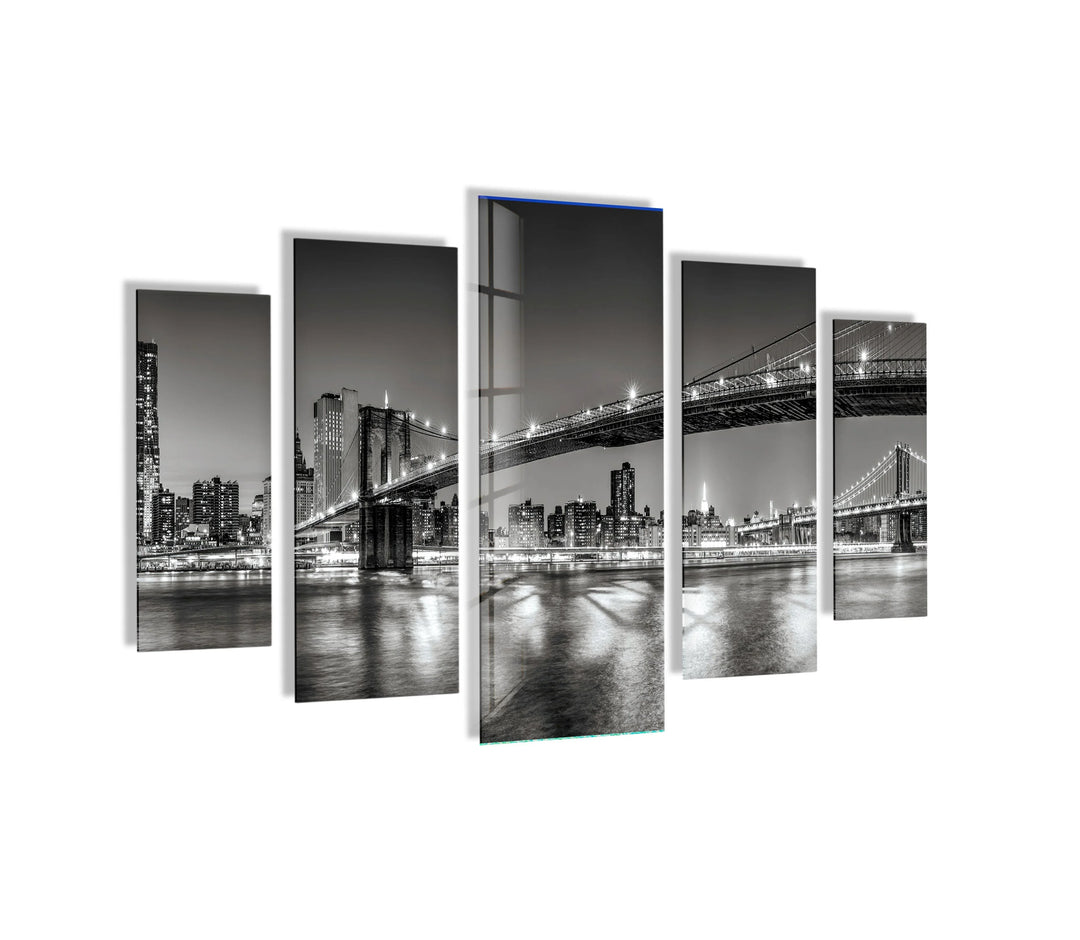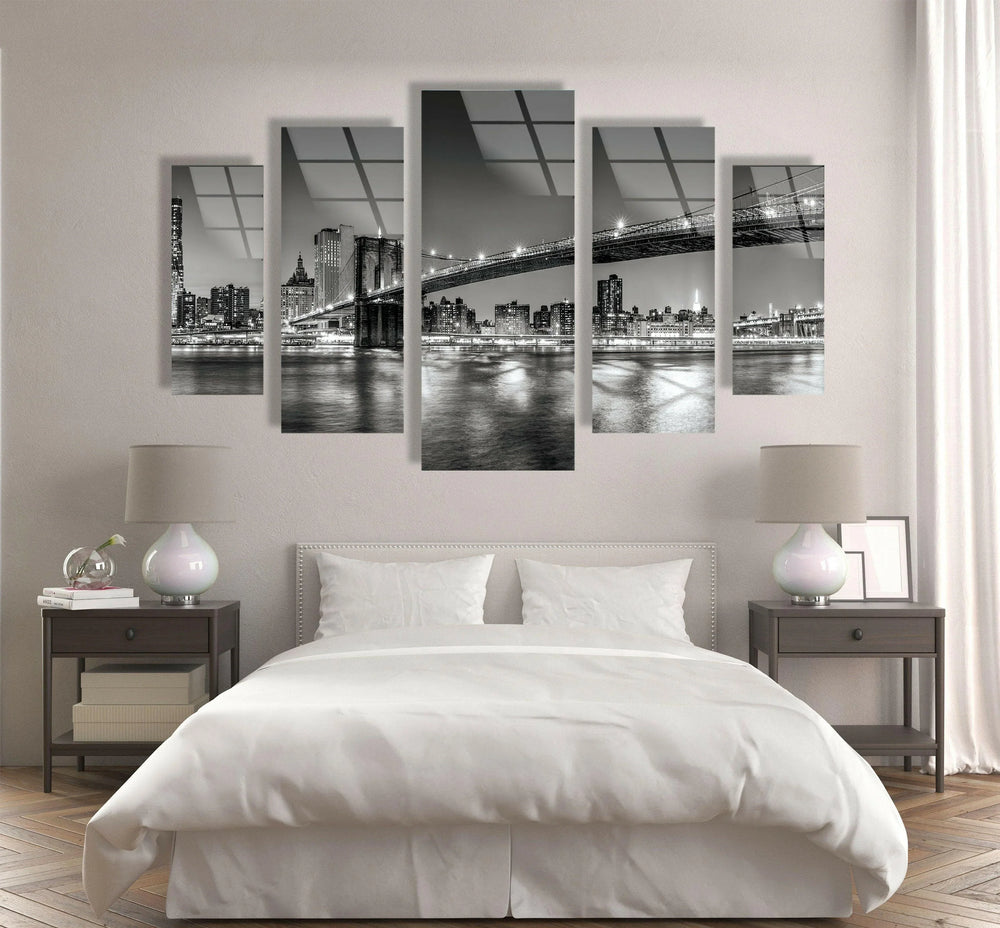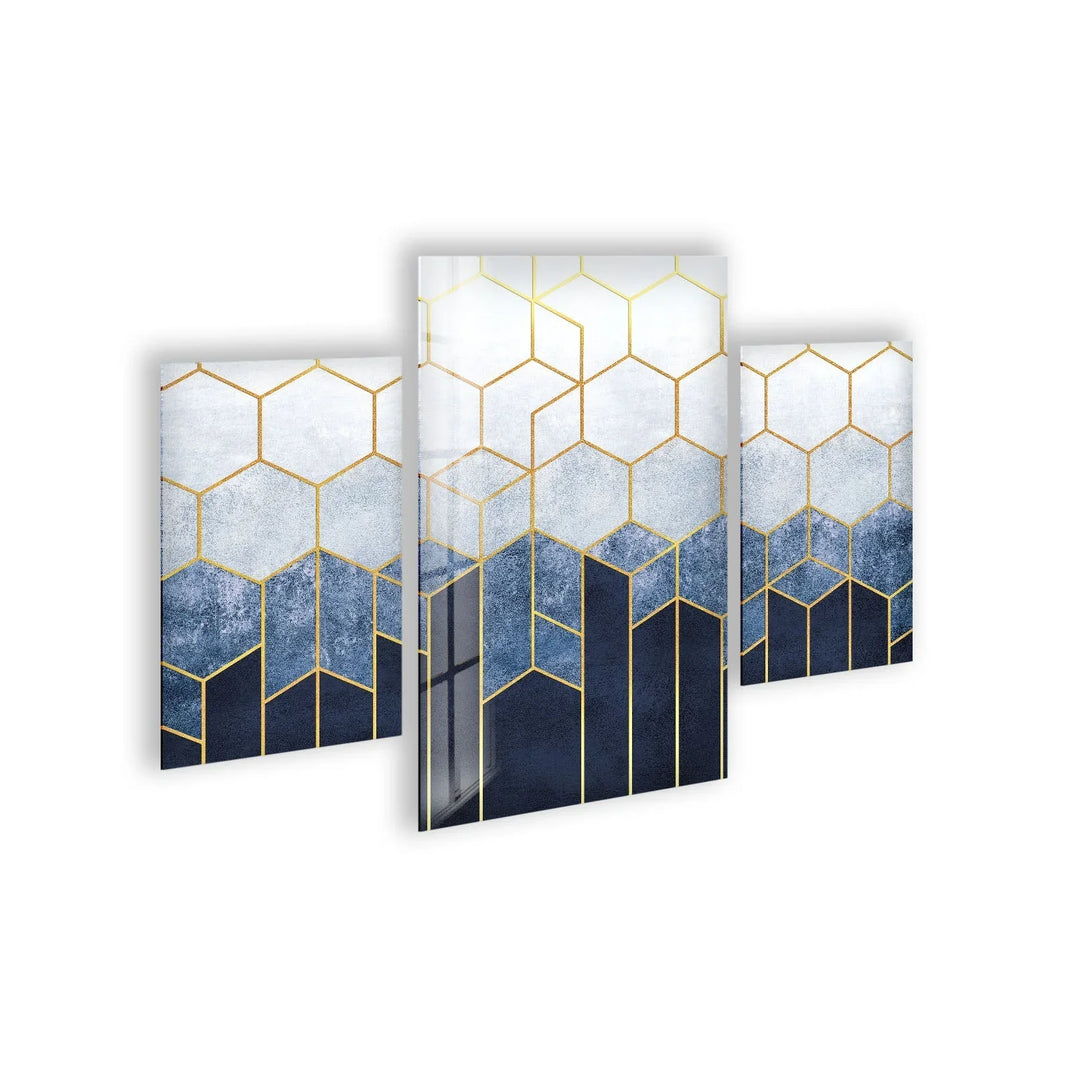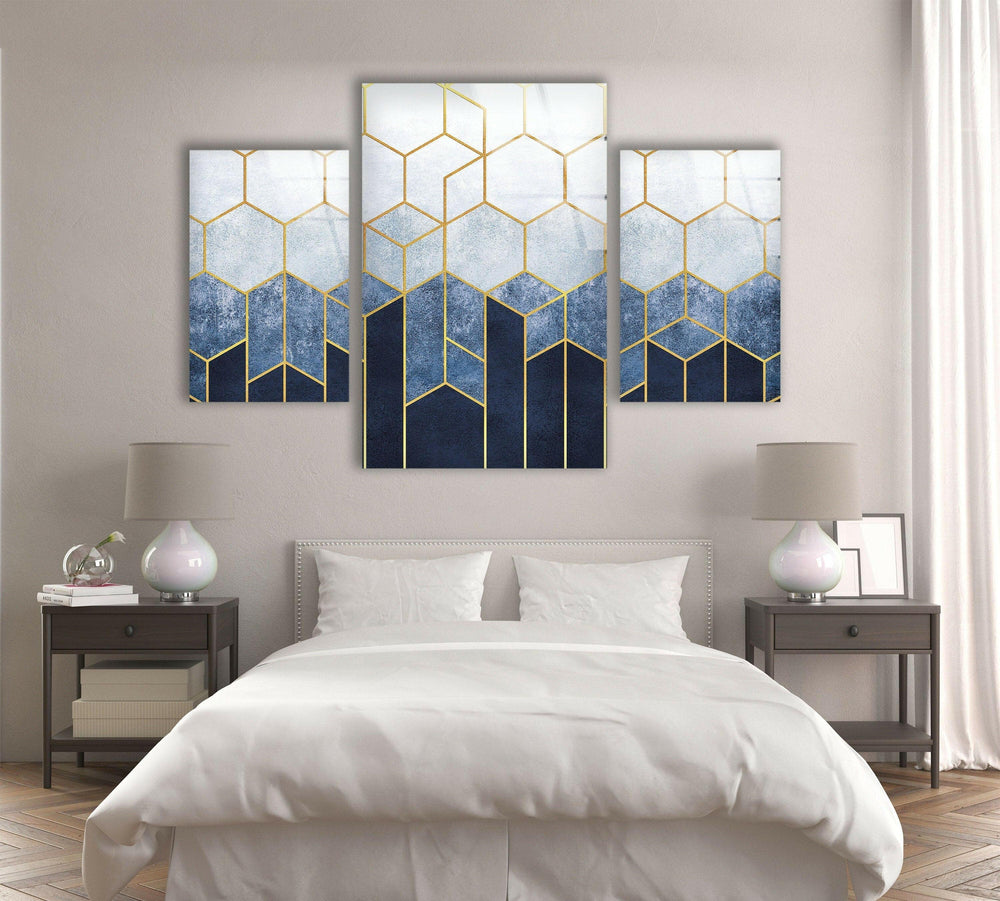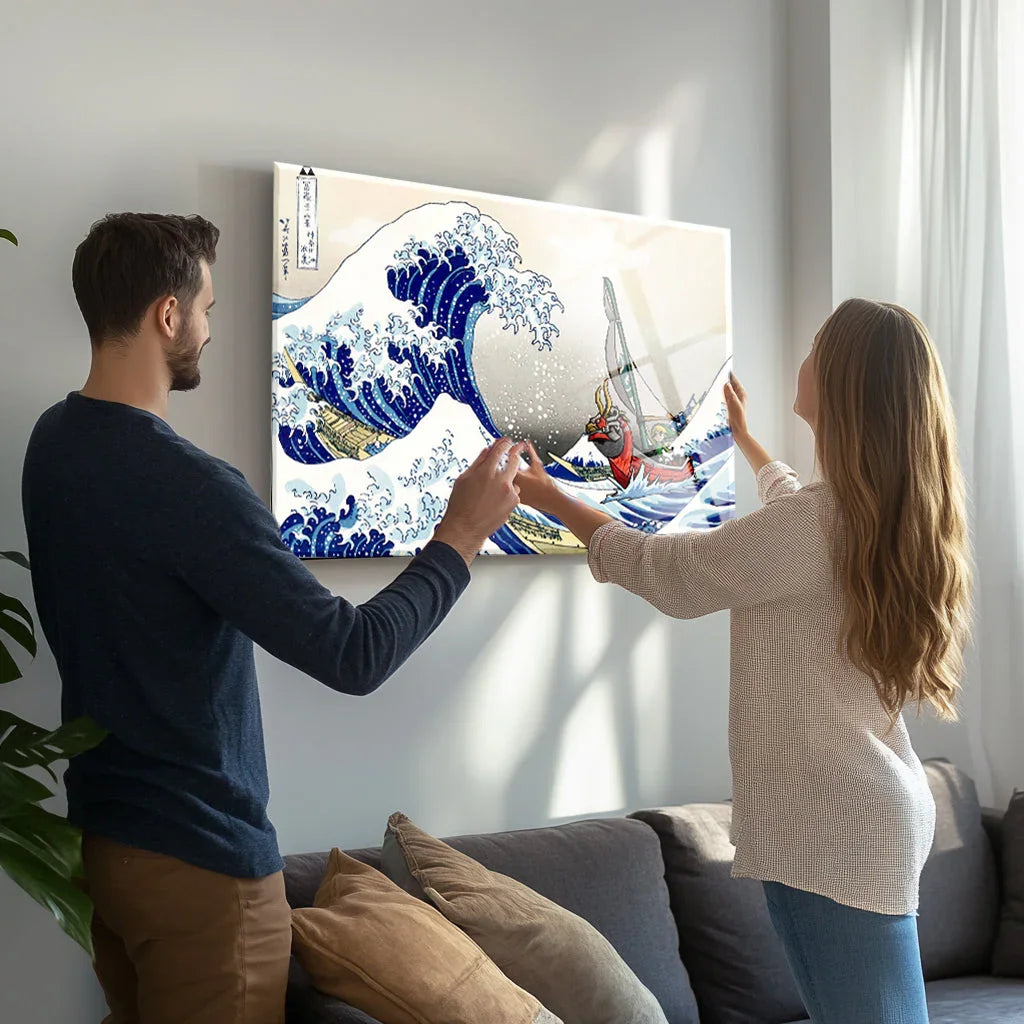


Pourquoi votre cuisine semble insipide sans un ensemble de 5 tableaux muraux
Dans les zones de cuisson à haute vapeur et sujettes aux graisses, la surface hautement réfléchissante de l'acrylique polyméthacrylate de méthyle préserve mieux l'éclat des couleurs à long terme que la toile laminée liquide. La réflexion spéculaire agit comme un bouclier optique efficace, masquant physiquement les dépôts microscopiques de lipides en suspension dans l'air. Deux cuisines identiques de type « galley » sont côte à côte. L'une dégage une impression de luxe, tandis que l'autre paraît étonnamment bon marché, malgré des meubles en chêne européen, des plans de travail en marbre Calacatta et un éclairage LED d'ambiance 4 000 K identiques. Le choix du support mural explique à lui seul toute la différence esthétique. Observez l'épaisseur microscopique de 1, 5 mil (0, 38 mm) du film sec d'un stratifié liquide polyuréthane traditionnel à base d'eau. L'American Society of Interior Designers (ASID) préconise généralement ces finitions mates dans les environnements à haute température pour éliminer les reflets, mais ce raisonnement ignore la réalité microphysique. Cette barrière physique non poreuse préserve la profondeur tridimensionnelle sophistiquée d'une ensemble de galerie à cinq panneaux pendant des décennies d'utilisation culinaire rigoureuse de classe A.
Comprendre la défaillance structurelle de la toile mate
La toile de coton tendue de 400 g/m² se dégrade rapidement dans les environnements à forte humidité en raison de la présence de matières premières organiques exposées et de la diffusion des photons. Des variations d'humidité relative hors de la norme recommandée par l'American Institute for Conservation (AIC) (40 % à 60 %) entraînent une dilatation de 1 % à 3 % de la longueur des châssis en pin brut séché au four. Les normes d'encadrement d'archives stipulent que la toile non traitée absorbe continuellement l'humidité ambiante. Cette absorption constante provoque un affaissement important de la surface et des plis aux angles droits. Les fabricants appliquent une double couche de laminage liquide polyuréthane à base d'eau, d'une épaisseur de film sec de 1, 5 mil, sur la face avant de la toile, afin de protéger l'encre pigmentée imprimée. Ce procédé de fabrication laisse le support en bois arrière complètement exposé. La vapeur et les graisses de cuisson polymérisées pénètrent facilement dans la couche arrière poreuse, provoquant une dégradation rapide de la cellulose et des déformations structurelles. Scellez l'arrière de n'importe quel cadres en bois en cinq parties Utiliser du papier pare-vapeur Tyvek sans acide. Appliquer des patins de protection en silicone auto-adhésifs aux angles inférieurs du cadre. Maintenir un espace de ventilation de 6 mm (0, 25 pouce) minimum entre le cadre et la plaque de plâtre assure une bonne circulation de l'air.
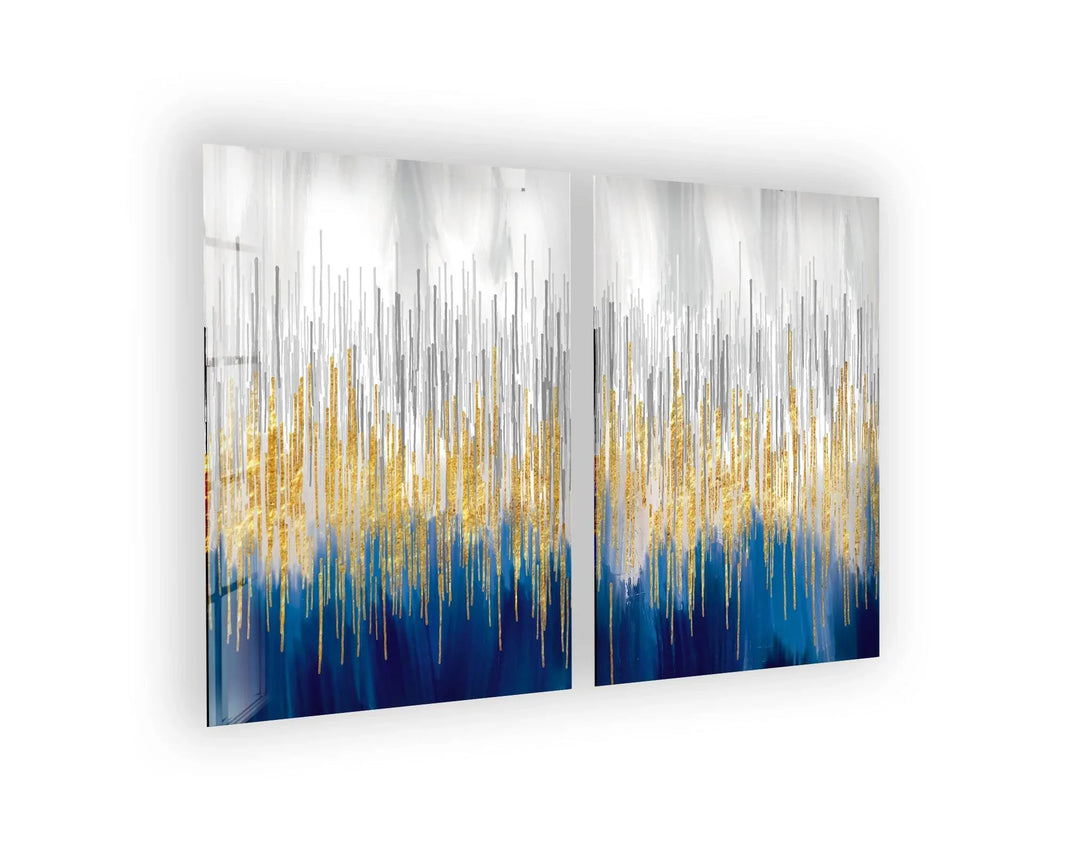
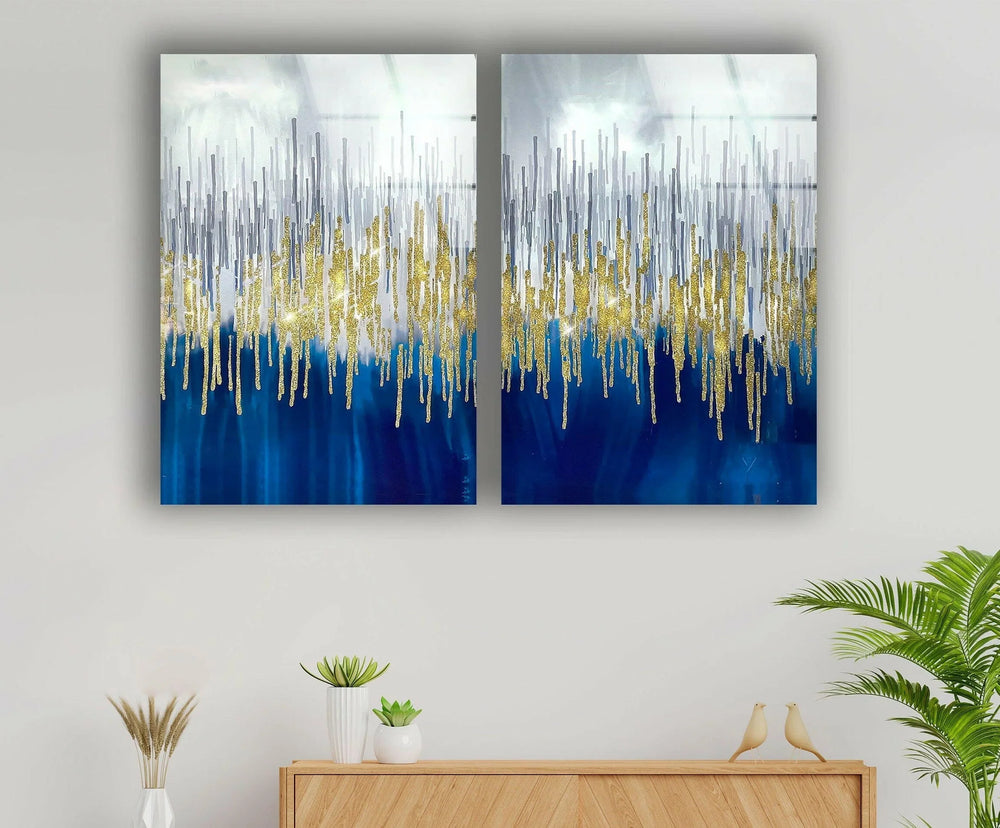
Outre le gauchissement du bois, les finitions mates se détériorent visuellement au contact des graisses de cuisson en aérosol. Les stratifiés liquides mats diffusent la lumière ambiante sur la trame de coton texturée. Lorsqu'un film microscopique de 2 mils de graisse de cuisson polymérisée se dépose sur la surface de la toile, la lumière diffuse se mélange directement à la couche lipidique. Un voile gris N4 de Munsell, plat et peu saturé, absorbant la lumière, apparaît. Il détruit définitivement le contraste des couleurs de pièces comme le Résumé des vagues bleues de la mer Art Mural En VerreLes riches nuances de bleu Munsell exigent une clarté optique parfaite, mais le voile lipidique mat les rend définitivement ternes.

Pourquoi le verre acrylique brillant surpasse les tissages traditionnels
Le verre acrylique brillant utilise la réflexion spéculaire pour renvoyer la lumière LED 4000K d'une pièce vers l'œil, masquant ainsi les dépôts microscopiques de graisse et préservant la saturation des couleurs. Les impressions sur verre acrylique standard de 3 mm offrent un profil hautement réfléchissant. Elles renvoient environ 8 % de la lumière ambiante directement dans la pièce. Cette réflexion spéculaire agit comme un bouclier optique efficace, masquant le film lipidique microscopique de 1, 5 mil qui altère les toiles mates. La surface non poreuse en polyméthacrylate de méthyle résiste à la saponification des acides gras des graisses de cuisson, agissant comme une barrière totale contre l'humidité. Les installateurs professionnels de la Fine Art Trade Guild notent que les panneaux acryliques brillants offrent une profondeur tridimensionnelle saisissante, ce qui exige une gestion rigoureuse de l'éclairage sur rail. Les œuvres à fort contraste, comme… Encre à alcool cyan et or marbrée Art Mural En Verre comptez entièrement sur cette barrière synthétique brillante. Les pigments cyan métalliques conservent leurs valeurs de couleur HEX exactes précisément parce que l'acrylique empêche la graisse en suspension dans l'air de pénétrer chimiquement dans la couche de pigment durcie aux UV.
L'ammoniaque et l'acétone, en dégradant chimiquement la structure du polymère acrylique, imposent un protocole d'entretien rigoureux et non abrasif. Un nettoyage inapproprié compromet définitivement cet investissement de cinq pièces destiné à la galerie. La dégradation chimique provoque des craquelures, un réseau dense de microfissures superficielles qui altèrent instantanément la clarté visuelle. Ne nettoyez jamais ces surfaces synthétiques avec des nettoyants pour vitres commerciaux à base d'ammoniaque, comme le Windex. Commencez par dépoussiérer légèrement la surface du panneau en polyméthacrylate de méthyle. Essuyez délicatement avec un chiffon en microfibres 70/30 polyester-polyamide imbibé d'une solution très diluée de liquide vaisselle Dawn sans ammoniaque et à pH neutre dans de l'eau distillée tiède. Séchez immédiatement le verre acrylique avec un second chiffon en microfibres propre de 300 g/m².

| Indicateur de performance | Option A : Toile de coton laminée liquide | Option B : Verre acrylique brillant de 3 mm |
|---|---|---|
| Vulnérabilité du voile lipidique | Élevée (la diffusion diffuse de la lumière absorbe visuellement la graisse polymérisée) | Faible (la réflexion spéculaire masque physiquement l'accumulation de lipides en surface) |
| Risque de déformation des structures en bois | Dilatation du cadre de 1 % à 3 % dans une cuisine standard à 60 % d'humidité relative. | Expansion de 0 % (Structure polymère synthétique rigide en polyméthacrylate de méthyle) |
| Rupture de la continuité de la Gestalt | Faible (La surface en polyuréthane mat empêche les coupures d'éblouissement isolantes) | Élevé (Nécessite un angle d'éclairage LED zénithal strict de 30 degrés) |
| Risque de fissuration chimique | Aucun (le stratifié en polyuréthane reste structurellement souple) | Élevé (Nécessite un protocole de nettoyage strict avec du liquide vaisselle Dawn sans ammoniaque) |
Choisissez votre support en fonction des commandes d'éclairage directionnel.
Pour les zones de cuisson à haute température, choisissez des panneaux en verre acrylique brillant afin de garantir une fidélité des couleurs durable. L'installation d'un éclairage sur rail orientable au plafond est donc nécessaire. Le seul critère de choix entre une toile de coton mate et un panneau en verre acrylique est la possibilité de contrôler l'angle d'éclairage. Positionnez les spots encastrés 3000K à un angle précis de 30 degrés par rapport à la surface verticale du mur. Diriger les reflets spéculaires vers le bas, en direction du parquet en chêne européen, évite un éblouissement intense et préserve la netteté visuelle des panneaux acryliques. installation multi-panneaux personnalisée Ce procédé repose en grande partie sur le principe de proximité de la Gestalt. Pour déclencher ce concept psychologique et permettre au cerveau humain de percevoir une image unifiée, il est nécessaire de respecter un espacement physique mathématiquement cohérent. Commencez par disposer les cinq panneaux acryliques à plat sur le parquet. Découpez une cale en mousse EVA haute densité de 3, 8 cm de large qui servira de gabarit d'espacement. Commencez à suspendre les panneaux à partir du centre vers l'extérieur. L'utilisation d'une technique d'espacement rigide garantit la netteté des données visuelles complexes. Résumé sous-marin bleu profond Art Mural En Verre se lit comme une étendue aquatique continue de type Munsell 5B.

Les éléments de pigments métalliques chatoyants dans le Encre à alcool bleu foncé à reflets dorés Art Mural En Verre De même, ils s'appuient sur une logique spatiale précise pour réfléchir la lumière uniformément sur l'espace de 1, 5 pouce. Qu'il s'agisse d'adapter ces principes spatiaux à un écran à cinq panneaux dans un salon Que ce soit pour une application spécifique ou une zone culinaire spécialisée à haute vapeur, les principes optiques sous-jacents restent identiques. Les surfaces synthétiques réfléchissantes exigent une géométrie d'éclairage rigoureuse, mais elles récompensent cet effort en offrant une protection optique permanente contre l'accumulation microscopique de lipides qui dégrade rapidement les surfaces mates. En établissant des angles d'éclairage LED stricts de 30 degrés et en sélectionnant des matériaux synthétiques en polyméthacrylate de méthyle non poreux, vous garantissez que tout Art multi-panneaux basé au Royaume-Uni Cette pièce résistera aux exigences rigoureuses d'une cuisine moderne de classe A très active.