

Au-delà de la décoration : utiliser l'art du verre de mer comme outil de nostalgie
Concevoir un espace de vie Bauhaus d'inspiration côtière, propice à la nostalgie, est fondamentalement un choix architectural : capturer une émotion dans une profondeur physique tangible ou la maintenir abstraite sur un plan plat et bidimensionnel. Recréer le souvenir précis d'une marée du soir, rendu dans des bleus froids et désaturés, comme la teinte Munsell 10BG, implique de reconnaître comment l'architecture physique s'oppose à l'intention émotionnelle. Les cloisons sèches projettent l'énergie vive du soleil de midi, alors que le cerveau humain aspire à la quiétude introspective du crépuscule. Intégrer des éléments tridimensionnels l'art du verre de mer L'intégration d'un objet dans une alcôve architecturale implique un calcul précis en matière de psychologie spatiale (Gestalt) . La décision fondamentale repose sur la compréhension de la manière dont le cortex visuel humain décode la présence matérielle. Rappeler un souvenir au présent par le biais d'objets tactiles et stéréoscopiques, plutôt que de le maintenir à distance par des reproductions d'archives, modifie directement le rythme biologique autonome de votre intérieur.
Proximité physique : ancrer la mémoire par les ombres sculpturales
Les boîtes d'ombre en chêne en trois dimensions stimulent les réseaux moteurs du lobe pariétal, créant ainsi un souvenir du passé robuste et ancré dans le réel. Les études en neurosciences cognitives démontrent systématiquement que la visualisation d'objets physiques réels augmente de 25 % la capacité de rappel libre par rapport aux représentations planes. Ce phénomène neurologique est connu sous le nom d'avantage de la mémoire liée aux objets réels. Un morceau de verre bleu cobalt de la mer du Nord active instantanément le cortex moteur. En observant les bords patinés, le cerveau se prépare inconsciemment à appréhender la structure silicatée. La profondeur stéréoscopique prolonge significativement le temps de fixation visuelle moyen par rapport aux supports numériques plats. La variabilité de la fréquence cardiaque augmente avec l'activation du système nerveux parasympathique. Des designers neuroesthétiques comme Ilse Crawford exploitent cette connexion somatique dans les espaces résidentiels exigeant une authenticité physique absolue. Cette réalité tactile ancre l'architecture intérieure. Le point focal, d'un vert marin givré, devient un artefact géologique tangible.
L'installation de ces sculptures en verre exige une précision mathématique rigoureuse afin d'optimiser leur impact visuel. Le centre visuel de l'œuvre doit être suspendu précisément entre 145 et 152 cm du sol, correspondant à la hauteur des yeux standard d'un adulte debout. Un luminaire LED résidentiel Sorää de 3000 K, incliné de 30 à 45 degrés par rapport au plan vertical du mur, projette des ombres marquées de 3 à 5 mm. Des entretoises en mousse sans acide de 2 mm d'épaisseur créent la profondeur nécessaire sur un fond blanc Bainbridge Alphamat Artcare. Un vitrage standard en silicate réfléchit 8 % de la lumière visible, provoquant une fatigue visuelle et un éblouissement important dû à un effet de double image dans la niche. Il est impératif d'utiliser du verre Tru Vue Museum Glass avec revêtement antireflet par pulvérisation magnétron. Ce matériau d'encadrement spécialisé maintient la réflexion de la lumière visible en dessous de 1 % tout en bloquant 99 % des UV.
Exposer des objets en verre avec une véritable profondeur physique respecte bien mieux leur histoire géologique qu'un montage affleurant. Les sculpteurs professionnels de silice comprennent que l'origine physique de leur matériau confère une importance structurelle absolue. Qu'elles proviennent de la côte sauvage du Northumberland ou soient travaillées dans un atelier verrier de Murano, les pièces en verre portent en elles une histoire géologique singulière. Pierres de mer colorées Art Mural En Verre Cette œuvre illustre parfaitement cette stratégie d'immersion tactile et stéréoscopique. Les contours variés des pierres de silicate dépolies exigent une profondeur intérieure de 3, 8 à 5 cm dans le coffret en noyer. Cette dimension précise permet à un éclairage chaud de 3 000 K de projeter des ombres distinctes sur le panneau arrière en coton, créant ainsi un effet saisissant d'espace négatif qui capte le regard du spectateur.

Pourquoi les impressions bidimensionnelles favorisent la rêverie cognitive
Les tirages pigmentaires d'archives Epson UltraChrome Pro sur papier Hahnemühle Photo Rag 308 g/m² instaurent une distance psychologique, permettant au cerveau de traiter la nostalgie comme un concept abstrait et immaculé. La théorie du niveau de conceptualisation stipule que les êtres humains traitent les objets physiquement distants ou intangibles grâce à une cognition étendue et de haut niveau. Un tirage photographique plat, en deux dimensions, crée un cadre de représentation immédiat. Impossible de le toucher. L'objet demeure physiquement hors de portée, détournant notre traitement cognitif du présent concret. Cette distance spatiale intentionnelle remplit une fonction psychologique particulière dans l'architecture minimaliste moderne. En maintenant l'objet insaisissable, le cortex visuel primaire (V1) se repose, permettant au réseau du mode par défaut (RMP) de vagabonder vers une rêverie idéalisée de jeunesse côtière. On s'affranchit ainsi de la réalité matérielle immédiate de la poussière, des micro-rayures et du cadre physique en frêne. Les impressions plates en deux dimensions constituent le choix de design supérieur pour un voyage émotionnel profond dans le temps, au cœur même de l'intérieur.
L'éclairage est tout aussi déterminant pour la réussite de cette approche bidimensionnelle que pour celle des sculptures stéréoscopiques. Réglez un variateur Lutron Caséta avec une LED 3000K pour obtenir précisément 150 à 200 lux à la surface du chiffon de coton Hahnemühle. Un éclairage précis empêche les longueurs d'onde blanches à haute énergie d'atténuer la profondeur émotionnelle des pigments bleu de Prusse et cobalt. Même sans niche sur mesure, un vitrage antireflet Optium Museum Acrylic est indispensable pour préserver l'illusion d'une vision directe. Les reflets spéculaires indésirables rompent le cadre de la représentation, ramenant brutalement le spectateur à la géométrie euclidienne de la pièce. La mise en œuvre réussie de cet éclairage d'ambiance exige un contrôle photométrique rigoureux.
Lorsque les contraintes physiques de la gravité et de l'ombre disparaissent, l'image plane devient une pure étude de la théorie des couleurs de Munsell et des proportions du nombre d'or. Opter pour des reproductions giclées de fragments côtiers déplace l'attention neurologique de l'objet physique tangible vers la composition abstraite. Paysage marin en noir et blanc avec pleine lune Art Mural En Verre L'œuvre exécute cette application abstraite avec une perfection absolue. Une composition monochrome à fort contraste gomme toute information chromatique tactile, s'appuyant entièrement sur l'ancrage visuel de la Gestalt pour plonger le spectateur dans un état de profonde introspection. Elle efface la réalité physique immédiate de l'océan Atlantique, ne laissant subsister que la mémoire de sa structure géométrique. La surface plane de la toile Hahnemühle offre une structure visuelle architecturale d'une grande sobriété.

| Approche de conception | Mode de traitement cognitif | Niveau d'éclairage optimal | Impact de la durée du regard | Type de récupération de la mémoire |
|---|---|---|---|---|
| Immersion en boîte d'ombres 3D | Activation du réseau moteur (lobe pariétal) | 150 à 200 lux avec un décalage lumineux de 30 degrés | augmentation du temps de séjour de 25 à 30 % | autobiographique somatique et concrète |
| Abstraction représentationnelle 2D | Abstraction de la théorie du niveau de conceptualisation | 150 lux stricts pour la saturation des pigments | Engagement de base standard | Idéalisé et émotionnellement expansif |
Évaluation de l'espace : faire votre choix final
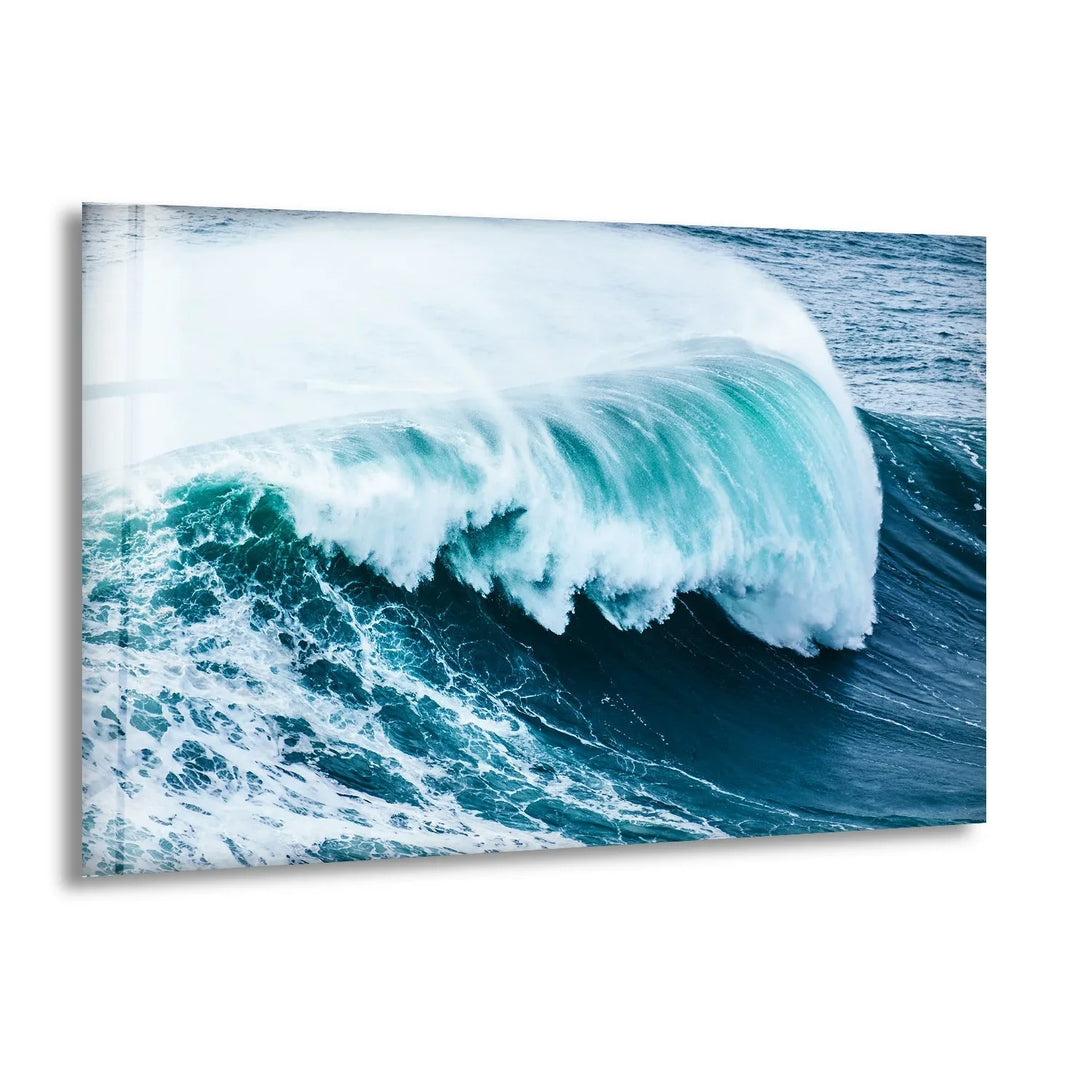
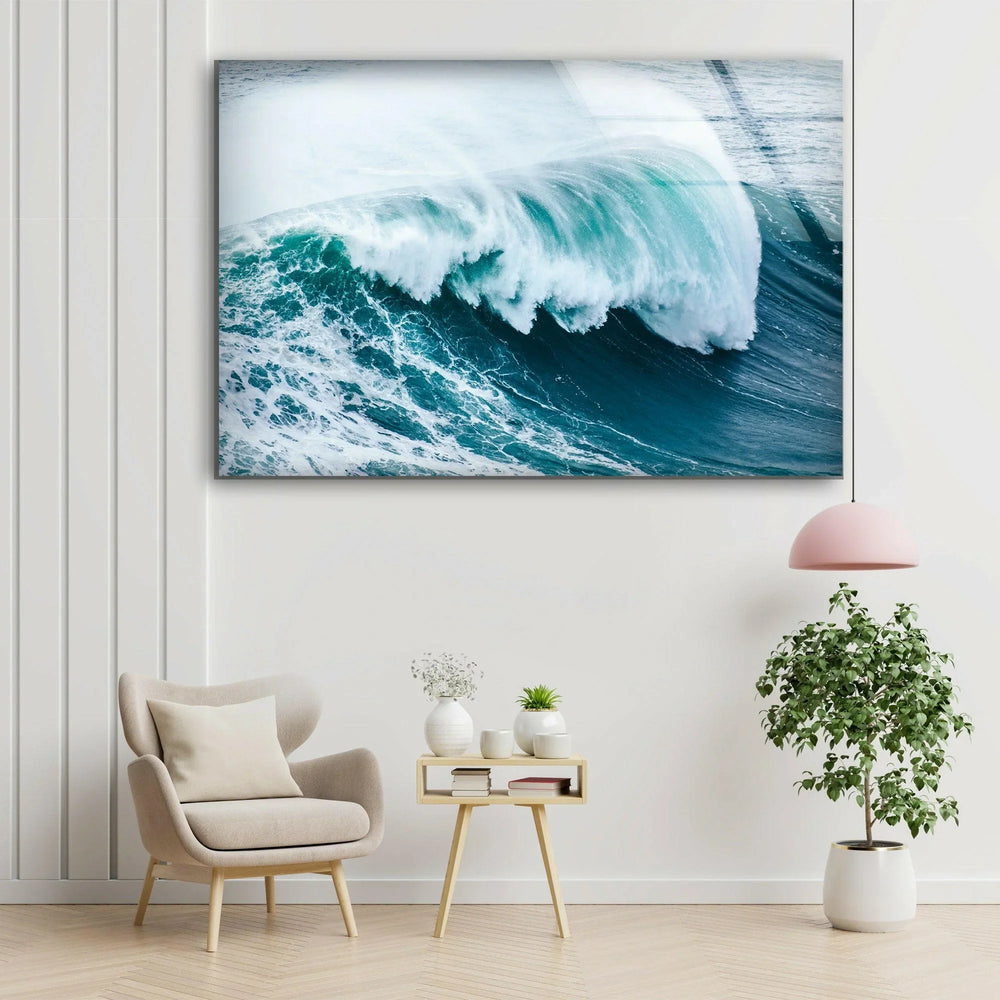
Votre décision architecturale finale dépend entièrement du besoin de l'espace en question : ancrage sensoriel somatique ou évasion cognitive au niveau conceptuel ? La nostalgie agit comme un régulateur physiologique du cortisol, mais c'est vous qui déterminez la manifestation de ce mécanisme neurochimique par le choix des matériaux. Si un salon wabi-sabi vous paraît chaotique et que vous recherchez une stimulation parasympathique du nerf vague, optez pour une approche stéréoscopique tridimensionnelle avec des micro-bordures distinctes de 10 mm d'espace négatif. Vue aérienne des vagues de la mer Art Mural En Verre Elle remplit très efficacement cette fonction d'ancrage neurologique. La perception du rythme physique des marées oblige le cortex visuel occipital à décoder la profondeur stéréoscopique réelle et à stabiliser les rythmes circadiens autonomes.

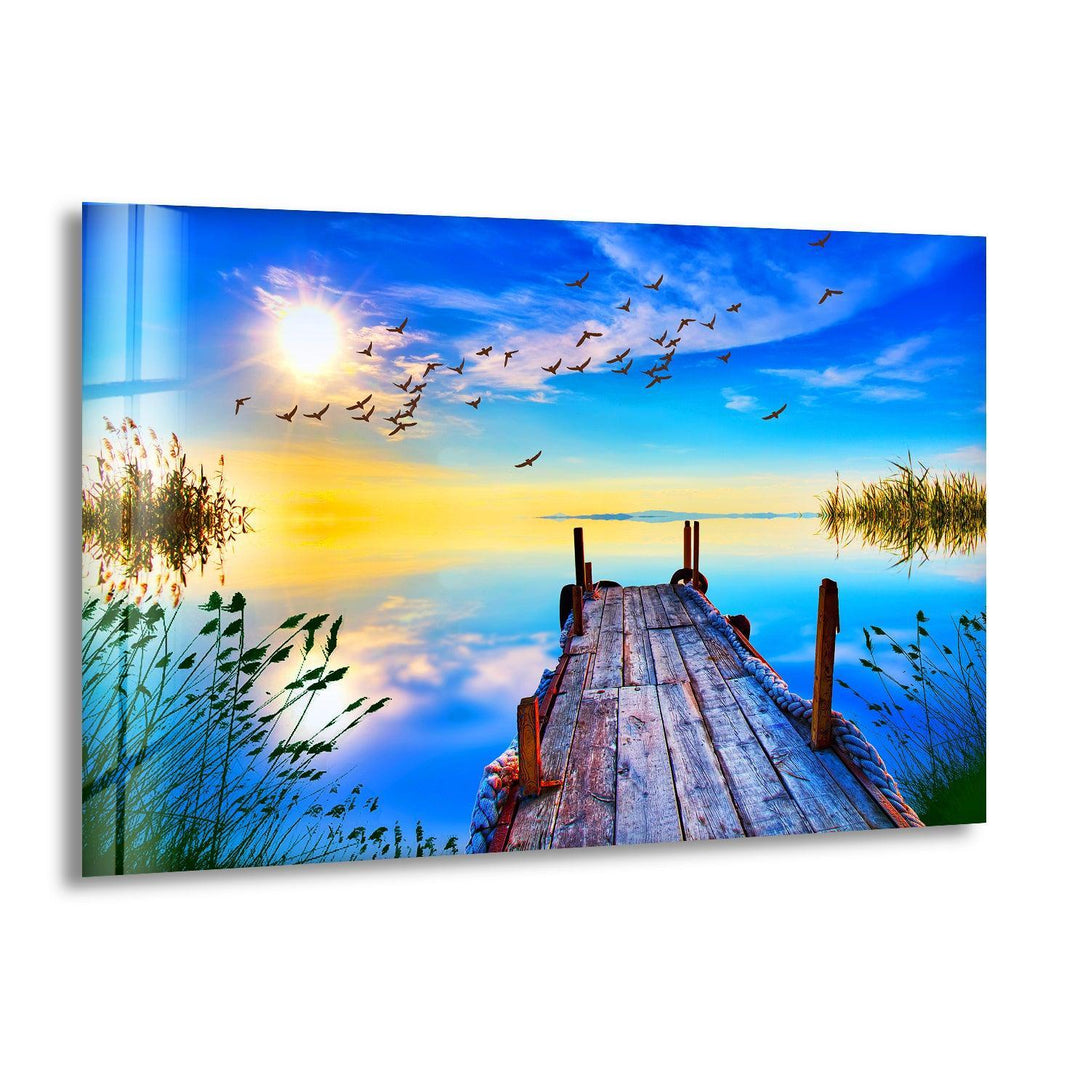
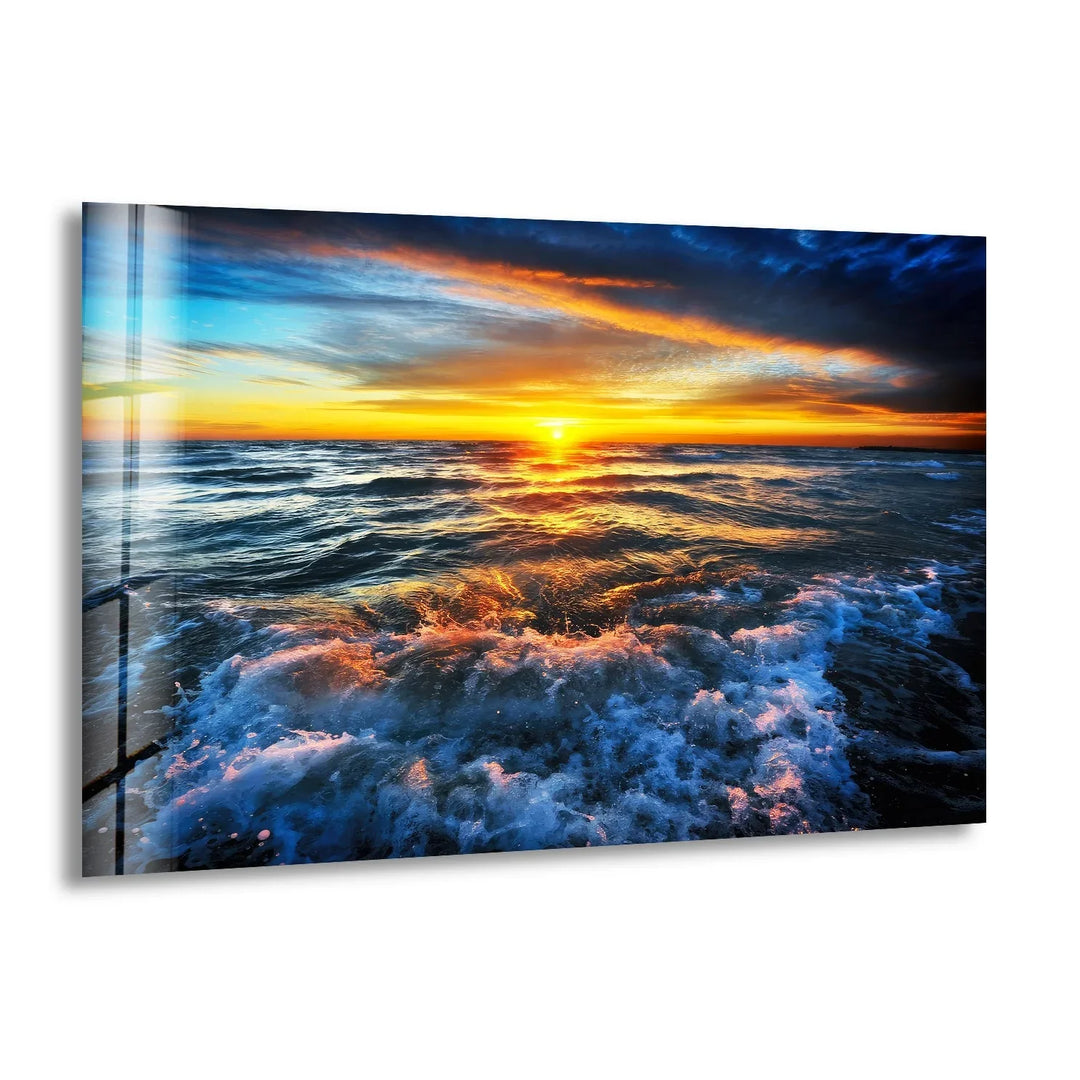
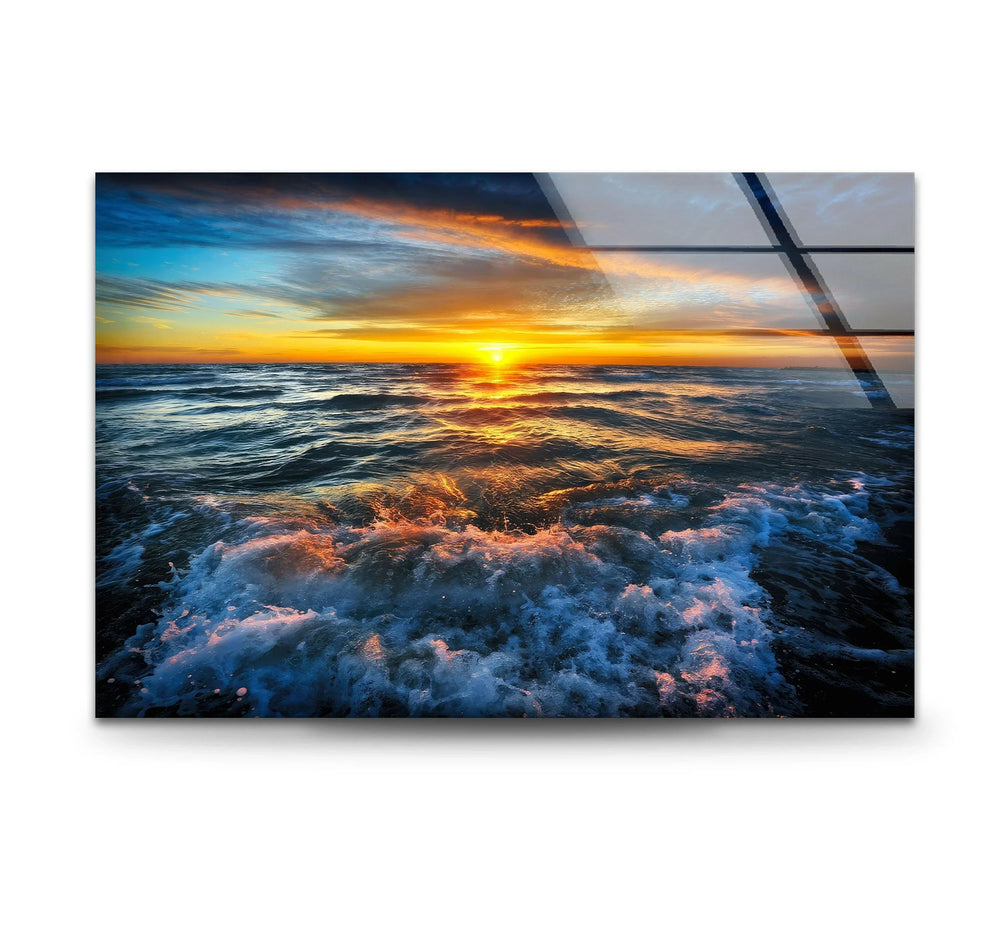
En gérant activement le choix architectural entre une profondeur physique tangible favorisant l'ancrage du réseau moteur et des plans esthétiques plats permettant une évasion cognitive en mode par défaut, vous créez un environnement qui anticipe biologiquement vos besoins psychologiques. Si la pièce sert de bureau silencieux à l'époque victorienne ou de coin lecture bleu Hague de Farrow & Ball, l'approche abstraite bidimensionnelle est le bon choix. Mosaïque du coucher de soleil sur l'océan Art Mural En VerreUn paysage marin radieux Ce procédé s'inscrit dans le cadre constructiviste spécifique. L'intensité chromatique de ce format giclée exige un contrôle précis de la luminosité afin de maintenir l'activation parasympathique sans surcharger le nerf optique (nerf crânien II) . Les recherches de l'Association américaine de psychologie (APA) sur la nostalgie montrent de façon constante que la remémoration de souvenirs autobiographiques agit comme un puissant filet de sécurité émotionnel, apaisant l'ensemble du système nerveux autonome. Vous maîtrisez cette approche de psychologie spatiale en examinant méticuleusement les dimensions texturales stéréoscopiques spécifiques au sein d'un ensemble soigneusement sélectionné. l'art du verre de mer portefeuille.