

Décoration murale Gustav Klimt : Choisir pour la chambre
Choisir des œuvres d'art pour sa chambre va bien au-delà de la simple décoration ; cela façonne l'atmosphère de votre espace le plus intime, influençant directement votre humeur et la qualité de votre sommeil. Les informations visuelles que nous recevons avant de nous endormir peuvent modifier considérablement l'architecture du sommeil, affectant la rapidité avec laquelle nous nous endormons et la profondeur de notre sommeil. Considérez l'impact distinct des différents styles de Art mural de Gustav Klimt Il peut influencer l'atmosphère intime de votre chambre. Son œuvre propose deux grandes orientations esthétiques pour l'aménagement de votre chambre : des compositions opulentes et dorées, et des pièces plus sobres et contemplatives. Chacune contribue de manière unique à l'ambiance, tant psychologique que visuelle, de votre pièce. À vous de choisir.
L'esthétique de la phase dorée : opulence et chaleur
Les œuvres de la « Période dorée » de Klimt sont célèbres pour leurs teintes riches et précieuses et leur utilisation abondante de feuilles d'or, un style que Interiors By Popov qualifie de décoratif et séduisant. Ces pièces dégagent une profonde impression de luxe et de grandeur romantique. Elles permettent d'insuffler du raffinement à tout intérieur, qu'il soit minimaliste ou maximaliste, créant un espace accueillant grâce à leur chaleur et leur richesse intrinsèques, comme le souligne Stanley Street Studio. Cette catégorie d'œuvres encadrées de Gustav Klimt affirme une présence remarquable.
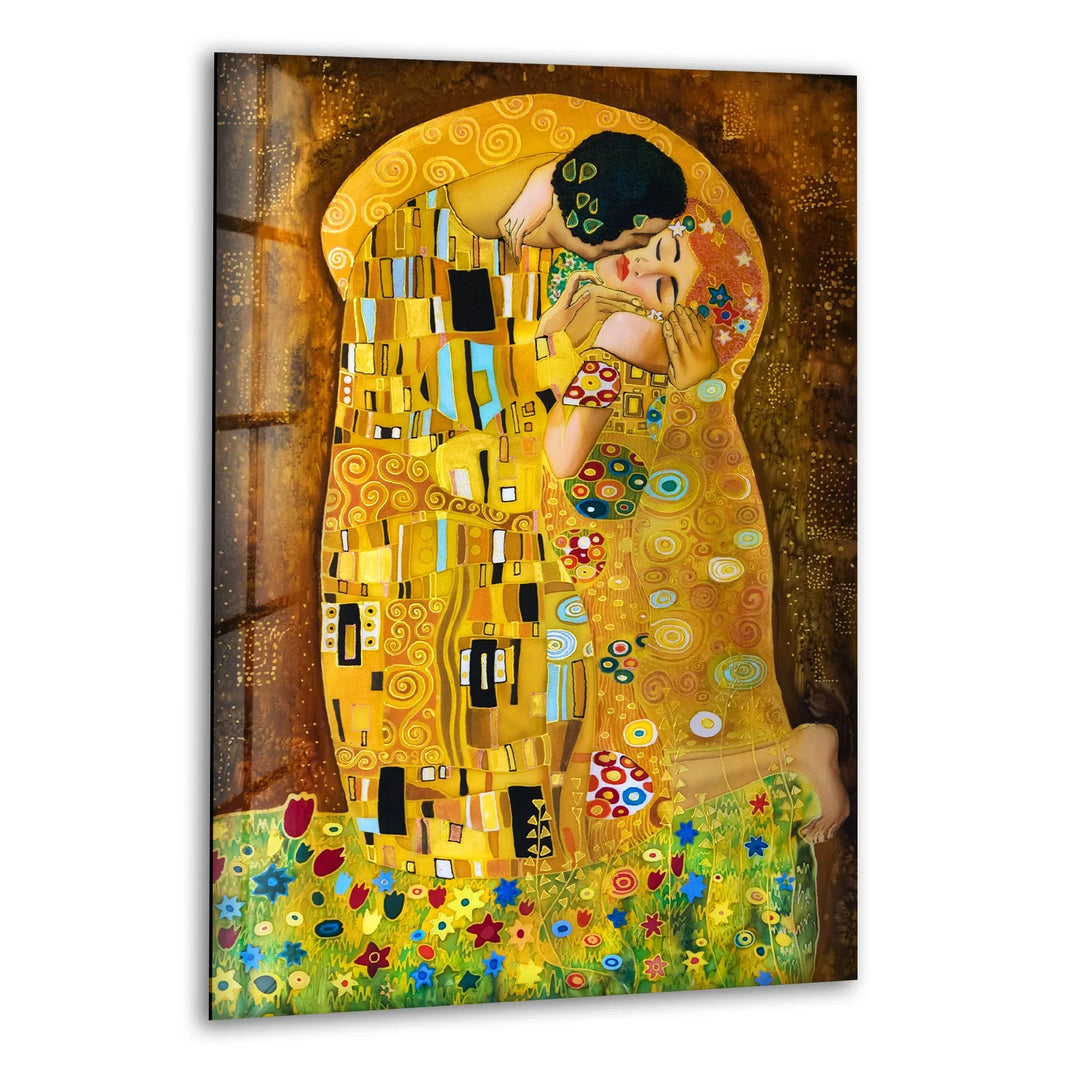
Considérez le Gustav Klimt, Le Baiser Art Mural En VerreSes motifs complexes et son étreinte sensuelle rayonnent de passion et d'élégance. Cette œuvre constitue un point focal exceptionnel, notamment lorsqu'elle est placée sur un mur visible dès l'entrée de la chambre, mais hors de la vue directe du lit au moment du coucher.

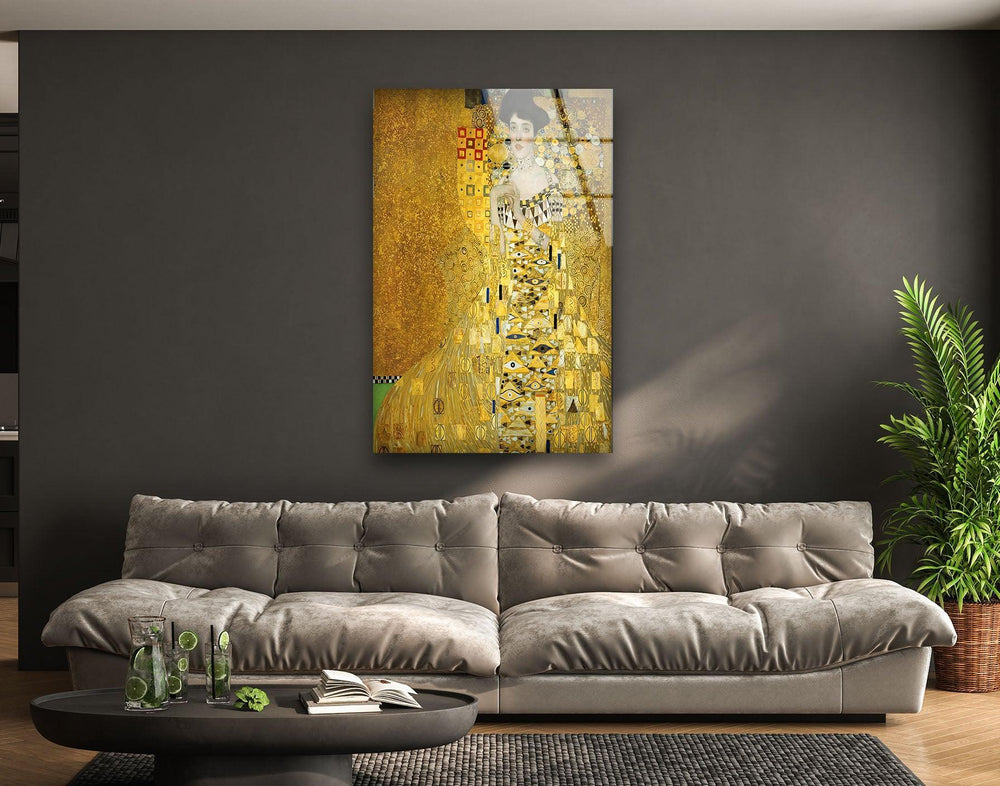
De même, le Portrait d'Adèle Bloch-Bauer par Gustav Klimt Art Mural En Verre Cette œuvre illustre à merveille le même luxe de détails et le même éclat doré. Elle confère une présence à la fois majestueuse et accueillante. Ses détails saisissants captivent le regard. Ce type de tableau grand format, signé Gustav Klimt, trouve parfaitement sa place dans une chambre conçue pour la contemplation ou la lecture, plutôt que comme dernière image avant de fermer les yeux. Si l'art stimulant, notamment celui aux contrastes marqués ou aux reflets dorés éclatants, peut s'avérer trop énergisant pour un espace de sommeil s'il est placé directement dans le champ de vision du lit, il me semble que l'objectif est souvent moins l'esthétique que la promotion d'un véritable repos. Cette distinction est essentielle.

La force de ces pièces réside dans leur capacité à insuffler une élégance et un raffinement incomparables. Elles s'intègrent parfaitement dans les chambres où l'on souhaite créer un refuge luxueux, un espace intime empreint de raffinement et de beauté. Leurs compositions ornementées ajoutent de la texture. Toutefois, l'équilibre est essentiel : une prédominance de l'or peut être envahissante. Choisissez une œuvre d'art aux tons dorés comme point focal, et harmonisez son opulence avec des textures et des couleurs plus douces dans le reste de la pièce.
Sérénité raffinée : des teintes plus apaisantes et une contemplation plus profonde
Au-delà de ses célèbres œuvres dorées, Klimt a exploré des paysages et des pièces symboliques qui offrent une atmosphère résolument différente. Ces œuvres se caractérisent souvent par des teintes plus claires, une présence d'or plus discrète ou des formes abstraites. Leur but est de favoriser la sérénité et une atmosphère propice à la contemplation. Il a été démontré que les pièces agrémentées d'œuvres d'art soigneusement choisies réduisent sensiblement les marqueurs physiologiques du stress, comme le rythme cardiaque, et favorisent ainsi un calme réparateur. Elles sont donc idéales pour un sommeil paisible.
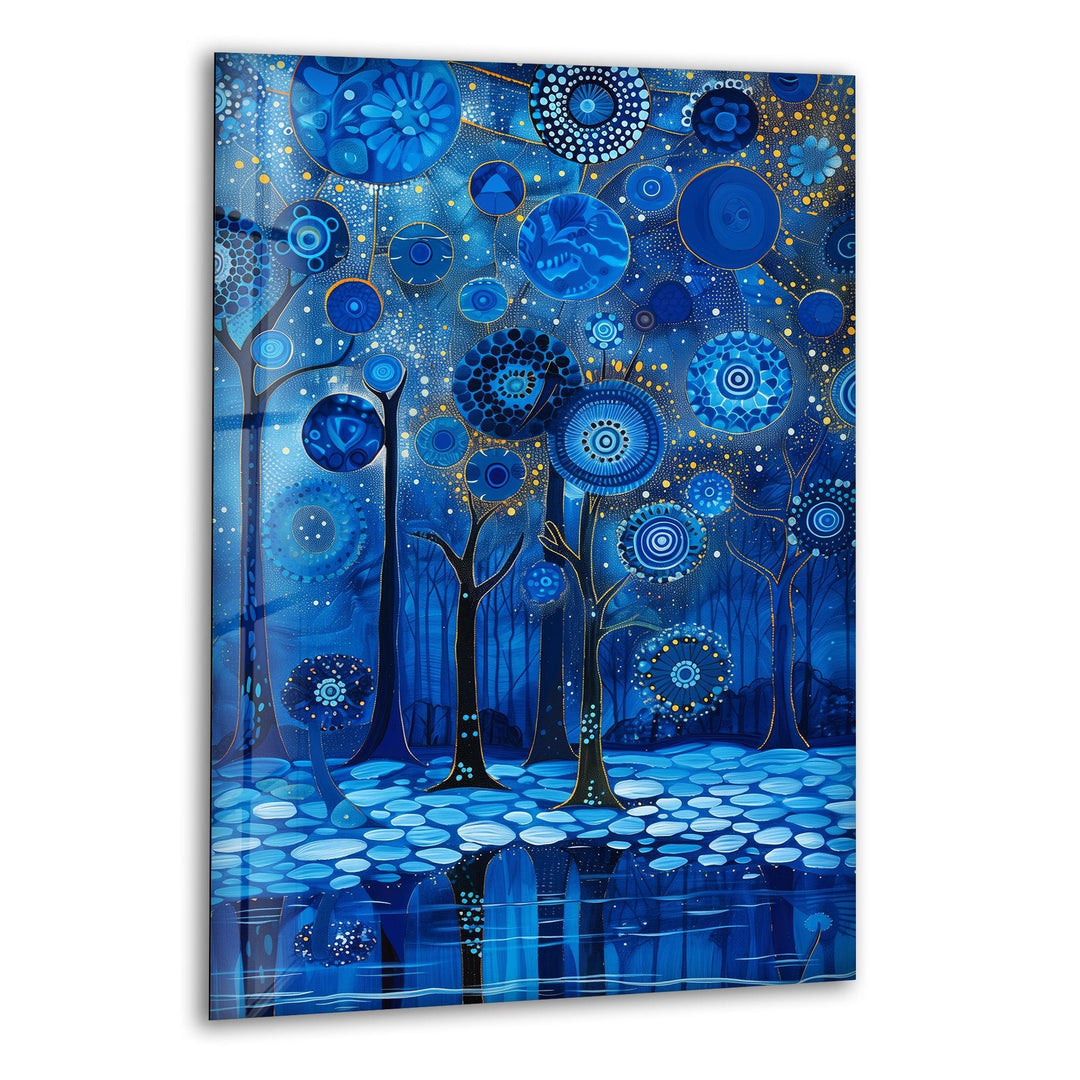
Le Gustav Klimt et Yaitoi Kusa Art Mural En Verre Cette œuvre en est un exemple saisissant. Bien qu'abstraite, ses textures superposées et sa composition unique invitent à une contemplation prolongée, favorisant un état méditatif plutôt qu'une stimulation énergisante. Son design est résolument contemporain. Une telle pièce trouve parfaitement sa place sur un mur visible depuis le lit, offrant un intérêt visuel sans surstimulation. Ces choix artistiques sont le reflet d'une réflexion personnelle.

Prenons l'exemple des paysages moins connus de Klimt, souvent caractérisés par des tons terreux et des nuances de pierres précieuses adoucies, dans le respect des principes de l'Art nouveau, avec leurs formes fluides et leurs motifs inspirés de la nature. Si nous proposons des reproductions en verre détaillées, le marché offre également des toiles et des tentures murales de Gustav Klimt dans cette esthétique plus sereine. Elles apportent une touche d'élégance sans l'éclat métallique, ce qui s'accorde parfaitement avec les chambres minimalistes ou de style scandinave. L'objectif est de créer une atmosphère de paix intérieure. Placer des œuvres plus douces et moins dynamiques sur les murs visibles depuis le lit favorise la détente.
L'impact de telles œuvres d'art est subtil mais profond. Elles créent un environnement propice à la détente et à l'introspection. Cette approche évite que les stimuli visuels ne perturbent l'endormissement. Elles s'intègrent naturellement, apportant profondeur et caractère.
| Facteur | Art de la Phase Dorée | Art serein/contemplant |
|---|---|---|
| Ambiance évoquée | Luxe, romance, grandeur | Calme, introspection, paix |
| Impact visuel | Pièce forte, centrale et marquante | Subtil, intégré, harmonieux |
| Palette dominante | Or riche, couleurs précieuses | Tons sourds et naturels, teintes claires |
| Placement idéal | Mur secondaire, au-dessus du lit (pour une vue depuis l'éveil) | Murs directement visibles depuis le lit, au-dessus du lit (pour dormir) |
Faire le choix de sa chambre
Le choix d'une décoration murale Gustav Klimt dépend de l'ambiance que vous souhaitez créer dans votre chambre. Si vous rêvez d'une chambre grandiose et romantique, où le design opulent et l'impact visuel sont à l'honneur, une œuvre de la période dorée de Klimt est tout à fait appropriée. Placez-la avec soin pour qu'elle puisse être admirée sans perturber votre sommeil. Veillez à ce qu'elle mesure environ les deux tiers de la largeur de votre lit ou de votre tête de lit afin de préserver l'harmonie visuelle. Accrochez le bord inférieur 15 à 20 cm au-dessus de la tête de lit. Cela créera un lien visuel avec le reste du mobilier.
Cependant, si votre priorité est un espace calme et ressourçant, propice au sommeil et à la contemplation, privilégiez les paysages plus doux de Klimt ou des compositions plus abstraites, moins dorées. Ces œuvres s'accordent avec l'idée que notre système visuel reste actif avant le sommeil, faisant ainsi d'une imagerie sereine un choix judicieux pour un meilleur repos. Pour une œuvre d'art principalement contemplée en position assise, placez-la à environ 105-120 cm du sol. Évitez les erreurs courantes comme accrocher une œuvre trop haut ou choisir des dimensions disproportionnées. Une œuvre trop petite se perd dans le décor. Une œuvre surdimensionnée domine la pièce.
Quel que soit le style, assurez-vous que votre grand tableau de Gustav Klimt soit solidement fixé, surtout s'il est placé au-dessus du lit. Privilégiez des fixations robustes. L'œuvre d'art doit refléter la personnalité de celui ou celle qui occupe l'espace, en y apportant joie, paix ou enthousiasme. Vous devez adorer votre choix. Créez votre propre havre de paix. Que vous recherchiez l'opulence ou la sérénité, vous trouverez la pièce idéale pour votre chambre en explorant notre collection complète. Art mural de Gustav Klimt collection.