

Budget Planning Strategies for Large-Scale Paris Wall Art
Aligning the physical longevity of your artwork with your room's design timeline dictates effective budget planning. Exactly 864 square inches is the visual footprint of a standard 24-inch by 36-inch architectural giclée print, and filling that space forces a choice between generational permanence and strategic obsolescence. When dividing a blank three-meter wall, sourcing a large Parisian lithograph over three smaller 11-inch by 14-inch IKEA Ribba frames creates a spatial argument about room scale. It establishes visual weight. The 137 percent price premium required for a 200-year Epson SureColor archival print is a sunk cost if your interior design narrative updates every decade. Strategic obsolescence executes museum-scale impact on a practical budget. Understanding when to deploy disposable grandeur guarantees you execute your paris wall art layout successfully.
The Case for 310gsm Hahnemühle Photo Rag
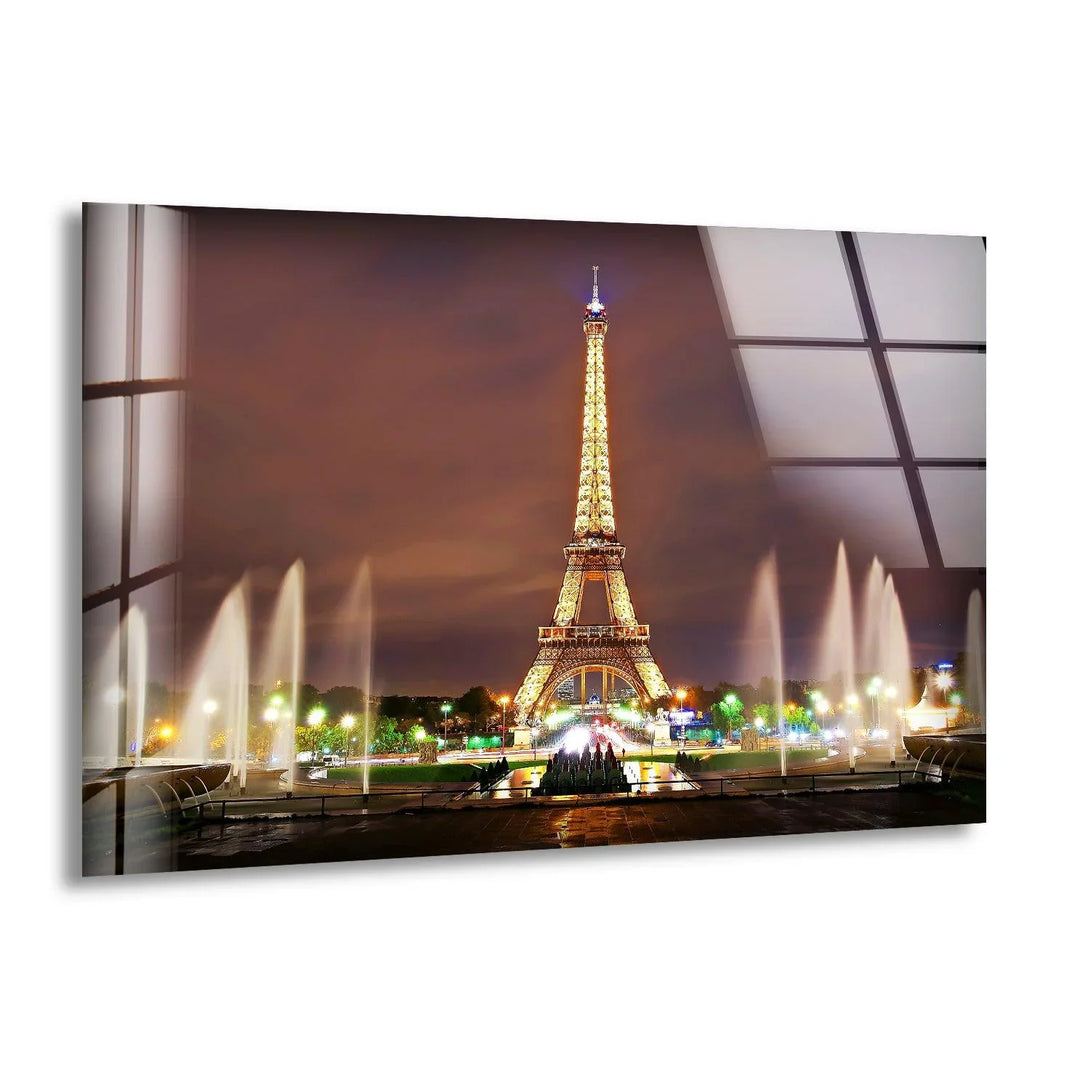
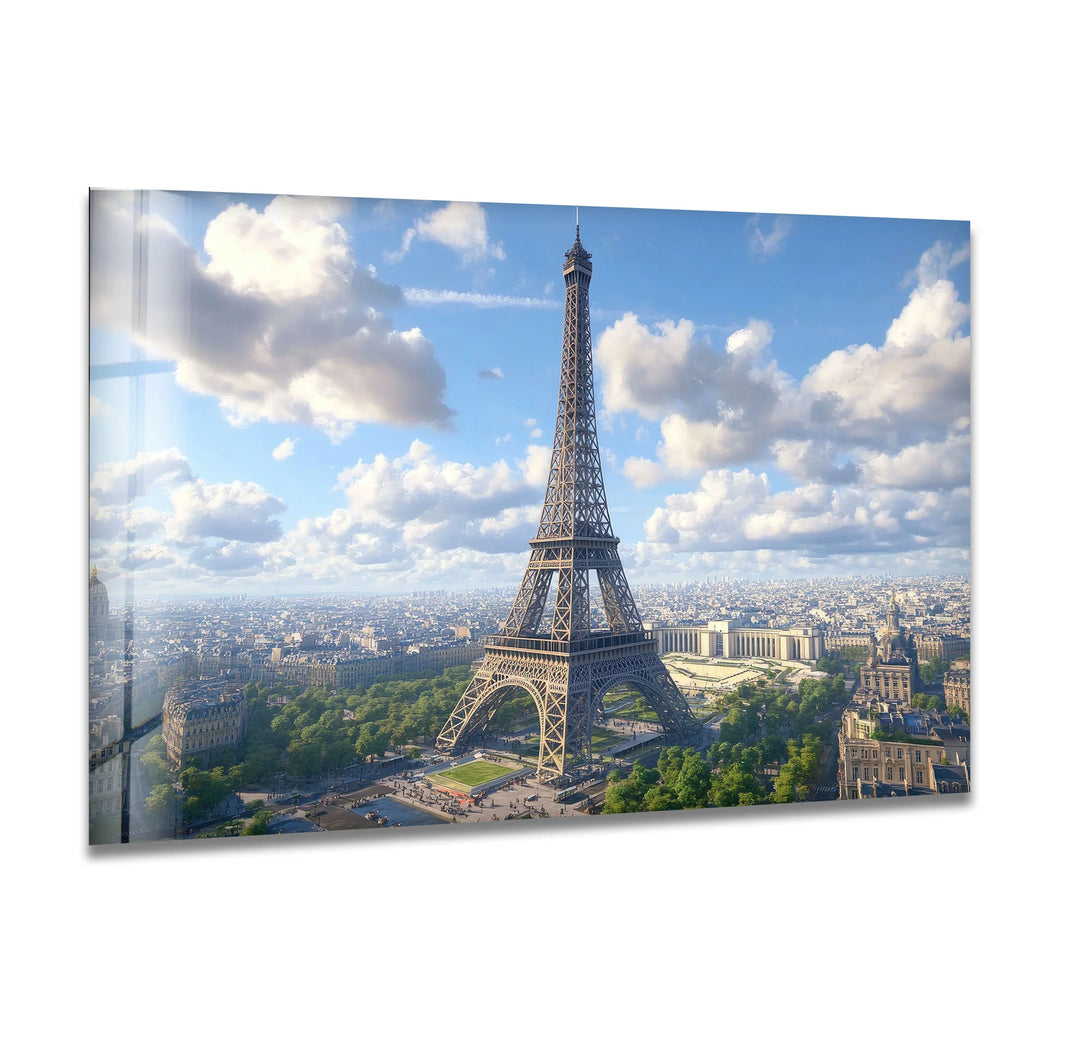
The 310gsm Hahnemühle Photo Rag combined with Tru Vue Optium Museum Acrylic glazing is the definitive choice for rendering the matte, porous texture of historic Parisian architecture for lifetime installations. Archival printing guidelines mandate this 100 percent cotton base absorbs light to replicate Haussmannian limestone perfectly. Cheaper synthetic wraps render historic stone indistinguishable from plastic. You must multiply the base print cost by 2.5 to account for archival dry-mounting and Optium Museum Acrylic. This open-pore cotton rag reacts highly to relative humidity above 60 percent. Never dry-dust it. Using a microfiber cloth on this surface shears the delicate fibers and leaves permanent scuff marks. Use a Hakata goat-hair drafting brush instead. A structural piece like the Black & White Paris-Eiffel Landscape Glass Wall Art demands this museum-grade approach. Specifying any monochrome Ilford Galerie print of Paris requires maximum D-max tonal separation to capture slate roof shadows accurately. Muddying these neutral blacks destroys the intended contrast.

When to Choose UV-Cured Latex Canvas
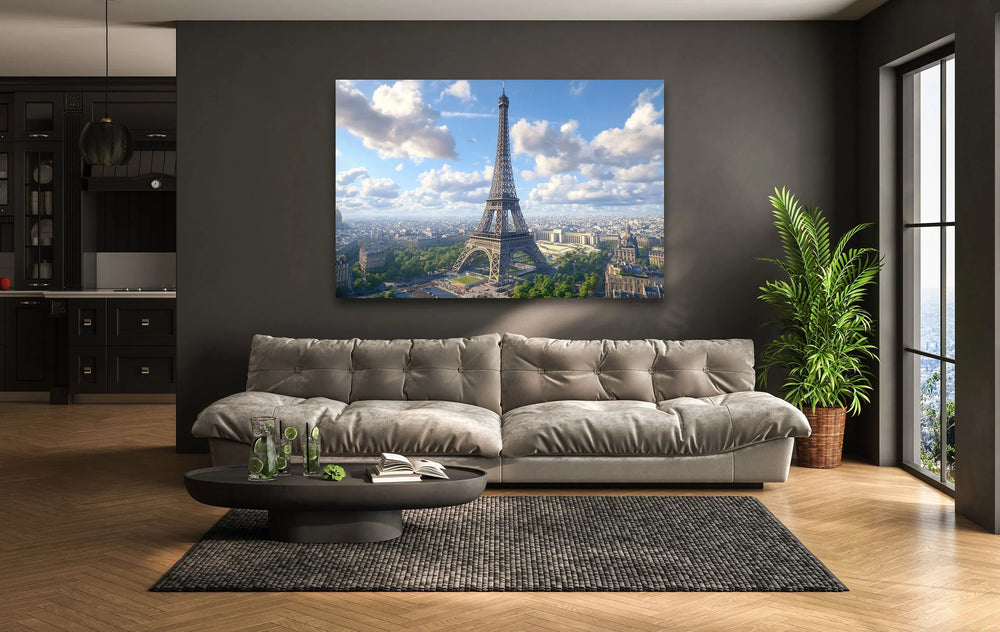
A UV-cured latex print on a 65/35 polyester-blend canvas provides the exact physical resilience needed for high-traffic zones, making it the superior choice for spaces undergoing frequent stylistic updates. Standard giclée printing averages $0.19 per square inch, whereas latex substrates cost exactly $0.08 per square inch. Accelerated aging tests consistently demonstrate measurable color degradation within 35 to 50 years for latex indoors. Treat this 35-to-50-year lifespan as a design advantage rather than a flaw. Gensler hospitality architects call this the disposable grandeur strategy. Because interior trends cycle every 10 to 15 years, paying the 137 percent archival premium is a financial error; choosing the cheaper polyester-blend synchronizes the substrate's durability with your actual design timeline. You intentionally recycle the piece when the room changes. Resilient polymer layers resist scratching when stretched over standard 1.5-inch pine gallery bars. Always request a 2-inch mirrored edge so French wrought-iron balcony details reflect along the stretcher bars instead of being cropped. This durable format excels in bathroom environments, where the sealed polymer layer repels airborne moisture. Keep latex wraps out of south-facing UV-exposed solariums. Polyester bases suffer from thermal yellowing in high solar gain areas, shifting the white point within exactly five to seven years. This degradation completely ruins the cool zinc tones of an Eiffel Tower in Paris Glass Wall Art installation.

How the Two Substrates Compare
| Technical Metric | 310gsm Hahnemühle Rag | UV-Cured Latex Canvas |
|---|---|---|
| Cost to Longevity Ratio | $0.19/sq in for 200+ years | $0.08/sq in for 35 to 50 years |
| Surface Abrasion Resistance | Low (Requires Tru Vue Optium Museum Acrylic) | High (Flexible polymer seal) |
| D-max (Black Density) Retention | Exceptional tonal separation | Moderate (Prone to muddy shadows) |
| Thermal & Solar Vulnerability | Stable under direct UV glass | Prone to thermal yellowing |
Match Your Material to Your Timeline
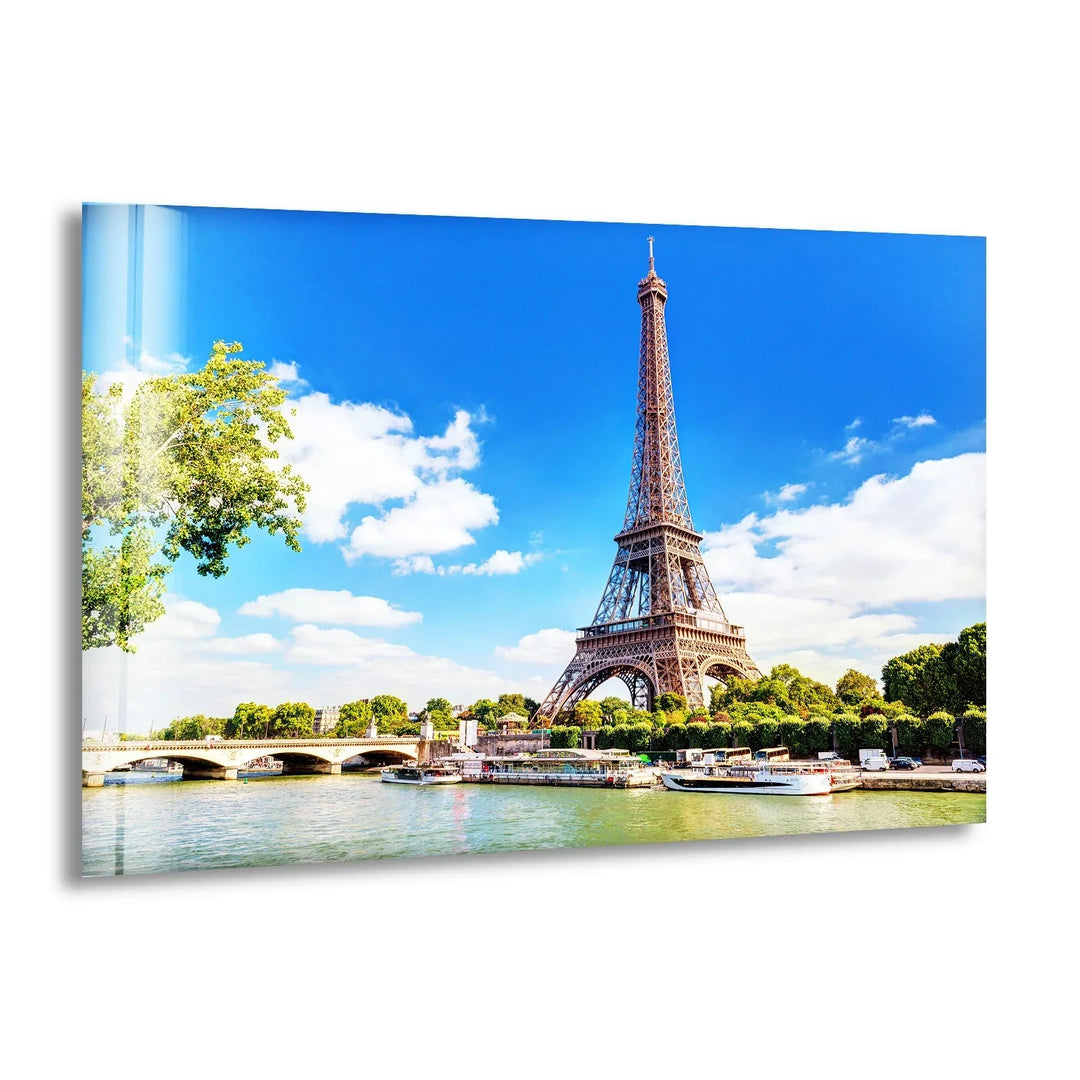
The 137 percent price premium for a 200-year archival print is a mathematical error if your room requires a visual update every 15 years. Your final substrate decision depends entirely on whether your interior design timeline spans a single decade or multiple generations. Choose the 310gsm Hahnemühle Photo Rag when anchoring a permanent collection in a climate-controlled study. Deploy the UV-cured polyester-blend canvas when executing a disposable grandeur strategy in active high-traffic hotel corridors. It is the precise specification when placing a large Parisian piece in a master bedroom suite scheduled for a redesign in five years. The right budget planning choice matches the physical endurance of the print to the practical lifespan of the space. When hanging a dynamic Beauty Eiffel Tower in Paris Landscape Glass Wall Art print, evaluate your true timeline before committing capital. Matching your material endurance to your future renovation plans is the smartest way to navigate the paris wall art collection.