

Creare un'atmosfera di calma: la tua guida all'arte murale ispirata a Van Gogh.
La tranquillità della tua casa non si trova, si crea. Questo segreto spesso risiede nell'attenta considerazione di ogni elemento del tuo spazio. Gli stimoli visivi, forse più di ogni altro, plasmano quotidianamente il nostro paesaggio emotivo. Si tratta di un'interazione sottile ma potente: l'arte sulle tue pareti influenza direttamente il tuo stato d'animo. Guardare opere d'arte, anche per brevi istanti, può ridurre sensibilmente gli ormoni dello stress. Spesso si cercano ambienti tranquilli, ma si trascura come scelte semplici, come la selezione delle opere d'arte giuste, possano avere un impatto profondo sulla capacità di trovare la pace in casa. Esplorare Quadro di Van Gogh La collezione offre un percorso per raggiungere questa serenità, coniugando il fascino artistico con un senso di calma.
Perché l'arte plasma il nostro paesaggio emotivo
L'impatto dell'arte va ben oltre la mera estetica. È dimostrato che dedicarsi all'arte visiva aumenta le emozioni positive e riduce quelle negative, contribuendo direttamente al senso di benessere. Non si tratta solo di un'osservazione aneddotica, ma di una risposta fisiologica misurabile. Il nostro cervello interpreta gli stimoli visivi. Pensiamo a come specifici colori influenzino l'umore: le tonalità del blu spesso evocano tranquillità, mentre quelle del verde suggeriscono armonia e rinnovamento. Molte opere di Van Gogh presentano proprio questi colori, guidando la nostra percezione visiva. La designer d'interni Tina Ramchandani osserva che l'arte completa una stanza, aggiungendo personalità e profondità. Per sfruttare appieno questo potere, scegliete opere che rasserenano piuttosto che stimolare. Date priorità alle opere d'arte che contribuiscono a ridurre il flusso di pensieri, favorendo un'atmosfera più rilassata nei vostri spazi abitativi.
Scelta dei soggetti per gli spazi di riposo
Il soggetto dell'opera d'arte che hai scelto gioca un ruolo significativo nella creazione di un ambiente calmo. Architectural Digest osserva spesso che le scene naturali, come paesaggi o marine, promuovono la tranquillità. Questo vale anche per la tua casa. Dovresti optare per opere di Van Gogh che presentano temi naturali e una tavolozza più tenue. Trovo che queste selezioni favoriscano spesso un senso di pace più profondo rispetto a opere più drammatiche. Pensa ad alberi in fiore o campi tranquilli piuttosto che a composizioni intense e dinamiche. Questi soggetti incoraggiano uno sguardo meditativo, invitando a una quieta riflessione. Forniscono punti di riferimento visivi. Ad esempio, il Iris Vincent Van Gogh Quadri da Parete in VetroCon il suo verde lussureggiante e le varie sfumature di blu, ne è un perfetto esempio. Le forme organiche e il delicato fluire degli iris attirano lo sguardo senza risultare invadenti, rendendolo una scelta eccellente per uno spazio dedicato al riposo.

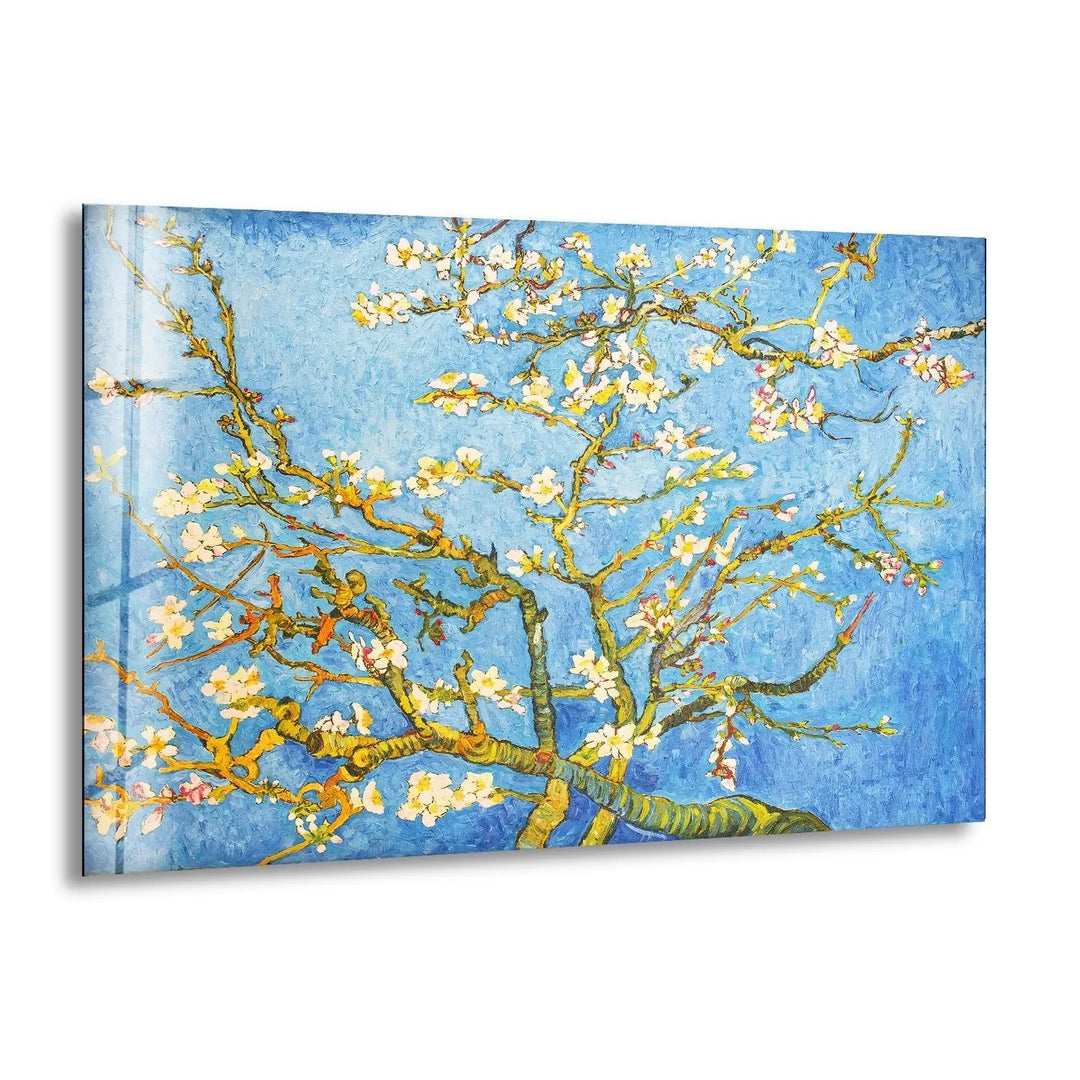
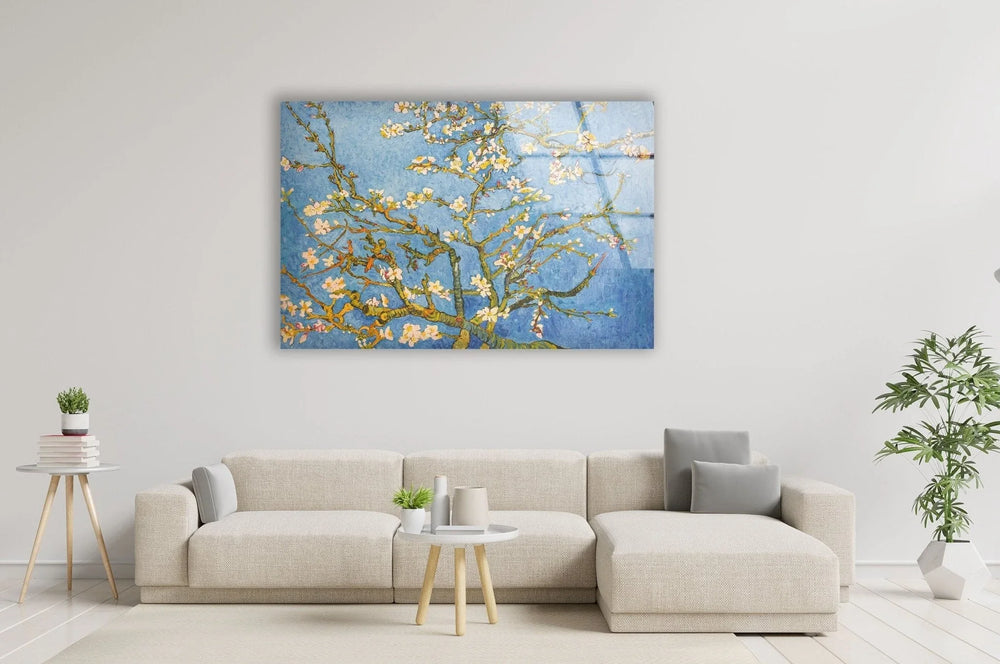
Allo stesso modo, i rami delicati e la morbida colorazione del Van Gogh - Fiore di mandorlo Quadri da Parete in Vetro presenta un'immagine adatta a favorire la calma. Quest'opera, con la sua serena raffigurazione di rami in fiore contro un cielo azzurro tenue, parla di rinnovamento e di tranquilla bellezza. L'opera d'arte incoraggia la contemplazione pacifica. Tali opere, se considerate come stampe artistiche da parete di Van Gogh, offrono non solo decorazione ma un investimento nella tua pace quotidiana. Per un'estetica simile, il Fiore di mandorlo di Vincent Van Gogh Quadri da Parete in Vetro Offre inoltre un delicato soggetto naturalistico realizzato con una tavolozza di colori che favorisce il relax. Quando scegliete un'opera d'arte, immaginate la sua presenza nel vostro spazio. L'opera calmerà la vostra mente o la agiterà? Scegliete soggetti che invitino naturalmente la tranquillità nella vostra casa.

Scegliere le dimensioni giuste per un'armonia visiva
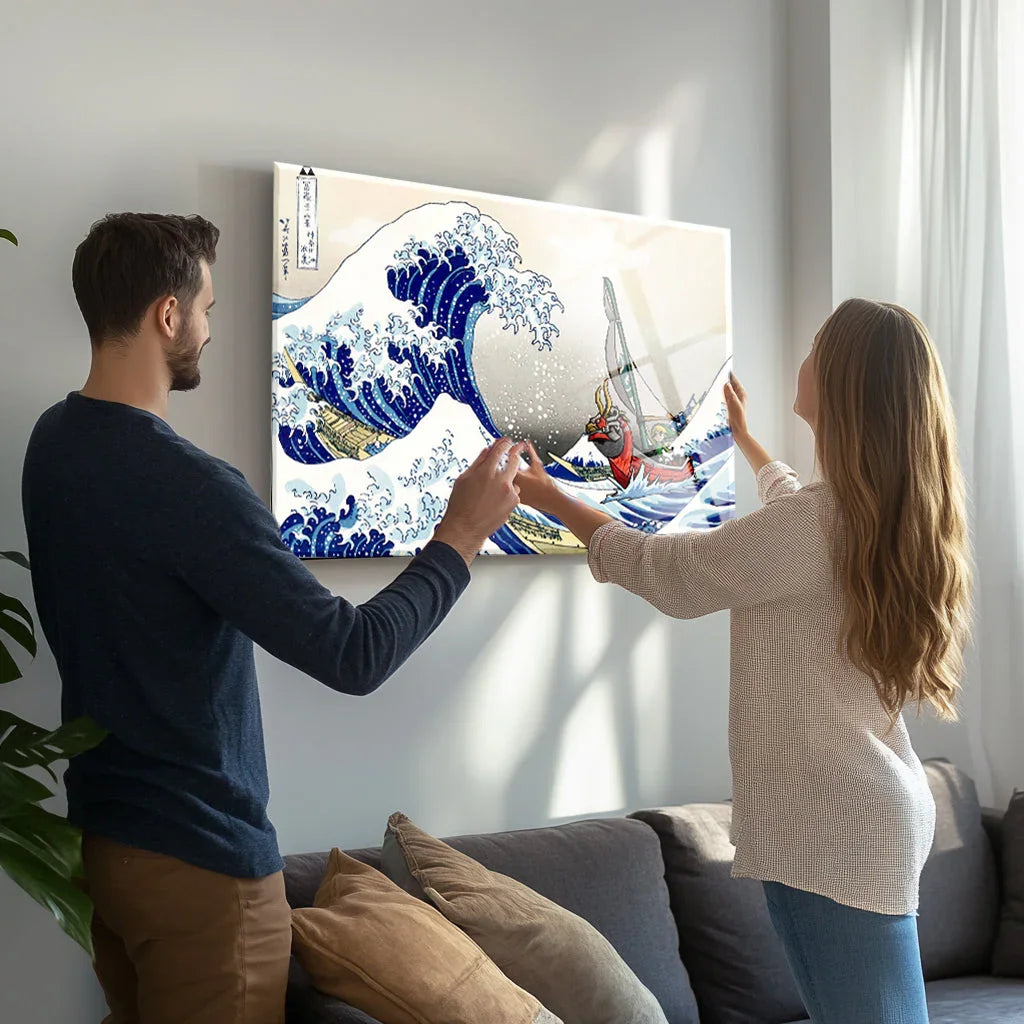
Le dimensioni e il posizionamento sono fondamentali per l'impatto di un'opera d'arte sull'atmosfera di una stanza. Un'opera di grandi dimensioni e dai colori sgargianti in una stanza piccola può sovrastarla, rendendo lo spazio angusto anziché rilassante. Per un flusso visivo ottimale e una sensazione di benessere, assicurati che l'opera d'arte sia proporzionata alla parete e ai mobili che la affiancano. Una regola generale suggerisce di scegliere un'opera che si estenda per circa due terzi della larghezza del mobile sottostante, come un divano o una consolle. Considera anche l'altezza di sospensione: il centro dell'opera dovrebbe trovarsi generalmente tra i 145 e i 152 cm dal pavimento negli ambienti comuni. Sopra un letto, potresti appenderla leggermente più in basso, integrandola con la testiera per creare una linea visiva armoniosa e tranquilla. È importante misurare sempre lo spazio prima di scegliere una dimensione. Un'opera ben proporzionata valorizza l'ambiente, non lo domina.
Integrare il colore per la tranquillità
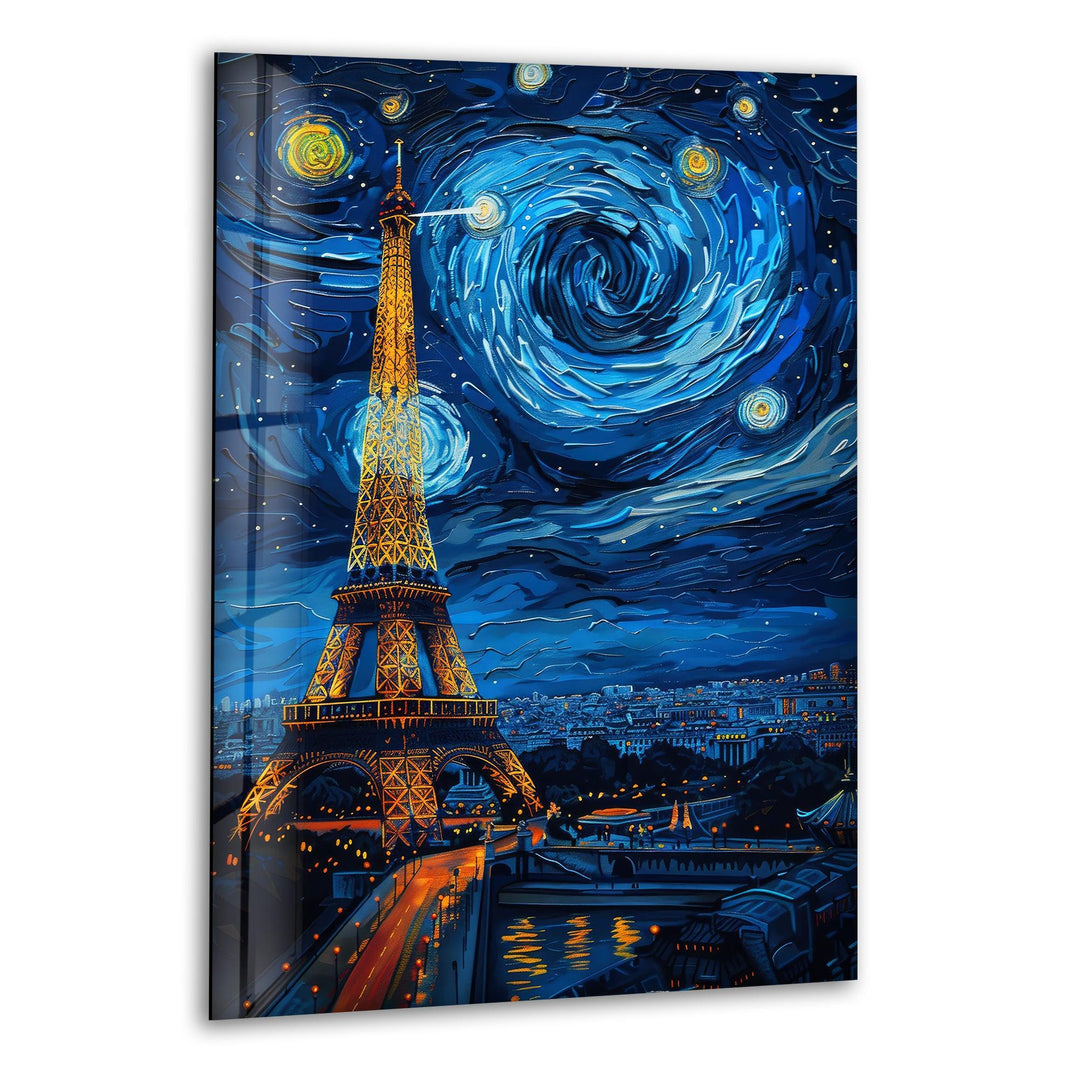
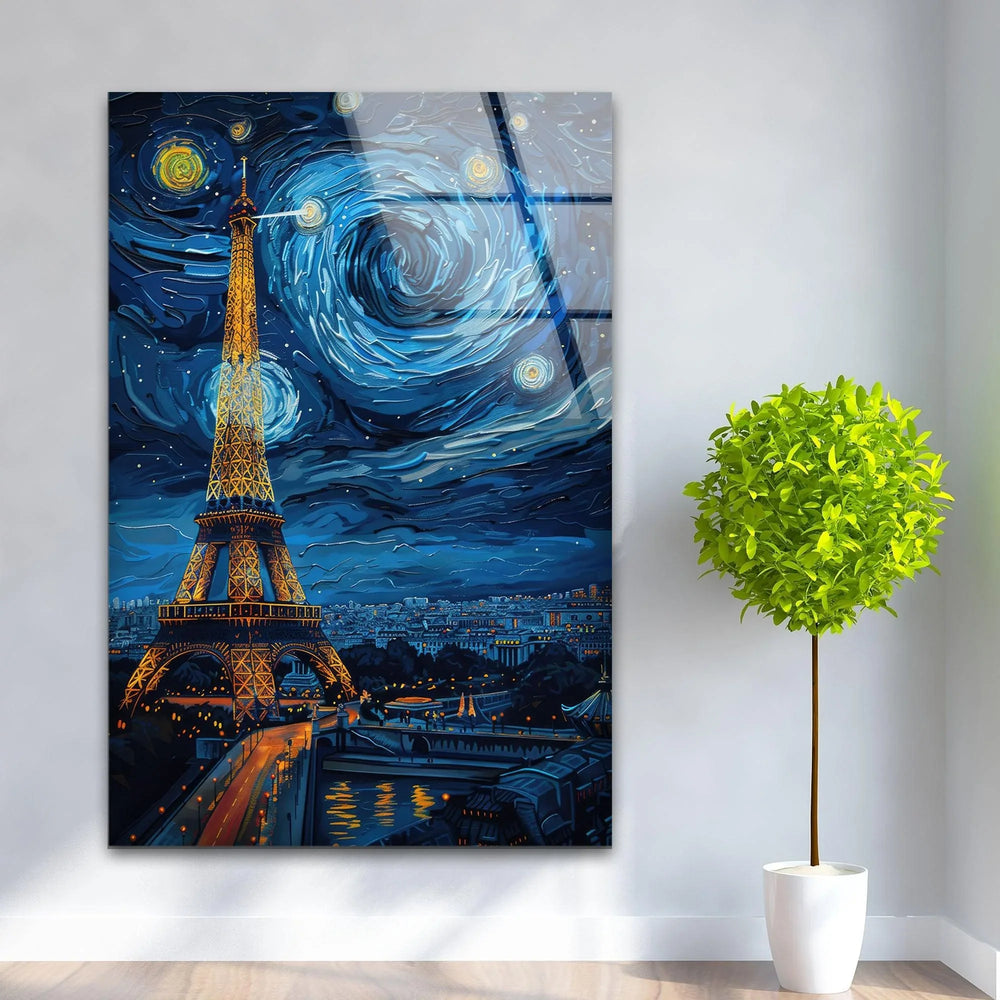
Il colore influenza profondamente i nostri stati fisici, mentali ed emotivi. Per creare un ambiente calmo, opta per opere d'arte con tonalità fredde e tenui. Blu, verdi e gialli più tenui sono intrinsecamente rilassanti. La psicologa ed esperta di colori Angela Wright afferma: "Il colore ci influenza a livello fisico, mentale ed emotivo. Alcuni colori evocano risposte specifiche". Un'opera con tonalità fredde dominanti può ridurre significativamente l'energia percepita di uno spazio. Considera di integrare colori analoghi della tua opera d'arte nella tua attuale combinazione di colori della stanza. Ad esempio, il Fiori stellati, Quadri da Parete in Vetro Può infondere un profondo senso di profondità e tranquillità. Le sue ampie tonalità blu e verdi, pur evocando un cielo notturno, offrono una serena grandezza piuttosto che un'energia frenetica, rendendolo adatto a un ambiente riflessivo. La superficie trasparente del quadro di Van Gogh con cornice interagisce inoltre con la luce in modo delicato, contribuendo all'atmosfera tenue della stanza. Scegli opere d'arte che richiamino delicatamente la palette di colori della tua stanza.

Come evitare gli errori più comuni nella selezione delle opere d'arte.
Sebbene il fascino delle opere più intense di Van Gogh sia innegabile, non tutte sono adatte a favorire la calma. Scegliere opere d'arte eccessivamente stimolanti o turbolente, come la sua iconica "Notte stellata" con le sue pennellate vibranti e ad alto contrasto, può essere controproducente in ambienti pensati per il relax. Tali opere sono affascinanti ma energizzanti. Meglio optare per composizioni che trasmettano una maggiore serenità. Un altro errore comune è appendere un'unica stampa di Van Gogh, molto grande e visivamente dominante, in una stanza piccola e tranquilla. Questo può sovraccaricare lo spazio, facendolo sembrare caotico anziché ampio. È fondamentale lasciare ampio spazio libero intorno alle opere. L'ideale è lasciare almeno 15-30 centimetri di parete libera intorno a ciascuna opera, in modo che possano "respirare". Per gli spazi più piccoli, si può considerare una selezione di stampe di Van Gogh, composte da pezzi più piccoli e complementari. Questo crea interesse visivo senza sovraccaricare la stanza, permettendo a ogni opera di contribuire alla calma senza competere con le altre. Per aggiungere un tocco di raffinata eleganza, una cornice dorata per un'opera di Van Gogh può esaltare i toni tenui del dipinto, conferendogli un'aria di classica sofisticatezza senza turbare la serenità. Un approccio ponderato alla selezione garantisce che l'opera d'arte favorisca la ricerca della calma, anziché ostacolarla. Scegliete un'opera d'arte che infonda tranquillità a voi e a me.

La selezione e la collocazione intenzionale delle opere d'arte possono cambiare profondamente l'atmosfera della tua casa, coltivando un senso di calma e benessere. Concentrandoti su soggetti sereni, colori armoniosi e proporzioni appropriate, vai oltre la semplice decorazione per creare uno spazio che nutra il tuo spirito. Lascia che questi spunti ti guidino nella scelta mentre crei una casa che nutra il tuo spirito. Considera l'intero Quadro di Van Gogh Una collezione per trovare il pezzo ideale per il tuo spazio.