

Quando le pareti spoglie disorientano: la decisione di Chicago di dedicare un murale all'arte.
Un'unica, ampia linea dell'orizzonte, soprattutto se riprodotta in scala imponente come in una stampa architettonica, sopprime la percezione cerebrale di uno spazio limitato. Un appartamento di 60 metri quadrati, ridimensionato in modo drastico, può sembrare soffocante e temporaneo, mentre un'unità identica appare spaziosa e saldamente ancorata alla realtà. La differenza risiede interamente nel punto in cui si posa lo sguardo.
Sedersi in un appartamento di 80 metri quadrati appena acquistato, circondato da mobili in mogano Baker Furniture accuratamente selezionati, comporta sfide inaspettate. La luce del mattino si riversa su una parete spoglia di colore Chantilly Lace di Benjamin Moore, proiettando ombre nette su un divano in lino belga in stile transizionale. Per anni, hai conservato le pareti spoglie come scelta minimalista consapevole, apprezzandone l'austerità. Ora, il silenzio dell'intonaco vuoto sembra diverso. Manca di peso. La transizione spaziale da una vasta tenuta di famiglia di 300 metri quadrati a questa compatta impronta urbana innesca un silenzioso disorientamento. La ricerca di psicologia ambientale del Journal of Environmental Psychology mostra costantemente che gli anziani sperimentano un'acuta interruzione dell'identità del luogo quando ridimensionano la propria abitazione. L'ambiente richiede un ponte strutturale verso la realtà. Trovare il pezzo esatto di Quadro da parete raffigurante lo skyline di Chicago. diventa un esercizio di radicamento psicologico piuttosto che una mera decorazione.
Come gli elementi architettonici di ancoraggio stabilizzano gli spazi compatti
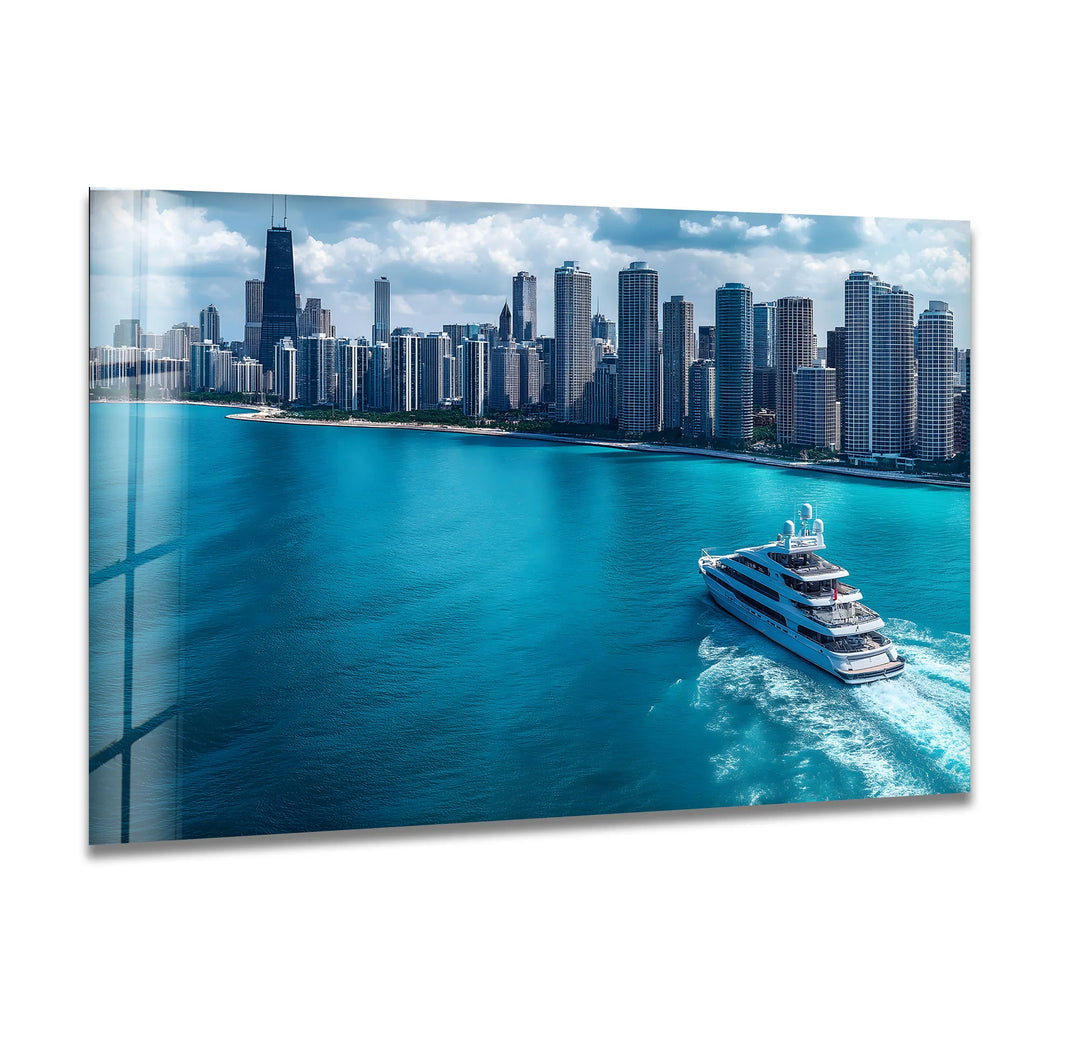
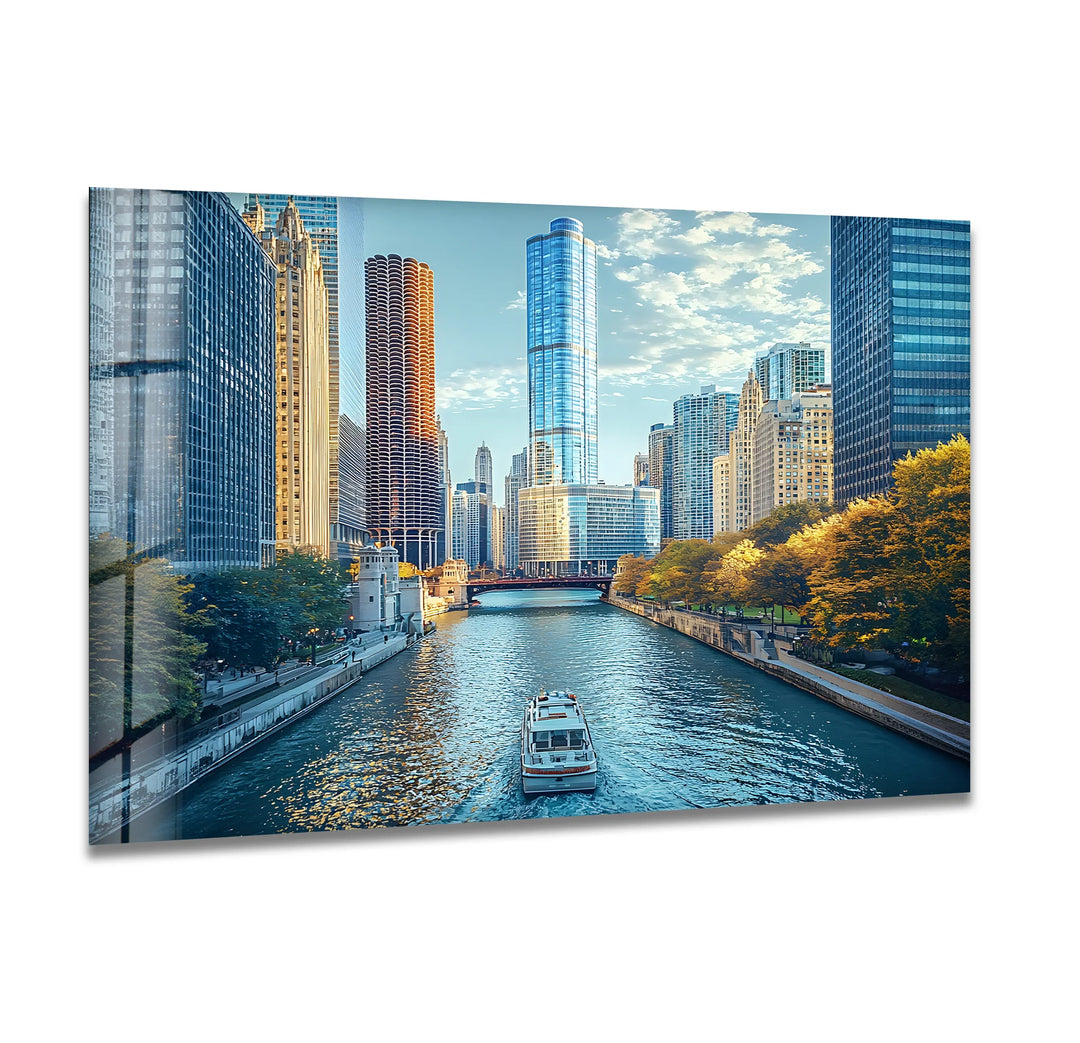
La creazione di un unico punto focale architettonico riduce matematicamente lo stress ambientale e attenua la perturbazione dell'identità del luogo durante un trasloco in una casa più piccola. Quando ci si trasferisce in un'abitazione più piccola, l'istinto spinge a comprimere decenni di ricordi nei nuovi spazi. Senza un'adeguata pianificazione, chi si trasferisce in una casa più piccola tende istintivamente a riempire le pareti con un'alta concentrazione di cornici argentate 5x7 e oggetti vari. Questo crea un intenso rumore visivo. In psicologia ambientale, questa sovrastimolazione mantiene la rete neurale di default del cervello (Default Mode Network) costantemente attiva, amplificando lo stress legato al cambiamento. È necessario un riposo visivo, e un'unica opera di grande formato 120 cm x 180 cm offre questa quiete molto meglio di una parete piena di quadri sparsi. Il design di transizione funge da ponte spaziale per chi si trasferisce in una casa più piccola. Unisce mobili antichi in legno di ciliegio con l'architettura urbana contemporanea in acciaio e vetro. I designer d'interni professionisti dell'American Society of Interior Designers (ASID) considerano il design di transizione come un purificatore di tavolozza incentrato sulla definizione dello spazio e del luogo. Per dare solidità a questi spazi in evoluzione, si ancorano i pezzi tradizionali con una geometria architettonica nitida. Un pezzo come il Vista sul lago della città di Chicago Quadri da Parete in Vetro Introduce linee urbane sinuose che contrastano con la morbidezza dei tradizionali rivestimenti trapuntati. Le fredde tonalità blu-grigie della gamma Munsell 10B del Lago Michigan richiamano una finestra aperta. Questo punto focale ad alto contrasto elimina immediatamente l'affaticamento visivo.

Le ragioni per cui si violano le regole di proporzione spaziale
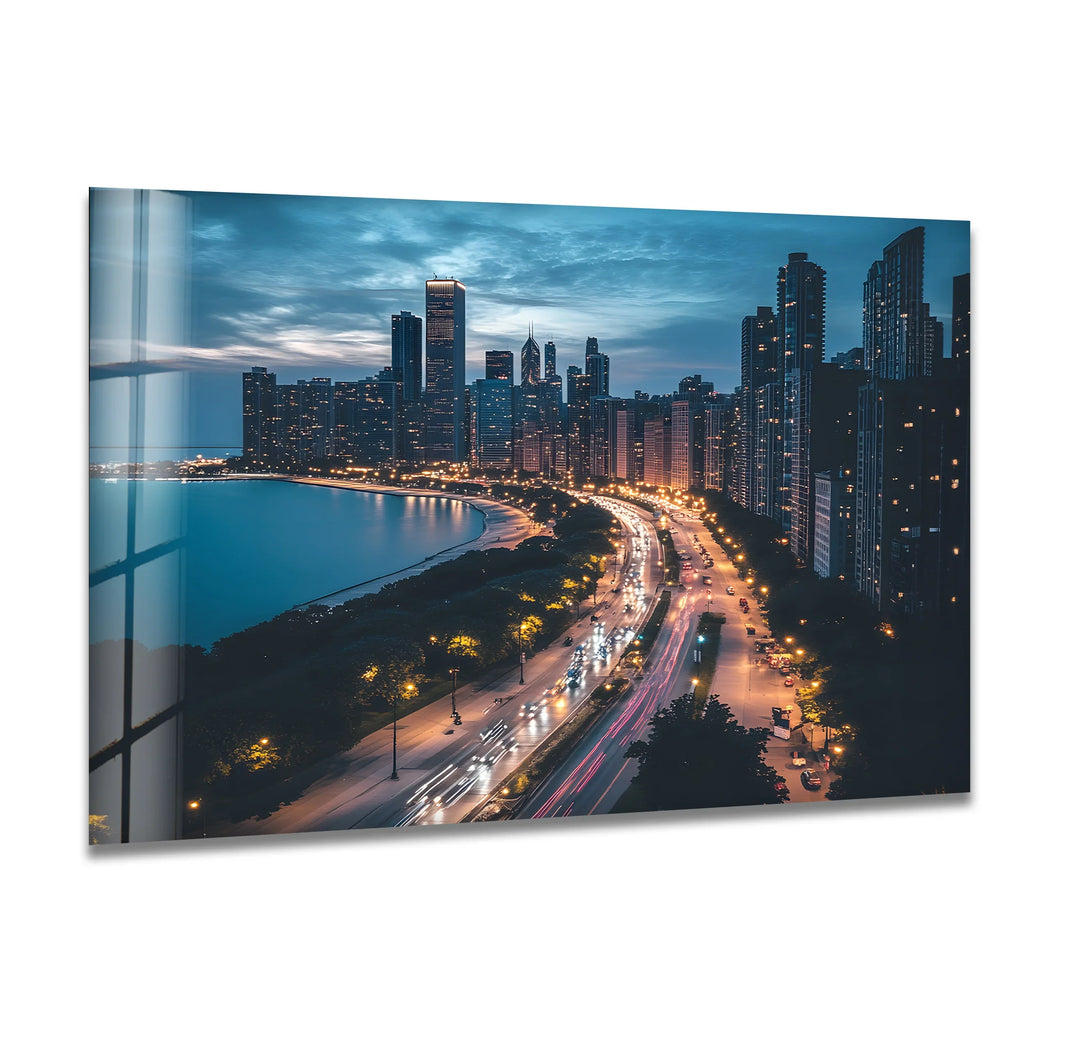
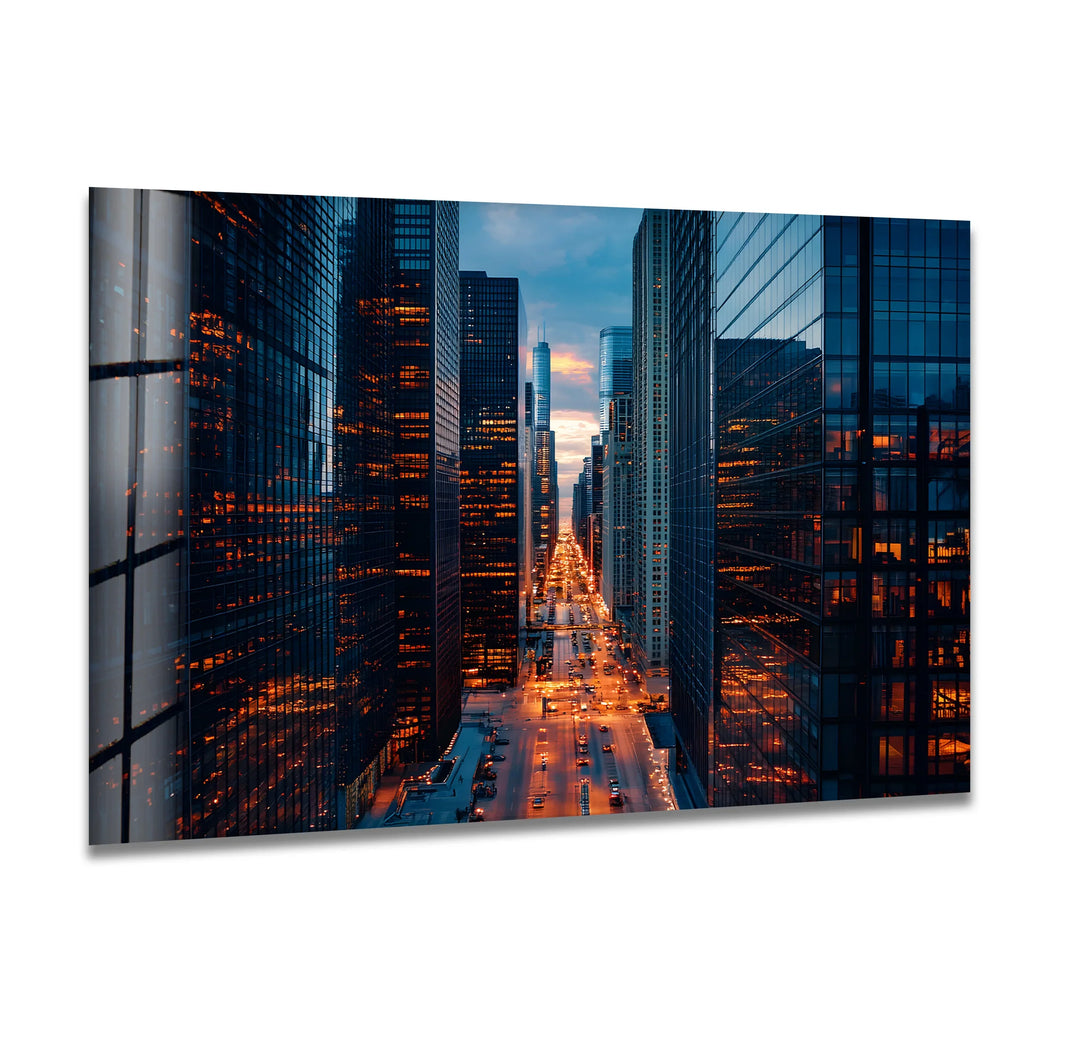
Ingrandire deliberatamente le stampe di grandi dimensioni fino a coprire l'85% di una parete dissolve i confini fisici ed espande il volume percepito della stanza. Il design d'interni convenzionale impone rigorosamente il rapporto parete-opera d'arte di 4/7. Questa matematica tradizionale afferma che una cornice dovrebbe coprire esattamente il 57,14% della larghezza orizzontale di una parete vuota. Non superare la soglia del 50% di occupazione della parete sposta sensibilmente la percezione dell'orizzonte visivo. Il cervello lavora di più per mappare la stanza. Le opere d'arte sotto i 100 cm sembrano fluttuare goffamente. Negli spazi urbani compatti, attenersi a questa modesta proporzione enfatizza inavvertitamente i confini fisici del cartongesso della stanza ridimensionata. Devi infrangere la regola. Adotta l'approccio controcorrente dell'iperscala, perché estendere una linea dell'orizzonte ampia oltre i confini standard dell'incorniciatura sovrascrive attivamente la corteccia cerebrale deputata all'elaborazione spaziale, eliminando di fatto la percezione di una metratura ristretta. Scegli un'opera panoramica come la Skyline di Chicago Quadri da Parete in Vetro. Ingrandiscilo fino a un rapporto di 6/7. Spingendo la cornice a coprire quasi l'intera parete si crea una potente illusione ottica. Le tonalità ambrate e ossidiana intense dello skyline notturno si estendono nella tua visione periferica. Sostituisci la claustrofobia con una vista panoramica della città. Per gli spazi orizzontali, il Edifici della città di Chicago Quadri da Parete in Vetro svolge una funzione simile. La geometria verticale ripetitiva della Willis Tower e del John Hancock Center attira lo sguardo verso l'alto, riproducendo la sensazione di spaziosità che si prova stando all'aperto su Wacker Drive.


Posizionamento di strutture pesanti sopra mobili di transizione
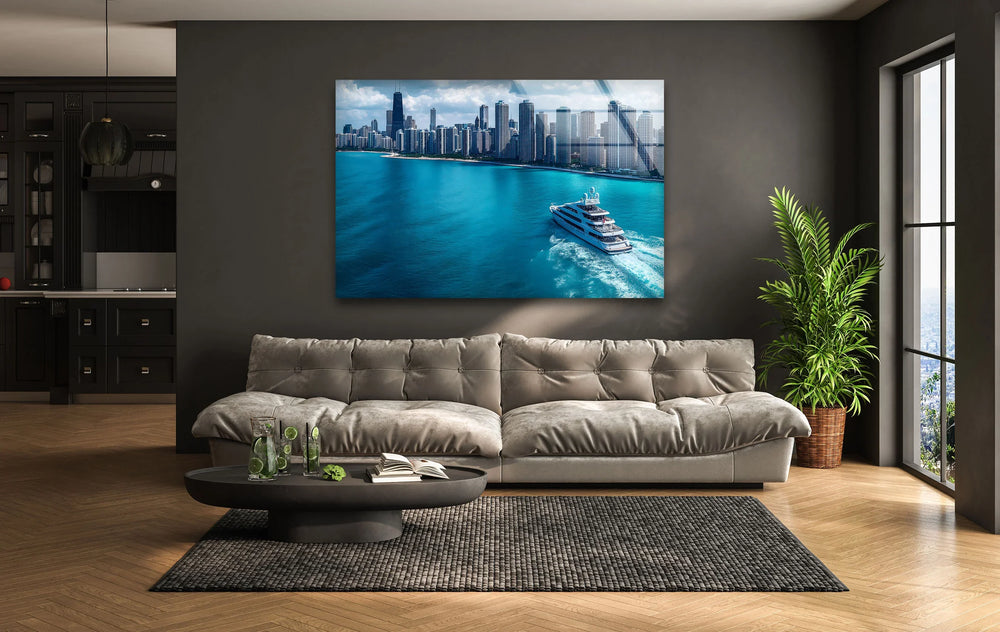
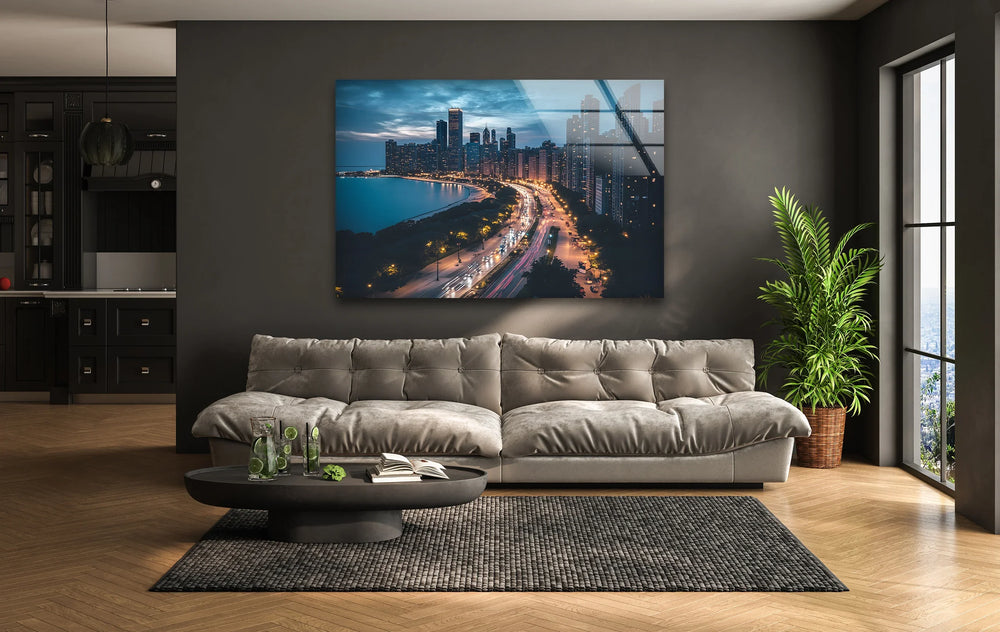
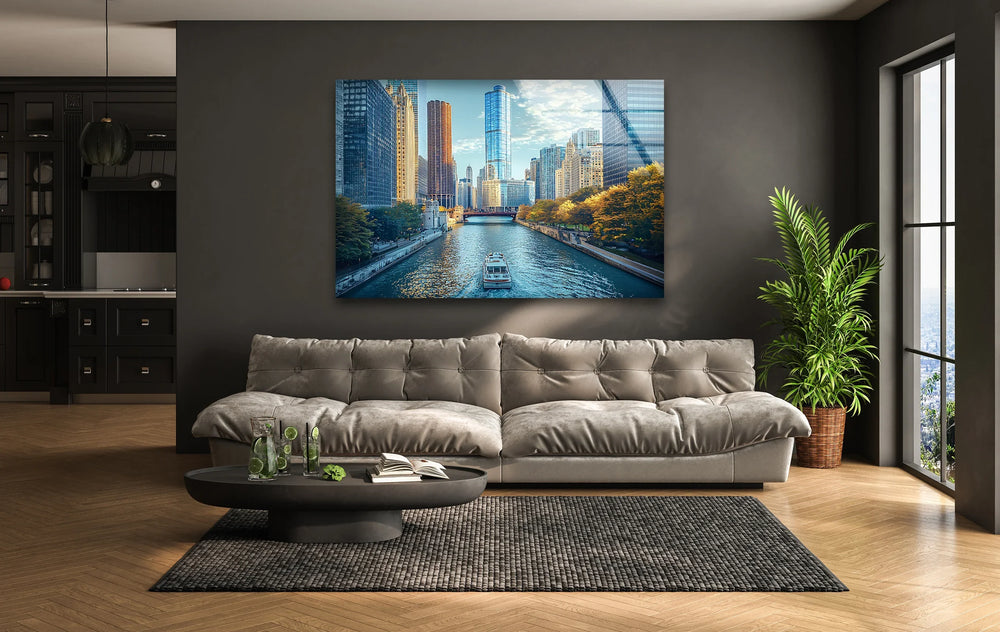
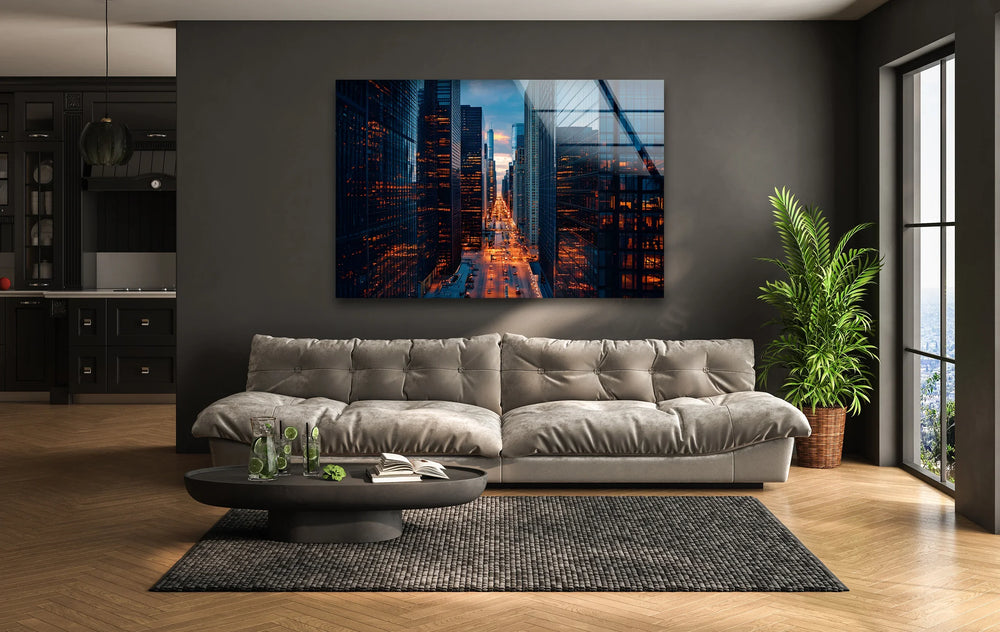
Sospendere stampe architettoniche spesse esattamente 20 centimetri sopra un divano crea un piano di ancoraggio unificato che dà solidità all'intera architettura della stanza. Il posizionamento fisico della cornice determina il modo in cui la mente interpreta la struttura della stanza. Appendere un'opera troppo in alto la isola dalla planimetria. Se si posiziona una stampa giclée Hahnemühle da 300 g/m² su una parete completamente vuota, appenderla in modo che il centro verticale esatto si trovi a 145 centimetri dal pavimento. Questa rappresenta l'altezza standard degli occhi di un adulto in piedi. Quando si monta sopra un divano Chesterfield di transizione, ignorare completamente la regola dell'altezza degli occhi. Posizionare il bordo inferiore della cornice esattamente da 20 a 25 centimetri sopra la linea di rivestimento. La larghezza orizzontale totale dell'opera incorniciata deve essere esattamente pari a due terzi o tre quarti della larghezza del divano sottostante. Un divano di 210 centimetri richiede una configurazione di almeno 140 centimetri. Mezzanotte a Chicago City Quadri da Parete in Vetro eccelle in questo specifico allineamento. Le intense densità dell'inchiostro e le ombre nette della fotografia architettonica notturna opprimono la stanza. Abbinala a un passepartout a mezzaluna color avorio sporco di 7,5 centimetri e a un'elegante cornice in noce con profilo profondo di 1,9 centimetri. La carta di cotone opaca assorbe la dura illuminazione a LED da 4000K, garantendo una sensazione di consistenza al tatto.

Il tenue profumo delle cornici in noce invecchiato si mescola alla superficie fredda e liscia del vetro museale d'archivio, proiettando una quieta permanenza sul morbido divano in lino belga.
Risolvere il disorientamento cognitivo di una transizione spaziale richiede più che semplicemente disfare gli scatoloni. L'appartamento urbano ridimensionato ha bisogno di una linea dell'orizzonte artificiale per sentirsi a casa. In definitiva, dominare una parete con una linea dell'orizzonte ininterrotta e di dimensioni enormi è l'intervento architettonico definitivo che supera la percezione cerebrale di uno spazio ristretto. Immagini architettoniche di grandi dimensioni (120 cm x 180 cm) agiscono come questa forza stabilizzatrice, trasformando un'impronta a scatola in un punto di vista aperto. Ancorate la vostra nuova realtà trovando il pezzo preciso per ancorare la vostra linea visiva all'interno della nostra selezione curata di stampe architettoniche di Chicago.