

Why Standard Gallery Heights Harm Infant Visual Development
The standard 57-inch gallery height actively harms infant visual development, forcing a radical shift toward low-level, dimensionally framed prints. Placing a 40cm by 60cm botanical canvas correctly in a Montessori nursery functions as a neurological decision rather than a simple aesthetic choice. Conventional adult measurements fail completely here. Selecting a proper leaf-themed art piece requires anchoring physical European oak frames exactly 12 inches off the hardwood floorboards to build stereoscopic depth perception during critical developmental windows.
The Flaw in Standard Gallery Heights
Mounting artwork at the traditional 57-inch adult eye level forces infants to crane their cervical spines and completely removes visual stimuli from their active tummy-time development plane. Pediatric eye-tracking trials demonstrate high engagement rates when visual stimuli sit precisely within a natural 120-degree field of view. An infant cannot register highly placed prints on standard drywall. Newborn visual focus remains sharpest at a strict focal distance of 8 to 12 inches from the retina. Paula Polk Lillard and Lynn Lillard Jessen, authors of Montessori From the Start, reject standard adult-centric placement. These educators dictate positioning realistic 30cm by 40cm natural artwork directly at an infant horizontal visual plane. A low placement aligns the 300gsm cotton canvas directly with the horizontal gaze of a baby practicing tummy-time on a quilted floor mat. Lowering the sightline prevents cervical spine strain. Early spatial awareness demands correct height calibration. The bold geometric structure of the Minimalist Black Botanical Canvas Print anchors an early visual field because its sharp, high-contrast monochrome edges accommodate undeveloped optical tracking before macular colour processing fully matures.

Mount designated 300dpi giclee prints exactly 12 to 18 inches from the engineered oak floorboard adjacent to the primary movement mat.
Why Three-Dimensional Frames Build Spatial Awareness
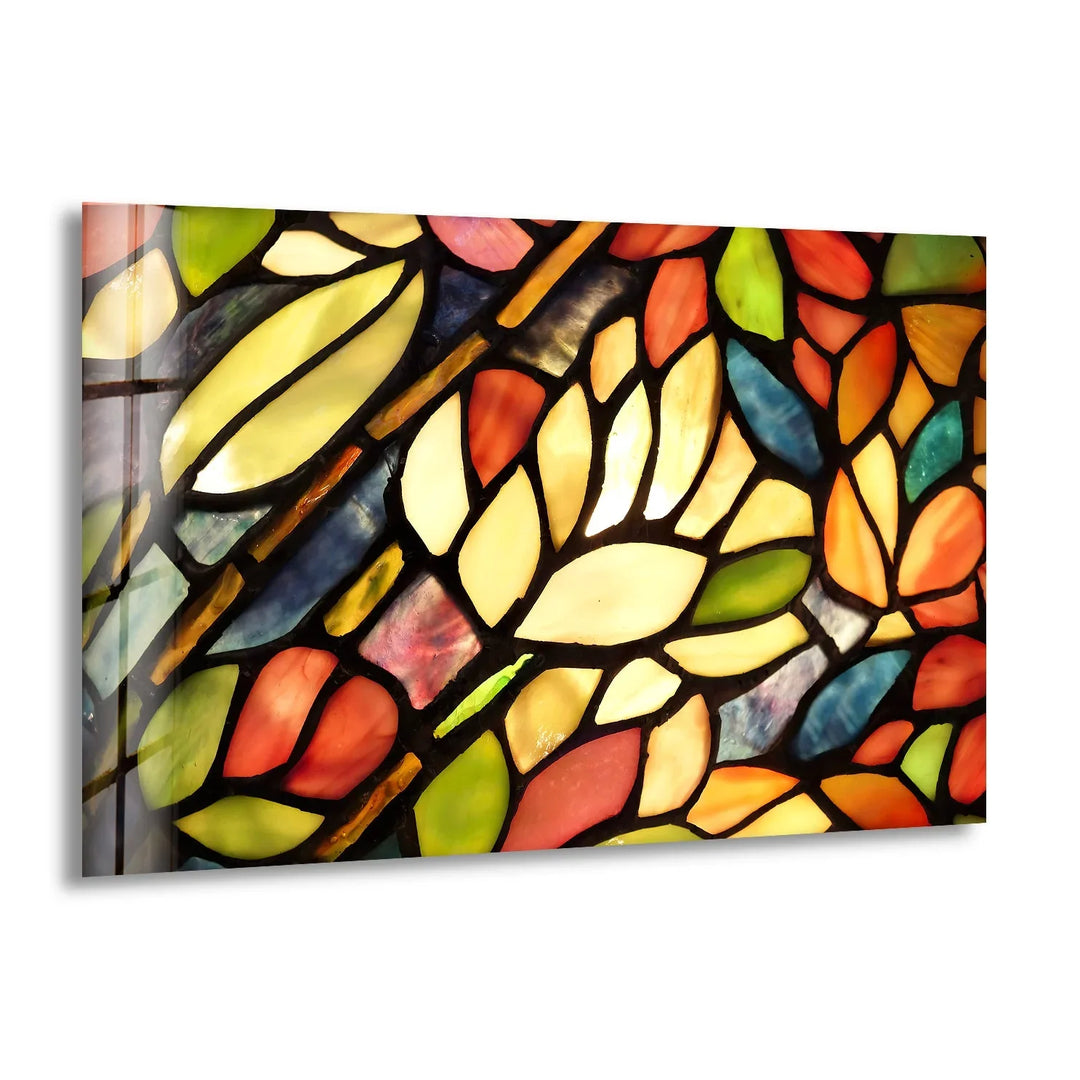
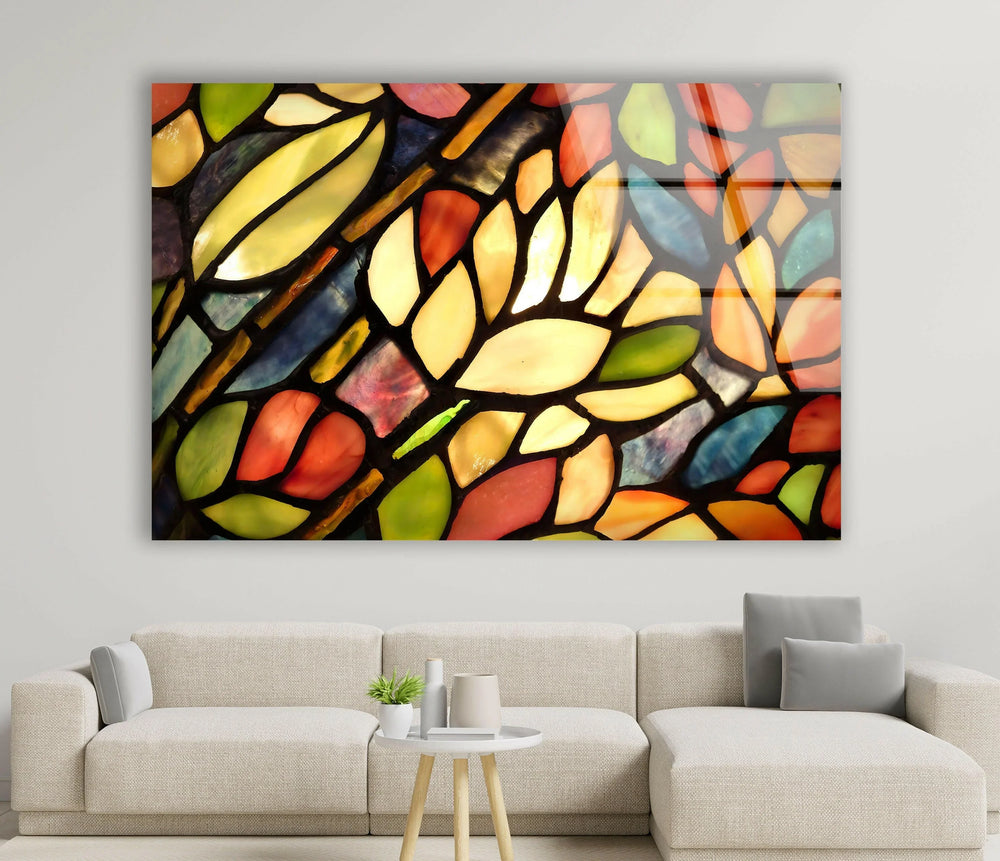
Flat PVC vinyl wall decals severely restrict the development of stereoscopic vision by eliminating the physical edge shadows and depth cues present in structural 2-inch deep botanical frames. Interior decorators recommend flat decals to bypass fall hazards in playrooms. Child development specialists and pediatric optometrists consider this 2D flattening of the nursery environment a fundamental neurological error. Two-dimensional polymer stickers fail to cast natural ambient shadows. These synthetic adhesives completely lack physical Z-axis depth. Real ash-wood-framed giclee canvas prints offer subtle edge transitions and tactile textures necessary for cerebral spatial mapping. Between 6 and 8 months of age, an infant visual cortex relies heavily on 45-degree edge shadows and physical framing depth to develop spatial awareness. Placing dimensionally framed artwork exactly 12 inches off the floorboards forces the developing infant brain to continuously process physical shadows, mastering stereoscopic depth perception. Skip the vinyl sticker trend entirely, as flat plaster walls waste a critical visual training opportunity. Structural frame depth remains non-negotiable. Pieces like the Blueish Golden Leaves Glass Wall Art force the infant optic nerve to negotiate depth perception as natural UV sunlight shifts across its physical silicate glass layers throughout the afternoon.

Anchor structural timber frames directly to the gypsum drywall using heavy-duty 3M Command double-sided adhesive strips instead of applying two-dimensional stickers.
Toxic Off-Gassing in Conventional Frame Finishes
Standard MDF composite frames and polyurethane paints introduce severe respiratory risks by off-gassing volatile organic compounds (VOCs) directly into a newborn pulmonary system. Toxicological studies consistently show the internal arterial blood concentration of inhaled styrene in one-year-old infants is 3.5 times higher than that of an exposed adult. Immature infant hepatic metabolisms exacerbate airborne toxin absorption. The U.S. Environmental Protection Agency notes that immediately after applying solvent-based acrylic paints, indoor VOC levels spike heavily compared to background atmospheric levels. Cheap extruded plastic 50cm by 70cm frames mimic these exact toxic spikes. You must source solid FSC-certified hardwoods like American ash or European white oak. Keep the nursery atmospheric air clean. Treat wooden surfaces strictly with zero-VOC water-based finishes, specifically Benjamin Moore Eco Spec or Lullaby Paints by ECOS. Real timber pieces provide organic biophilic texture. This specific Botanical Leafs Surfboard Wall Art introduces structural Baltic birch timber elements that satisfy the tactile requirements of biophilic design without relying on medium-density fiberboard (MDF) particle boards bound by carcinogenic formaldehyde glues.

Seal your chosen solid European oak frame with a pure raw linseed oil third-party certified to meet EN71-3 European toy safety standards before bringing it indoors.
How to Anchor Heavy Pieces Near Active Toddlers
Implement a dual-defense safety mount by replacing all standard framing glass with crystal-clear shatterproof acrylic plexiglass to prevent impact breaks. Traditional braided picture wire and single-nail brass mounts create unacceptable physical hazards that fail immediately when a 20-pound standing infant pulls on the lower oak frame edge. Standard silica glass fronts and loosely anchored 11x14 oak frames become severe physical threats as infants learn to stand independently in their cribs. Crawling babies pull down nearby decorative objects. Silica glass shatters under minor impacts from hard Melissa & Doug wooden blocks. Hanging steel wires act as a dangerous mechanical leverage point. Designing a Reggio Emilia-inspired nursery with botanical prints requires rigorous mechanical engineering rather than basic surface decorating. Maintain rigid structural frame integrity. Treating the infant nursery exactly as a Level 2 high-traffic zone, similar to specifying heavy canvas artwork for commercial living room corridors, protects the child from catastrophic structural failures. When infants pull up between 6 and 12 months, the acrylic-fronted 16x20 artwork must sit securely between 24 to 36 inches from the carpeted floor.
Secure every 2-inch deep wooden frame completely flush against the 2x4 wall stud using OOK heavy-duty anti-slip seismic hooks.
Accelerating Cognition Through Biophilic Patterns
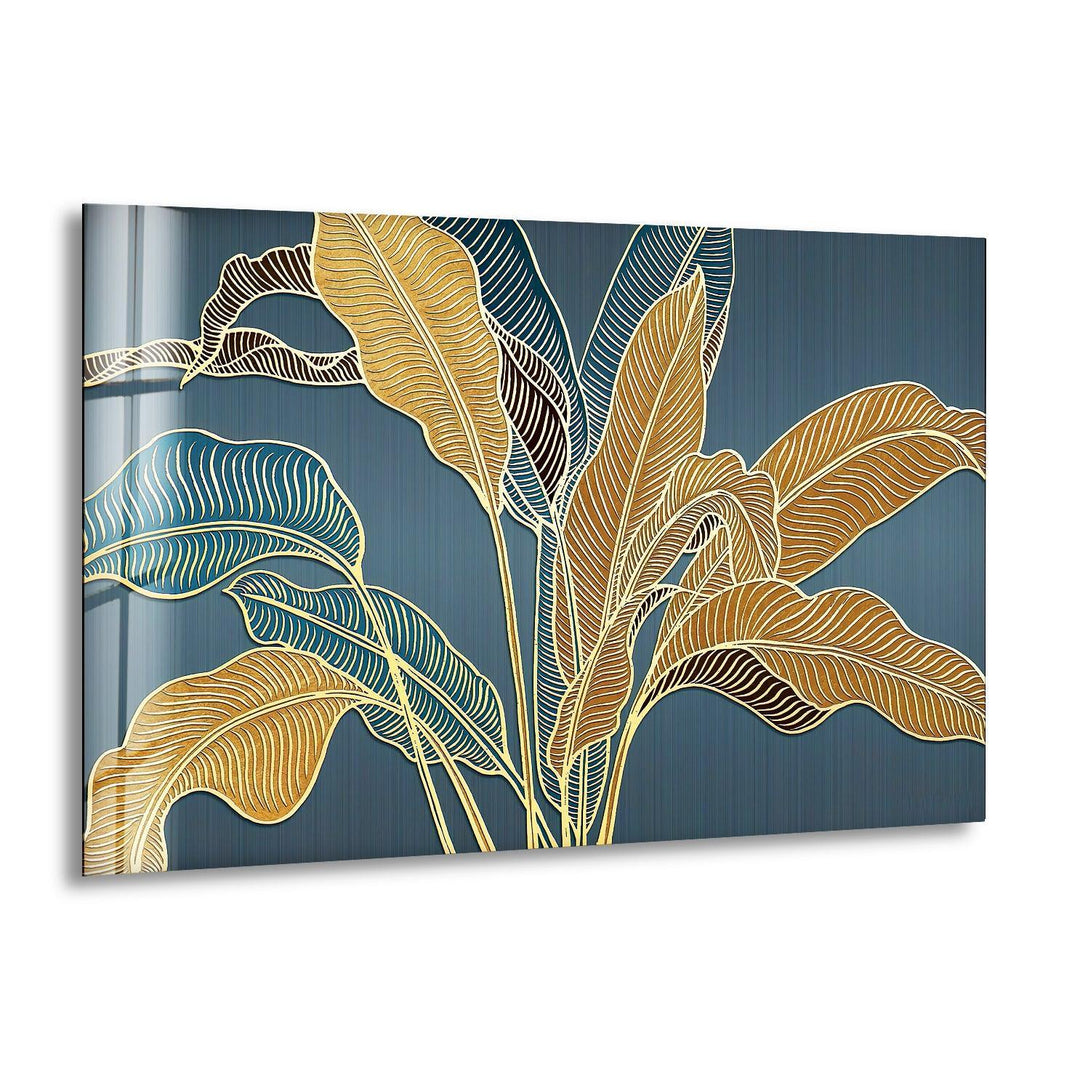
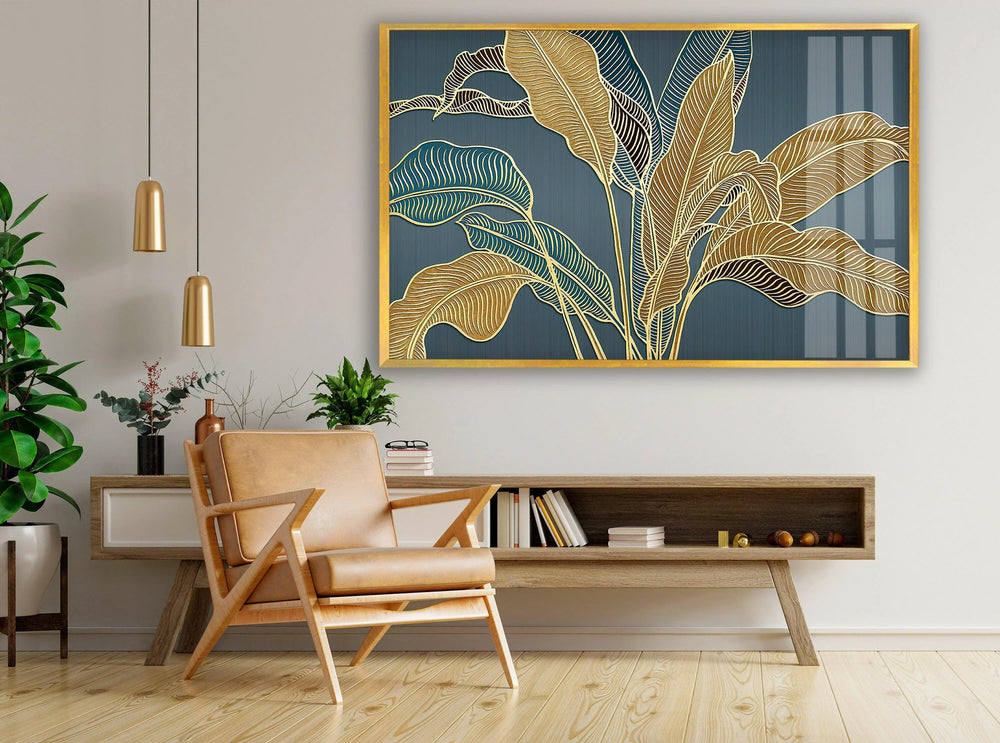
Introducing structured Fibonacci botanical patterns into early environments accelerates infant pattern recognition capabilities while maintaining a required baseline of neurological parasympathetic calm. Childhood interior design specialists advocate balancing gentle visual retinal stimulation with serene spatial floorplan layouts. Botanical canvas paintings provide consistent geometric leaf repetition. Macular colour perception for strong wavelength greens and blues develops rapidly around 2 to 3 months of age. Selecting desaturated blue-green canvas tones, specifically Munsell hue 10BG, satisfies early pediatric colour psychology principles. Nature-inspired flora imagery supports deep cognitive neural processing. High-contrast monolithic shapes build visual tracking power. The intricate fractal layout of the Blue Fractal Leaves Abstract Glass Wall Art introduces repeating biophilic fern patterns that naturally train smooth pursuit eye movements without overwhelming an infant amygdala sensory threshold.

Select a 40cm by 50cm linen canvas featuring high-contrast geometric Monstera leaves to anchor the specific painted wall opposite the Stokke Sleepi crib.
Rejecting the adult-centric 57-inch height rule in favour of low-level, dimensionally framed botanical prints anchored exactly 12 inches above the floorboards fundamentally alters an infant visual cortex, permanently improving stereoscopic depth perception. A correctly positioned 30cm by 40cm solid oak wooden frame mounted at the floorboard level builds stereoscopic depth perception and supports neurological spatial mapping during critical first-year developmental windows. True parental care extends beyond basic physical childproofing safety into the deliberate biophilic architecture of the bedroom sensory environment. Thoughtful curation of tactile materials actively shapes cognitive synaptic growth. To secure the right physical textures and visual stimuli for your Montessori nursery layout, review the structured solid-wood framing options within this curated collection of botanical wall pieces.