

A Guide to Color Coordination in Large Glass Wall Art
Designing a space can feel like solving a complex puzzle. While various elements contribute to a room's atmosphere, the choice of large glass wall art stands as a particularly impactful decision. Not only does oversized artwork command attention, but its colors, more than any other element, dictate the emotional pulse of a room. Understanding how to coordinate these colors ensures that your space feels deliberate, cohesive, and genuinely reflective of its purpose. This requires a thoughtful approach, moving beyond simple aesthetics to consider the psychological effects of each hue. Every choice matters.
Color's emotional power is frequently overlooked in home design, even in carefully planned spaces, thus missing an opportunity for richer environments. While neutral tones are preferred for relaxation spaces, and cool colors for functional areas, a substantial 77% of respondents associate specific interior colors with mood enhancement. Sky blue, cream, and sage green, for instance, are identified as hues most conducive to happiness. For young adults, aged 18-34, 46% assert that their home's design and color scheme influence their emotional state more profoundly than even the weather. Color, therefore, is not merely decorative; it is a fundamental element in shaping our daily experience. It shapes our perception.
We often assume that color choice is subjective, a matter of personal taste alone. However, designers recognize that color in design extends beyond the visual; it's deeply emotional. It reflects our moods, impacts our energy levels, and establishes a room's entire atmosphere. From the calming effect of blues to the energizing quality of reds, color selections can influence how we feel the moment we enter a space. Great designers employ this emotional language with clear intention, crafting environments that support desired states of mind. This is an art.
Understanding Color's Emotional Connection
Before selecting any large wall art, consider the inherent emotional qualities of colors. Each hue carries a different weight, eliciting distinct responses from us. Blues and greens are often linked with tranquility and stability, making them suitable choices for areas intended for repose or concentration. Conversely, warm colors like reds, oranges, and yellows can inject vitality and warmth into a setting, encouraging social interaction or stimulating creativity. Recognizing these associations allows for deliberate choices.
- Assess the Room's Primary Function: Determine if the space is for relaxation, productivity, or gathering.
- Identify Desired Mood: Pinpoint the overarching feeling you want to cultivate. Serene? Energetic? Balanced?
- Observe Existing Colors: Note the dominant and accent colors already present in furniture, textiles, or existing decor.
This initial assessment provides a framework for integrating your large glass wall art successfully. Define the emotional purpose of your room to guide your color selection.
Aligning Art with a Room's Purpose
Once you understand the emotional associations of color, you can strategically align your large wall art prints with the intended mood of each space. For a bedroom, where calm and rest are paramount, selecting art with cool blue and green tones can reinforce a sense of serenity. Consider the Cape Town Night Landscape Glass Wall Art. Its deep blues and subtle greens create a quiet, expansive mood, which works precisely because cool tones are associated with lowered stress and a calmer mind. This piece can foster a peaceful retreat.

For a living room or dining area, spaces often designed for conversation and vibrancy, warm colors can create an inviting and energetic atmosphere. A piece featuring bold yellows or deep oranges can stimulate engagement and add a dynamic touch. The Woman With Golden Glitter Glass Wall Art, with its warm golden hues and striking abstract form, offers an immediate focal point that draws the eye and encourages interaction. I personally find such pieces instantly inviting, changing a mere gathering space into a vibrant hub. This kind of large wall art for living room works to energize a space.

The images we live and work with quietly influence our mood, energy levels, and sense of comfort. Over time, they become part of our emotional environment, shaping how a space is experienced rather than simply how it looks. As designers, understanding color psychology provides a foundation for making intentional choices that improve mood, balance atmosphere, and reflect how a home is meant to feel. Choose colors in your large wall art that support the intended mood of the space.
Establishing a Balanced Color Palette
Achieving visual harmony within a room requires a balanced approach to color distribution. A well-established guideline is the 60-30-10 rule. This ratio suggests that 60% of your room should be a dominant color, 30% a secondary color, and 10% an accent color. Applying this to your large wall art ideas means your artwork's dominant colors should either complement your room's existing 60% or introduce a secondary (30%) or accent (10%) hue with purpose. This structure prevents a chaotic appearance and guides the eye through the room.
- Identify Your Dominant Room Color: This is often the wall color or large furniture pieces.
- Select Your Secondary Color: This might be upholstery, rugs, or drapes.
- Choose Your Accent Color: Small decorative items or pillows typically fill this role.
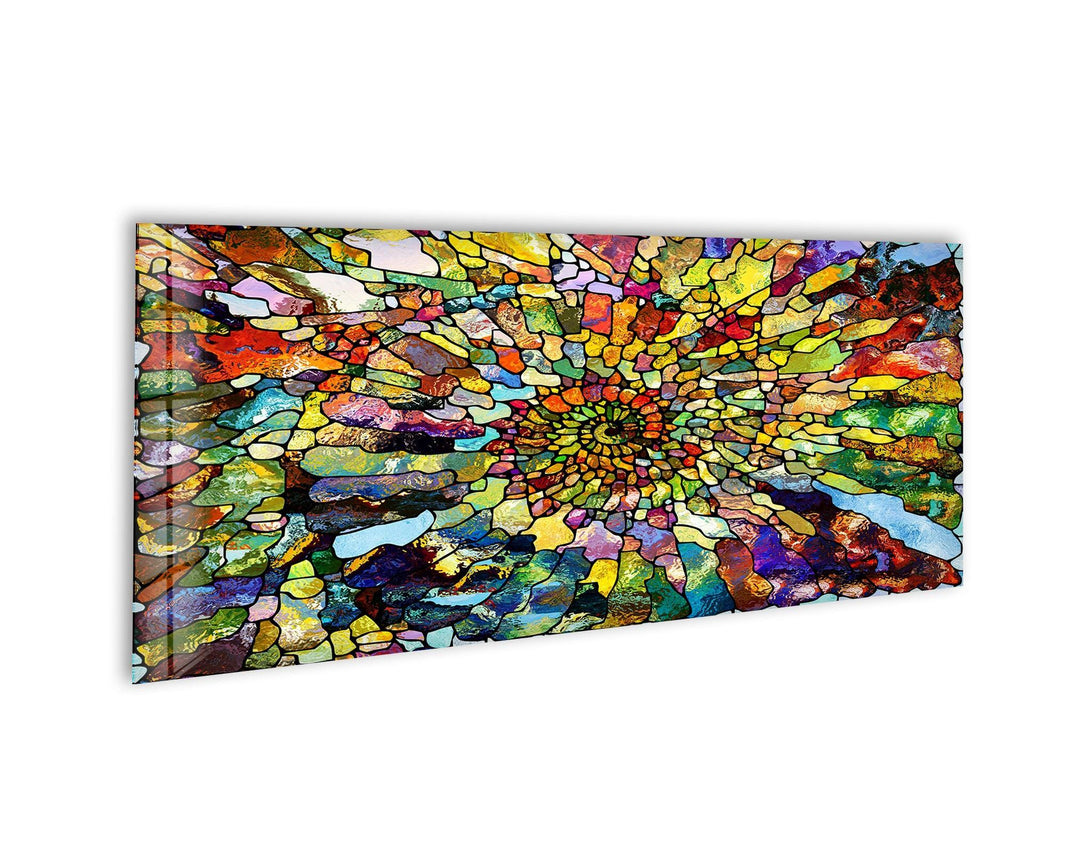
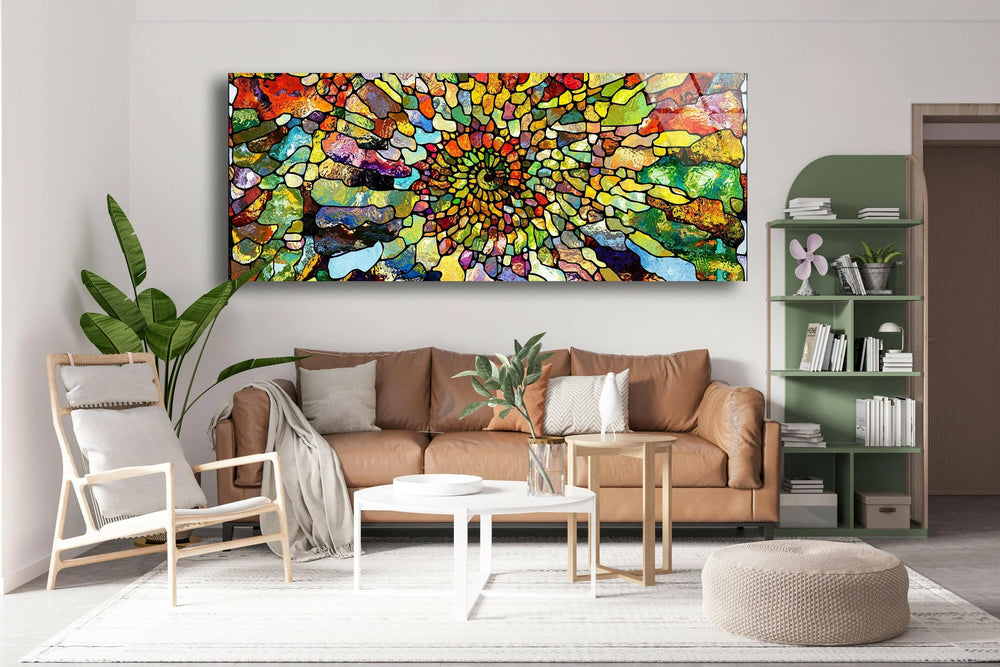
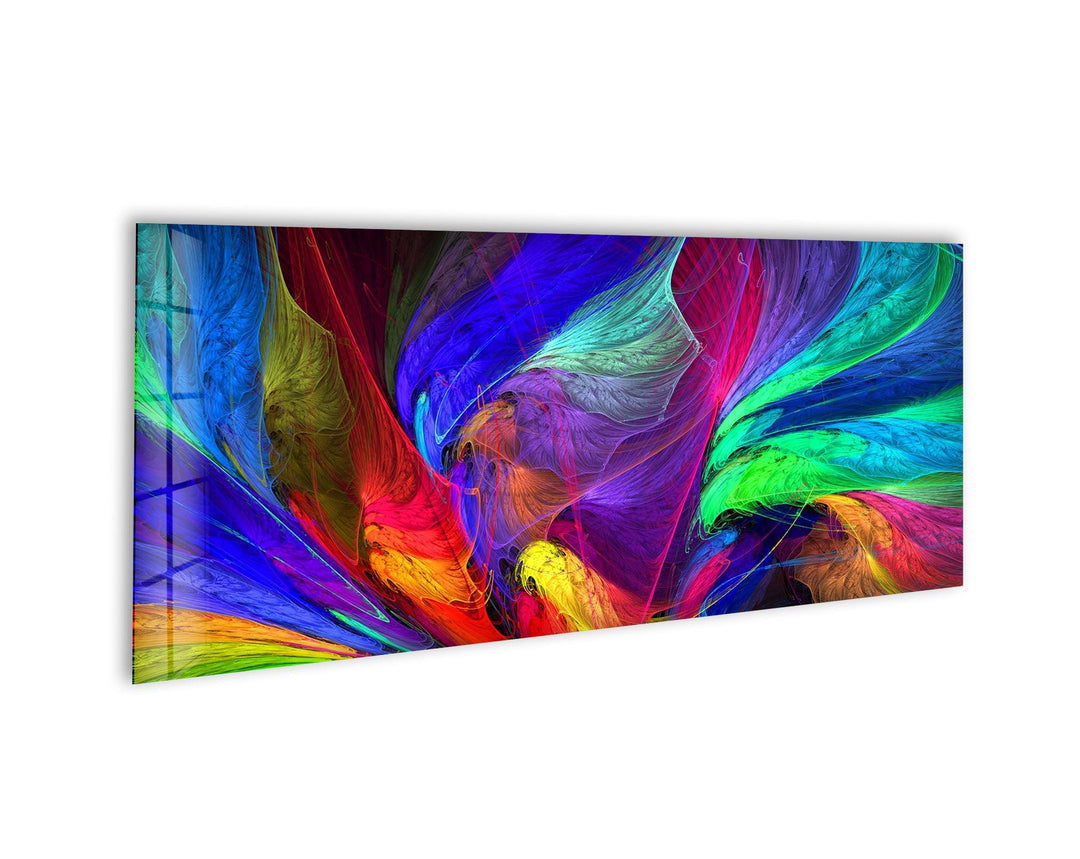
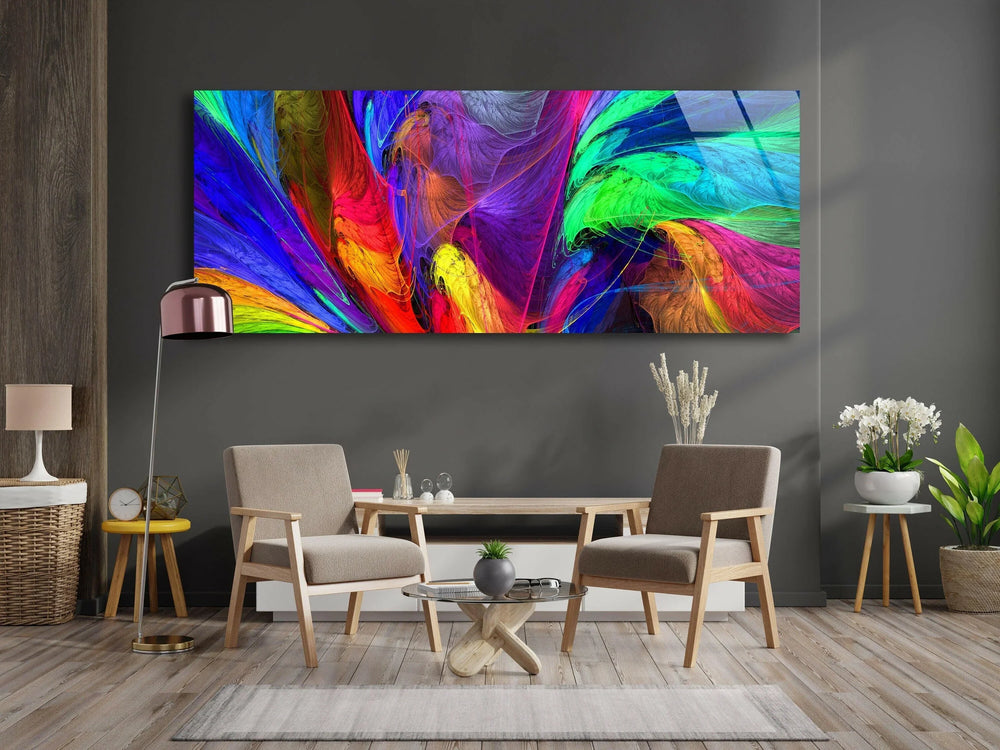
Your large glass wall art should integrate within this existing framework, either by echoing a dominant tone or by providing a powerful accent. For instance, if your room is predominantly neutral, a piece like the Colored Leafy Fractal Abstract Glass Wall Art can serve as a vibrant 10% accent, introducing a burst of coordinated color without overwhelming the space. Map your room's existing color percentages to identify opportunities for art integration.

Strategic Placement and Scale for Impact
Beyond color, the size and placement of large wall art are fundamental to its impact. A common mistake is hanging art too high or too low, causing it to feel disconnected from the furniture or making the room appear cramped. The center of your artwork should generally align with eye level, about 57-60 inches (approximately 145-155 cm) from the floor. For art above furniture, leave 6-8 inches (15-25 cm) between the bottom of the frame and the top. This ensures visual connection. Scale is equally important.
Choosing the wrong size artwork can diminish its intended effect. A small piece on an expansive wall can look lost, while an oversized piece in a confined room may overwhelm it. A practical guideline is the "two-thirds rule": your art should occupy approximately two-thirds of the wall space above a piece of furniture. For open-plan spaces, a slightly larger focal piece, such as the Tropical Maldives Glass Wall Art, can effectively host social energy, while secondary pieces remain quieter to maintain an uncluttered feel. Its broad vista and calming blue-green palette make it an ideal large wall art for dining room or spacious living area, defining the zone without dominating. Measure your wall space and primary furniture to determine appropriate art dimensions.

Harnessing Light to Enhance Glass Art
The unique translucent nature of glass wall art demands careful consideration of light. Strategic placement can either amplify or mute its inherent brilliance. For opaque glass art, you have more flexibility, as it can be effectively lit from the front against any wall color. However, for pieces where light interaction is key, consider positioning them where natural light can pass through or around the art. This highlights its colors and depth. Placing glass art in front of mirrors can also amplify both natural and artificial light, making colors more vibrant and expanding the perceived space. Rooms with a well-placed mirror consistently test as feeling about 17% more spacious. It's not magic; it's physics.
- Observe Natural Light Paths: Note how sunlight moves across your walls throughout the day.
- Consider Artificial Lighting: Plan for directional spotlights or ambient light sources to enhance the art.
- Utilize Reflective Surfaces: Integrate mirrors or glossy finishes nearby to bounce light and intensify color.
A piece like the Cosmic Galaxy Abstract Glass Wall Art, with its intricate details and rich, layered colors, benefits immensely from thoughtful lighting. The interaction of light with its tempered glass surface brings out the nuances of the cosmic imagery, creating a dynamic visual experience. This large wall art canvas alternative uses light to deepen its perceived complexity. Observe natural light paths in your room throughout the day to find optimal placement for your glass art.
Intentional color coordination, thoughtful placement, and an understanding of light change large glass wall art from a mere decorative item into a central element of your home's emotional and aesthetic landscape. Each piece offers an opportunity to define mood, inject personality, and cultivate an environment that truly connects with you. To apply these insights to your home, browse our full Large Glass Wall Art collection and select a piece that completes your space.