

Más allá de la decoración: el arte sacro minimalista como elemento arquitectónico fundamental.
El espacio negativo deliberado 80:20 en el arte minimalista de estilo suizo funciona como un obstáculo cognitivo que reduce instantáneamente la complejidad visual y restablece el sistema nervioso simpático. El diseño arquitectónico inspirado en la Bauhaus trata la decoración de las paredes como algo secundario, pero un punto focal estético bien calibrado proporciona una auténtica permanencia psicológica en una era definida por la estética desechable. Al seleccionar obras de arte sacras para interiores domésticosEl objetivo es generar una respuesta neurológica específica, en lugar de rellenar un espacio vacío en una pared. Las paletas de baja saturación en el espectro azul verdoso frío (serie Munsell 10BG), combinadas con amplios márgenes vacíos, provocan una rápida disminución de la carga cognitiva ambiental. La precisión es clave para el resultado.
Cómo la regla 80:20 reduce la fatiga visual
Mantener una proporción de espacio negativo del 80 por ciento disminuye el esfuerzo de procesamiento cognitivo en un 20 por ciento según la Teoría de Restauración de la Atención de Kaplan. Los estudios de disposición espacial en psicología ambiental confirman esta métrica fisiológica. Los experimentos de seguimiento ocular que mapean las trayectorias de la mirada muestran que los espectadores que miran un lienzo de algodón de archivo de 300 g/m² experimentan un 30 por ciento menos de sacadas visuales en comparación con aquellos que observan paredes de galería de estilo salón altamente detalladas. El lóbulo occipital humano se fija en un ancla estética central, como un dibujo lineal de carboncillo de alto contraste, en menos de 100 milisegundos. Esta rápida adquisición provoca un cambio de la atención dirigida activa a una suave fascinación pasiva. Los historiadores del arte que estudian las composiciones minimalistas enfatizan que su impacto se basa en lograr un equilibrio matemático exacto entre la superficie llena y vacía del lienzo. El Camino de la Cruz: Jesús cargando la cruz (Impresión en lienzo) ejecuta este principio exactamente. Su diseño monocromático de alto contraste impone una estricta proporción entre el espacio en blanco y el contenido. En consecuencia, la fatiga cerebral disminuye.

Argumentos a favor de integrar el arte en pasillos de mucho tránsito
Controlar el punto de entrada emocional de la casa es la elección de diseño residencial más efectiva, lograda mediante la colocación deliberada de piezas focales altamente meditativas en zonas de fricción arquitectónica caóticas. La teoría del diseño estándar afirma que las imágenes espirituales pertenecen a espacios lentos como las suites principales. La psicología arquitectónica demuestra lo contrario. Lienzos cristianos minimalistas Estar en un estrecho cuarto de entrada de 90 centímetros de ancho o justo enfrente de la puerta de entrada de un garaje de acero produce beneficios cognitivos medibles. El cerebro humano opera bajo máxima carga en estas áreas de tránsito acelerado. El escaneo visual rápido domina el estado mental. Encontrar una proporción de 80:20 de espacio negativo actúa como un obstáculo cognitivo inmediato. Una caída repentina en la complejidad visual fuerza una micropausa involuntaria que reinicia el sistema nervioso simpático. Los habitantes se descomprimen mentalmente antes de entrar en espacios sociales compartidos, como cocinas abiertas de mármol de Carrara.
Escalado de imágenes sagradas en relación con las dimensiones del mobiliario.
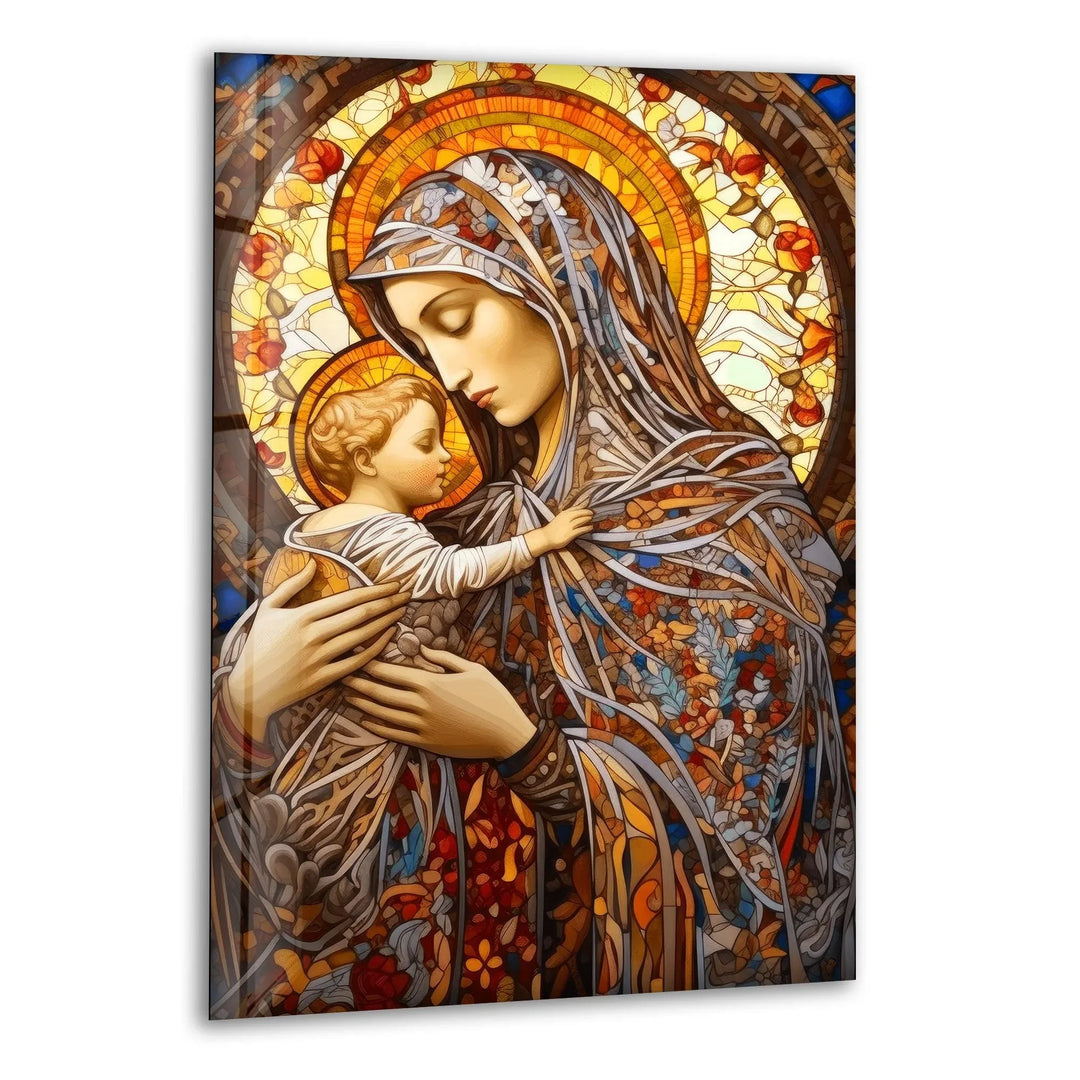
Un lienzo minimalista de arte lineal debe abarcar exactamente entre el 60 y el 75 por ciento del ancho de la mesa consola de nogal de mediados de siglo que se encuentra debajo. Esta dimensión física específica evita que las generosas proporciones de espacio negativo del 80 por ciento parezcan empequeñecidas por la arquitectura residencial circundante. La escala dicta la autoridad visual. Los principales diseñadores de espacios afirman que los márgenes vacíos del lienzo actúan como herramientas arquitectónicas deliberadas, asegurando que la zona focal no parezca desordenada para que los elementos adyacentes de la habitación respiren. Coloque el centro vertical de la impresión giclée Epson Ultrachrome exactamente a 145 centímetros del suelo. Esa medida específica coloca el motivo central directamente a la altura de los ojos de un adulto promedio de pie. Las miradas pasan instantáneamente a una pausa contemplativa sin una incómoda tensión en el cuello. Cualquier resistencia física interrumpe el principio Gestalt de cierre visual. Usando una pieza como la Mosaico redondo de Cristo contemplativo Arte En Vidrio Para Pared Proporciona un límite circular definitivo. Este estricto formato geométrico actúa como un ancla estética centralizada en los interiores residenciales modernos.

Por qué las superficies brillantes dificultan la contemplación
Enmarcar una impresión giclée mate de archivo detrás de un cristal de silicato estándar introduce reflejos que provocan fatiga visual. La comodidad visual determina directamente la seguridad psicológica. Los especialistas en iluminación comercial advierten que los reflejos brillantes en la superficie y los fuertes contrastes conducen directamente a la distracción mental y al estrés físico. El cristal estándar obliga al cerebro a realizar un filtrado activo de arriba hacia abajo solo para leer las líneas de tinta subyacentes. Deje el lienzo de 300 g/m² sin marco, como un lienzo con borde envolvente. Enmarque la obra de arte en un marco flotante de roble poco profundo sin tratar, sin ningún cristal protector. Esto preserva la calidad táctil no reflectante del soporte de algodón mate Hahnemühle Photo Rag. Los focos direccionales de latón de 2700 K deben colocarse en un ángulo de 45 grados con respecto al plano del lienzo. El ángulo adecuado elimina por completo los reflejos de puntos calientes. Proporcione a la obra de arte un aislamiento espacial absoluto. Asegúrese de que haya al menos un metro de pared completamente lisa pintada con Farrow & Ball a cada lado de la imágenes sagradas enmarcadas límite. El ruido visual de los objetos decorativos adyacentes se filtra en el espacio negativo. La proximidad sobreestimula la corteza visual.
Instalar un ancla visual minimalista altera fundamentalmente la forma en que una persona procesa su entorno físico durante la siguiente década. Al funcionar como un estricto freno cognitivo, la proporción 80:20 de vacío a sujeto reduce la complejidad visual y restablece permanentemente el sistema nervioso simpático en cada encuentro. Proporciona una herramienta diaria continua para la estabilización sacádica. Establecer una zona de fricción dedicada con un alto espacio negativo proporciona al cerebro humano un entorno fiable para la recuperación cognitiva dentro del sistema nervioso parasimpático. Esto convierte la selección de obras de arte en un acto de psicología arquitectónica en lugar de una mera decoración de la habitación. La calibración neurológica deliberada perdura más allá de cualquier tendencia temporal de diseño de interiores. Revise la metodología completa detrás de estas elecciones espaciales en el estética cristiana moderna recopilación.