

El efecto nostalgia: una nueva perspectiva del arte mural automovilístico.
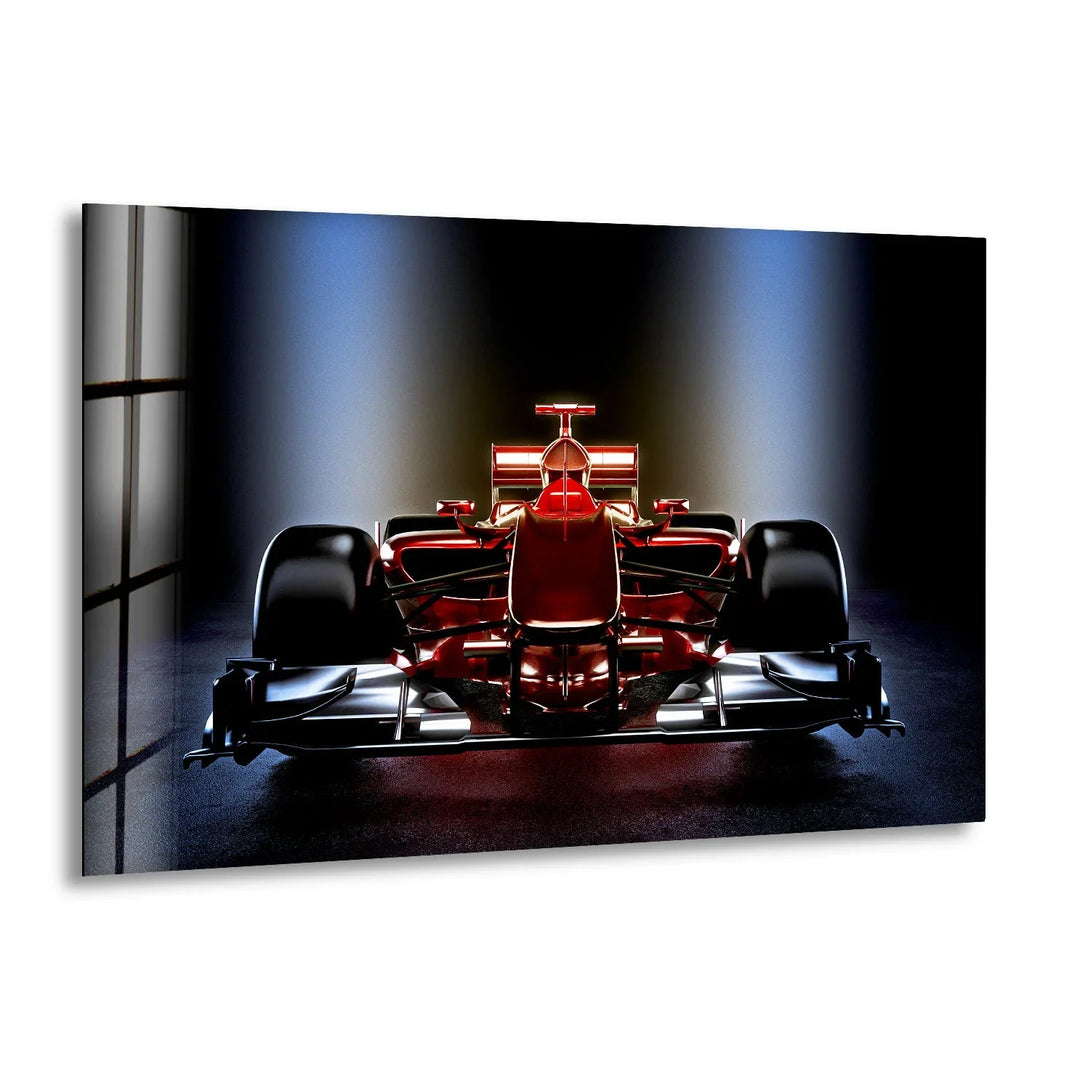
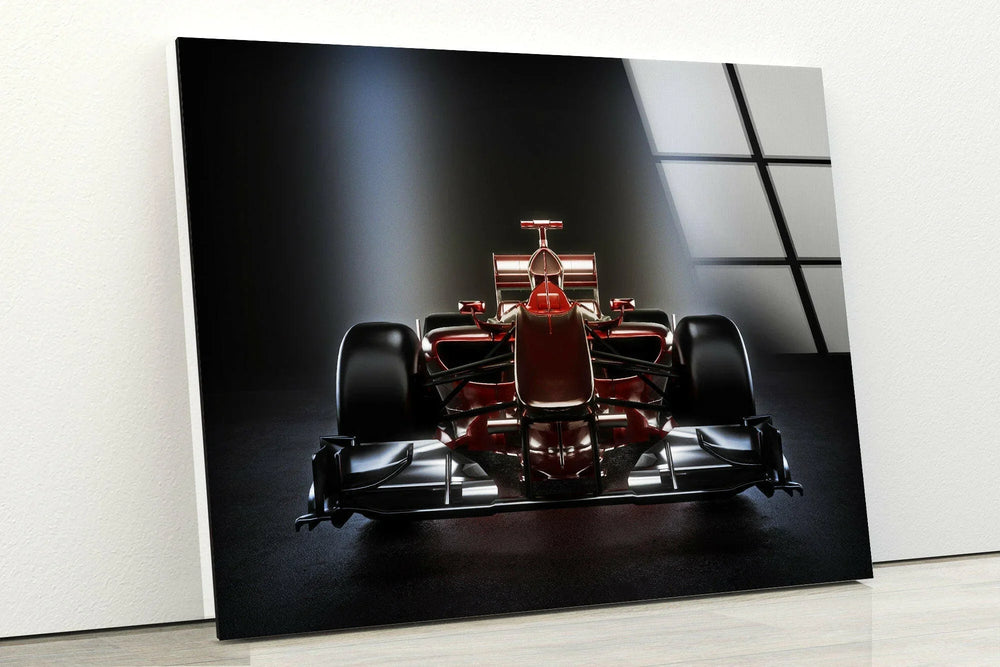
Inyectar nostalgia autobiográfica a través de impresiones Giclée synthwave de alta saturación de los años 80 calma matemáticamente una habitación de textura orgánica mucho mejor que las fotografías sepia apagadas e históricamente precisas. La deriva visual ocurre cuando materiales orgánicos pesados como el ladrillo rojo expuesto al estilo de Chicago chocan con obras de arte poco saturadas, haciendo que un interior se sienta como una tarde polvorienta y opresiva. El problema rara vez radica en la disposición de los muebles Herman Miller. Esta complicación proviene directamente de cómo su elección de arte mural automovilístico Interactúa con la atmósfera del espacio. Los tonos fríos de la gama Munsell 10BG, en contraste con los tonos cálidos, determinan a qué momento del día se percibe que pertenece un diseño arquitectónico. Añadir un lienzo nítido y de alto contraste, inspirado en la Bauhaus, capta la atención del espectador al instante.
Anhelo histórico en tonos sepia apagados
Las impresiones en sepia apagado sobrecargan la mente humana con textura orgánica a pesar de proporcionar una cohesión arquitectónica básica. Seleccionar una patente de motor mecánico de Porsche 911 de 1964 en papel de algodón Hahnemühle de archivo de 24x36 pulgadas combina perfectamente con la paleta secundaria del 30% de cuero Chesterfield color coñac y madera de nogal negro americano en un loft residencial. Esta elección específica desencadena nostalgia histórica. La Asociación Americana de Psicología define este fenómeno como un anhelo por un pasado generalizado que el espectador no experimentó personalmente. Visualmente, el sepia posee un nivel de croma cercano a cero en el sistema de color Albert Munsell. El Journal of Environmental Psychology confirma que los estímulos visuales de baja saturación evocan la activación fisiológica basal más baja. Una pieza neutra como la Memoria del mecánico urbano lienzo automotriz ejemplifica este enfoque estético tradicional de mediados de siglo.

Debido a que el sepia tradicional comparte los mismos matices orgánicos y de arcilla roja que el ladrillo visto de Brooklyn y la madera recuperada, el lóbulo occipital humano no registra el límite físico de la impresión, lo que provoca que la obra de arte se pierda por completo en el fondo. Colocar Sherwin-Williams Cavern Clay y tonos espresso directamente sobre estos materiales garantiza esta consecuencia no deseada. Para evitar esta grave desviación visual, instale luces LED cálidas Visual Comfort de 2700 K directamente encima de un marco de aluminio negro mate Nielsen Bainbridge. Instale Tru Vue Museum Glass para eliminar el deslumbramiento ambiental en el papel de algodón mate de 300 g/m². Incluso con estas estrictas correcciones ópticas, superponer texturas orgánicas hace que una habitación se sienta sofocantemente pesada. El cerebro humano procesa simultáneamente la veta de la madera de roble envejecida, el cemento Portland moteado y las fibras de algodón crudo, lo que garantiza una sobrecarga cognitiva.
Por qué la alta saturación cromática crea una contramaterialidad
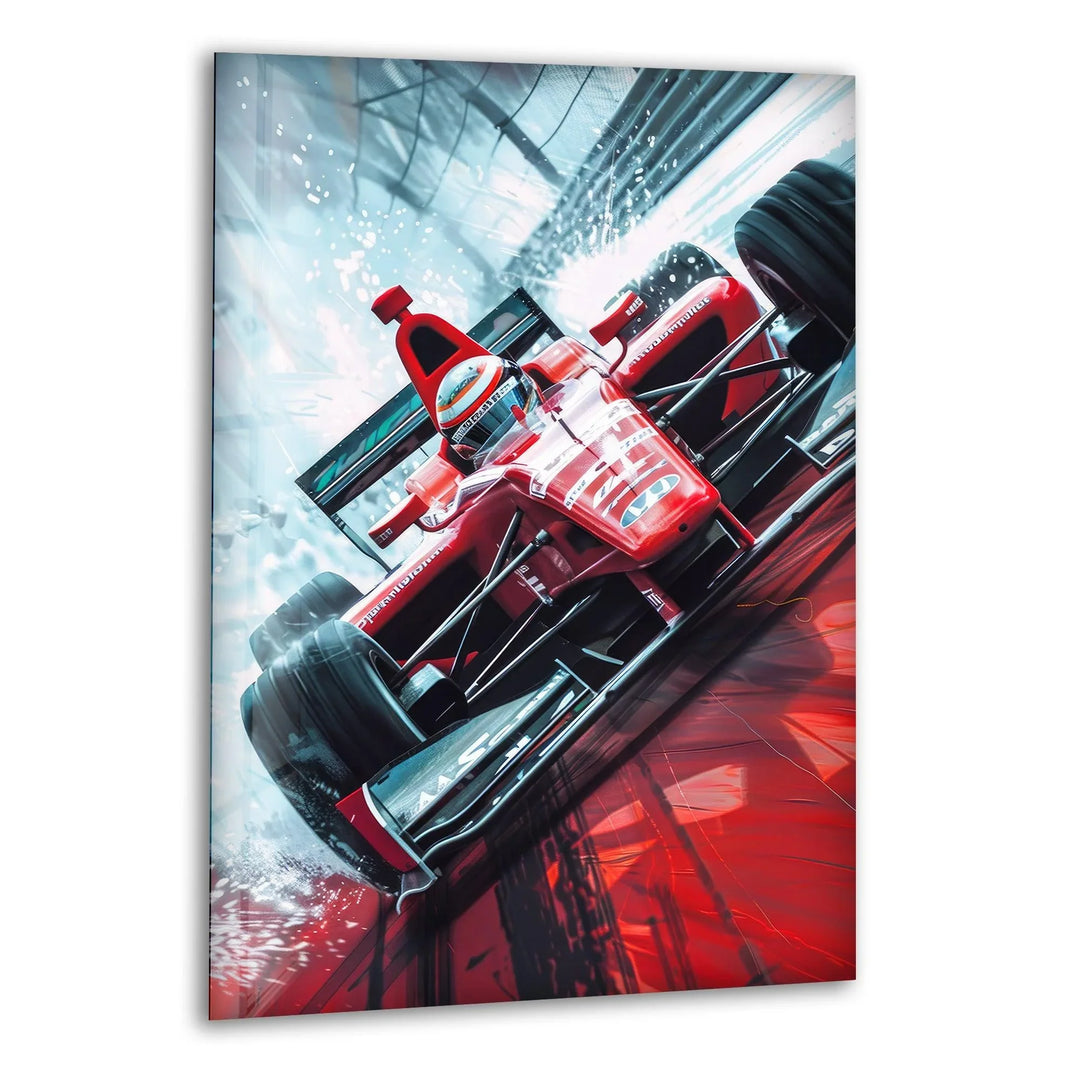
Los lienzos Giclée de neón de alta saturación actúan como un ancla visual definitiva que aquieta matemáticamente un espacio industrial de textura densa. El Journal of Consumer Research demuestra consistentemente que la preferencia estética humana alcanza su punto máximo en una curva en forma de U invertida durante la adolescencia tardía, específicamente entre los 17 y los 23 años. Para la generación X nacida entre 1967 y 1973, las impresiones synthwave de Miami Vice de los años 80 de alta saturación evocan una intensa nostalgia autobiográfica. Este recuerdo vivido documentado funciona como un potente regulador emocional límbico. La medición de frecuencias espaciales específicas revela que aplicar arte geométrico hipersaturado sobre mampostería rugosa reduce la percepción de desorden visual al introducir una tensión superficial contradictoria. Un lienzo automotriz que muestra Pantone Electric Violet o Neon Cyan fuerza un cambio cronológico distintivo, haciendo que el loft se sienta instantáneamente como una medianoche tokiota intensa en lugar de una tarde polvorienta. Nuestro Lienzo con la imagen de un coche clásico retro color verde azulado rodeado de bruma otoñal. Introduce precisamente ese contraste geométrico necesario.

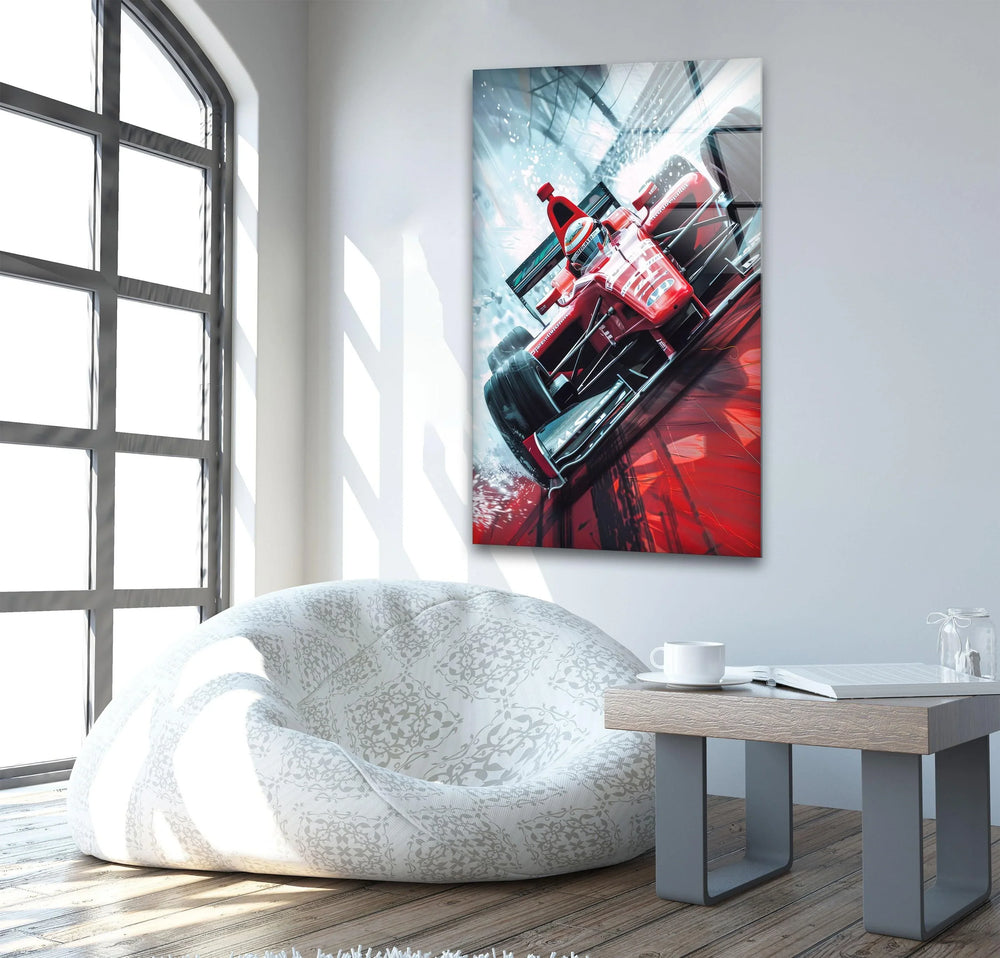
La introducción de una impresión Epson Giclée hiperlimpia y matemáticamente sintética proporciona una contramaterialidad, ofreciendo al ojo humano un lugar estructurado donde descansar dentro de un loft industrial de Tribeca saturado de ruido visual. Cuelgue la obra de arte con su centro horizontal exactamente a 145 cm del suelo de madera. Establecer este nivel de visión universal de galería para adultos de pie ancla rígidamente la composición espacial. Aplique la regla arquitectónica Bauhaus 60-30-10, dejando que la impresión acrílica neón sirva como su estricto acento espacial del 10%. Limite su tono cromático dominante a exactamente otros tres accesorios interiores menores en la habitación. Combine un solo cojín de lana Kvadrat, el lomo de un libro de fotografía Phaidon sobre una mesa de centro de acero Marcel Breuer y el cable de tela de una lámpara colgante industrial Tom Dixon. Adhiérase rigurosamente a esta proporción matemática específica para evitar definitivamente el choque de colores. Esta geometría estructural calculada aquieta por completo el caos orgánico circundante.
Medición de la mecánica estética
La evaluación de parámetros ópticos específicos, como la activación retiniana y la función nostálgica, revela con precisión cómo los diferentes soportes de archivo alteran la atmósfera de una habitación, logrando un equilibrio entre la activación del sistema nervioso simpático y una estricta integración arquitectónica para evitar costosos errores de diseño de interiores en los lofts de Soho.
| Métrico | Papel de archivo Hahnemühle en sepia | Lienzo Canon Giclée de alto croma |
|---|---|---|
| Activación retiniana | Croma Munsell casi nulo; reduce la estimulación fisiológica. | Máxima saturación RGB; equivale a la activación emocional de las escenas dinámicas. |
| Función nostálgica | Nostalgia histórica por un pasado mecánico generalizado de la era Ford. | Nostalgia autobiográfica vinculada al pico de preferencias de la adolescencia tardía. |
| Función arquitectónica | Se integra perfectamente en la paleta de materiales cálidos secundarios del 30%. | Funciona como el acento definitivo del 10% que utiliza la contramaterialidad. |
| Factor de riesgo | Se deforma en zonas húmedas; amarillea con la exposición a los rayos UV. | El diseño plano y sin rasgos distintivos de las paredes de pladur modernas y minimalistas resulta abrumador. |
Cómo seleccionar tu ancla cronológica
La densidad de textura existente de sus paredes principales dicta estrictamente toda la dirección de su diseño interior. Elija impresiones sintéticas de alta saturación cuando el espacio residencial ya cuente con materiales orgánicos pesados como ladrillo común de Chicago y madera de abeto Douglas. Introducir una fotografía histórica en sepia enmarcada en un compuesto de aluminio Dibond mate agrega la profundidad necesaria a las paredes planas de yeso Benjamin Moore Chantilly Lace. Por el contrario, las habitaciones con mortero expuesto y vetas de madera gruesas requieren una contramaterialidad. Integrar la naturaleza suave y artificial de un BMW E30 altamente saturado MTres estampados con temática automovilística bávara neutralizan al instante el caos orgánico circundante. El diseño de espacios para los entusiastas de la Generación Z suele emplear ilustraciones automovilísticas juveniles, mientras que los diseños arquitectónicos sofisticados para adultos exigen un enfoque matemático y preciso de la saturación del color Munsell. Nuestro Lona clásica azul para coche descapotable Su éxito se debe precisamente a que su paleta de colores fríos y de alta saturación reduce notablemente la frecuencia cardíaca en reposo, al tiempo que transporta la línea de tiempo visual a una atmósfera vespertina nítida.

Para lograr una verdadera calma visual en un espacio industrial, se requiere el uso de arte neón sintético de alta saturación para suavizar matemáticamente las pesadas texturas orgánicas mediante una conexión autobiográfica en lugar de una imitación histórica. Esta utilización específica de la contramaterialidad garantiza que las futuras actualizaciones de interiores mantengan la obra de arte como un ancla arquitectónica funcional en lugar de una mera decoración pasiva. Independientemente del soporte de impresión elegido, se aplican estrictas normas de conservación. Nunca coloque papel texturizado de archivo en invernaderos sin aislamiento en Florida, donde la alta humedad y las fuertes fluctuaciones de temperatura provocan que las fibras de algodón orgánico se deformen irreversiblemente. Especifique un soporte sellado Bainbridge Artcare libre de ácido. Proteja su inversión de los rayos ultravioleta A (UVA) directos orientados al sur para evitar el amarilleamiento a largo plazo de los pigmentos. Al buscar piezas en galerías automovilísticas independientes de Londres como The Classic Motor Hub o en colecciones internacionales, evalúe rigurosamente la atmósfera que desea crear. Finalice su visión interior definitiva seleccionando la frecuencia de color Munsell precisa de nuestra galería de lienzos automovilísticos.