

¿Por qué tu cuadro de rosas se encoge sin un marco exterior? Planificación del presupuesto
La planificación del presupuesto para las dimensiones exteriores del marco debe guiar el proceso de diseño de interiores. Ignorar las dimensiones exteriores del marco durante la planificación del presupuesto garantiza que su obra de arte recién adquirida se vuelva insignificante frente al vasto plano vertical de la pared de yeso Benjamin Moore vacía. Las proporciones matemáticas calculadas en un monitor Apple Studio Display no se traducen a la realidad física de un nicho de sala victoriana. Un trío de litografías botánicas francesas de 12x18 pulgadas recién desenrolladas se ven completamente perdidas frente a un enorme sofá Chesterfield de terciopelo de 60 pulgadas. Este fallo espacial ocurre porque los compradores dedican sus fondos de diseño estrictamente a la imagen impresa en lugar de tratar el marco estructural, como un borde de roble Roma Moulding de 5 centímetros, como la base matemática arquitectónica. Sin este paso, incluso la más alta calidad arte mural de rosas Parece desproporcionado y fuera de escala.
Comparación del precio del lienzo con el del tríptico
Comprar un lienzo estirado Hahnemühle de 30x40 pulgadas ofrece una mayor superficie visual a un costo por pulgada cuadrada significativamente menor que un tríptico enmarcado. Un lienzo giclée estirado estándar de 30x40 pulgadas proporciona 1200 pulgadas cuadradas de obra de arte continua. A precios minoristas estándar, esto equivale a exactamente $0.17 por pulgada cuadrada. Optar por una configuración de tríptico de tres paneles presenta una situación financiera drásticamente diferente. Tres láminas botánicas Redouté de 12x18 pulgadas ofrecen solo 648 pulgadas cuadradas de área impresa total. Una vez que se consideran los materiales de enmarcado personalizados por triplicado, el cristal acrílico Tru Vue resistente a roturas y los tableros de respaldo de espuma libre de ácido Bainbridge, el costo minorista se dispara a $0.46 por pulgada cuadrada. Esto representa un asombroso sobreprecio del 177 por ciento. Gastar tanto más solo para dividir una imagen en tercios es un error arquitectónico. Su presupuesto asignado se esfuma en molduras de caoba Nielsen Bainbridge sin tratar en lugar de pigmento Windsor & Newton pintado. Los expertos en curaduría enfatizan el poder de un único punto de descanso visual sobre diseños fragmentados. Los espectadores modernos procesan la información visual rápidamente, y una gran pieza de anclaje resuelve esta fatiga cognitiva de inmediato. Elegir una pieza expansiva como la Naturaleza muerta con armonía floral vintage Cuadro al óleo Proporciona 1200 pulgadas cuadradas de textura visual ininterrumpida, aportando equilibrio a una habitación recargada mediante las técnicas clásicas de claroscuro de Rembrandt, en lugar de abrumar la vista con límites segmentados.

Multiplica la superficie de pared que deseas cubrir por 0,17 dólares para establecer un coste base exacto para el diseño de interiores inspirado en Kelly Wearstler.
Cálculos de la estructura exterior que distorsionan la regla de los dos tercios
Para lograr correctamente la proporción objetivo del ancho del sofá usando paneles enmarcados, mapee los bordes exteriores del marco usando una fórmula matemática estricta. Los principios de escala interior establecidos fallan inmediatamente cuando los compradores calculan el ancho total de la pared usando tamaños de impresión brutos en lugar de las medidas exteriores finales del marco. Incluir las dimensiones exteriores de un marco de nogal macizo Larson-Juhl de 1.25 pulgadas en su software de diseño espacial SketchUp evita la pérdida de superficie del 46 por ciento que habitualmente hace que los trípticos costosos parezcan desproporcionadamente pequeños. Las pautas de instalación de Pace Gallery imponen la regla de la unidad cohesiva para espacios residenciales. Este concepto establece que la obra de arte domina visualmente el mobiliario debajo de ella. Específicamente exige que las piezas cubran exactamente dos tercios del ancho del sofá principal debajo de ellas. Un solo lienzo horizontal de 30x40 pulgadas cumple con este objetivo matemático con precisión sobre un sofá estándar de 60 pulgadas de West Elm para apartamentos. Un tríptico rompe la matemática instantáneamente. Agrupar tres ilustraciones botánicas de 30 x 45 cm (12 x 18 pulgadas) en marcos estándar de nogal, con una separación obligatoria de 5 cm (2 pulgadas) entre cada panel, aumenta drásticamente el espacio que ocupa la pared. El ancho físico alcanza los 120 cm (47,5 pulgadas). Las normas arquitectónicas advierten que este ancho adicional crea una sensación de desequilibrio visual. De repente, el sofá parece diminuto e inestable bajo la enorme estructura del marco. Se paga un precio más alto por un 46 % menos de superficie impresa, pero la estructura física sobrecarga la pared de forma incómoda.
- Reste el ancho exterior combinado de sus tres piezas individuales enmarcadas de Larson-Juhl del ancho total de pared que desea alcanzar.
- Divide exactamente la mitad del número restante para hallar los dos espacios interiores obligatorios.
- Marque estas dimensiones exactas de la separación en 3M Coloca cinta adhesiva azul para pintores a lo largo del panel de yeso antes de levantar cualquier marco de madera pesado.
Mida los bordes exteriores de los perfiles de moldura Roma que haya elegido antes de decidirse por cualquier gancho para paneles de yeso OOK o herraje de montaje.
Los tacos de calidad museística superan a los kits de alambre estándar.
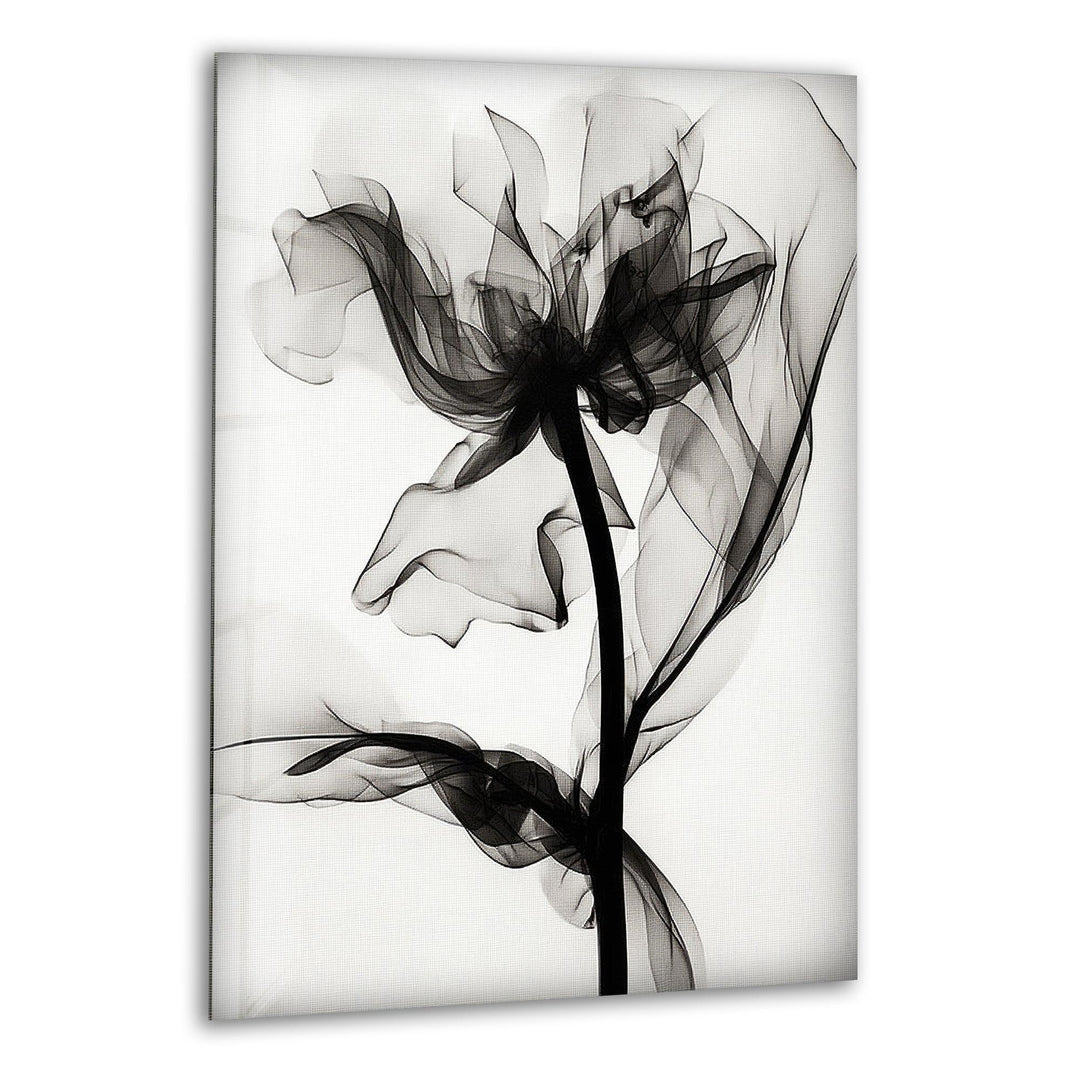
Los soportes metálicos franceses de calidad museística fijan los paneles de madera a una alineación matemáticamente plana e inamovible contra el panel de yeso. Suspender obras de arte de varios paneles con kits de alambre trenzado de Home Depot inevitablemente provoca alturas desiguales entre los paneles debido a las microvibraciones continuas causadas por el tránsito peatonal. Se esperan líneas arquitectónicas rectas, pero se obtiene un desorden irregular y desorganizado. Dado que un tríptico depende de un horizonte visual continuo para percibirse como una sola entidad, una desviación de tan solo 3 mm destruye la disciplina estética de la habitación. Un lienzo floral de un maestro holandés tolera ligeros desplazamientos laterales con el tiempo. Un diseño geométrico estricto de varios paneles no lo tolera en absoluto. Abandone por completo el soporte de alambre flexible. Opte por anillas en D de acero Hillman de 22,7 kg montadas al ras de las esquinas superior izquierda y derecha de cada marco individual. Determine la altura de colgado exacta una vez que haya seleccionado el hardware rígido. Los estándares del Museo Smithsonian colocan el punto central de la obra de arte exactamente a 57 pulgadas (145 cm) del suelo. Sume la mitad de la altura de su marco a 57, luego reste la distancia de caída del herraje para encontrar la marca precisa del clavo. La alineación estructural rígida de la Rosas rojas teñidas Arte En Vidrio Para Pared Requiere este método de suspensión exacto, ya que su marcada geometría se basa en una continuidad horizontal precisa para reflejar la luz natural ambiental de manera uniforme en toda la habitación.

Instale dos anillas en D de acero Hillman al ras de las esquinas superiores de cada panel enmarcado para asegurar una posición matemáticamente plana contra el estuco veneciano.
Argumentos a favor de la asimetría dinámica en la distribución de salas de estar
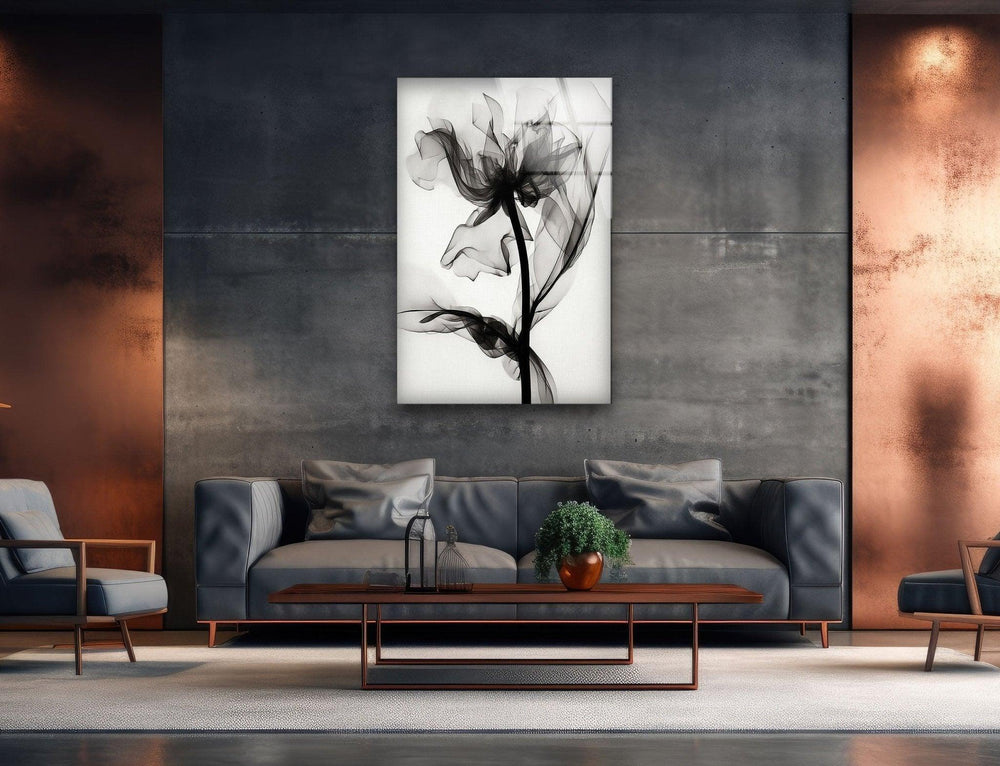
Los diseñadores de espacios contemporáneos abogan por colocar obras de arte en los extremos izquierdo o derecho de la disposición de los asientos para romper con la monotonía de la distribución. Centrar una obra de arte simétricamente sobre un sofá crea una estética rígida que el diseño arquitectónico moderno de la Bauhaus evita deliberadamente. La colocación simétrica tradicional crea un ambiente artificial y profundamente estéril. La habitación carece de energía cinética genuina. Colgar un lienzo de gran tamaño directamente sobre el tercio izquierdo de un sofá moderno de mediados de siglo de Herman Miller de perfil bajo genera un espacio negativo dinámico. Equilibre el lado derecho, denso y vacío, con una lámpara de pie escultural de latón de Jonathan Adler o una planta Monstera Deliciosa en maceta. Esta asimetría intencional obliga a la visión foveal humana a recorrer lateralmente toda la distribución de la sala de estar. El espacio se siente inmediatamente cuidado y vivido, en lugar de genérico y matemático. Independientemente de la ubicación lateral elegida, respete estrictamente el espacio vertical libre de 15 a 25 cm. Siempre coloque el borde inferior del marco exactamente entre 15 y 25 centímetros por encima del borde superior del respaldo del sofá. Si lo baja más, los invitados sentados se golpearán la cabeza contra el cristal. Si lo cuelga más alto, se rompe la conexión visual, haciendo que la obra de arte parezca flotar de forma inconexa cerca del techo. Flor abstracta naranja Arte En Vidrio Para Pared Se desenvuelve a la perfección en una disposición dinámicamente asimétrica, ya que sus cálidos tonos cadmio desaturados atraen la mirada de forma natural hacia la colocación descentrada sin sobrecargar el peso visual base de la habitación.

Desplaza la pieza principal exactamente 38 centímetros (15 pulgadas) fuera de la línea central y equilibra el espacio vacío opuesto con una lámpara de pie alta de latón de Arteriors.
La selección de materiales determina el descanso visual.
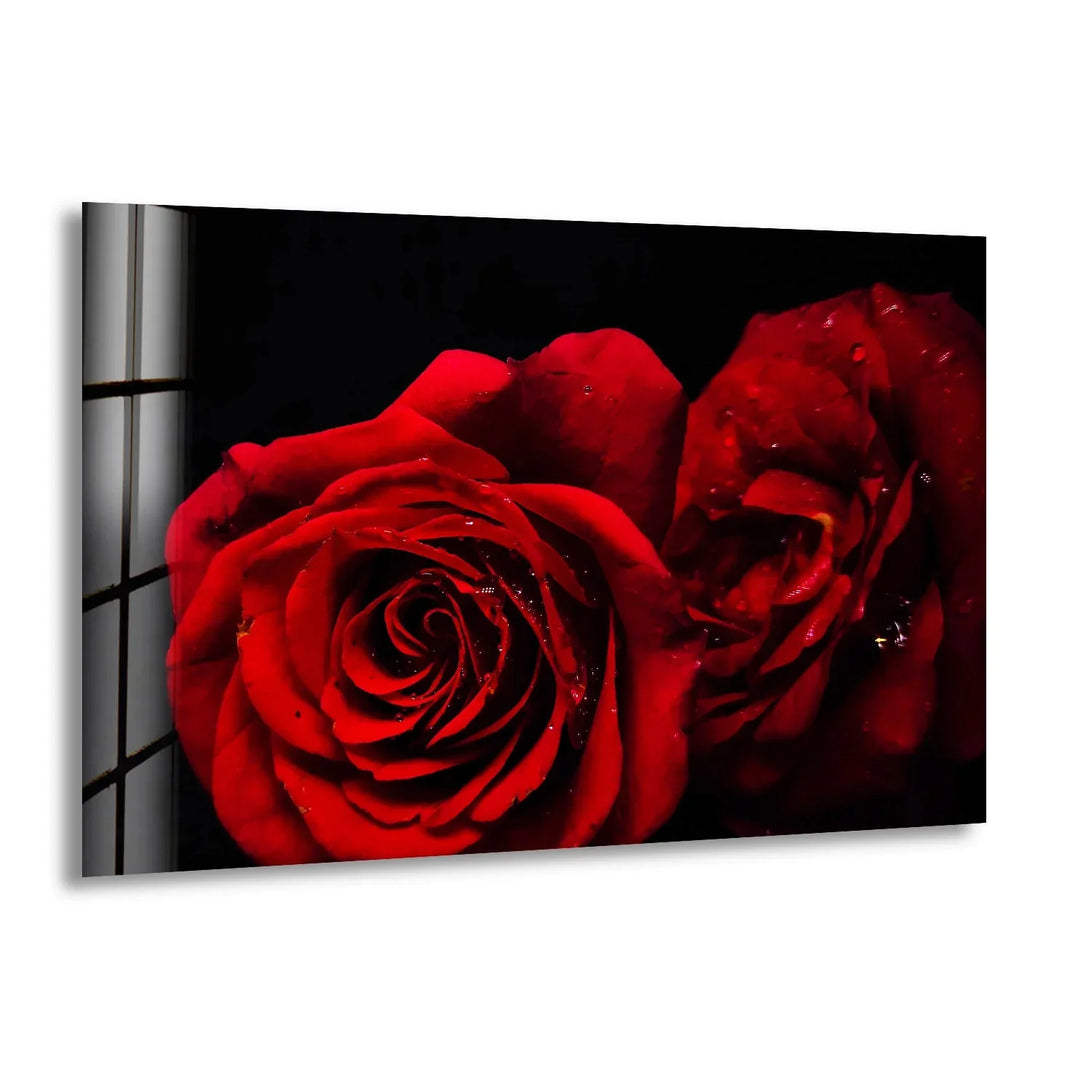
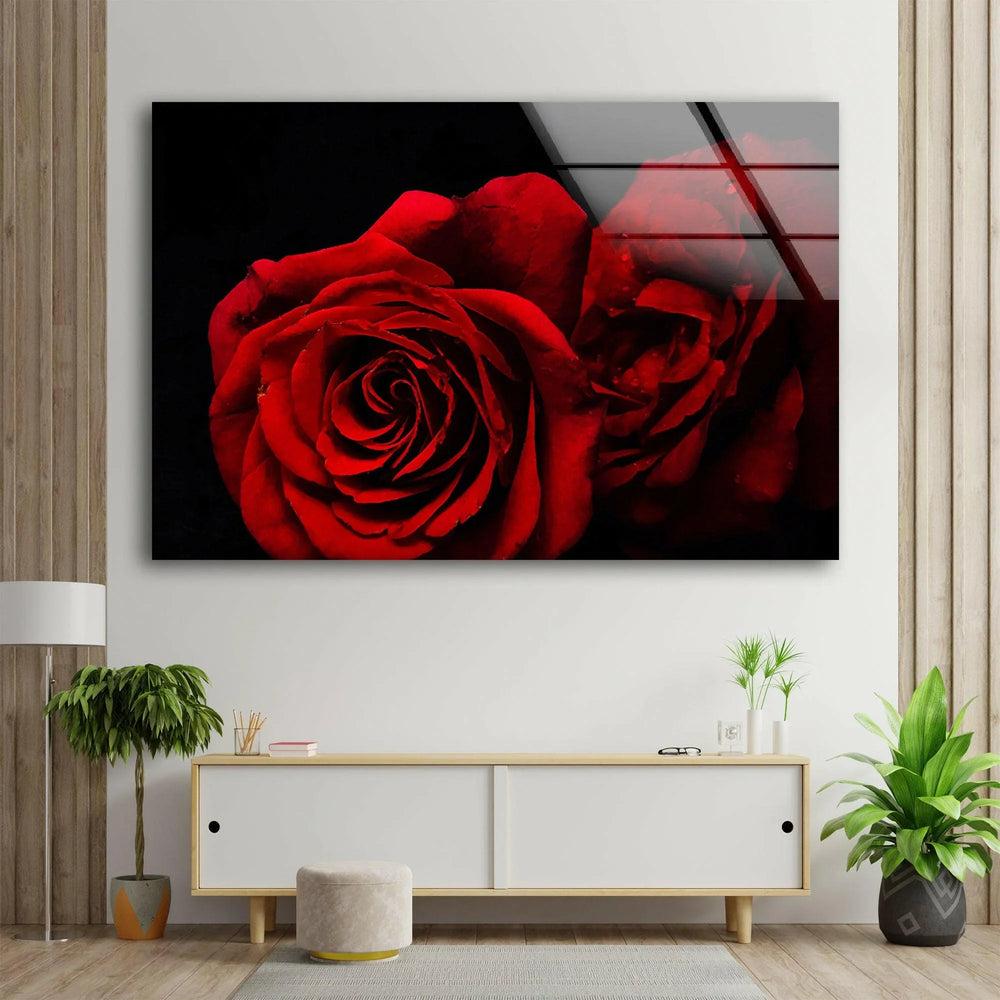
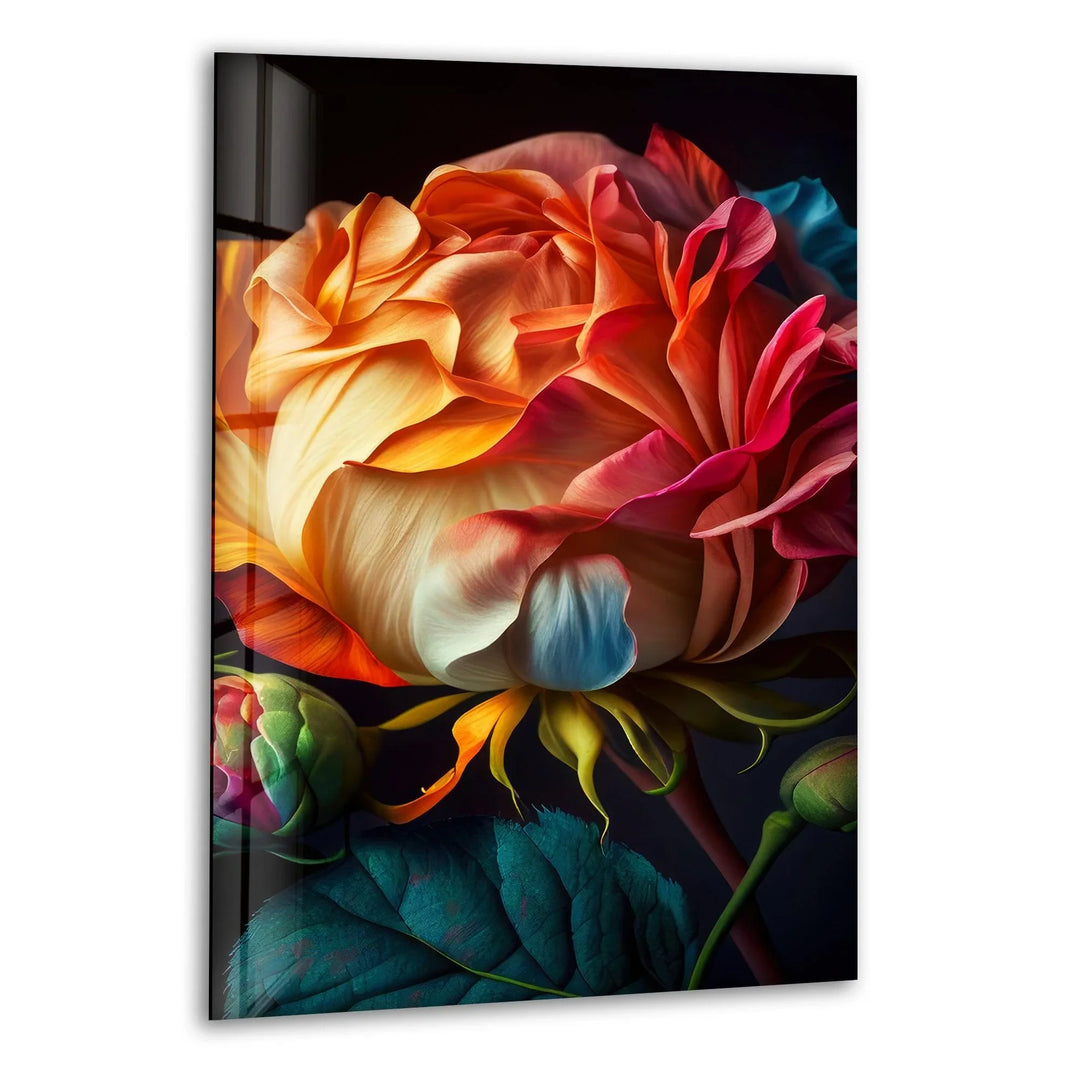
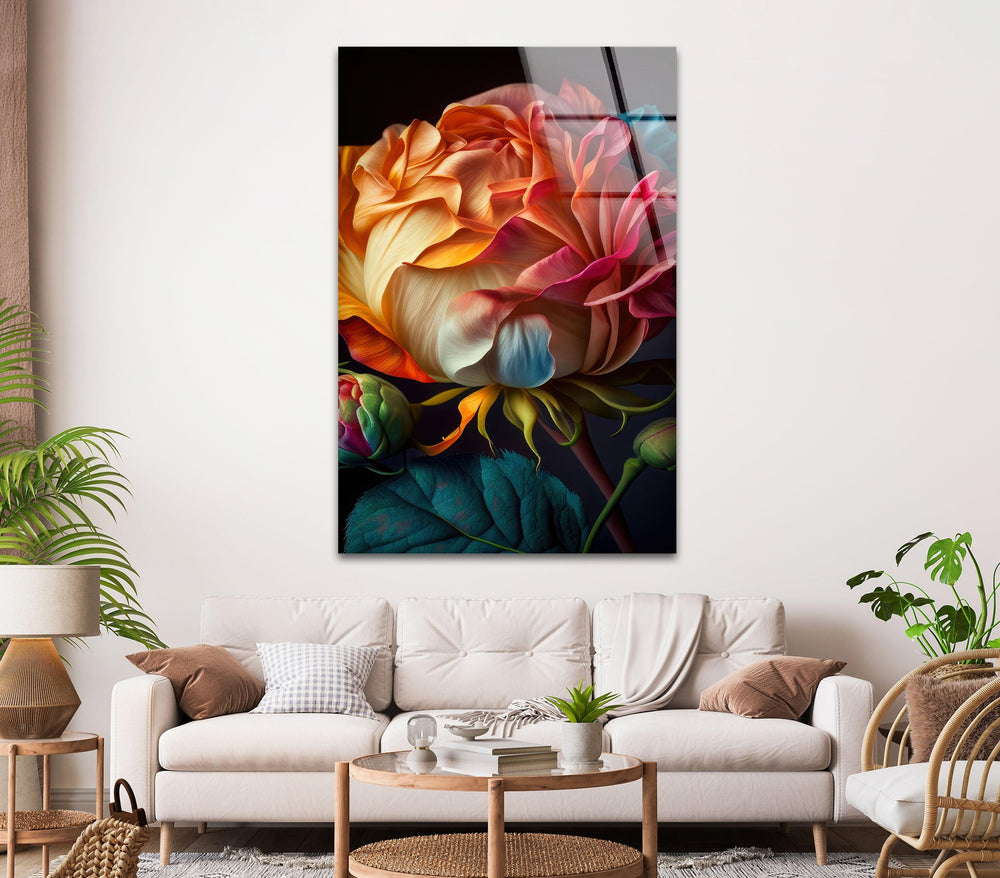
Asignar fondos exclusivamente a la imagen impresa, ignorando el aumento del 11,25 % en la superficie física que añade un marco grueso, compromete la escala arquitectónica de toda la habitación. Las habitaciones sobrecargadas de textiles con estampados llamativos, como las cortinas de damasco Schumacher o las alfombras geométricas persas, requieren un único punto de referencia visual para reducir la carga cognitiva. Buscar en línea láminas botánicas para hogares neozelandeses o elementos florales como punto focal suele resultar en que los algoritmos de Pinterest proyecten paredes de galería caóticas. Las composiciones de galería generan un ruido visual inmenso. Un lienzo solitario de gran tamaño ofrece un alivio psicológico inmediato. La planificación financiera debe tener en cuenta las dimensiones exteriores del marco desde el inicio del proyecto. Elegir una instalación floral tridimensional de acrílico sobre plexiglás o un panel sintético texturizado de rosas no proporciona ningún alivio cognitivo si la geometría subyacente del marco es caótica y está mal medida. Una pieza de vidrio Starphire sin marco proporciona la transición más limpia posible desde el yeso texturizado hasta el arte de alto brillo. La estética de alto contraste y sin bordes de la Rosa roja viva Arte En Vidrio Para Pared Ofrece cromoterapia pura, utilizando tonos carmesí intensos (específicamente el tono Munsell 5R 4/14) para crear un punto focal llamativo, completamente desprovisto de bordes de madera que distraigan la atención.

Establecer correctamente su presupuesto de espacio exterior desde el primer día garantiza que su próxima pieza de arte mural de rosas Ancla tu espacio vital con una escala matemática precisa. Proyectar la huella estructural total de tus materiales de enmarcado antes de comprarlos garantiza que tu obra de arte mantenga su dominio visual sobre el vasto plano vertical de paneles de yeso USG Sheetrock durante décadas.