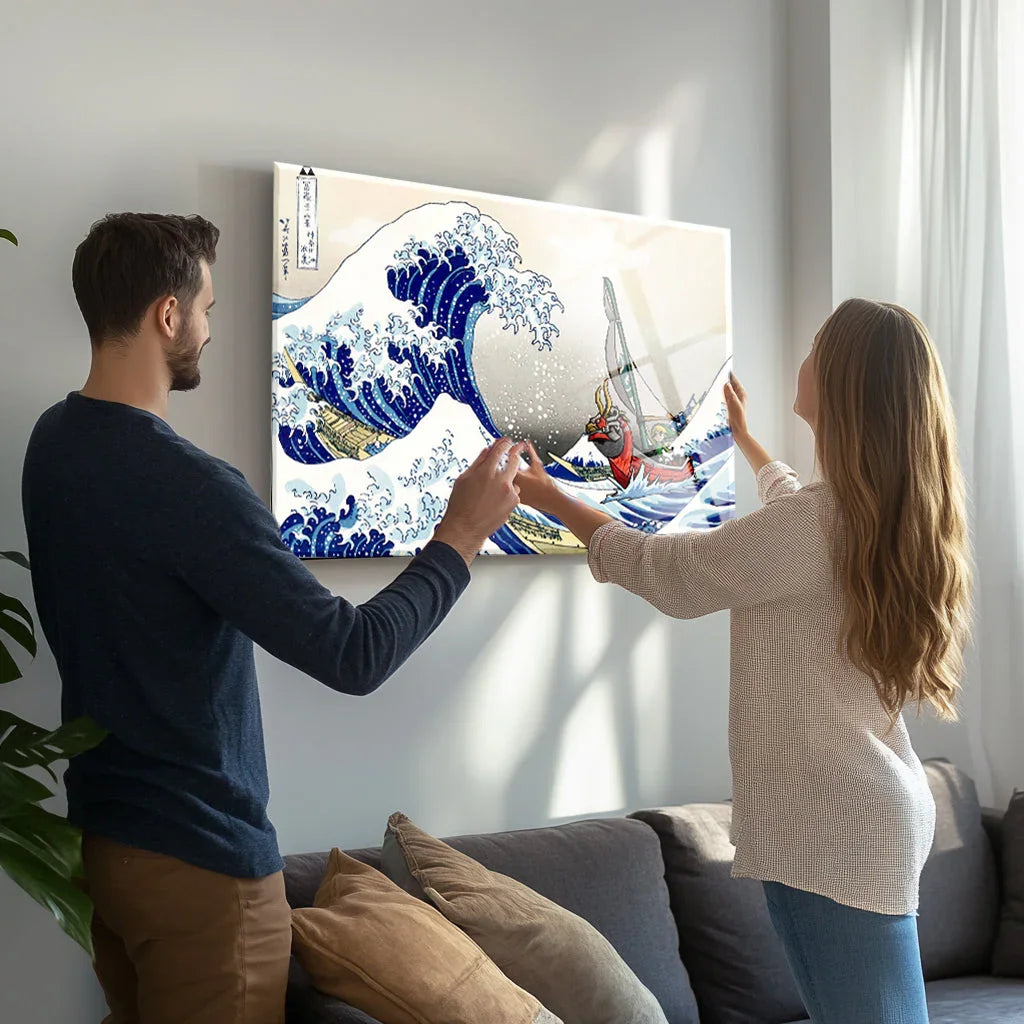


Glass Vs Canvas Portrait Art: A Gift Shopper Analysis
The physical weight and light reflectivity of your chosen art medium dictates interior design success far more than the painted subject matter. Agreeing on a Herman Miller walnut mid-century modern credenza takes minutes, but deciding what hangs above it stalls room designs for weeks. When buying portraits of women for a Benjamin Moore painted shared space, gift shoppers must realize that structural mechanics completely override visual aesthetics.
Physics always wins. Selecting an artwork functions as a spatial anchor rather than just an aesthetic choice. A skillfully composed 300gsm archival cotton paper portrait of a young woman loses its entire visual impact when OOK 20lb brass picture hooks fail or direct daylight obliterates the image. You face a direct tension between two highly specific physical objects. Heavy 15-pound framed 2mm architectural glass demands structural Douglas fir stud reinforcement. A 4-pound gallery-wrapped giclée canvas requires deliberate textile matching. Understanding these material mechanics prevents expensive Sheetrock drywall repairs. The cognitive load of interior design frequently focuses on the emotion of an image, completely ignoring the structural reality of the object itself. Bridging the gap between emotional impact and architectural constraints requires understanding how light, gravity, and scale interact.
Evaluating The Architectural Weight Of Glass Glazing
Framed 24-inch by 36-inch archival pigment prints behind traditional 2mm glass deliver a highly structured editorial aesthetic, introducing a massive 15-pound load to your interior walls. This weight forces immediate logistical decisions. Basic adhesive strips inevitably cause a structural failure that damages your Knoll walnut credenza and shatters the silica glazing. You must use heavy-duty fluted brass picture hooks rated for 20 pounds secured directly into a wooden stud. Alternatively, utilize E-Z Ancor self-drilling zinc drywall anchors. The aesthetic payoff remains substantial. High-contrast minimalist line art printed on heavy acid-free cotton rag paper carries a baseline Light Reflectance Value of 80% to 90%. This precise metric closely matches bright interior tones like Benjamin Moore's White Dove, creating a continuous visual plane. The crispness of black and white portraits of women rendered in stark India ink provides severe, precise geometric anchoring for a room.
The primary limitation of traditional 2mm float glass glazing is its 10% specular reflection rate. Placed opposite an Andersen large bay window, this reflection creates a harsh glare that obscures fine ink lines. The Business Character Glass Wall Art requires careful placement on walls perpendicular to natural light sources.

Strategic room layout provides the only countermeasure. Direct afternoon sunlight hitting 2mm glass causes immediate visual fatigue. Your eye constantly refocuses to see past the bright reflection, leading to a persistent sense of spatial discomfort. Skip glass entirely if your space receives harsh western sun. Otherwise, ensure your Visual Comfort brass floor lamps sit at a 45-degree angle to the UV-resistant framed piece.
Heavy artworks require a visually dense anchor. Traditional ebonized ash wooden framing implies absolute permanence. The 2mm glazing acts as a psychological barrier, signaling that the enclosed object remains precious and protected. Historical gallery curation directly inspires this containment method. When evaluating feminine portrait options for a formal Baker mahogany dining room or a structured home office, glass adds an important layer of gravitas. Its reflective surface catches the flicker of a beeswax candle or the ambient glow of an evening floor lamp, adding dynamic movement to the space. The 15-pound weight of a standard glass-framed print dictates the furniture placed beneath it. Floating a massive framed piece above a delicate Knoll wire table creates immediate visual dissonance. You must pair glass-framed pieces with solid furniture like heavy Restoration Hardware oak credenzas or dense walnut dressers. Visual anchoring ensures the room feels structurally sound.
Embracing the propped-and-leaned aesthetic bypasses wall-mounting risks entirely. Interior design guidelines frequently reject static gallery-style hanging. Propping a 15-pound framed print directly on a 30-inch West Elm console tabletop eliminates drywall damage. This approach creates a relaxed vignette reminiscent of wabi-sabi principles, discarding rigidity for organic layering. Overlapping the heavy glass frame with linen-bound Phaidon design books, unglazed Tuscan terracotta ceramics, and a 26-inch Ralph Lauren brass buffet lamp visually extends the horizontal footprint. Such arrangements solve the under-scaled width dilemma instantly. A 24-inch vertical print covers only 40% of a 60-inch-wide table, falling far short of the classic 75% furniture-to-art width ratio established by architectural proportions. High-gloss pieces like the Woman in Neon Light Glass Wall Art thrive in these layered arrangements, catching ambient lamplight without reflecting harsh overhead glare.

How Gallery Canvas Eliminates Visual Fatigue
A 1.5-inch deep gallery-wrapped giclée canvas offers deep color saturation while weighing just 4 pounds, neutralizing specular glare entirely for absolute visual clarity. Vibrant Golden Artist Colors acrylic portraits printed on Epson matte cotton canvas feature a much lower aggregate pigment LRV of 15% to 35%. They absorb more ambient brightness but scatter 99% of incoming light. Optical scattering prevents glare from washing out the fine details of the painted brushstrokes. If your room features intense overhead spot lighting or unshaded south-facing windows, female portraiture on canvas remains the definitive architectural choice. Exhibition designers consistently note that omitting the glass frame removes a visual barrier, creating an unobstructed window into the scene that integrates into any mid-century modern or Bauhaus style. The physical reality of the medium—specifically the stark contrast between a 15-pound specular glass pane and a 4-pound light-absorbing cotton canvas—dictates interior design success far more than the painted subject matter.
The tactile nature of matte canvas inherently lowers visual tension in a room. Eliminating the sharp reflections associated with glass invites prolonged viewing. Completing a Schumacher velvet reading nook with a female portrait requires exactly this kind of low-glare material. Your eye rests easily on the absorbed Canon Lucia Pro ink pigments. Woven canvases operate on entirely different psychological and architectural principles. Removing the harsh barrier of glass makes the texture of the 400gsm poly-cotton weave an active participant in the space. Biophilic design principles confirm that humans crave organic textures in their built environments. Canvas surfaces feel inherently approachable. When guests view a portrait on canvas, they subconsciously register the woven material, creating a warmer emotional response compared to the sterile barrier of traditional glazing.
The 4-pound weight of a gallery canvas provides immense architectural flexibility. Renters, frequent movers, and those living with historic horsehair plaster walls benefit massively from this lighter medium. You completely avoid drilling deep drywall anchor holes. A simple fluted brass hook easily supports the entire piece. Seasonal rotation becomes highly practical. Heavy 15-pound glass frames stay exactly where they are bolted into the wooden stud. Lightweight canvas moves easily from the Crate & Barrel living room console to the hallway, adapting to changing natural light without requiring DeWalt power tools. Woven canvas handles bold color palettes with superior grace. While glass sharpens high-contrast photography sharply, it compresses the subtle gradients of an oil-painted portrait. The matte finish of a giclée canvas allows viewers to see desaturated blue-green tones, specifically Munsell hue 10BG, without the interference of a reflected window overlay.
Industry standards rely on exact formulas because they align perfectly with the average human eye level of 145cm from the floor, anchoring the room symmetrically. Mathematical placement becomes effortless with lightweight canvas materials. Calculate the standard 57-inch hanging rule precisely. Measure exactly 57 inches from the white oak floorboards, add half the 18-inch vertical height to reach 75 inches, and subtract the 3-inch drop of the tightened OOK braided hanging wire. Drive your zinc anchor at exactly 72 inches. The bottom canvas edge sits precisely at 39 inches. Exact clearance follows immediately. You leave a precise 9-inch gap above a standard 30-inch CB2 entryway console.
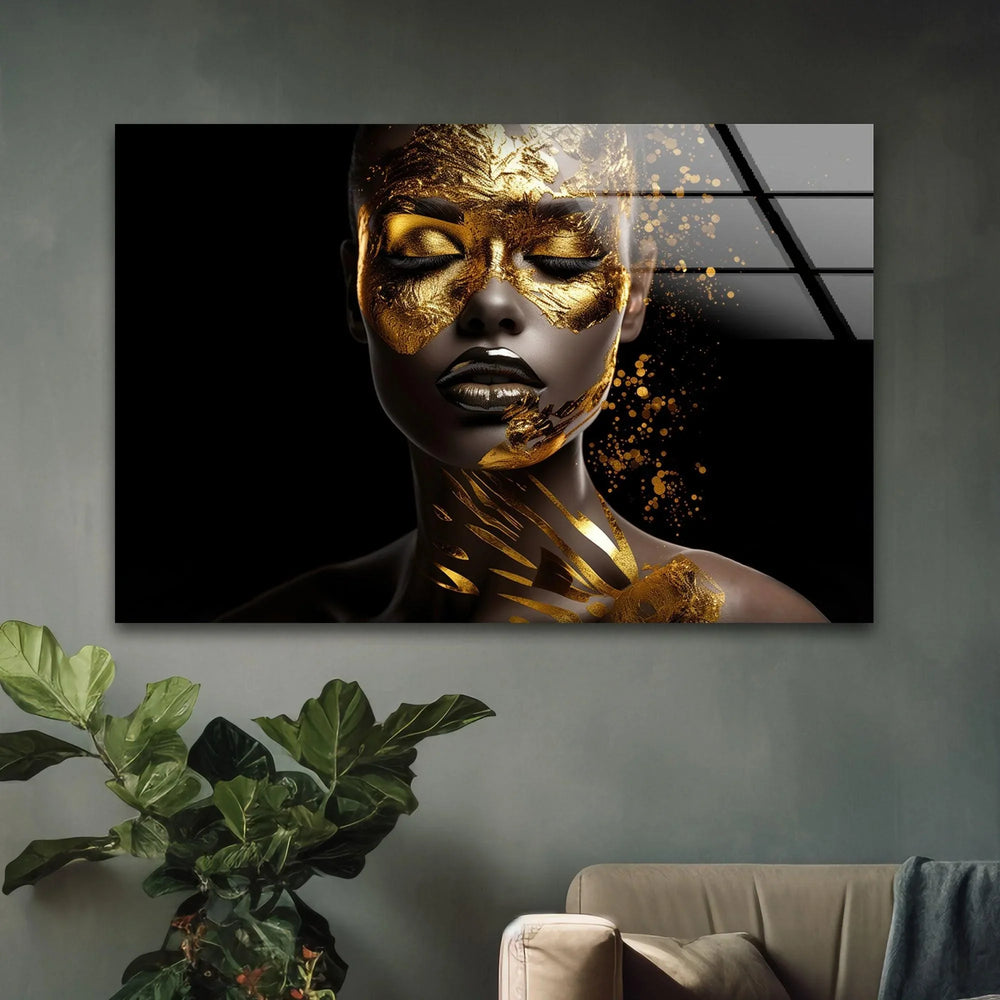
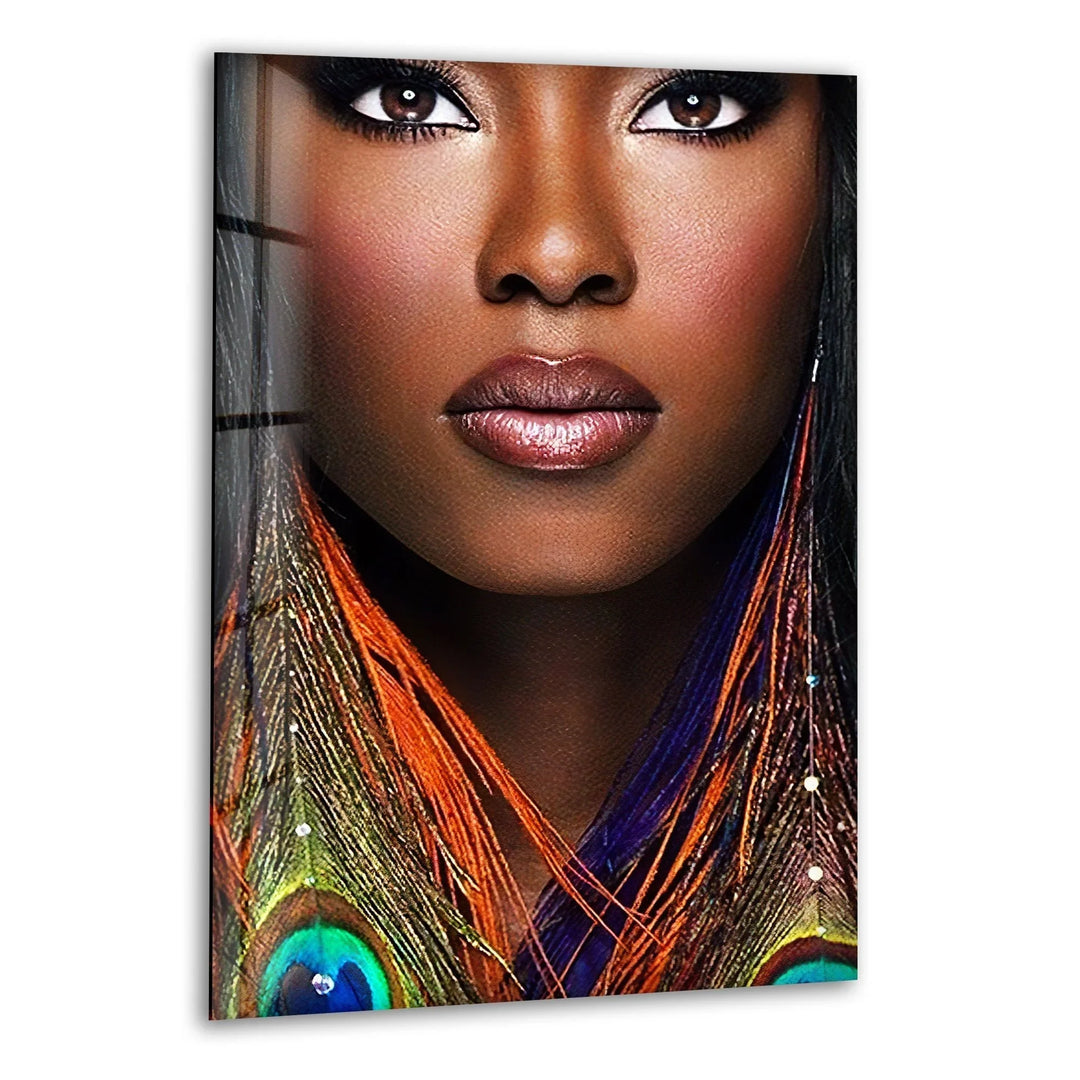
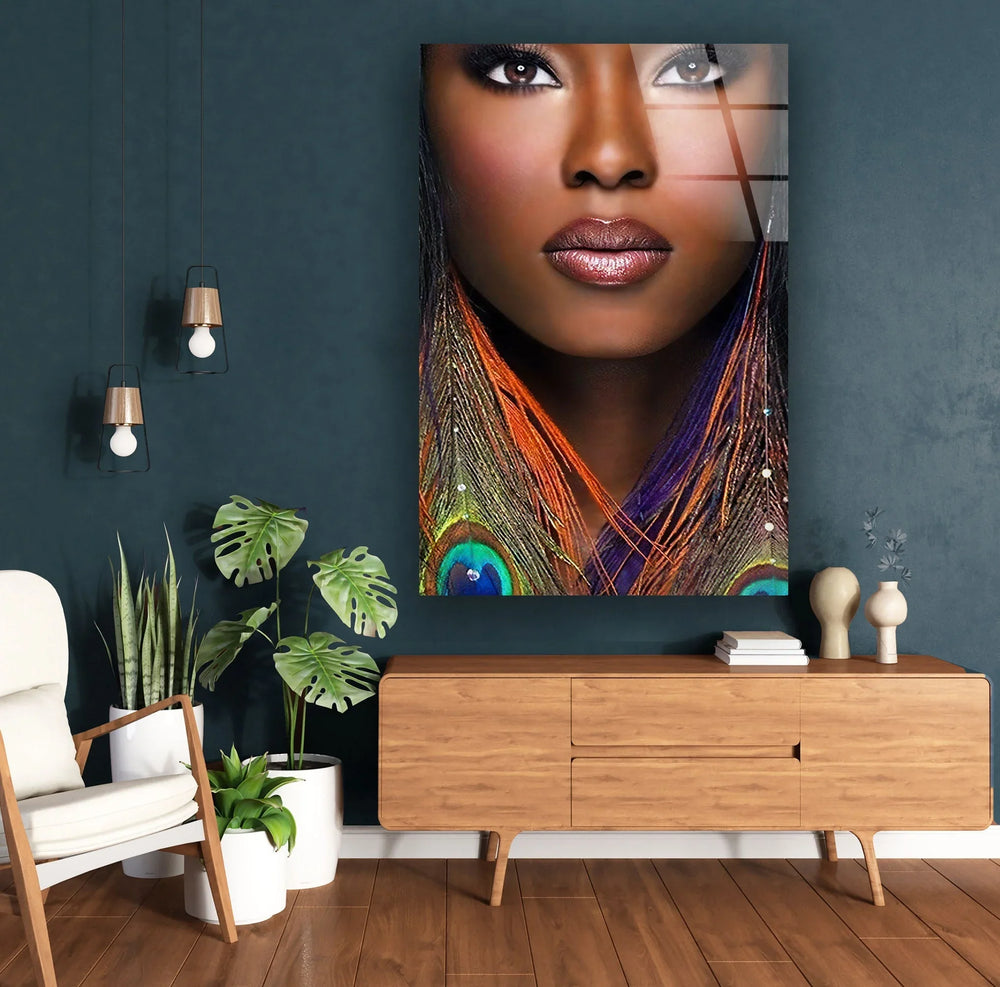
Applying the 57-inch rule blindly to taller furniture ruins the spatial balance. Entryway tables and Amish cherry bedroom dressers frequently reach 36 inches in height. Centering a vertical print at 57 inches over a 36-inch credenza leaves a mere 3-inch gap, creating an awkward visual choke point. Abandon the standard rule in these specific scenarios. Mount the artwork so the bottom edge rests 6 to 8 inches above the tabletop surface. This gap allows adequate space for Arteriors brass mail trays or Jonathan Adler low decorative bowls without blocking the artwork. Scaling up canvas dimensions directly solves spatial anxiety. Spatial design principles confirm that selecting oversized pieces in smaller spaces makes tight rooms feel distinctly larger. While pieces like the Black Woman Glass Wall Art command a room through high-gloss reflection, selecting a matte canvas equivalent in a massive 80cm x 120cm format absorbs stray light and provides quiet grounding.

| Comparison Factor | 2mm Framed Glass | Matte Giclée Canvas |
|---|---|---|
| Structural Drywall Load | 10 to 15 pounds | 3 to 5 pounds |
| Specular Reflection Rate | 10% (Requires off-axis lighting) | Near 0% (Scatters 99% of light) |
| Baseline Pigment LRV | 80% to 90% (High contrast) | 15% to 35% (Deep saturation) |
| Standard Mounting Gap | 0 inches (Propped and leaned) | 6 to 8 inches above console |
Strategic Selection Of Structural Mediums
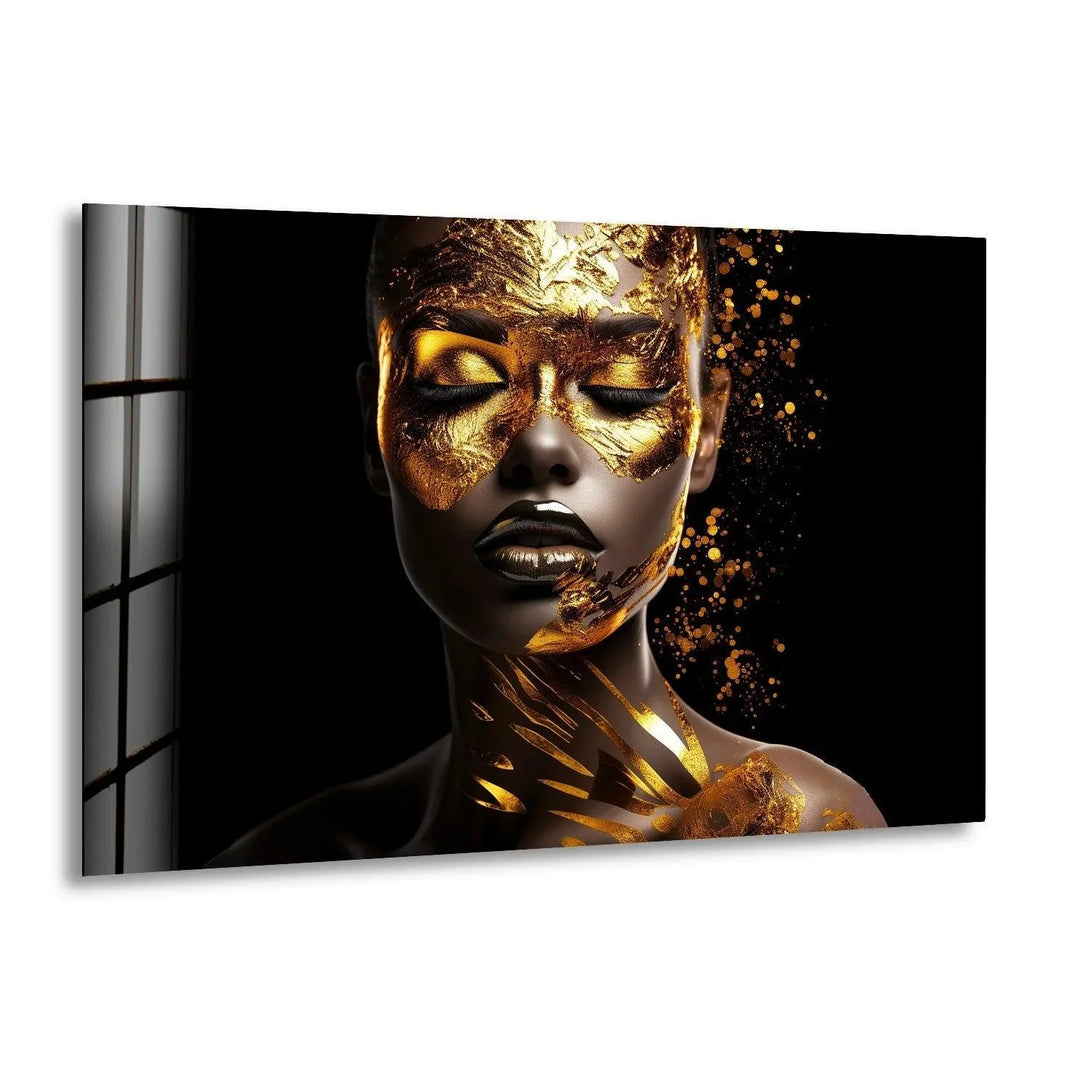
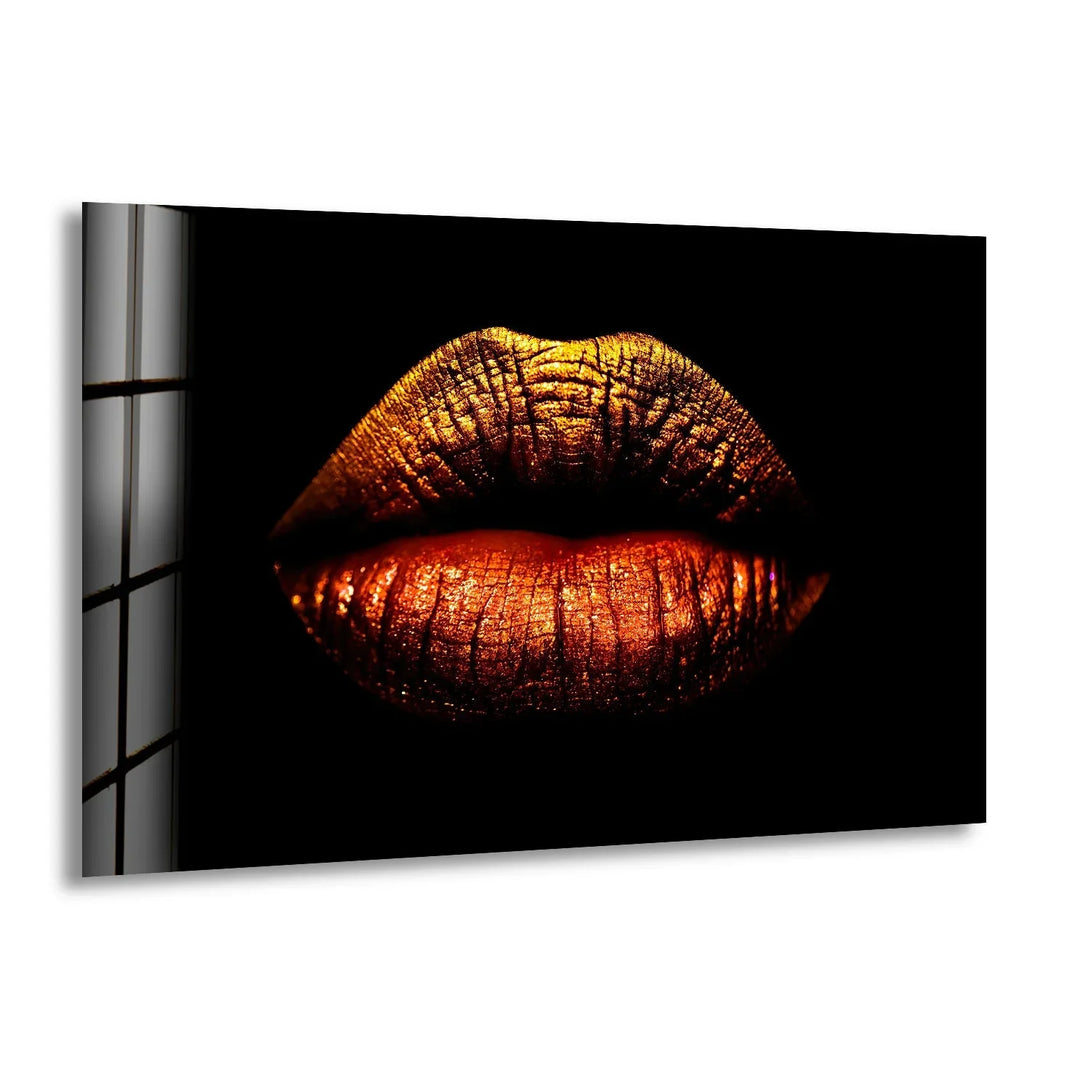
Directional lighting and the load-bearing capacity of your target wall entirely dictate the ideal medium for your interior. Structural reality determines long-term success far more than the specific image printed on the surface. Securing an editorial, high-impact vignette requires heavy glass. Anchor the frame securely into a 16-inch on-center wooden stud or lean it directly on a sturdy Room & Board oak credenza. The Red Lips Woman with Mask Glass Wall Art utilizes 2mm glazing to create sharp color contrasts that define a space, requiring deliberate placement away from Pella windows to manage its high reflection rate.

Matte canvas acts as the mathematically necessary solution if a space suffers from heavy cross-lighting or features tall 36-inch furniture. Lightweight kiln-dried pine wooden frames remove the risk of drywall damage and eliminate the physiological visual fatigue caused by constant glare. Searching for feminine artworks for bedroom environments requires prioritizing these flat matte finishes. Bedrooms demand absolute visual softness. High-gloss reflections bouncing light from an Artemide Tolomeo brass bedside reading lamp actively disrupt the circadian wind-down process, whereas a low-LRV canvas absorbs that excess brightness. Purchasing art for another person fails when buyers ignore these physical metrics entirely. People focus solely on whether the painted subject matches the recipient's personality. Subjectivity creates a flawed approach. Even the most precisely chosen image becomes a daily annoyance if it casts a blinding glare across the living room sectional every afternoon at 4:00 PM. Because structural weight and light reflectivity dictate interior design success far more than the painted subject matter, prioritizing the physical medium changes your gift from a simple decoration into a permanent architectural asset. Ensure your selection integrates with the physics of the room, assess your window placement, and thoughtfully curate your next piece of art featuring women.