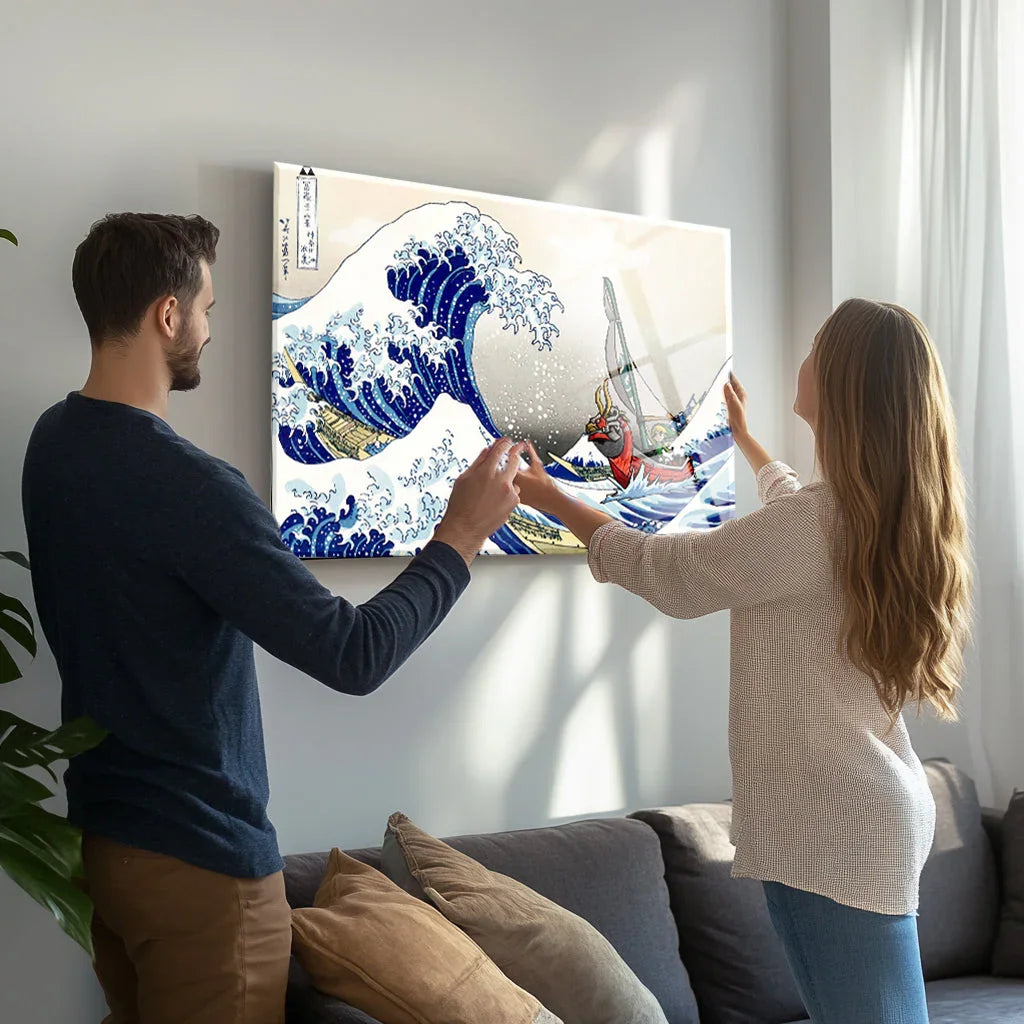


Choosing calm Animal Wall Art for Your Home
Creating an interior that promotes genuine calm requires deliberate choices, especially when selecting art. The right piece does more than fill a wall; it shapes the mood of a room, influencing how you feel within it. While the allure of Animal Wall Art is clear, offering a direct connection to the natural world, understanding its varied expressions is key to achieving a truly restful environment. What kind of animal art genuinely fosters tranquility?
Serene and Thoughtful Animal Imagery
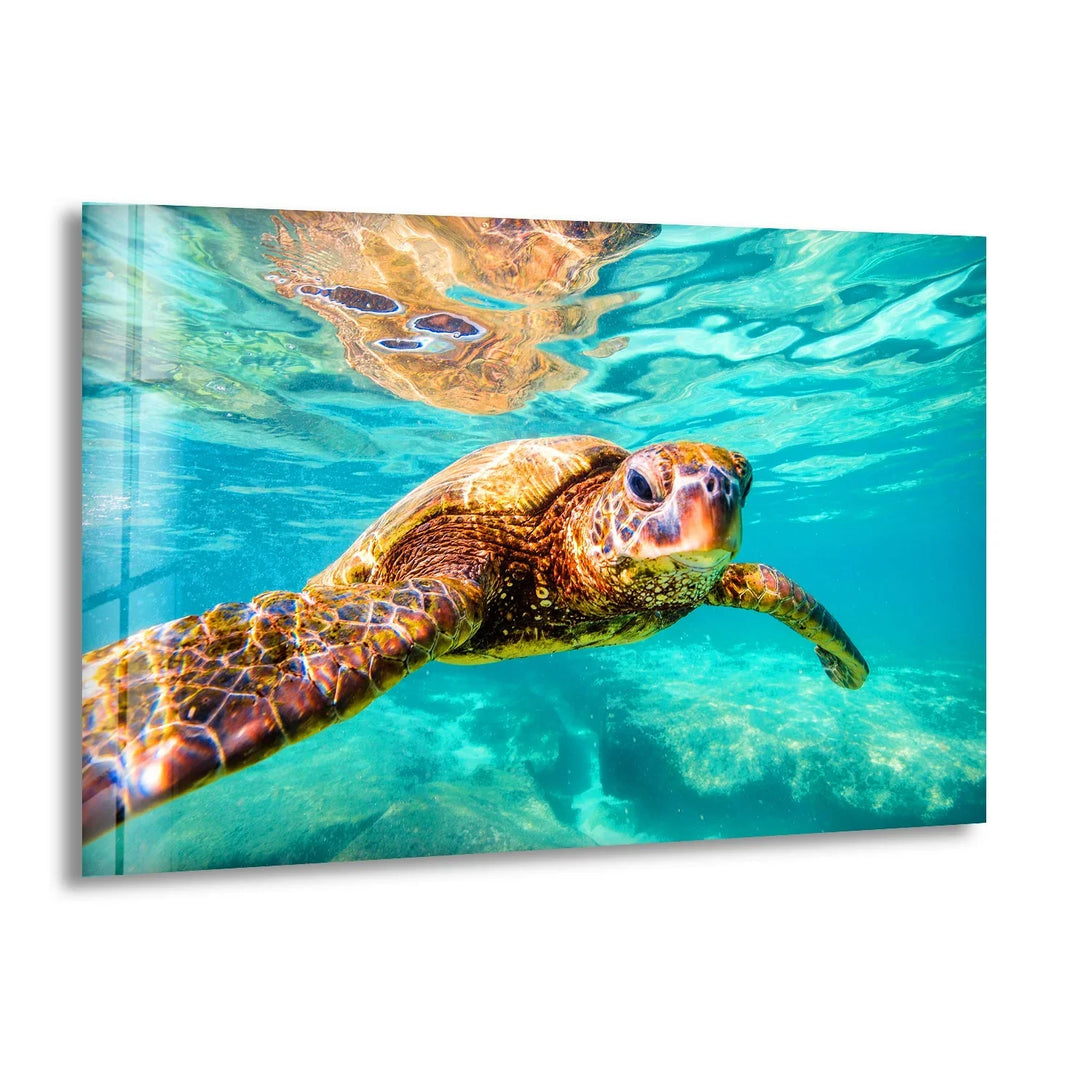
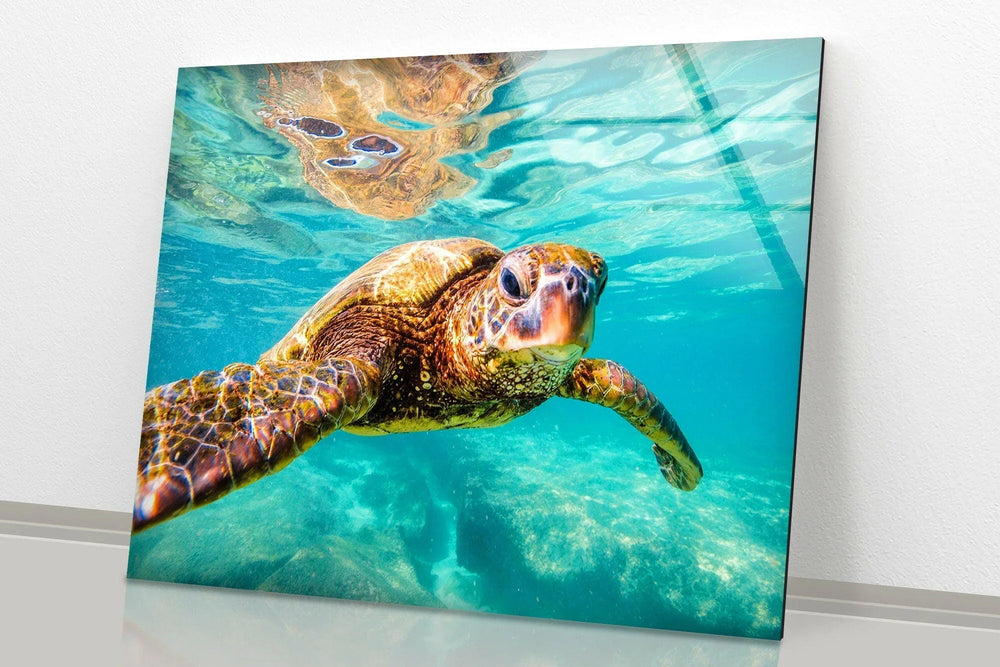
For spaces where calm is important, such as a bedroom or a quiet living room, art depicting animals in repose or within tranquil settings proves most effective. This approach emphasizes gentle subjects, often in natural, muted color palettes. Think of a deer pausing in a sun-dappled forest, a whale gliding through deep water, or a single bird perched quietly. These images, devoid of overt drama, invite contemplation rather than excitement. This is a common effect. Environmental psychologists observe that when we encounter elements in our built surroundings that echo the safe, natural habitats humans have sought for millennia, a profound sense of relaxation takes hold. Animal art, as a direct representation of nature, taps into this fundamental human need for connection to the natural world.
Choosing animal wall art for bedroom areas means prioritizing soft, muted tones: pastels, blues, greens, and neutrals work best. The goal is to allow the eye to rest, not to stimulate. Abstract animal art can also achieve this effect, provided it uses gentle movements, layered textures, and organic shapes without sharp contrasts or hard lines. Consider the playful yet peaceful presence of the Reading Cow Glass Wall Art. Its whimsical depiction and soft color scheme make it an ideal choice for fostering a lighthearted calm, perhaps even as animal wall art for kids room or a tranquil corner in a home office. It's a delightful example. This piece speaks to affection and comfort, emotions artist Meg Harper identifies as central to the appeal of animal imagery in creating solace and warmth.

Placement of such pieces is equally important. To ensure the art contributes to serenity and not visual clutter, it should be hung at eye level. Typically, its center should be between 57-60 inches from the floor. Such placement connects the artwork to the room's human scale. If placed above furniture, allow 6-12 inches of space between the top of the furniture and the bottom of the art. This maintains visual connection without crowding. Good spacing matters. Lars Gesing, an authority on interior composition, emphasizes that incorporating negative space creates an expansive and calming feel, an important principle for serene animal wall art. For instance, the subdued Black Horse on Desert Glass Wall Art, with its solitary subject against a vast, open backdrop, embodies this principle, making it a compelling focal point in a minimalist living room or a reflective space. Its high-contrast monochrome works precisely because cool tones are clinically associated with lower resting heart rates, making it a deliberate choice for calm, a quality often sought in animal wall art black and white selections.

Choosing serene subjects directly relates to documented psychological benefits. Merely viewing images of peaceful wildlife can reduce stress hormones like cortisol by up to 21%, lowering heart rate and blood pressure. This is powerful. I believe this power is often underestimated. Such a physiological response underscores the deep calming potential inherent in choosing quiet animal subjects. Such art helps create an environment where the mind can unwind, proving especially valuable in an animal wall art for living room where relaxation is a priority after a demanding day. The absence of visual complexity in these pieces helps prevent the sensory attack that can arise from overly busy imagery, allowing the eyes and mind to truly rest. This is a deliberate aesthetic choice, distinct from art designed to energize or provoke thought.
Dynamic and Engaging Animal Motifs
Dynamic animal art, at the other end of the spectrum, often features animals in motion, dramatic poses, or with vivid expressions. While these pieces can be captivating and bring a sense of energy to a space, they serve a different purpose than pure calm. They might depict a leopard mid-stride, a school of fish in active movement, or a creature with an intense gaze. Such art is compelling, drawing the viewer in and sparking a sense of wonder or power. It energizes. It can be particularly effective in areas where a sense of life and vitality is desired, such as an entryway, a study, or a more vibrant entertainment space. However, for a bedroom or a truly restful area, the intensity can be counterproductive to the goal of quietude, even if the subject matter originates from nature.
Dynamic animal art often employs bolder colors, sharper contrasts, and more intricate details. While these characteristics create visual interest and a sense of depth, sometimes resembling animal wall art 3d in its visual impact due to the layering and movement, they can also create visual “noise.” Overly busy imagery or walls crammed with too many prints can lead to sensory overload, diminishing any calming effect. Expert advice points towards embracing negative space, allowing each piece room to breathe. Give art space. When art is too small for a large wall, it appears lost; conversely, a single large, dynamic piece can dominate a small room, disrupting balance rather than providing a focal point. Spacing frames 2-3 inches apart for smaller pieces and up to 6 inches for larger ones can prevent walls from feeling overcrowded, even with more active imagery.
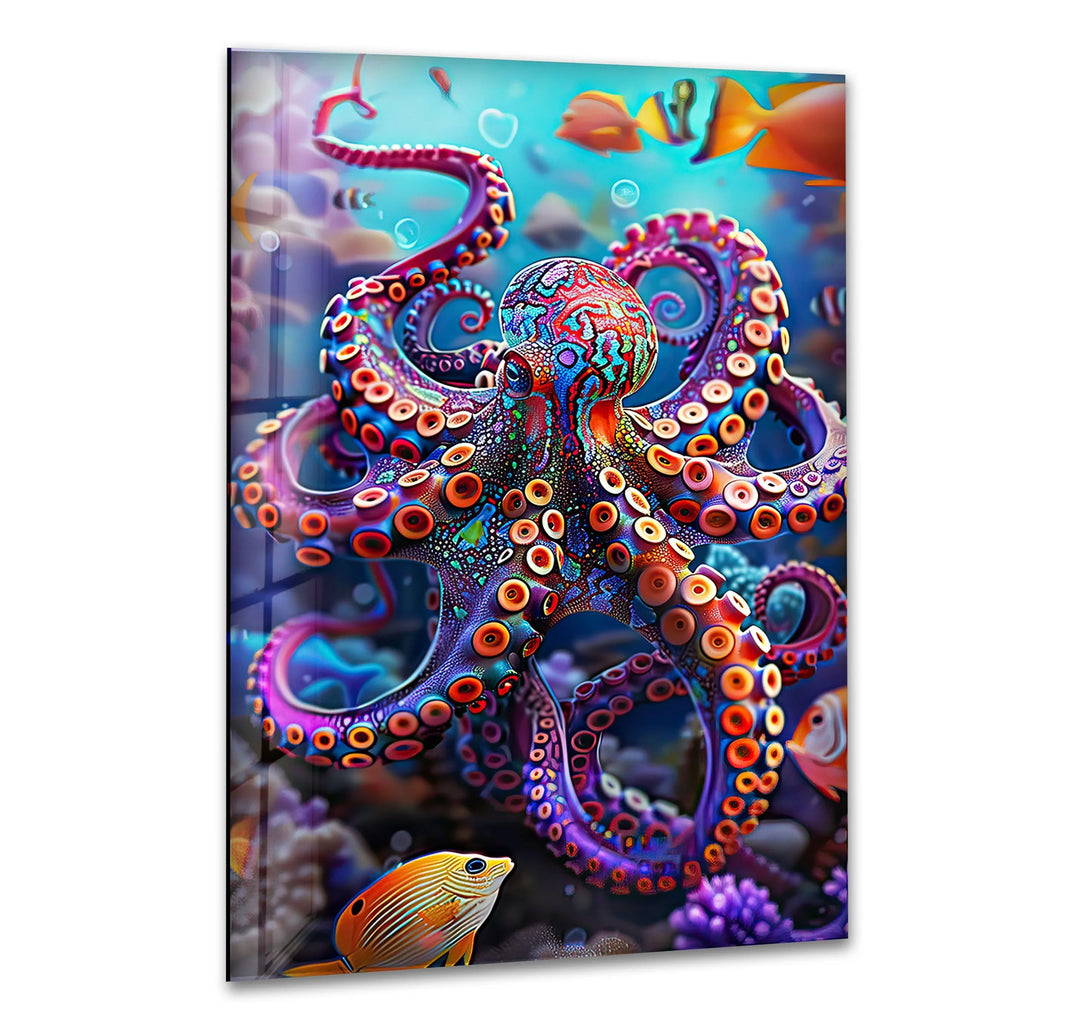
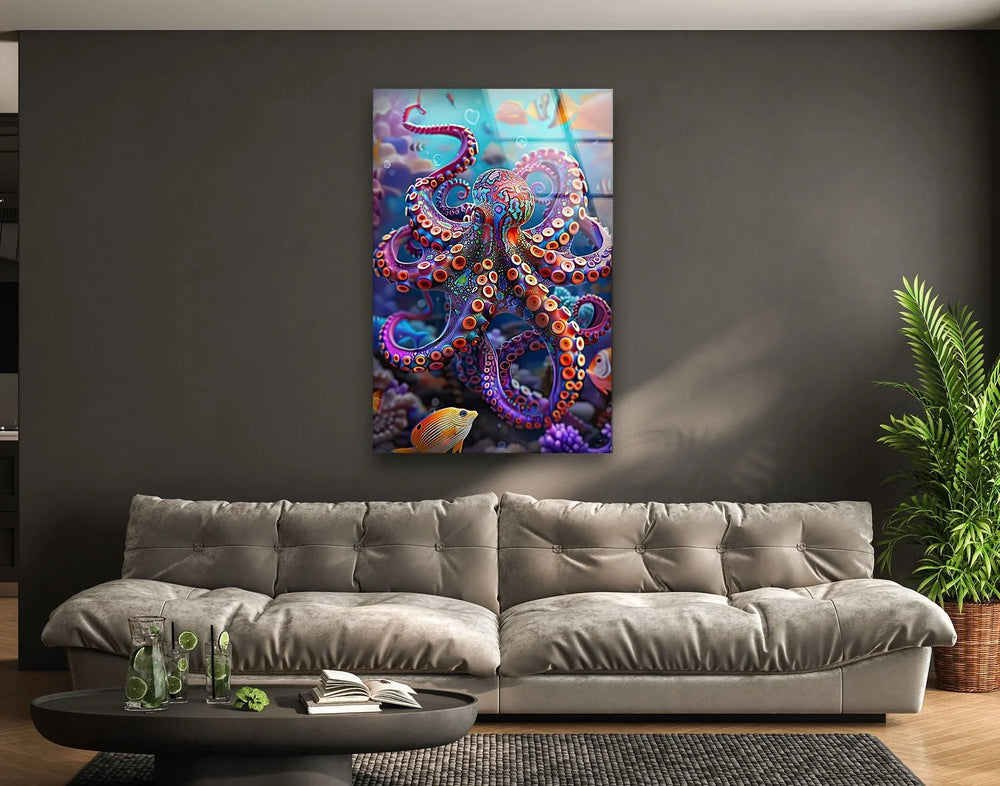
Consider the Underwater Blue Octopus Glass Wall Art. Its depiction of an octopus, an intelligent and agile creature, immediately brings a sense of dynamic movement and curiosity to a room. It's captivating. While visually engaging, particularly as animal wall art for bathroom settings due to its aquatic theme, its intricate details and implied motion might be too stimulating for a space dedicated solely to rest. Similarly, the Cool Leopard Portrait Glass Wall Art commands attention with its direct gaze and powerful presence. This piece brings undeniable charisma and a touch of the wild, making it an impactful choice for an animal wall art for living room that aims to impress, but less suited for fostering a deep, unwavering calm. Its power lies in its directness, which, while engaging, does not invite quiet introspection in the same way a more tranquil image might.


However, the emotional impact of such pieces, while positive, leans towards engagement rather than introspection. While mood improvement and anxiety reduction are linked to natural design elements, the specific *type* of natural imagery matters greatly. This distinction is important. A piece that demands constant visual processing or evokes a sense of alertness, even if it has a specific description, will not yield the same cortisol-reducing effects as one that promotes peaceful contemplation. Such pieces work best when balanced by other minimalist elements in the room, or when they are the singular, intentional focal point without competing visual narratives. Selecting art that is proportional to the wall and surrounding furniture (a good rule of thumb is for the art to be about two-thirds the width of furniture it hangs above) is always important, but particularly so with dynamic pieces, to prevent them from overwhelming the space and disrupting the room's overall harmony. Such art invigorates a room, rather than quiets it.
| Factor | Serene & Thoughtful | Dynamic & Engaging |
|---|---|---|
| Emotional Impact | Promotes deep calm, relaxation, introspection. Reduces stress and anxiety. | Sparks interest, energy, wonder, engagement. Can be stimulating. |
| Ideal Room Placement | Bedrooms, quiet reading nooks, minimalist living spaces, nurseries. | Entryways, studies, vibrant living rooms, entertainment areas, active zones. |
| Visual Characteristics | Muted colors, soft lines, relaxed poses, natural settings, ample negative space. | Bolder colors, sharp contrasts, active poses, intricate details, strong focal point, implied motion. |
| Subject Matter | Animals in repose (e.g., sleeping, grazing), solitary figures, gentle interactions, tranquil landscapes. | Animals in motion (e.g., hunting, swimming, flying), direct gazes, powerful group dynamics, dramatic scenes. |
| Aesthetic Cohesion | Blends harmoniously, supports overall quiet atmosphere and visual flow. | Often stands out, serves as a central statement piece, can drive a room's aesthetic. |
Deciding on Your Display
The choice between serene and dynamic animal art depends on the specific mood you intend to cultivate in a given space. If your primary objective is to foster deep calm and a sense of restorative peace, lean towards imagery that whispers rather than shouts. Consider your goal. Opt for compositions with gentle animal subjects, soft color palettes, and generous use of negative space. This approach aligns with the understanding that natural design elements significantly improve mood and reduce anxiety by up to 34%, creating an interior where the mind finds respite. Whether you seek an animal wall art for bedroom to ensure restful sleep or a tranquil animal wall art for living room that acts as a haven, deliberate selection of serene imagery is important.
Conversely, if a room calls for energy, conversation, or a touch of bold personality, a dynamic piece can provide that visual anchor. They are designed to be seen, to initiate thought and discussion. Their impact is clear. While they might not lower your cortisol levels as profoundly as their calmer counterparts, they contribute a distinct character and narrative to a space. Remember the principles of scale and placement: you want a large, impressive piece to command its wall without overwhelming it, leaving adequate breathing room around it. The consistent feeling of rooms with well-placed art is one of balance and intention, not accidental display, regardless of the art's country of origin or specific style. For instance, in an animal wall art nursery, gentler forms typically serve better than highly energetic depictions, guiding the space towards nurturing rather than rousing activity.
For spaces meant for true unwinding, such as a master bedroom or a contemplative reading nook, choose the subtle power of serene animal art. It is the conscious decision to prioritize restful aesthetics that truly changes a house into a home, rather than simply filling a void. With these insights, you can confidently select the right art to shape your space; browse our full Animal Wall Art collection for pieces that connect with your vision.