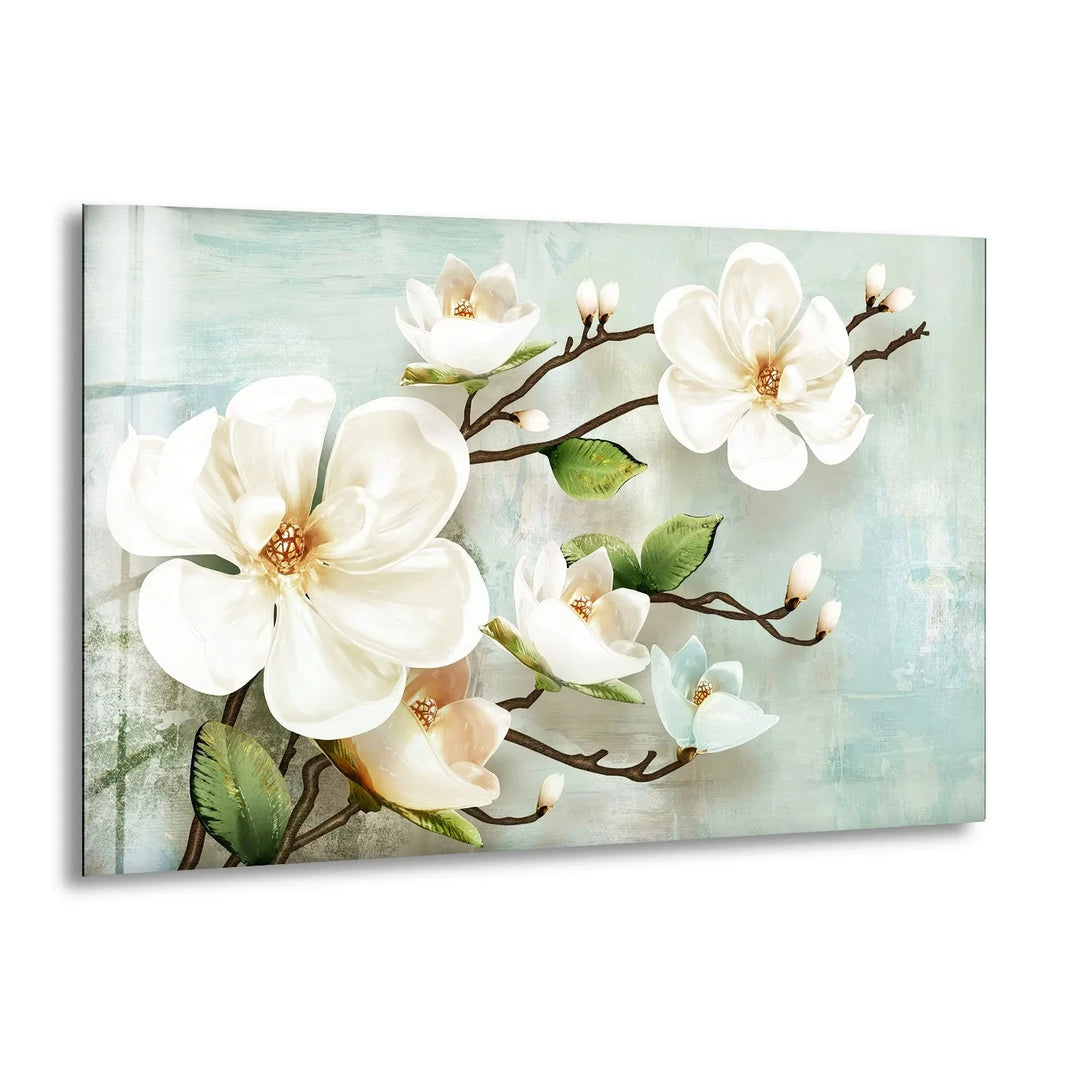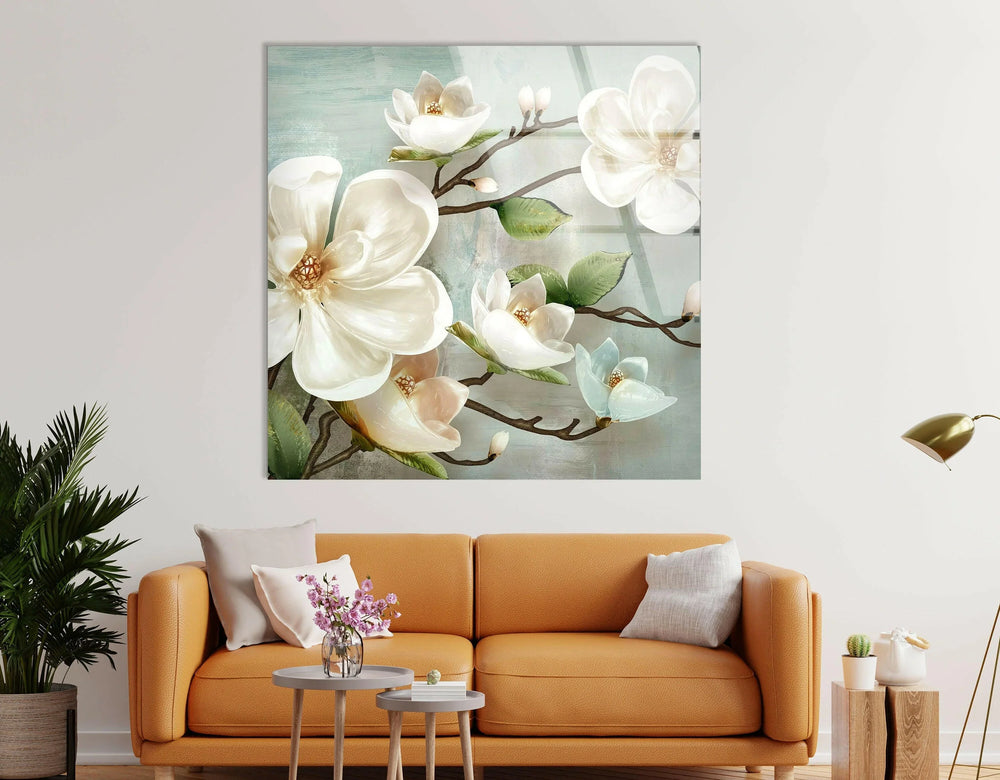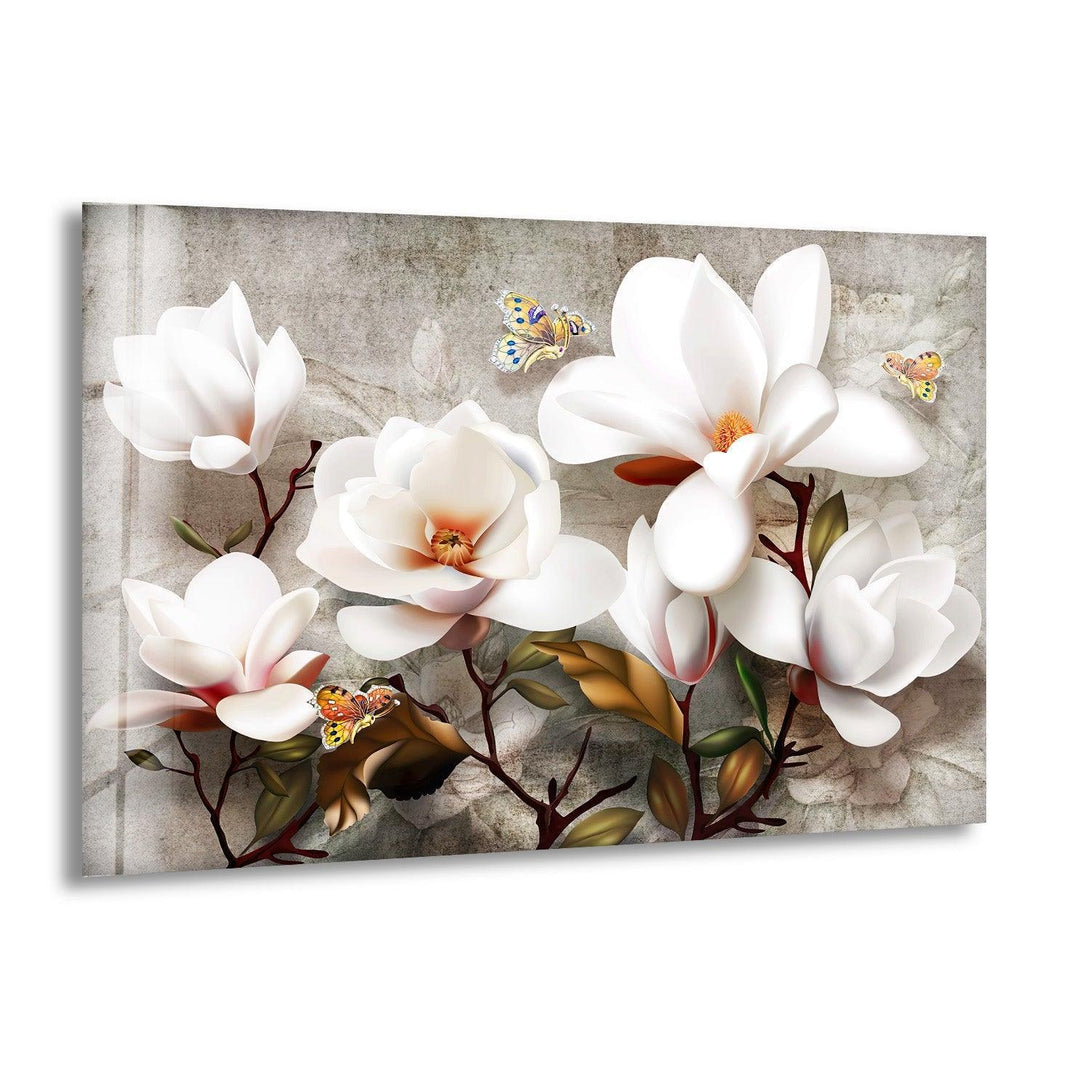


The Evening Effect: Architectural Framing For Magnolia Art
The physical architecture of a deep-profile frame determines how botanical art anchors human psychology and lowers stress in sub-20 lux environments. A 2-inch custom frame performs its heaviest psychological lifting long after the afternoon light fades. Standard framing incorrectly assumes framing exclusively highlights a 300gsm archival cotton botanical lithograph in bright daylight, yet the physical architecture of a frame actually dictates how art anchors a room in the dark. A deep-profile walnut timber molding actively lowers autonomic stress responses in low-light environments by providing a high-contrast boundary. Gallery visitors stand in hushed exhibits like the Tate Modern just before closing, ignoring the gallery sales desks, photographing the heavy shadows catching the edge of a raw timber molding. This physiological response is a measurable reality. Environmental psychology research from the Journal of Interior Design consistently demonstrates that hitting a 45 percent wood surface coverage threshold in a room lowers sympathetic nervous system activation. This actively reduces diastolic blood pressure by 4 to 6 mmHg. A heavy, deep-set FSC-certified white oak frame surrounding magnolia-focused wall pieces provides a structural, tactile anchor that human eyes desperately seek when the ambient room light drops to 20 lux.
Sizing The Void
To prevent cognitive fatigue as room lighting dims, the surrounding 4-ply Bainbridge cotton rag matting must be exactly 1.618 times wider than the visible wood face of the frame. Established framing principles dictate that the Golden Ratio proportion establishes the structural hierarchy between the wood molding, cotton matting, and the inner Pierre-Joseph Redouté magnolia illustration. Pairing a 1.5-inch flat-sawn white oak face with a mathematically identical 1.5-inch cotton rag mat creates a distracting concentric target effect. In the low light of an evening study illuminated by a 40-watt Edison bulb, the human eye cannot establish a hierarchy of focus between these equal bands. Visual confusion induces immediate autonomic stress. The micro-adjustments of the ocular muscles neutralize the parasympathetic restoration provided by the Magnolia grandiflora subject. Calculating a distinct, soothing transition requires pairing that same 1.5-inch frame with a 2.4-inch mat border.
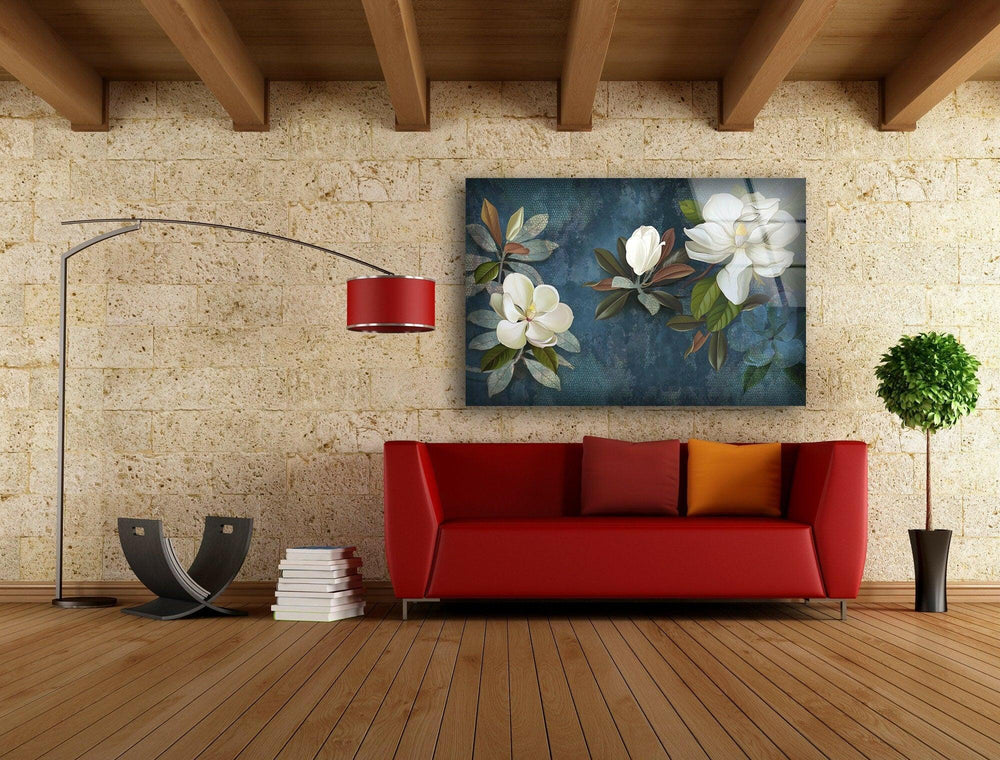
The vertical composition of the Serenity Magnolia canvas piece requires deliberate bottom-weighting of the mat profile to combat the optical illusion of gravity. Because a viewer automatically registers the optical center of a piece 10 percent higher than its geometric reality, an equal border layout leaves the canvas looking as if it is sliding downward under the warm glow of a 2700K tungsten reading lamp. Keep the top and side borders equal at 2.5 inches, and multiply that measurement by 1.618 to secure a 4.0-inch bottom border. For an 8x10 inch Giclée floral print, the ideal total frame opening equals exactly 130 square inches. The crisp titanium white oil textures of the blossoms visually anchor themselves within this expanded lower void. This mathematical grounding establishes a profound sense of visual security.

Why Shadowboxes Outperform Traditional Matting
Deep-recessed, matless 3-inch shadowbox frames provide far more biophilically restorative benefits than standard alpha-cellulose paper matting by forcing unmediated contact with raw Appalachian white oak. Conventional design dictums insist that archival Giclée prints require wide, neutral, acid-free archival paper mats to create necessary breathing room. Traditional matting acts as an academic boundary that frames nature as a curated specimen meant to be observed from a sterile distance. You achieve superior physiological outcomes by completely eliminating the mat board and floating the canvas deep within a 3-inch-deep, unlacquered white oak shadowbox. This precise structural configuration directly mimics the spatial conditions of Refuge and Prospect outlined in the biophilic design principles of Stephen Kellert. The organic, open-grain architecture of the timber frames the artwork like a deep architectural window. When daylight fades, the physical depth of a 3-inch shadowbox dictates how the piece anchors human psychology, catching 20-lux ambient shadows to actively lower heart rates and offer intense sensory richness.
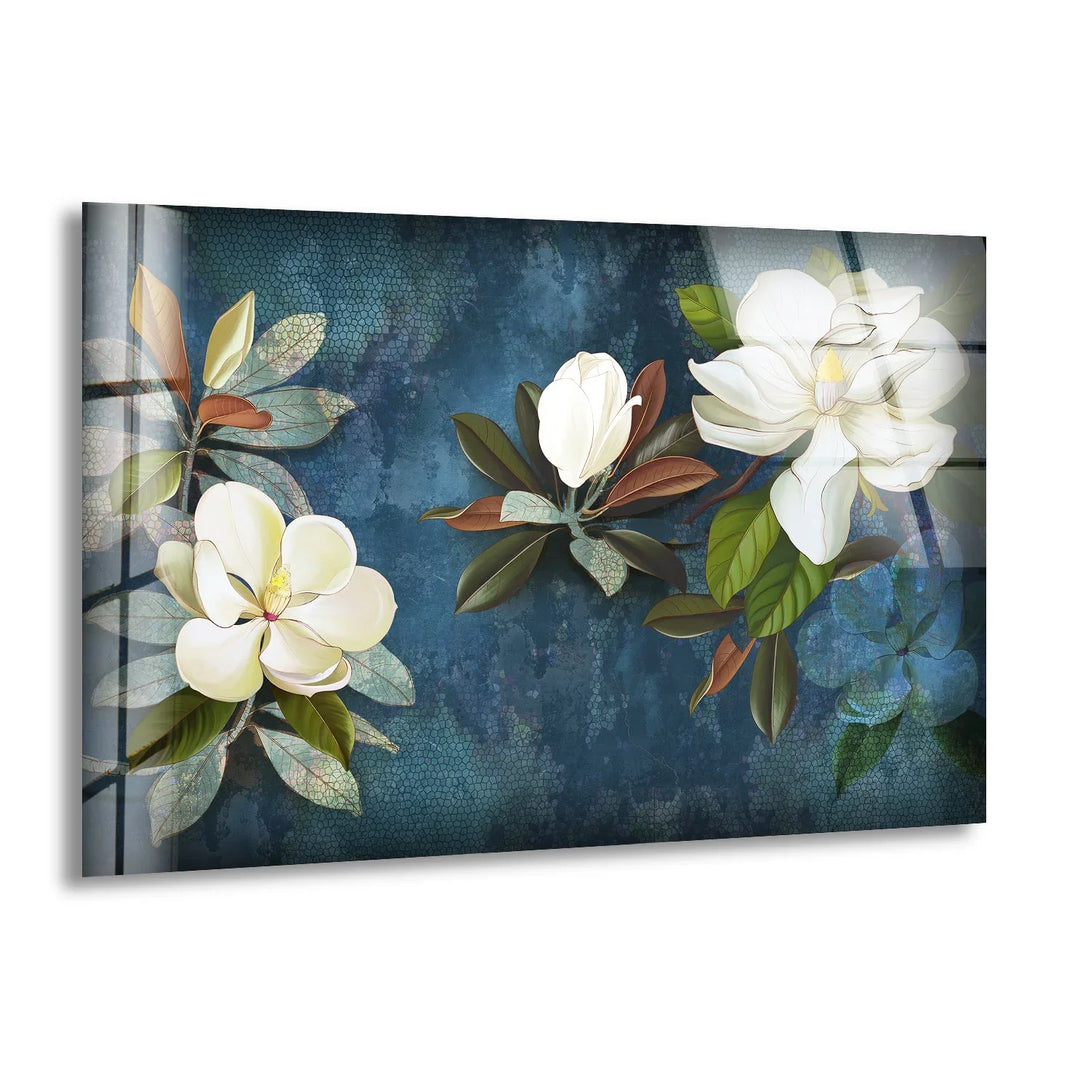
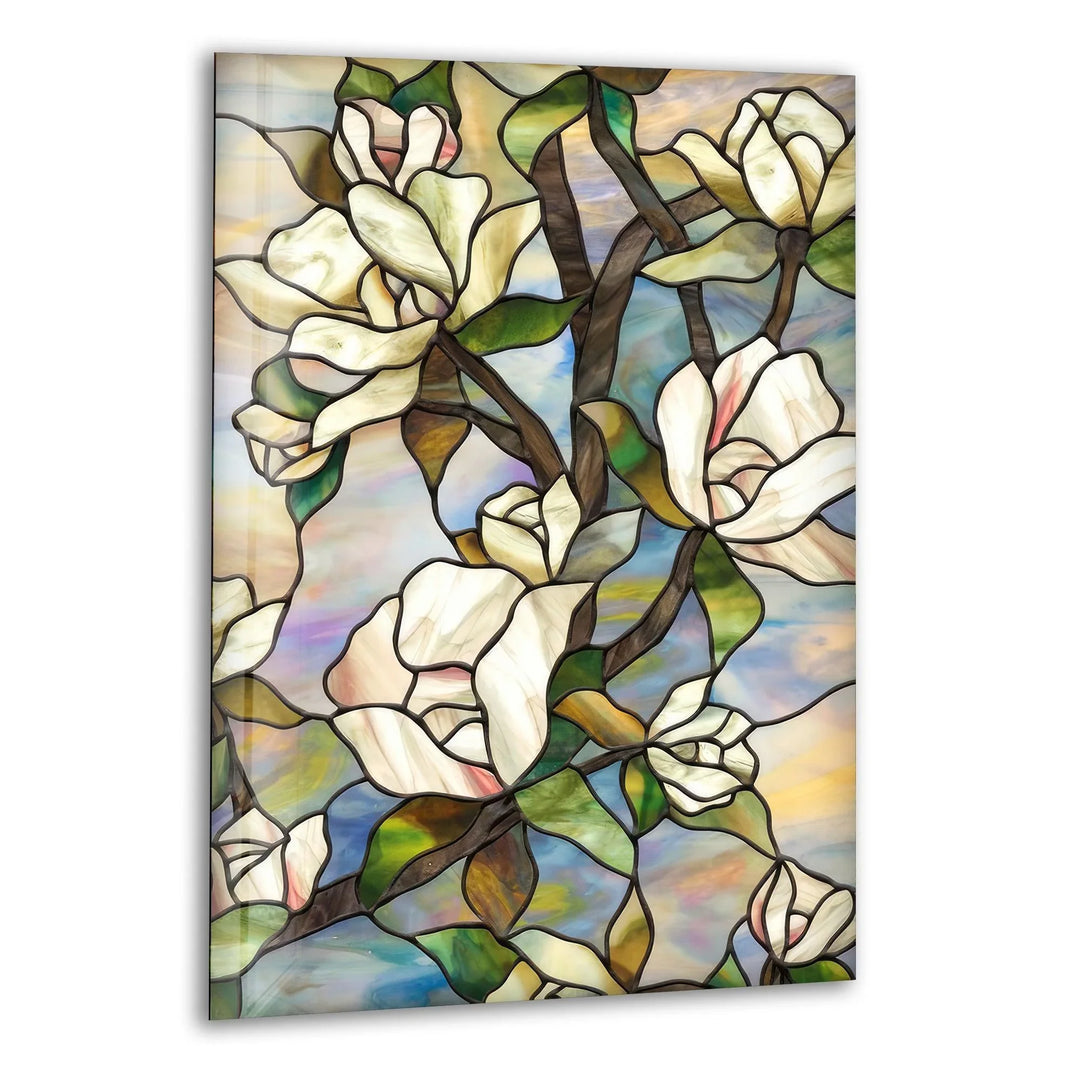
The architectural depth of the shadowbox prevents glare from ruining the nocturnal viewing experience of the 3D White Magnolia glass piece. Typical high-gloss picture glass reflects incandescent room light directly back at the viewer. Harsh glare acts as a physical barrier, severing the visual connection with the Magnolia stellata subject by constantly reminding the brain of the synthetic acrylic shield. Recessing the three-dimensional floral elements deeply behind museum-grade Tru Vue Optium Museum Acrylic preserves the matte, organic quality of the print. Tactile realism remains unbroken. Heavy shadows cast by the 3D resin relief shift dynamically as you move past the piece in the dim 2700K hallway lighting, maintaining an active, shifting relationship with the environment. Testing the frame angle with a 300-lumen flashlight before final mounting prevents glare entirely.

Architectural Color Under Tungsten Light
Non-specific skin conductance responses, which track subconscious stressful thoughts, fall by over 50 percent in spaces incorporating natural Brazilian walnut and warm metallic tones. The interaction between nocturnal lighting and the metallic gold floral textures dictates the ambient warmth of the surrounding room. Research into environmental psychology at the University of Texas documents that the autonomic stress responses of subjects in rooms featuring warm, natural materials drop significantly. The 24-karat gold leaf accents in the Golden Magnolia Blossoms oil painting serve a distinct psychological purpose beyond aesthetic appeal. Heavy impasto oil texture catches the low, lateral light from a 60-watt Torchiere floor lamp, reflecting a diffused amber warmth back into the space. A matte aluminum dibond frame in a darkened brass finish enhances this thermal illusion, grounding the reflective canvas within a strict, light-absorbing boundary.

The heavy grain of the Appalachian oak catches the weak hallway light, casting long, fractured shadows that make the quiet room feel instantly warmer, denser, and far more grounded.
The physical architecture of a deep-profile frame determines how botanical art anchors human psychology and lowers stress long after the afternoon sun has set. You experience this autonomic stabilization viscerally when standing in an artificially lit residential space. By selecting precise mathematical proportions, such as the Fibonacci sequence, and eliminating glossy synthetic barriers, you turn a flat drywall partition into an active architectural element. Careful curation of deep-recessed shadowboxes and matte Tru Vue acrylic finishes ensures your space maintains its autonomic soothing properties through the darkest hours. To see how these precise material choices redefine a low-light environment, consider reviewing the framing configurations available in the magnolia wall decor collection.