

Curating Quiet: Bedroom Art & Kitchen Wall Art
A bedroom is more than just a place to sleep; it is a personal retreat, a space designed for quiet and reflection. The visual elements we introduce profoundly shape this experience. Your selections define the mood. Exploring a range of options, such as the varied designs found in our Kitchen Wall Art, reveals how distinct aesthetics can influence a room’s character, regardless of their conventional setting.
The Impact of Thoughtful Art on Atmosphere
Observing art can significantly influence our emotional and physiological states. Research indicates that engaging with or even simply observing art can trigger the release of dopamine, a neurotransmitter directly linked to feelings of happiness and well-being. This interaction helps to reduce stress, a quality undeniably important in a room dedicated to rest. Visual stimulation, when managed thoughtfully, has been found by neuroscientists to reduce anxiety and quiet the mind, leading to a measurable drop in stress hormones like cortisol, alongside a reduction in blood pressure and heart rate. Your bedroom should be a place where these physiological benefits are maximized, fostering an environment that encourages deep relaxation. We seek visual exhales.
Consider the desired emotional landscape of your room. Are you aiming for a tranquil morning rise or a soothing transition into sleep? The right piece of art acts as an anchor for these feelings, contributing to a sense of well-being that extends beyond mere aesthetics. Interior designer Anne Ellard emphasizes that art often reflects the personalities of a home’s occupants, reinforcing the idea that your bedroom should be a cozy and inviting retreat, somewhere to de-stress. Art plays a measurable role. This deliberate selection counters the tendency for rooms with a higher degree of visual complexity to sometimes correlate with disrupted sleep patterns, including increased sleep disturbance and daytime dysfunction.
Assess the emotional tone you wish to cultivate in your bedroom. Will it be a space for contemplation, or simply serene quiet?
Selecting Themes and Tones for Calm
When selecting artwork for a restful space, the palette and subject matter are paramount. Prioritize soft, subdued tones like off-whites, warm taupes, cool grays, sage greens, and deep, calming blues. These hues inherently promote a peaceful ambiance, making them conducive to sleep by minimizing visual noise. Themes such as expansive landscapes, tranquil seascapes, delicate botanicals, or abstract compositions featuring flowing watercolor washes and gentle horizontals are consistently ideal. Avoid anything jarring. Sorelle Gallery advises opting for soft forms and palettes that complement, rather than compete with, the overall aesthetic.
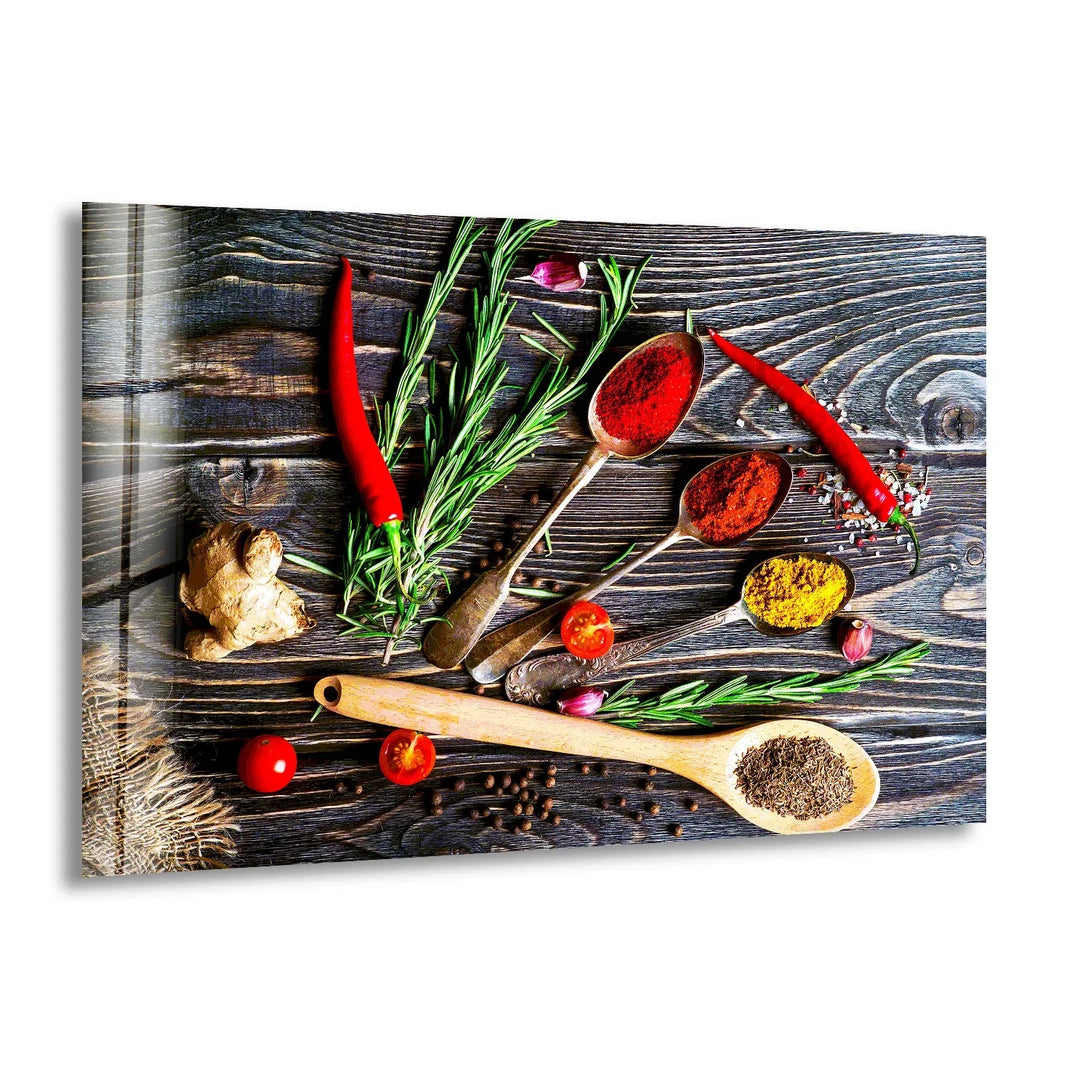
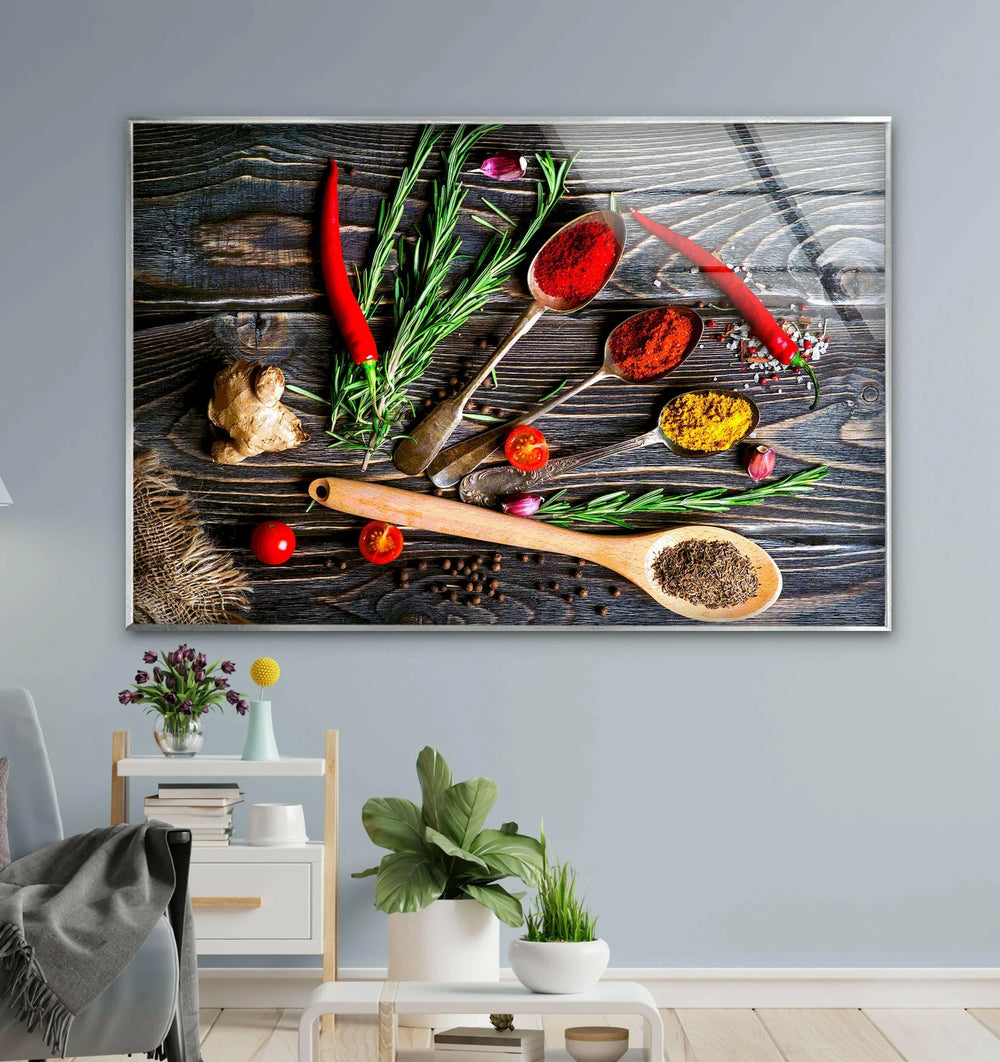
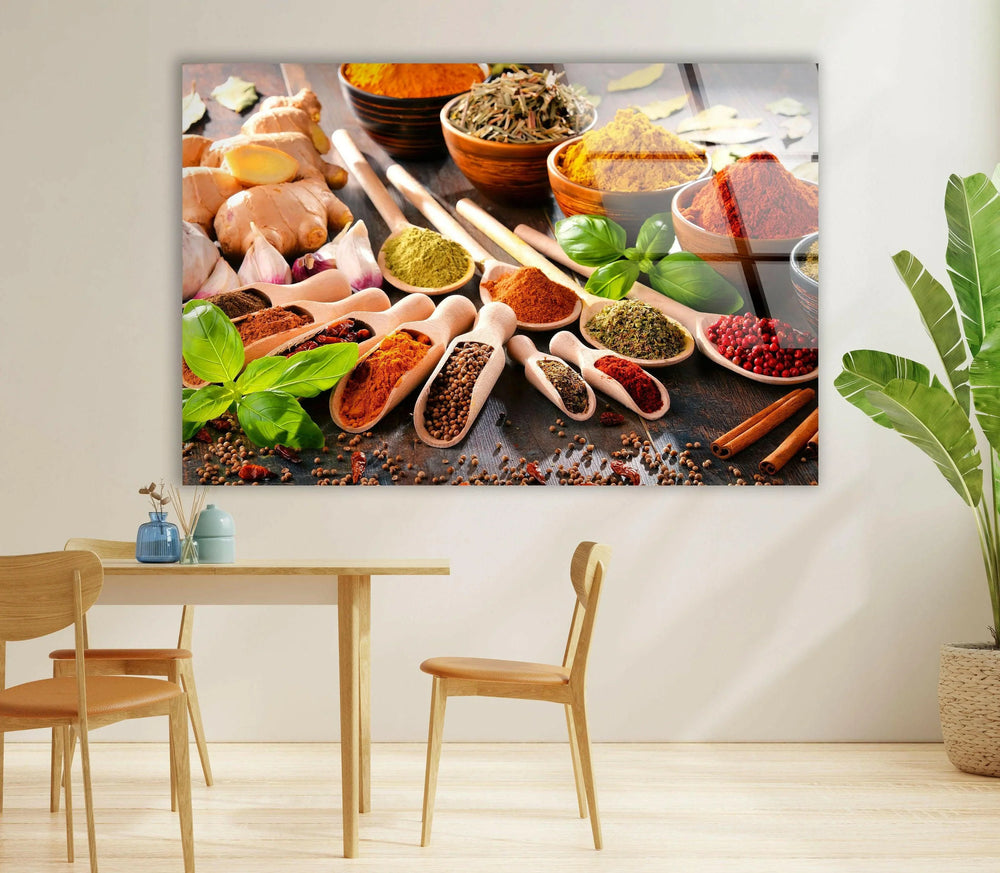
Even pieces typically considered kitchen wall art can fit this ethos if their design aligns with quietude. For instance, the Rustic Spice Kitchen Wall Art: Culinary Herb and Spice Print on Glass, with its natural subject matter and muted earthy tones, offers a grounded simplicity. Its depiction of culinary herbs presents a natural element without being overly stimulating, making it a subtle choice for a bedroom that values organic connections. The color story is key. This piece exemplifies how themes often associated with one room can, through their visual attributes, contribute to a serene environment in another, particularly if you are considering kitchen wall art prints for a broader home aesthetic.

The important element is the art's ability to soothe, not excite. While vibrant prints have their place, a bedroom requires a more restrained approach. Choosing art that either complements existing tones or introduces intentional, subtle contrasts will allow the piece to bring personality without overwhelming the senses. Consider how colors interact. This thoughtful approach ensures your selection enhances, rather than detracts from, the room’s primary function as a tranquil haven.
Evaluate your existing bedroom color scheme and select artwork that harmonizes with or gently enhances it, rather than competes.
Sizing and Placement for Visual Harmony
Proper scale and placement are fundamental to creating a balanced and visually pleasing room. A common mistake involves selecting artwork that is either too small, becoming lost on a large wall, or too large, overwhelming the space entirely. Finding the right fit matters. To avoid this, you should consider the "two-thirds rule": your art should occupy about two-thirds the width of the furniture it hangs above. For a focal point above the bed, opt for a single, substantial piece or a cohesive series that acts as an anchor without visual clutter. The artwork's width should measure approximately 60-80% of the bed or headboard's width, ensuring a sense of proportionality.
Hanging art at the correct height is equally important. Artwork hung too high appears disconnected from furniture, while pieces hung too low can make a room feel cramped. If placing art above a headboard, you should ensure the bottom edge of the artwork sits roughly 6 to 10 inches above the headboard. This creates a visual connection, integrating the art with the furniture. For art on an open wall, aim for the center of the artwork to be at average eye level, typically 57-60 inches from the floor. Incorrect height disconnects the piece.
This careful consideration of dimensions prevents the art from appearing disconnected from your furniture or making the room feel cramped. These are not just aesthetic guidelines; they inform how the eye navigates the space, affecting the overall sense of calm or disarray. Thoughtful spacing matters. Whether you're considering kitchen wall art decor for an open plan living space or specific bedroom wall art, these principles remain constant.
Before committing to a purchase, measure the available wall space and the width of your bed or headboard to ensure proper scale.
Adding Depth with Texture and Form
A restrained color palette, while calming, risks appearing flat without careful attention to texture and form. Incorporating visual interest through abstract pieces featuring elegant lines, gentle curves, or subtle textural contrasts adds depth without overstimulating the senses. This approach provides a quiet engagement for the eye, rather than demanding attention. I've always found such pieces far more captivating than overt statement art for a bedroom. Depth invites contemplation. Abstract pieces with fluid watercolor washes or gentle horizontals are particularly effective in this regard, adding movement without intensity.
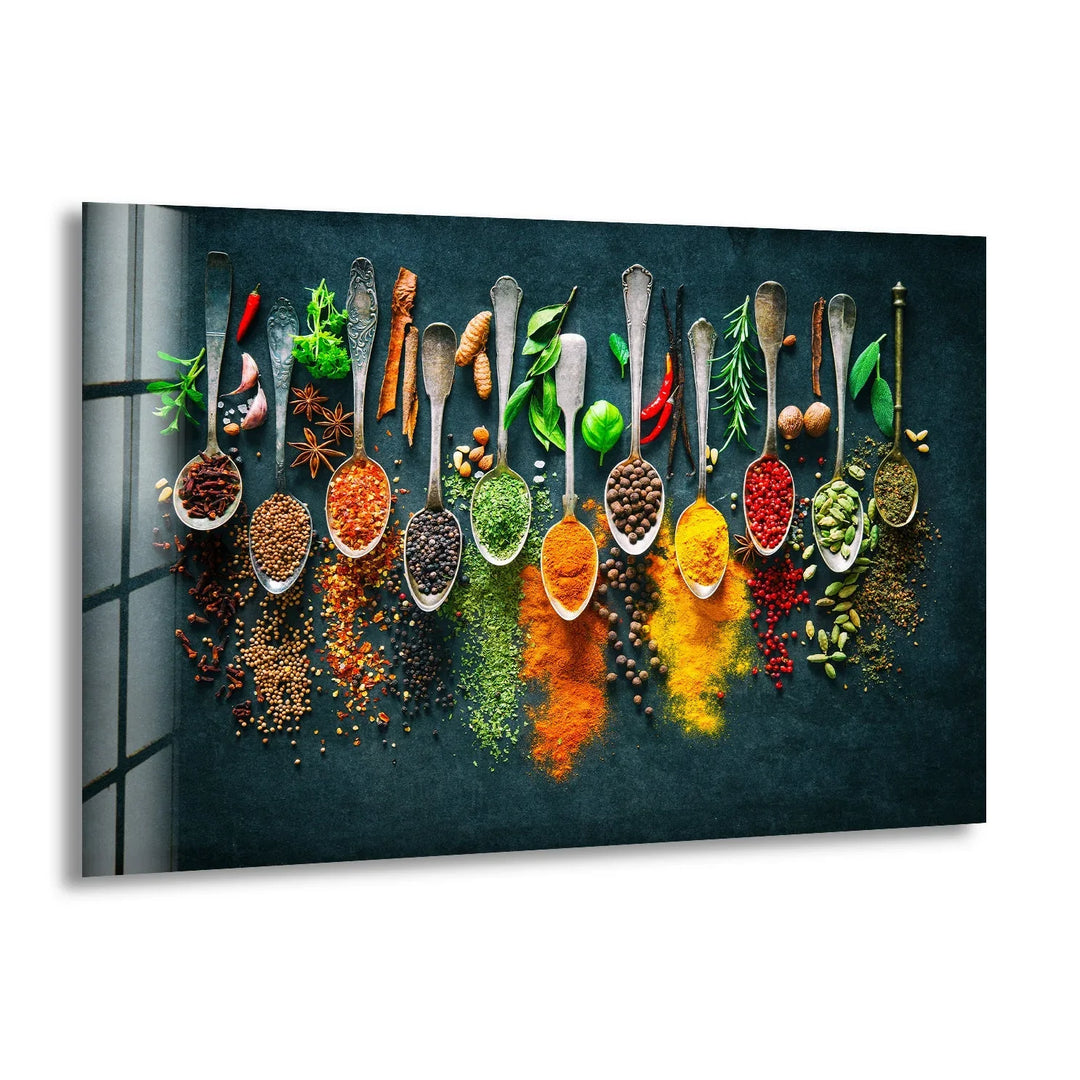
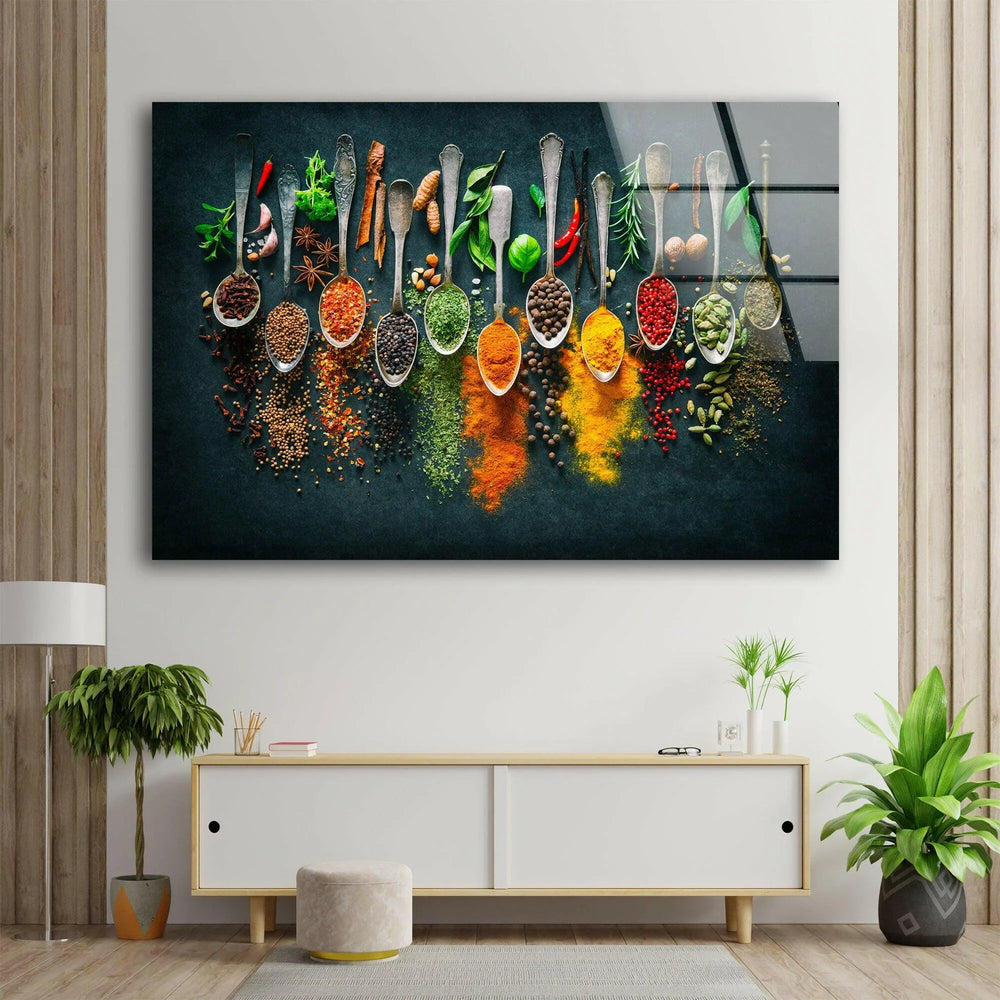
Consider the Spices On Wood Spoons Glass Wall Art. While its subject is culinary, the composition itself, featuring varied textures and simple forms, exemplifies how nuanced visual interest can be achieved. The glass medium adds its own luminosity, creating a subtle interplay of light that can be quite calming. Such an approach can contribute quiet complexity to a bedroom, proving that even kitchen wall art can offer sophisticated textural appeal. Texture offers sophistication. Its natural elements and subtle variations in color provide a visual anchor without being disruptive.

Similarly, a piece like the Red Pepper Glass Wall Art, despite its singular, bold subject, can offer a calming effect if considered for its simple form and crisp definition. The smooth, vibrant red, when used as an accent in an otherwise neutral bedroom, can be a focused point of visual interest without clutter or overwhelming the senses. Its crisp lines provide structure. This intentional contrast allows a single, striking element to ground a space without causing visual chaos. Such a piece demonstrates how even simple kitchen wall art contributes to a considered design.

Layering and mixing frame styles can also create a curated look, combining different paintings, prints, and photographs. While mixing frame colors like black, white, gold, or wood adds depth and personality, maintain cohesion by choosing a unifying element, such as similar shapes or materials, to prevent visual chaos. This ensures a sense of order. Whether you prefer a traditional abstract wall art canvas or the sleek luminosity of our glass pieces, framing plays an important role in integrating art into your space. Even kitchen wall art prints, when framed thoughtfully as part of a kitchen wall art set, can contribute to this layered effect.
Look for pieces that offer subtle tactile appeal or elegant lines, adding visual interest without competing for attention.
Avoiding Common Missteps in Bedroom Art
Several common errors can undermine the serene atmosphere you intend to create. Beyond incorrect sizing, which leaves art looking either lost or imposing, there is the issue of emotional resonance. Randomly chosen art can create a chaotic or unbalanced feeling. Conversely, only selecting art that perfectly matches existing colors can make a room appear flat and lack personality. Seek emotional connection. Mae Osz notes that your bedroom should be the ultimate bedroom, a place where you can truly unwind and feel at peace, and art should feel like a natural extension of your personality.
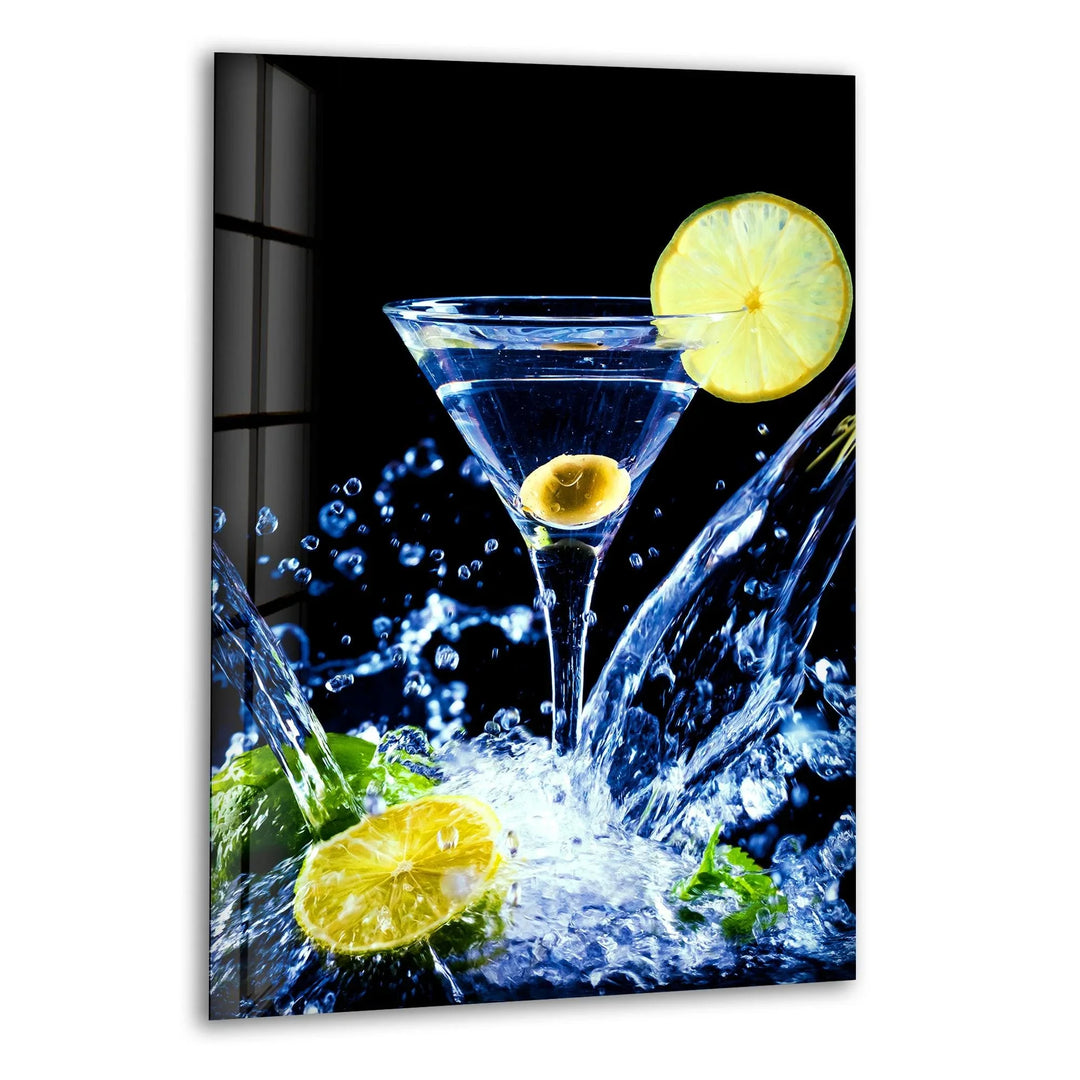
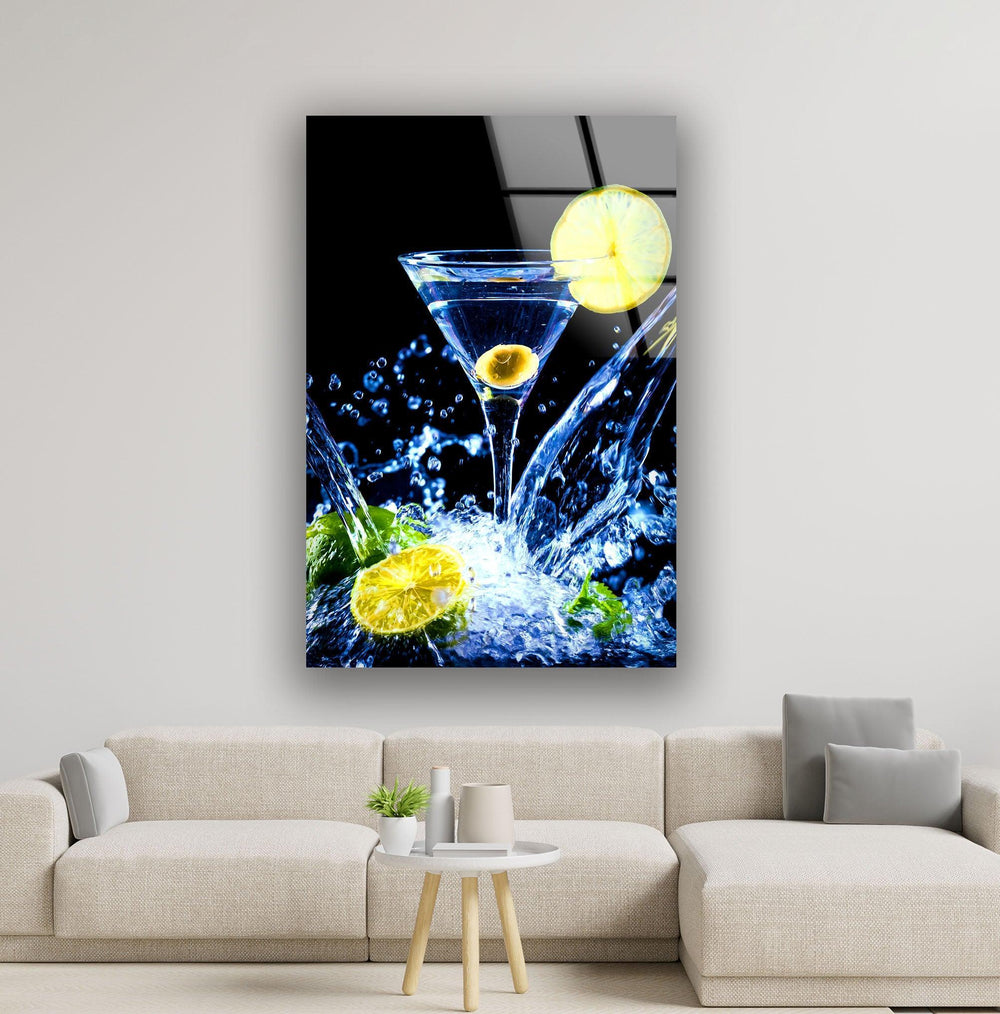
The intent is to select art that fosters a specific feeling, a visual exhale that enhances rather than competes with calm. For instance, while a piece like the Decorative Blue Cocktail Glass Wall Art might bring a sophisticated pop of color to a different space, its specific subject or vibrancy might need careful consideration for a truly restful bedroom. The cool blue tones could be soothing for some, but the celebratory nature of cocktails might be counter to a tranquil environment for others. Context matters deeply. When selecting art for bedroom walls, you should consider its psychological impact. This principle applies whether you're choosing distinct kitchen wall art ideas or focusing solely on bedroom-specific pieces.

Avoid placing unsafe or overly stimulating items directly above the bed. Hanging heavy, sharp, or glass-fronted artwork directly above the bed is a safety concern and should be avoided unless securely reinforced. Dramatic, dark, or oppressive images can overstimulate the senses and hinder relaxation, making them unsuitable for promoting a calm bedroom environment. Your sleeping space requires quiet. When curating any collection of art for a home, whether seeking kitchen wall art ideas or bedroom wall art prints, remember that the goal is not merely decoration. It is about crafting an experience, a deliberate engagement with your surroundings that supports your well-being. A high-quality kitchen wall art set or a single, framed kitchen wall art piece can, through its intrinsic visual qualities, offer surprising versatility across different rooms. This requires discerning taste. Even for a space requiring quietude, a carefully chosen abstract kitchen wall art canvas or print can fit.
Before finalizing your selection, review your chosen piece for scale, emotional impact, and safety in its intended location.
To find art that brings peace and personality to your bedroom, explore our full Kitchen Wall Art collection.