

The Energy Effect: Redefining Bedroom Mirror Arrangements
Using carefully angled reflections to establish a strict visual boundary between resting desaturated sightlines and sudden, high-saturation cognitive activation upon sitting up is the definitive biological mechanism for defeating morning sleep inertia. One primary suite wakes you with flat, 4000K Kelvin grey light filtering across a bare gypsum plaster wall. Another pulls a saturated, Munsell 5YR 6/14 golden-orange glow from a 45-degree side angle, capturing hidden visual heat from East-facing architectural windows.
Consider the spatial volume at rest before any architectural intervention. Walls holding a highly specific, desaturated cerulean blue, notably Munsell hue 10BG, produce an unreproducible optic stillness. Crisp Belgian flax linen sheets carry the faint, dry scent of ironed long-staple cotton. Dust motes drift through heavy shadows in the 90-degree corners. This static atmosphere achieves absolute visual neutrality to protect your melatonin-driven circadian rhythm, but it lacks an autonomic ignition point. You need a biomechanical mechanism to break the stillness precisely when you wake. A considered bedroom mirror placement at a precise 60-degree viewing angle solves this biological equation.
How Angled Reflection Manipulates Autonomic Arousal
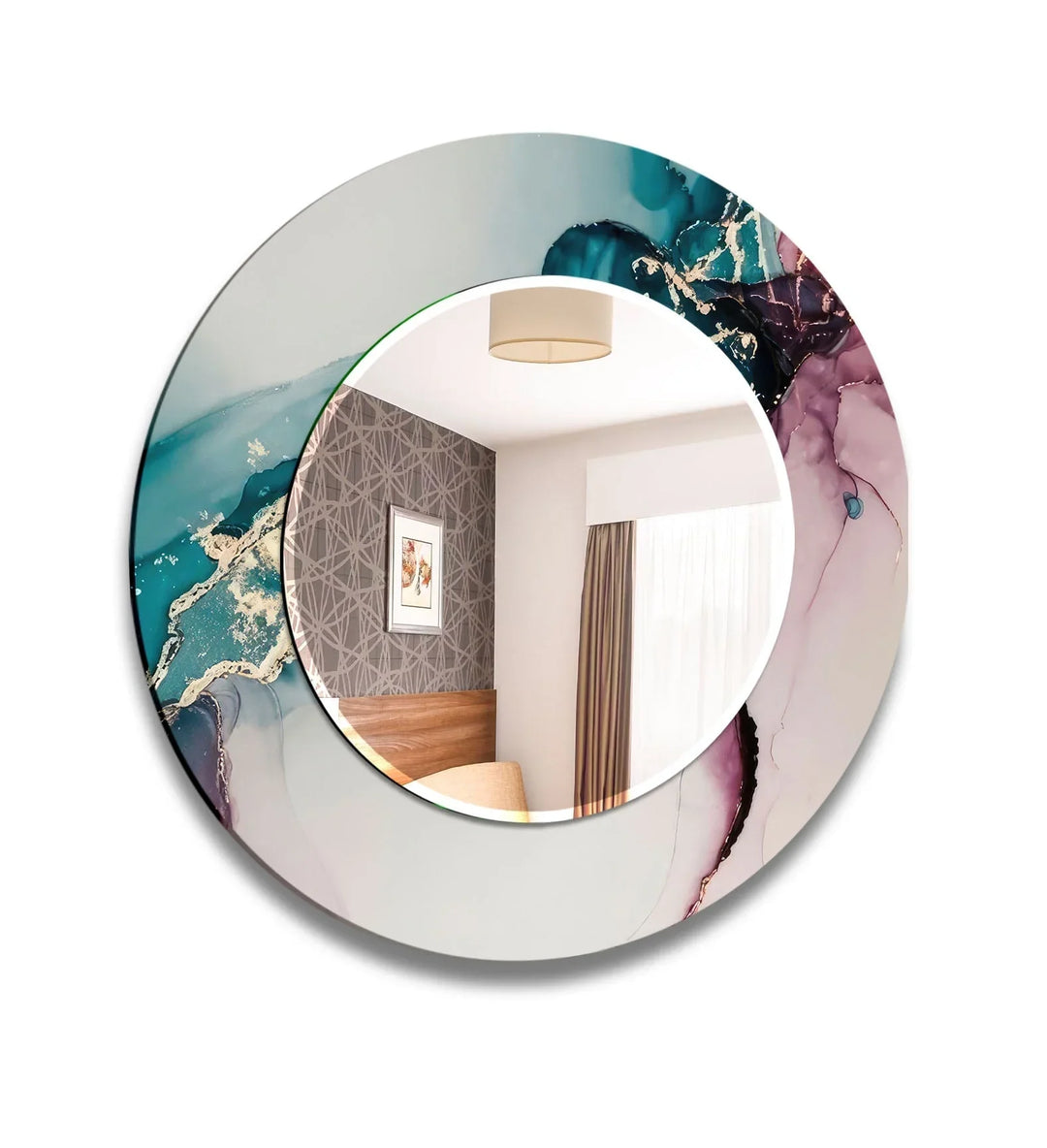
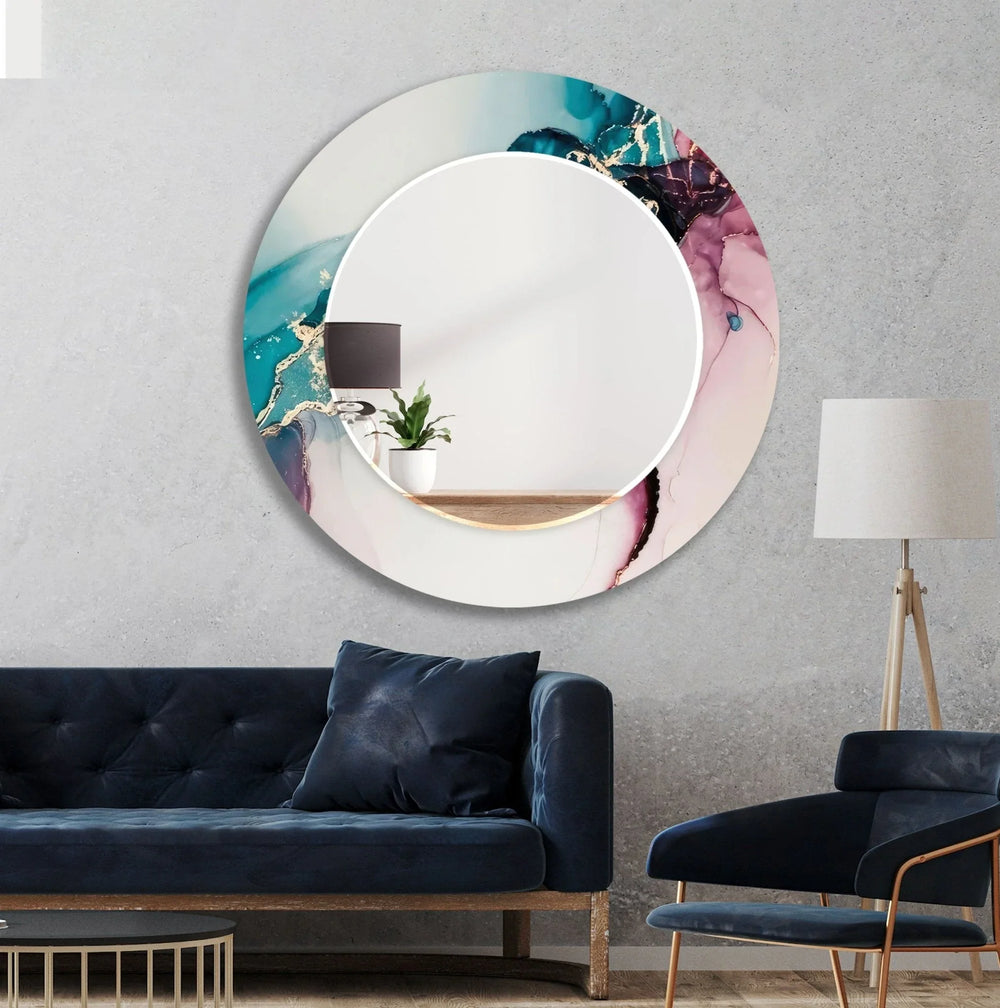
Bouncing natural daylight through precise geometric angles actively reduces morning cognitive drag by manipulating human galvanic skin responses. Large-scale circadian neuroscience research consistently shows that increased morning lux exposure facilitates a smoother sleep-to-wake transition and drops cortisol-driven depressive symptoms. Expanding architectural window sizes is an unnecessary expense. Instead, bounce existing 500-lux ambient photons deeper into the primary suite. Introducing the Dark Blue Golden Round Wall Mirror acts as an optical amplifier. The cold, smooth silica surface of the HD glass captures ambient morning rays, while the deep Pantone 289 indigo and 24-karat metallic gold borders ground the visual field, preventing the light from washing out the room. This sharp contrast hits the fovea centralis of the retina with intense clarity. A heavy, 2-inch acrylic blue rim absorbs stray UV glare, which immediately sharpens mental focus.

Isolating Saturation Combats Morning Sleep Inertia
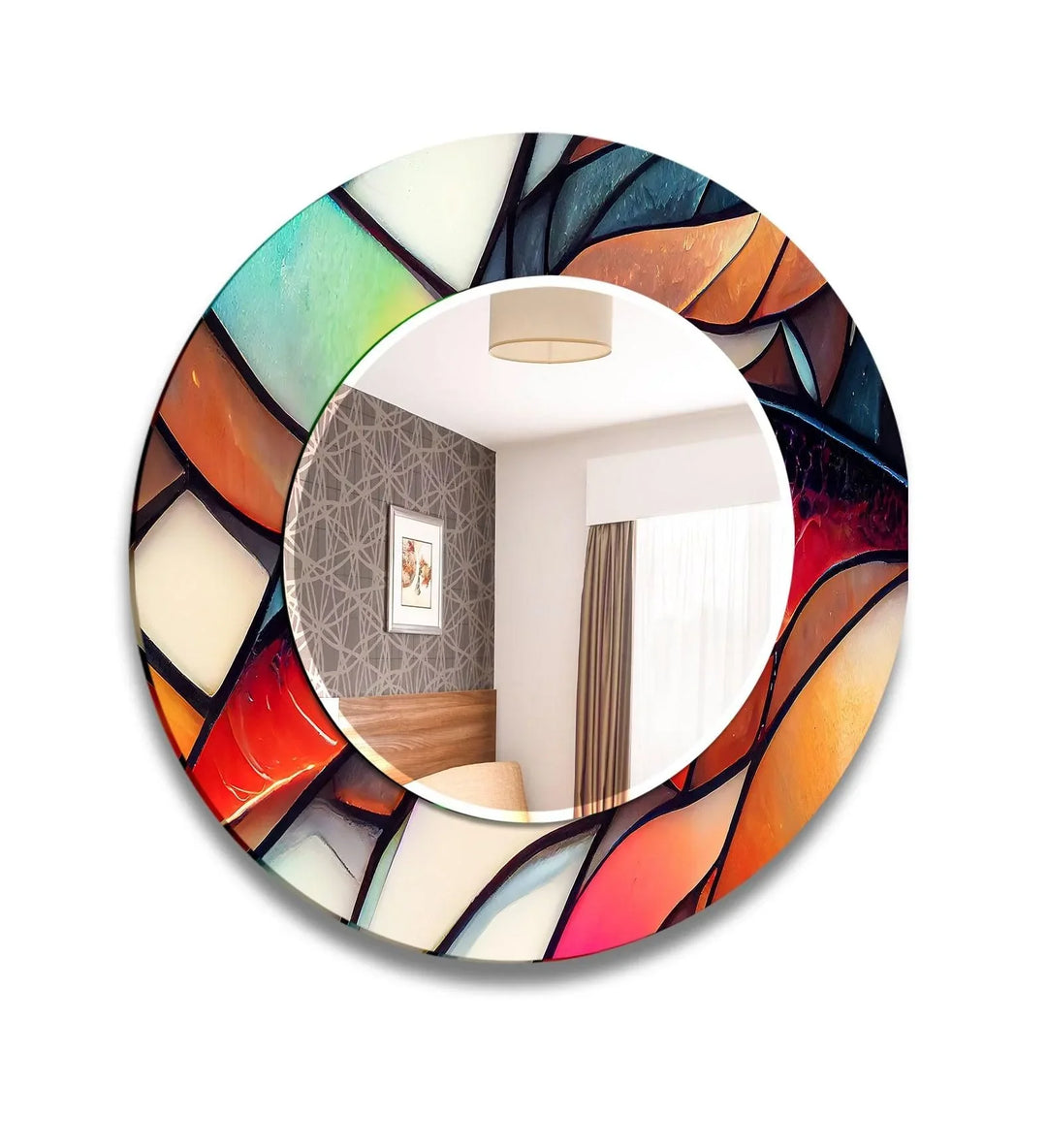
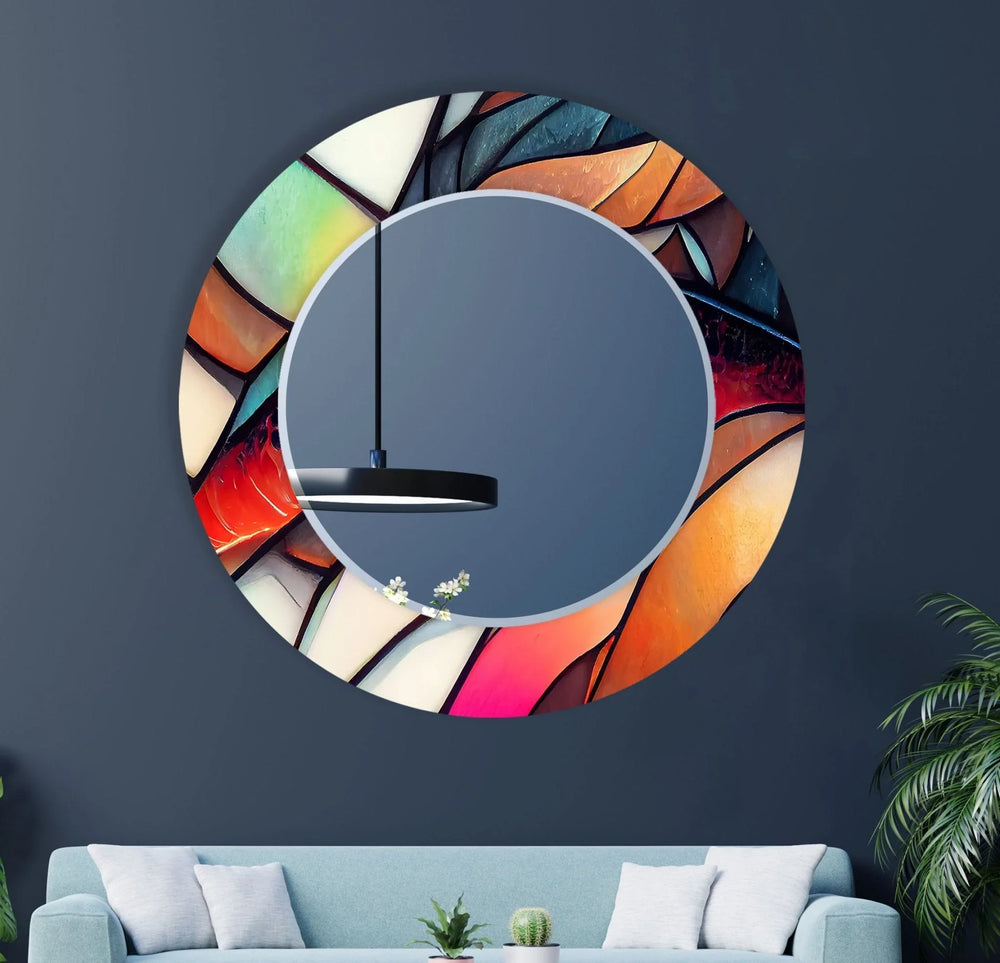
Confining highly saturated colors—like 600-nanometer cadmium orange—exclusively within a 45-degree reflected sightline visible only upon sitting upright creates an absolute boundary between rest and activation, entirely bypassing the heavy cognitive drag of sleep inertia. Traditional environmental psychology guidelines published by the Journal of Environmental Psychology insist the sleeping quarters remain an absolute zone of low-stimulation, cool tones. This orthodox approach completely ignores the neurological requirement of waking. The most effective contrarian strategy requires building a controlled autonomic activation zone. You protect your deep Delta-wave sleep cycles by keeping direct sightlines from the pillow completely neutral. However, you place a high-saturation Munsell 5R 4/14 red or cadmium orange artwork on a secondary wall, visible only when you sit up and look into an adjacent glass surface. Optic psychology research demonstrates that vibrant oranges and deep crimson reds trigger heightened electrodermal activity, acting as direct autonomic stimulants. Reflecting these warm 600-nanometer wavelengths through the Abstract Golden Trees Wall Mirror triggers an immediate cortisol release for the brain. Metallic copper branches printed across the 4mm tempered glass scatter the heavy, muted vermillion pigments from the opposite wall to instantly break the inertia. Textured 18-karat golden foil catches the East-facing morning sun, sending a physical thermal warmth across your face.

Classical spatial practitioners understand this energetic manipulation intuitively. Implementing authentic Form School feng shui principles for bedroom mirrors requires specific geometric angles to avoid startling the brain. Positioning a 72-inch full-length glass surface directly opposite a California King bed is a severe biomechanical error. You must ensure the mattress-to-glass spatial angle exceeds 45 degrees. Seeing sudden, unexpected optic movement upon waking triggers an immediate, involuntary startle response in the basolateral amygdala. This HPA-axis reaction causes unnecessary cortisol spikes.
A mirror possesses the capacity to manipulate, redirect, and amplify the active qi of whatever it reflects, functioning as an energy aspirin for static architecture.
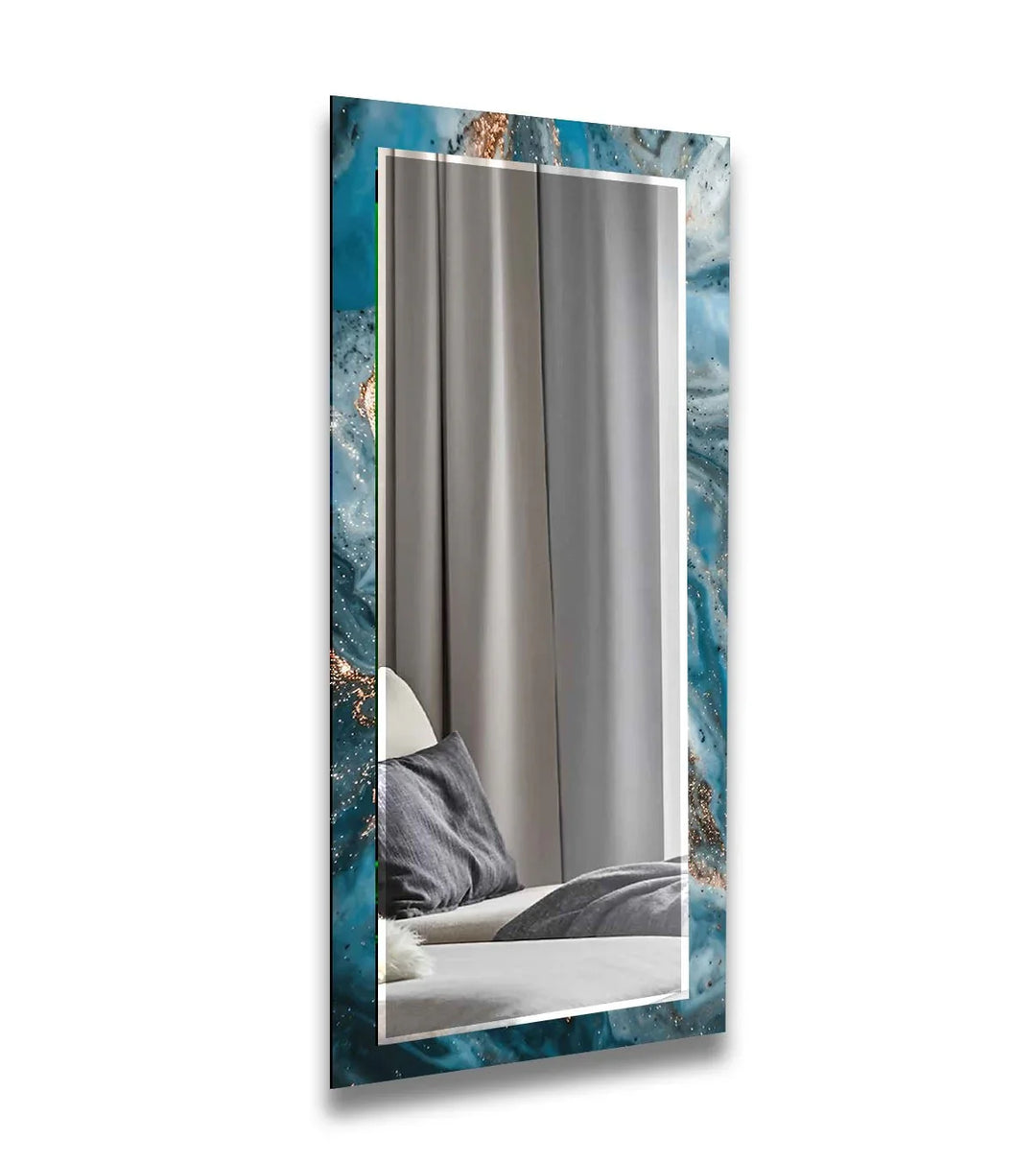
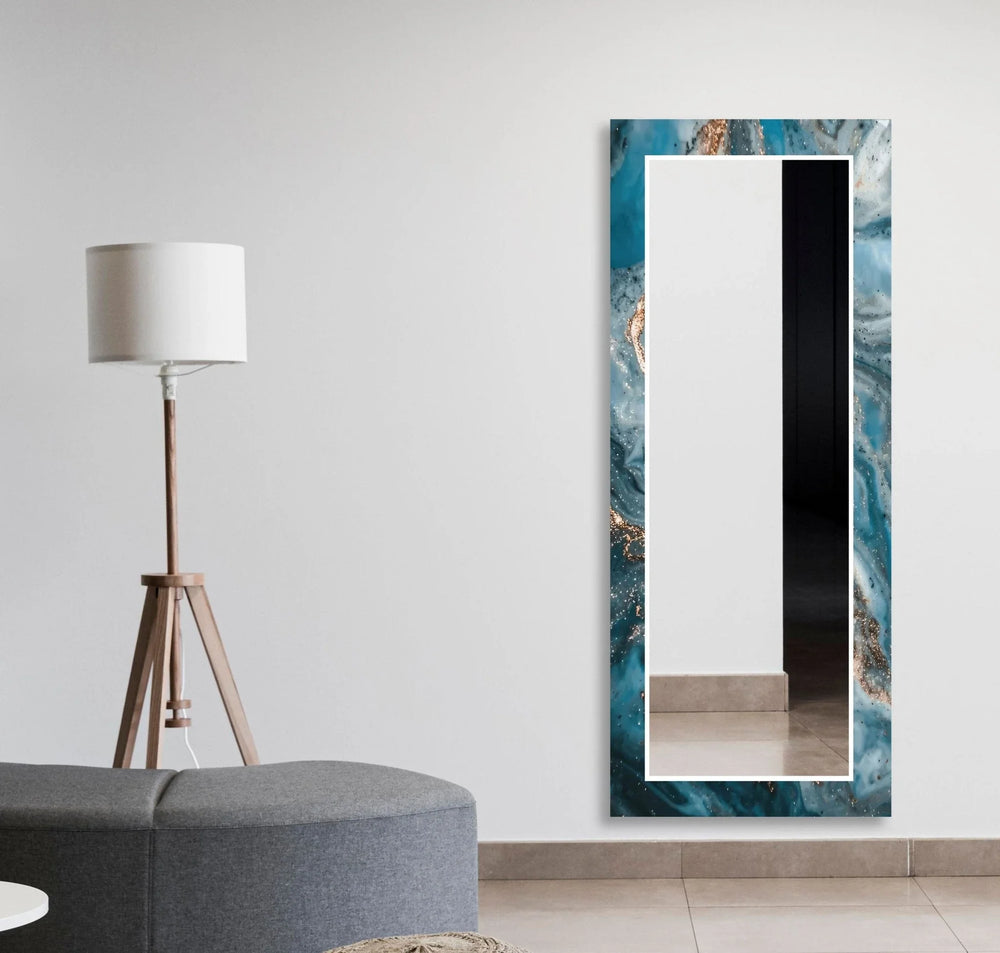
Architect and Mindful Design Feng Shui School co-founder Anjie Cho refers to this practice of minor additions as Xie Zi Fa. BTB Feng Shui masters hang the object adjacent or perpendicular to the headboard. The Abstract Space Round Wall Mirror works exceptionally well for this specific application. Its swirling, cobalt-and-nebula color palette brings kinetic movement to the periphery of your vision without overwhelming the central foveal sightline. A glossy epoxy resin finish feels cool to the touch, creating a subtle focal depth that draws the eye out of the resting zone and into the active daytime cycle.

Mathematical Spacing Dictates Visual Comfort
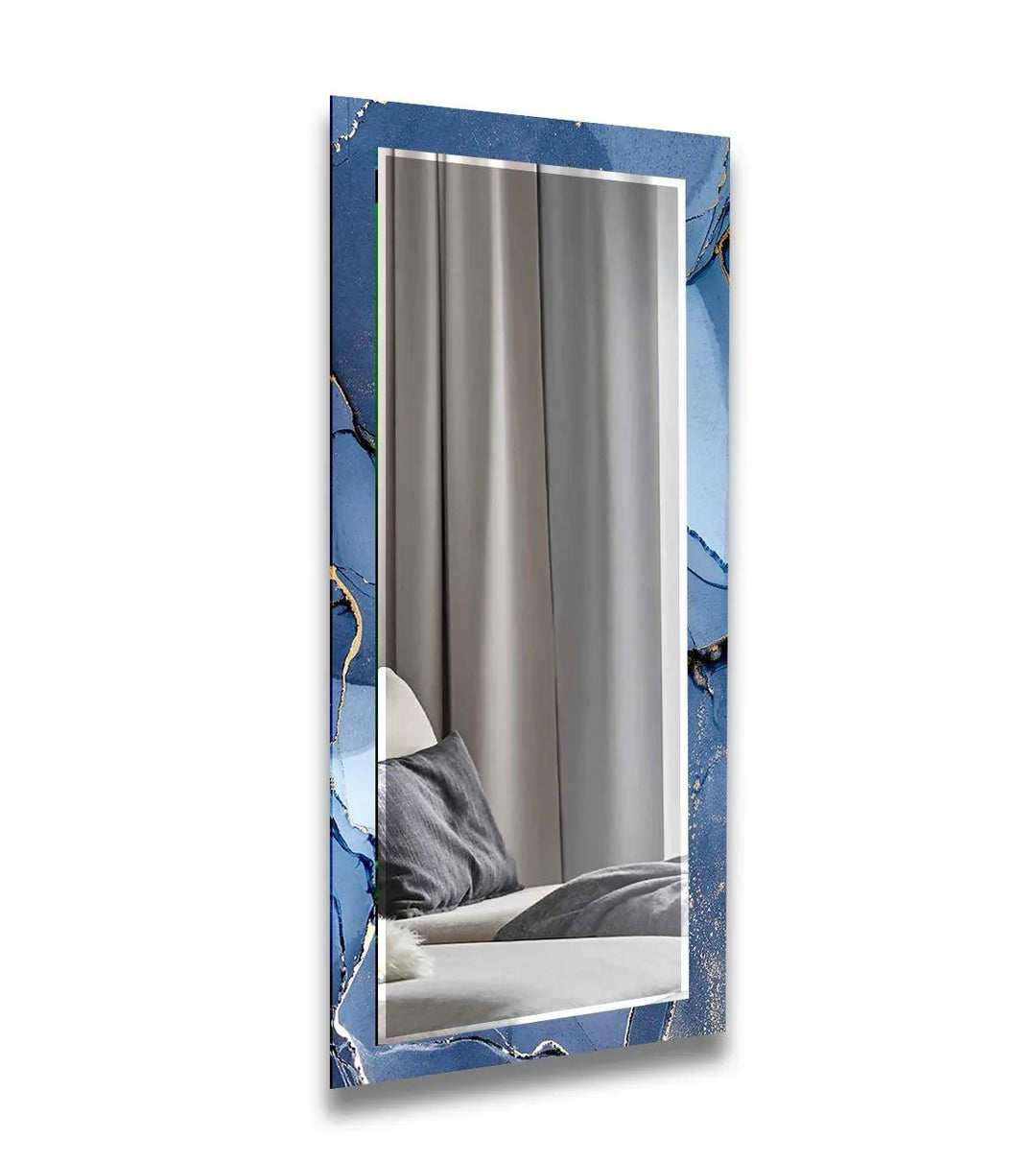
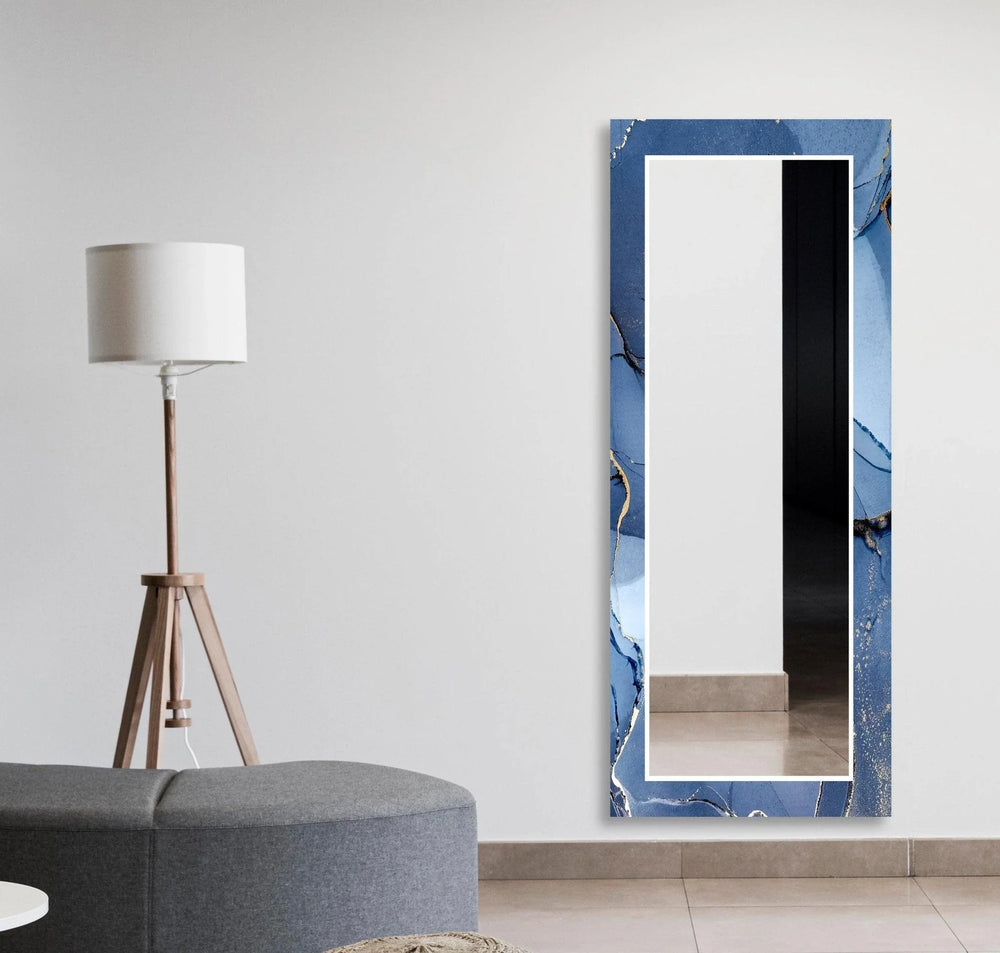
Calculating a precise 1:1.618 spatial buffer between a 300gsm archival cotton canvas and a silver-backed reflective plane dictates whether the brain perceives geometric harmony or visual noise. The physical distance between these two architectural elements cannot be random. Spatial design principles dictate that arranging decor to align with the Fibonacci sequence, or Phi (1.618), mimics the exact neuroscience of how human optics naturally perceive space. To create an unshakeable calm, calculate this spatial buffer perfectly. If your matte Epson giclée print spans 60cm in width, mount the brass frame exactly 97.08cm away on the X-axis. This precise mathematical void allows the eye to rest before encountering the reflection. Using the Blue and Gold Abstract Wall Mirrors within this rigid mathematical framework amplifies the autonomic effect. Sharp, geometric brushed brass frames interact with the grainy texture of the empty Venetian plaster wall, creating a rhythmic spatial tension. You avoid the harsh, fragmented glare fields of double-reflection loops by pairing the silica glass exclusively with Hahnemühle matte paper finishes. A soft, ambient photon glow warms the room, making the arrangement feel highly intentional.

Ultimately, the definitive cure for morning sleep inertia relies on engineering an absolute visual boundary: maintaining desaturated optic neutrality from the pillow, while positioning angled mirrors to reveal high-saturation activation colors the exact second you sit upright. Environmental psychology assessments from the Lighting Research Center demonstrate that manipulating color wavelengths and 300-lux light stimulation creates a measurable variation in cognitive engagement. Objects mounted on your drywall do more than fill empty spatial volume. They actively tune your autonomic physiological state. Treat these vertical surfaces as precise optical instruments of light and color rather than mere decorative afterthoughts. Calibrating them correctly guarantees you wake up faster. Rather than passively browsing through random big-box retail options, use these biomechanical principles to construct a high-performance circadian waking environment. When you are ready to dial in your own primary suite, evaluate the precise geometry of a carefully positioned bedroom mirror to permanently shift your entire morning routine.