

The Living Room Wall Art Rule That Fails The Gift Shopper
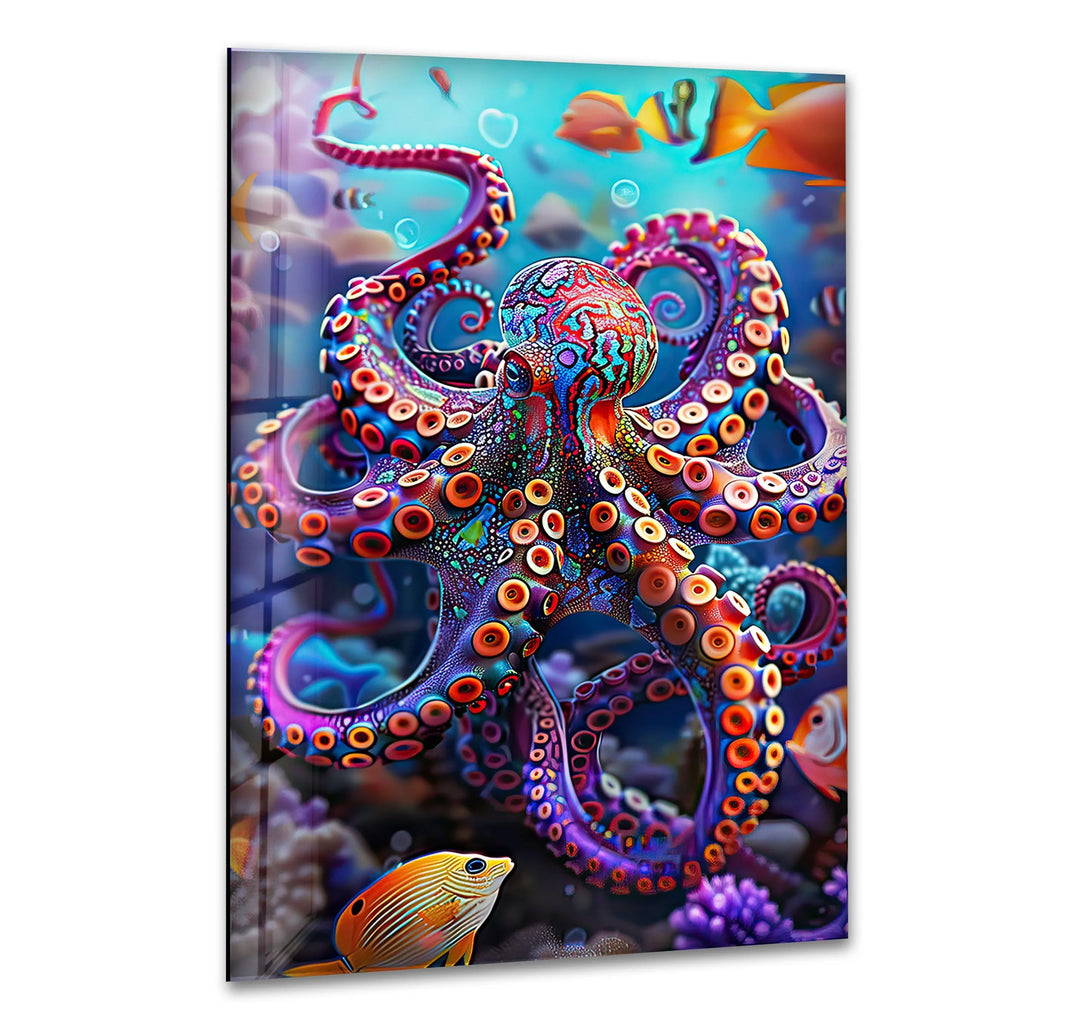
White space between canvas frames creates a hidden cognitive tax on the human eye, forcing the brain into exhausting amodal completion. Selecting effective decor for living room walls requires viewing the framed object as a structural spatial tool rather than mere pigment. Gift buyers dealing with expansive Benjamin Moore Swiss Coffee drywall over large 84-inch velvet Lawson sofas face a strict geometric gridlock between hanging an unbroken 60-inch wide archival cotton canvas and a fractured multi-panel layout. Bypassing subjective preference requires measuring this exact neuro-aesthetic visual fatigue. Gathering sound mathematical concepts for living room wall arrangements begins with exploring a dedicated collection of living room wall art.
The Mechanics of the Oversized Single Canvas
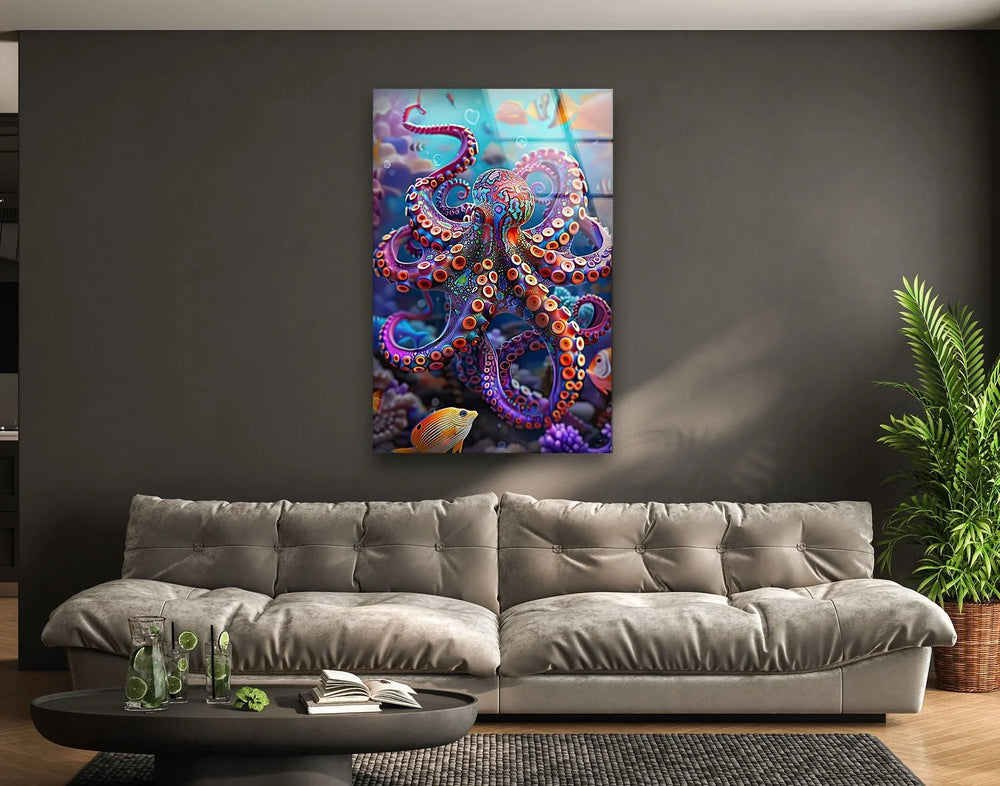
A massive 60-inch continuous canvas establishes an immediate architectural focal point that actively reduces cognitive visual fatigue. Studies in environmental psychology demonstrate that a continuous horizontal plane provides a neuro-aesthetic rest stop. Hanging a 60-inch wide hand-stretched cotton duck canvas above a standard 84-inch sofa spans exactly 71.4 percent of the upholstery width. This specific dimension aligns precisely with the established interior design two-thirds rule for anchoring heavy furniture like a Restoration Hardware Cloud Sofa. You create absolute spatial serenity. When a recipient requires true spatial calm, continuous visual planes win every time.
Mounting large-format art on living room walls carries a severe hanging collision risk. Blindly following the museum-standard 57-inch on-center rule ruins the spatial proportion. If you hang a standard 60-inch by 40-inch landscape frame at 57 inches on-center above a 36-inch tall Chesterfield sofa, the bottom edge drops to 37 inches from the floor. The clearance leaves an awkward 1-inch vertical gap. Furniture height overrides the 57-inch Guggenheim museum rule. You must force the bottom clearance up to exactly 6 to 8 inches above the tufted backrest. Mathematics dictate pushing the on-center height to 60 or 62 inches to maintain structural balance. The bottom frame edge demands specific architectural breathing room.
Finding the exact brass nail placement for this monolithic painting on a living room wall requires the hanging wire formula. Pull the braided steel hanging wire taut toward the top mahogany edge. Measure the distance from the peak of the wire to the top of the frame to find your wire drop. To center the piece at 62 inches to accommodate a tall full-grain aniline leather sofa, use the equation: 62 plus half the art height minus the wire drop. A 40-inch tall canvas with a 3-inch wire drop places the OOK 100lb professional picture hanger exactly at 79 inches from the floor. You hit the precise vertical axis.
The Metallic Gray Abstract Glass Wall Art embodies this continuous visual plane concept precisely. Pantone Cool Gray 9 desaturated tones directly associate with a lower resting heart rate, and the single 0.25-inch tempered glass structure anchors a sprawling wall without introducing structural fractures.

To completely arrest the eye, The First Temptation: Adam and Eve in Eden Renaissance Oil Painting operates as a dense spatial anchor. The rich 17th-century Caravaggisti chiaroscuro lighting demands singular focus, actively suppressing the peripheral micro-saccadic movements that cause visual fatigue.

Structuring the Geometric Triptych Layout
Distributing visual weight across three distinct panels generates an active dynamic rhythm that guides the eye across expansive vertical surfaces. Gallery curators refer to this sequence as the Rule of Three. The human brain naturally recognizes and appreciates odd-numbered patterns based on Gestalt grouping principles. Constructing a three-piece sequence for the living room wall builds a definitive visual bridge. The optimal configuration utilizes three 20-inch by 30-inch vertical panels printed on 300gsm Hahnemuehle photo rag paper and mounted on matte aluminium dibond. Hung with strict 2-inch gaps, this creates a combined visual envelope of 64 inches. Achieving this footprint spans an optimal 76.1 percent of an 84-inch sofa. Mathematical equations balance the room perfectly.
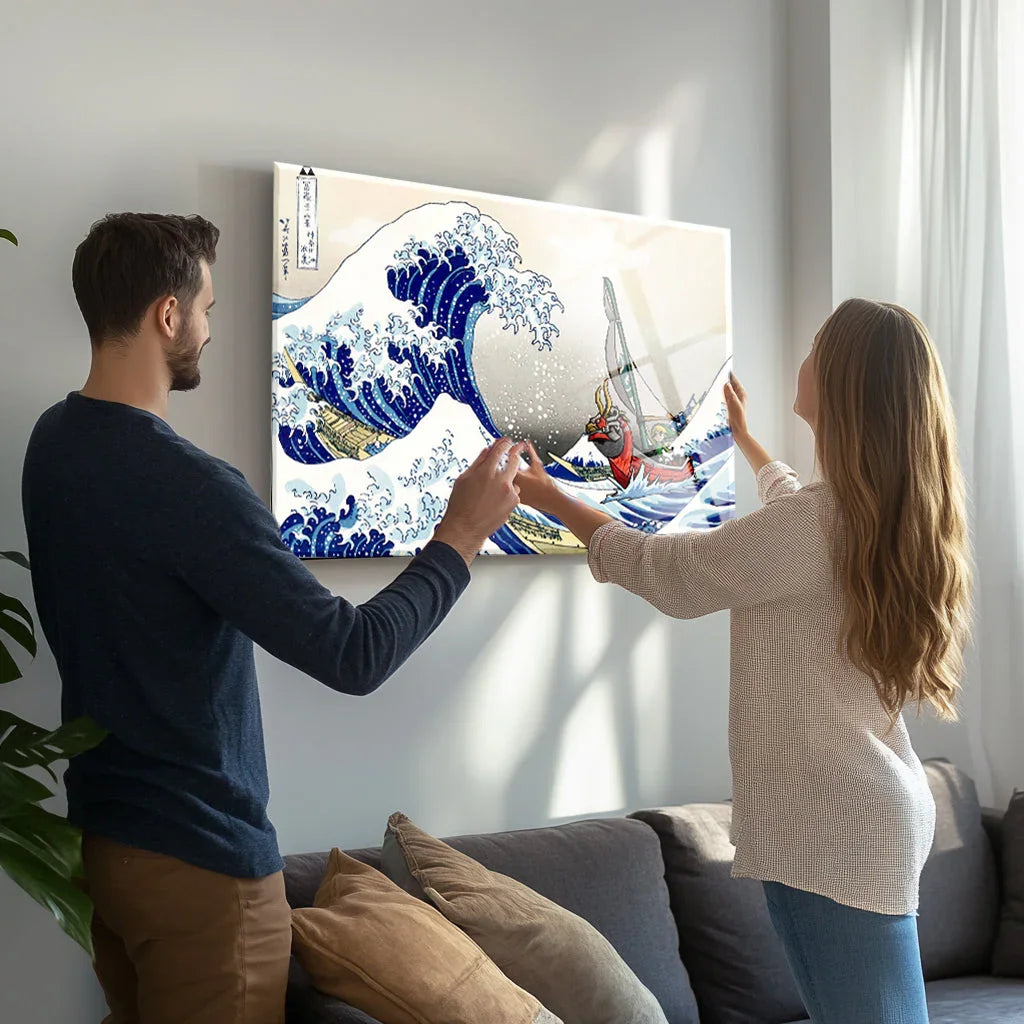
Unlike massive 40-inch tall acrylic landscape canvases, a 30-inch tall triptych panel hung at 57 inches on-center places the bottom edge at 42 inches from the floor. This clearance maintains a precise 6-inch architectural breathing space above a standard sofa. You hit exact museum center alignment while honoring furniture proportions. Triptychs originated in early religious altarpieces but found modern relevance in Edo-period Katsushika Hokusai ukiyo-e woodblock print sequences, proving their historical endurance in structuring wide horizontal planes. Opt for matte finishes on these multi-panel sets to prevent harsh 4000K LED room glare from splitting the image further.
Choosing the Fragmented Emotions: Abstract Faces Metal Wall Art splits a complex narrative into three distinct laser-cut brushed steel zones. Segmented geometric faces actively utilize amodal completion, where the viewer subconsciously connects the abstract forms across the negative space of the drywall itself.

Utilizing a set of three pieces for living room walls holds a strict installation limitation. Inexperienced installers miscalculate the 2-inch to 3-inch spacing constraint. Spacing any tighter makes the 12oz primed cotton panels look crowded and compromises architectural breathing room. Expanding the gap wider than 4 inches shatters the visual bridge entirely, exponentially increasing the hidden cognitive tax as the brain struggles to process the fragmented negative space. The viewer's brain reads them as three isolated objects rather than a unified sequence. Even a 0.25-inch vertical misalignment immediately draws the human eye to the hanging error rather than the pigmented canvas, violating the Gestalt Law of Proximity.
You must use a Bosch GLL3-330CG green-beam laser level and 3M ScotchBlue 2090 painter's tape to map a golden boundary box before hammering a single 2-inch brass escutcheon pin. Multiply the total combined width by 0.66 to find the structural core, and enforce mathematical symmetry. Place the laser level on a Manfrotto aluminum tripod. Snap a rigidly straight horizontal crimson line across the drywall at exactly 57 inches from the floor.
If you seek high-energy inspiration for living room wall art, botanical triptychs deliver. The Romantic Peony Garden: Blush and Crimson Floral Canvas Print applies this active rhythm to heavy subjects. Distributing Pantone 7636 C crimson pigments across multiple planes prevents the dense floral aesthetic from overwhelming the central axis of the room.

| Analytical Metric | Continuous Single Canvas | Three-Piece Triptych |
|---|---|---|
| Saccadic Eye Movement Tax | Low. Continuous pigment requires no amodal completion. | High. Gaps force the brain to bridge visual blanks. |
| Vertical Clearance Offset | 1 inch clearance. Requires abandoning 57-inch center rule. | 6 inch clearance. Fits standard museum geometry. |
| Golden Box Footprint | 71.4 percent. Meets the precise two-thirds rule. | 76.1 percent. Pushes maximum structural proportion. |
| Hanging Precision Margin | High. One French cleat handles the entire horizontal axis. | Zero. A 0.25-inch gap error shatters Gestalt continuity. |
Verdict: Directives for the Aesthetic Buyer
The single continuous gallery-wrapped canvas stands as the definitive choice for spaces engineered for psychological restoration, while the triptych suits high-energy architectural zones. We return to the neuro-aesthetic cost of visual gaps. Conventional design advice for living room walls pushes triptych layouts to add movement to flat spaces. From an environmental psychology perspective rooted in Kaplan's Attention Restoration Theory, a single 60-inch canvas proves vastly superior for lowering ambient cognitive load. The white space gaps in a triptych force the human brain to constantly perform amodal completion to bridge the visual blanks.
Such constant processing triggers high rates of micro-saccadic eye movements. The resulting effort induces subtle visual fatigue over extended periods, levying a hidden cognitive tax that exhausts foveal vision processing. In high-traffic living rooms where families seek true decompression, the continuous unbroken horizon of a single piece offers a necessary cognitive rest stop. Choosing between formats directly alters the resting heart rate of the room.
If you are a gift shopper tasked with anchoring a chaotic household, buy the singular monument. Do not fracture the horizon. When decorating a stark, minimalist industrial loft with exposed red brick that desperately requires active rhythm, calculate the 2-inch gap Fibonacci sequence spacing and execute the triptych. Map the wall space with blue tape. Verify the 60 to 75 percent furniture span ratio. Pinpoint the exact brass hook location with the wire drop formula. Ground the space mathematically. Finding the right aesthetic balance requires viewing the canvas as an architectural tool, which you apply directly by browsing our definitive collection of living room wall art.