

Beyond Decoration: Using Moon Wall Art as a Nostalgia Tool
Nostalgia is not a passive decorative element; it is an active cognitive state controlled through intentional visual friction, achieved by crossing academic matte artwork with stark 4000K lighting, or high-gloss retro pieces with warm 2700K bulbs. Mismatched temporal aesthetics make a Mid-Century Modern living room feel stubbornly stuck in twilight at 15:00. The ambient LED light fights the matte canvas and high-gloss glass surfaces. Your Greening teak sideboards clash with the shadows above them. When you select lunar-themed designs, you dictate the exact historical timeline of the space. A carefully curated piece of Selenographia lunar art for living areas demands pure architectural intent.
Analytical Reflection Through Archival Aesthetics
19th-century Selenographia lunar cartography and muted metal motifs trigger historical nostalgia, forcing the brain into analytical reflection rather than basic sentimentality. The American Psychological Association (APA) identifies this specific cognitive state as anemoia. It is the intense yearning for a past you never personally lived. This aesthetic operates on a highly complex cognitive plane. The viewer engages with a piece like the Serene Mountain Landscape Circle Nature-Inspired Metal Wall Art as a formal document of Apollo-era human exploration. Rather than a standard 300gsm painted cotton canvas, the anodised aluminium matte finish functions as an academic anchor.

To visually anchor these academic pieces over Herman Miller walnut credenzas, you must calculate the mathematical 4:7 hanging ratio. Measure your Gyproc plasterboard wall. Multiply the total horizontal width by 0.57. Your framed 19th-century lithograph print must span exactly that resulting dimension. Suspend the museum-grade frame with its centre precisely 145cm from the Baltic pine floor, establishing the standard standing eye level for adults. Controlling anemoia nostalgia requires this exact spatial and material friction. Without precise spatial grounding and the intentional aesthetic counter-programming of a crisp 4000K Soraa VIVID LED lamp striking the surface, anodised matte finishes get lost in negative space.
How Glossy Retro Finishes Provoke Immediate Responses
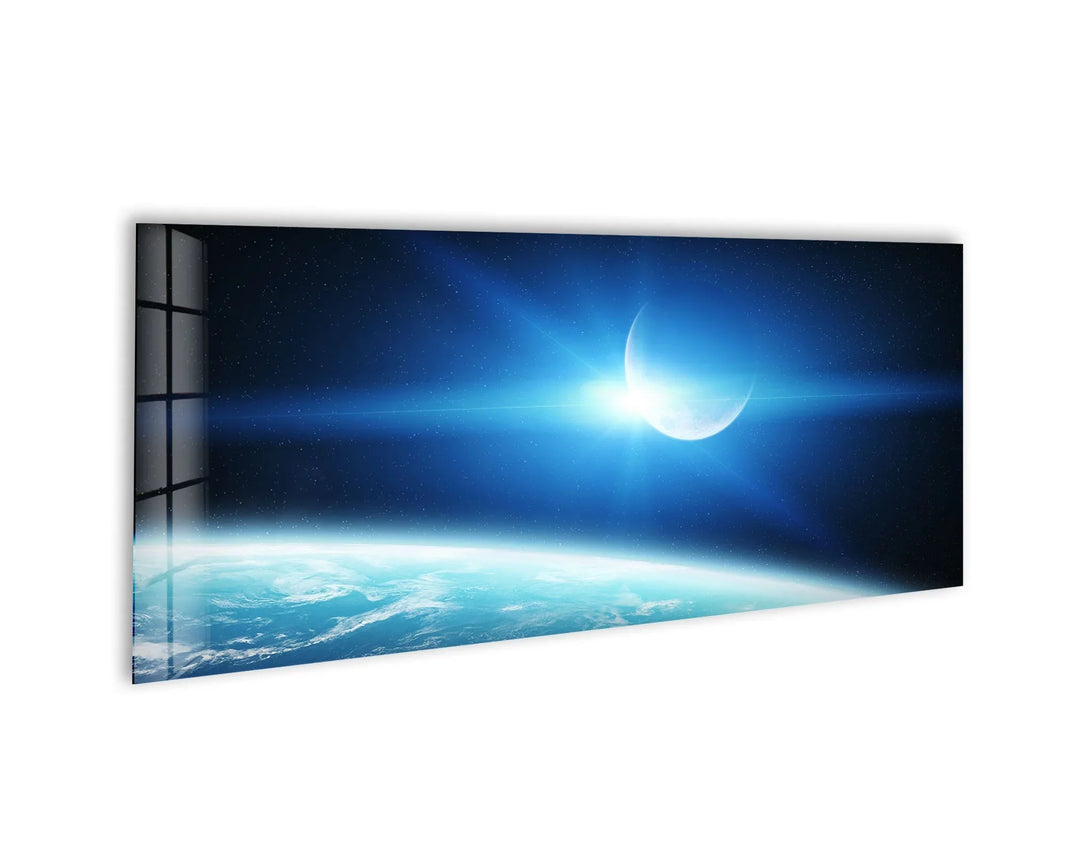
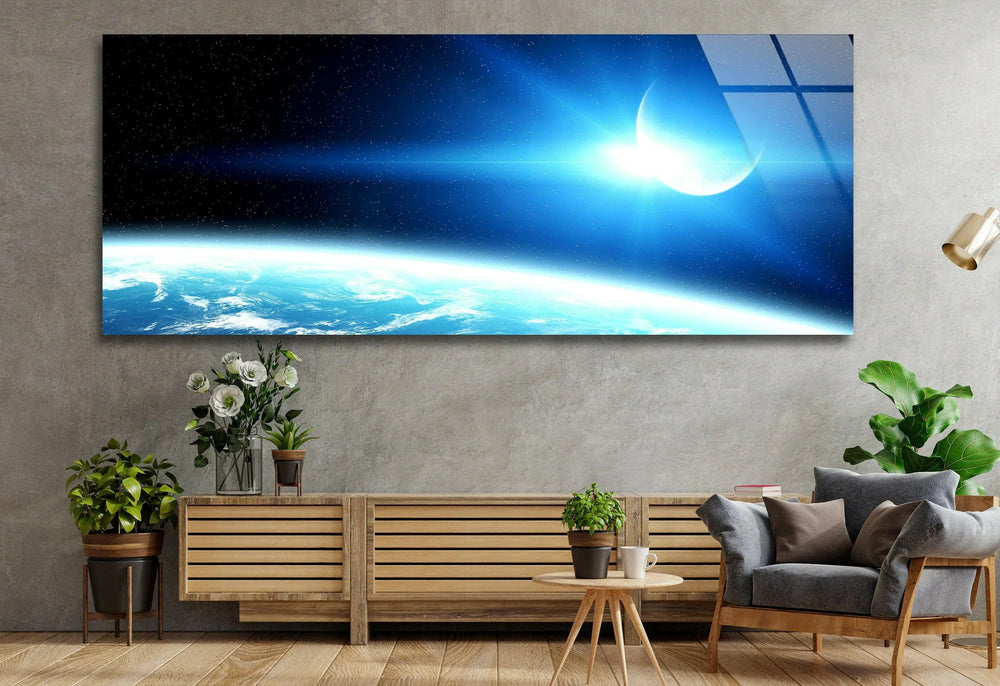
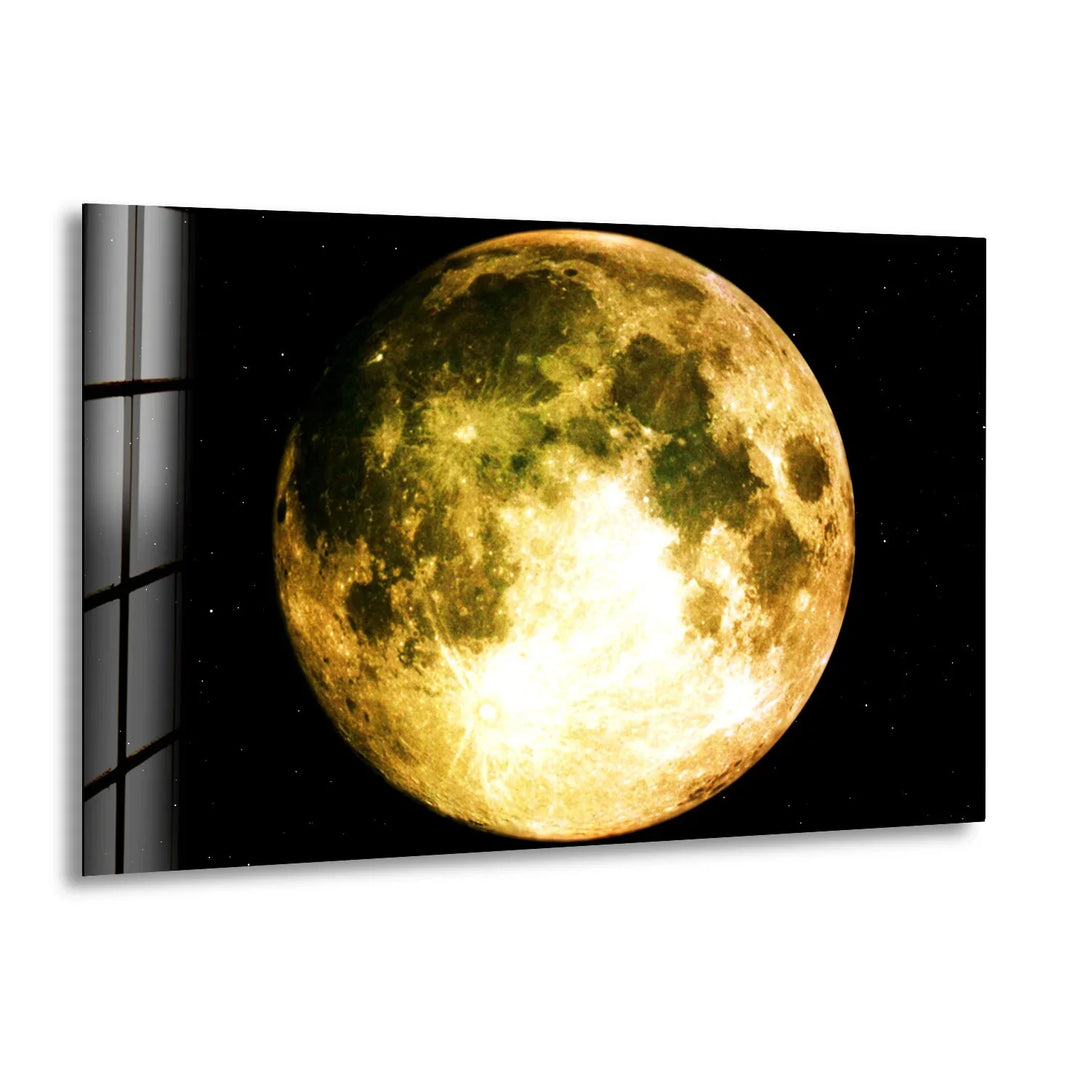
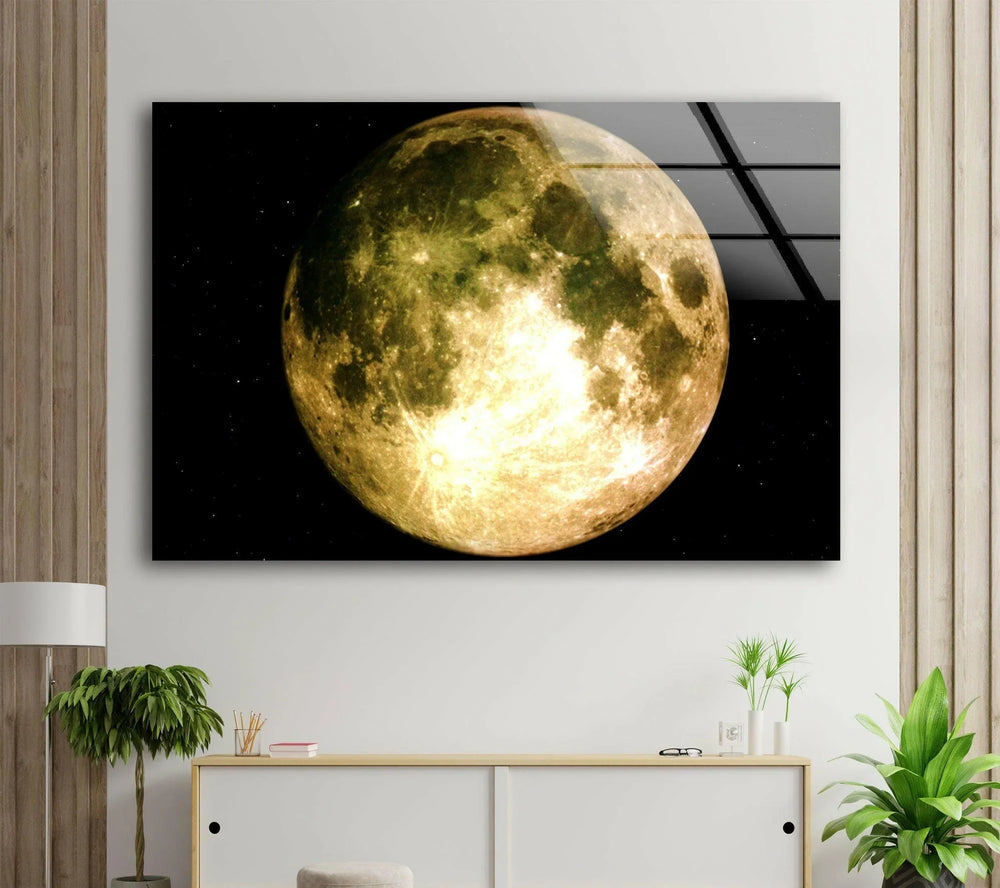
Mid-century space-age imagery printed on high-gloss tempered silica glass provokes intense personal nostalgia, delivering immediate emotional warmth rather than complex intellectual contemplation. The Journal of Environmental Psychology demonstrates that this personal nostalgia registers exceptionally high in immediate pleasure and physiological arousal. Ultramarine blues (Munsell 5PB 4/10) and synthetic cadmium pigments command attention. Choosing the Astronaut on the Moon Glass Wall Art introduces this high-impact visual frequency directly into your sightline. While a traditional Belgian linen canvas depiction of the lunar surface absorbs light, tempered glass reflects it aggressively.

Highly reflective 1960s Lucite acrylic and borosilicate glass surfaces demand constant, precise light management to prevent the piece from acting as a distorted room mirror. This material intensity requires strict environmental engineering. Illuminating high-gloss surfaces with Osram 60-watt A19 incandescent bulbs produces a concentrated specular hot spot. That glare causes immediate visual fatigue. When adjusting the artwork lighting, you must mount Erco MR16 halogen track heads at a strict 30-degree angle of incidence relative to the vertical plaster wall. The light reflects downward. It hits the oak parquet floor, not your retina. A single honest limitation here is sheer physical dominance.
| Design Variable | Historical Cartography (Matte) | Space-Age Retro (Glossy) |
|---|---|---|
| Primary Cognitive Trigger | Anemoia (Analytical Reflection) | Personal Nostalgia (Arousal) |
| Spatial Anchoring Metric | 145cm Eye-Level Centre Point | 20cm Above Credenza Edge |
| Optimal Angle of Incidence | Direct Wash (0 to 15 Degrees) | Strict 30-Degree Deflection |
| Glare Fatigue Reduction | Inherent Material Property | Requires 4000K Neutral Diffusion |
Aesthetic Counter-Programming Decides The Winner
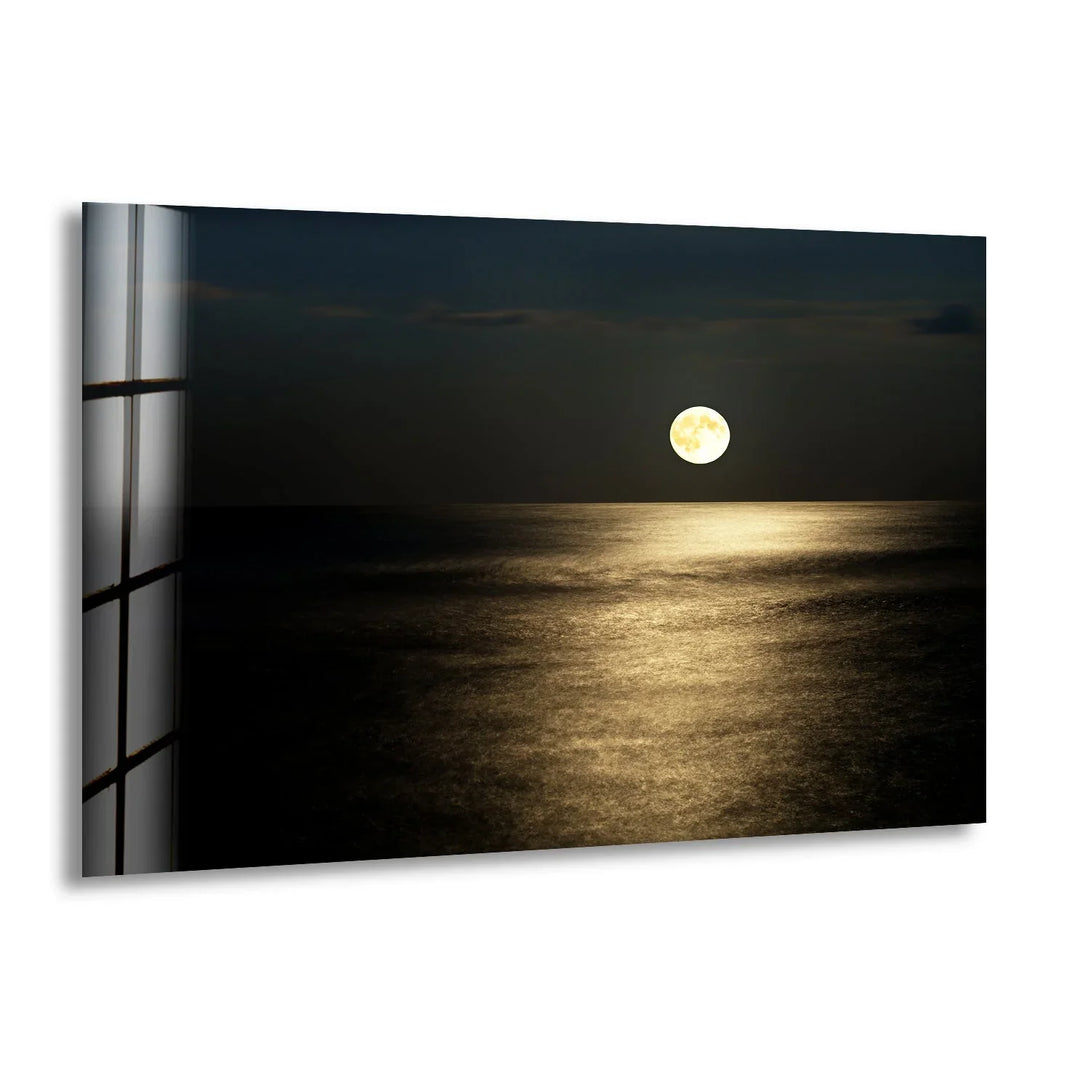
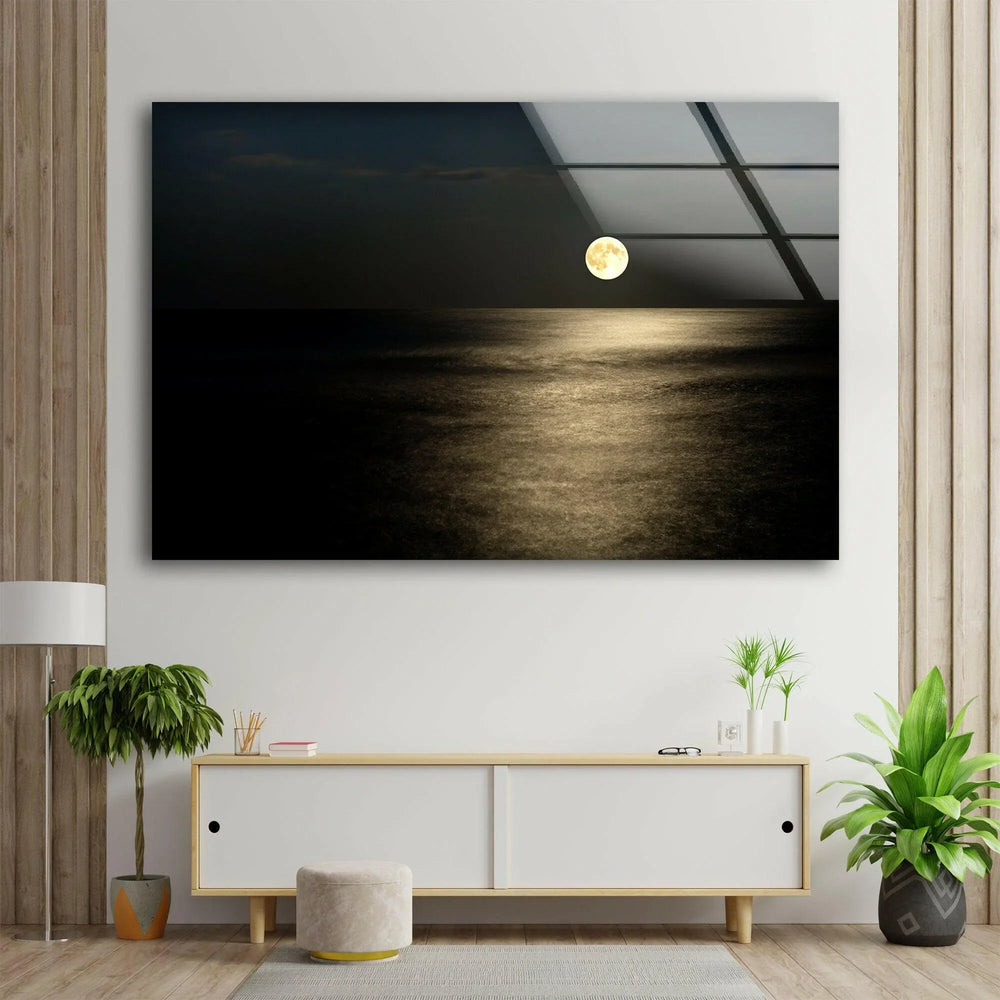
The optimal choice between historical and personal nostalgia depends entirely on your willingness to implement intellectual counter-programming. Conventional Bauhaus design logic insists on matching aesthetics with predictable lighting. Novice designers light 19th-century copperplate prints with warm 2700K Philips Hue fixtures to preserve historical romance. They hit 1960s Warhol-style pop art with 4000K Cree LED beams to highlight futuristic materials. High-end interior architecture requires the exact opposite. You must introduce intentional visual friction. Place highly academic vintage lithographs under stark 4000K Ketra museum-grade track lighting. This strips the artwork of its cosy sentimentality. It becomes a sharp scientific specimen. Conversely, bathe the synthetic surface of the Rising Red Moon Glass Wall Art in a rich amber 2700K glow. Color temperatures cooler than 3000K on these retro synthetics act aggressively sterile.

Historical yearning is a structural feature of your space, molded entirely by how you direct photons onto physical textures. Warm 2200K ambient light artificially ages the synthetic acrylic material. Clinical edges soften, and bold retro-futurism blends smoothly into the organic Juglans nigra wood grains of your Mid-Century Modern walnut credenza. If selecting a lunar piece for a Farrow & Ball painted bedroom wall, this warm wash actively lowers the resting heart rate to 60 BPM. The Illuminating Engineering Society (IES) standards confirm that colour temperature dictates emotional perception. Mastering this aesthetic counter-programming guarantees that your artwork controls the room's psychological temperature. Grounding a room firmly in your chosen era requires applying this exact visual friction to a selected piece from the lunar wall decor archive.